How to start a sustainable vegetable garden at home: A Guide
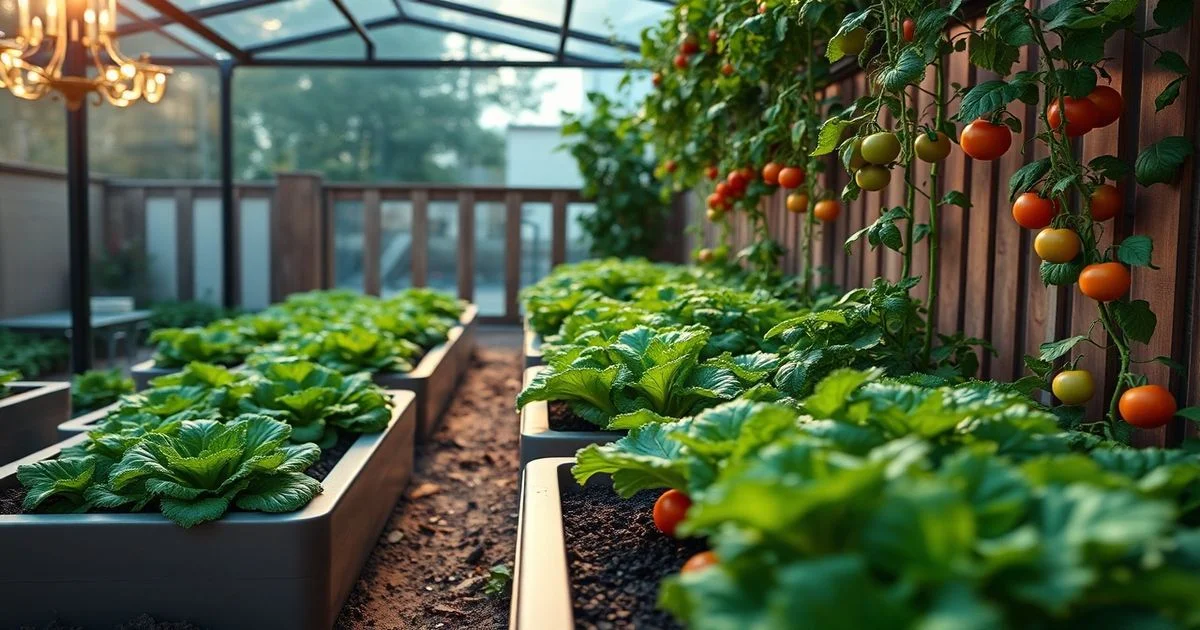
To start a sustainable vegetable garden at home is to build a living micro-ecosystem that functions like a self-correcting algorithm. For the tech-savvy individual, this is more than just a hobby; it is a project in biological systems engineering. By understanding how to start a sustainable vegetable garden at home, you are effectively optimizing a carbon-sequestering, nutrient-dense production unit right in your backyard or on your balcony. This guide bypasses the generic "dig a hole" advice and dives into the mechanical, chemical, and digital layers of modern sustainable horticulture.
- The Architecture of a Sustainable Garden System
- Step 1: Soil Engineering and the Rhizosphere
- Step 2: Site Selection and Bed Design
- Step 3: Precision Water Management
- Step 4: Biodiversity and Integrated Pest Management (IPM)
- Step 5: Sourcing and Selecting High-Yield Seeds
- Step 6: How to start a sustainable vegetable garden at home with IoT
- Step 7: Sustainable Harvesting and Successional Planning
- The Pros and Cons of Sustainable Home Gardening
- Future Outlook: The Rise of Urban AgTech
- Frequently Asked Questions
- Conclusion
- Further Reading & Resources
The Architecture of a Sustainable Garden System
Before the first seed is sown, you must view your site through the lens of systems architecture. In traditional gardening, inputs (water, fertilizer, pesticides) are often linear and wasteful. In a sustainable model, we aim for a closed-loop system where outputs become inputs. This transition from linear consumption to circular regeneration is the hallmark of modern environmental science.
Sustainable gardening relies on the principles of permaculture—a design philosophy that mimics the efficiency of natural ecosystems. When you are looking at how to start a sustainable vegetable garden at home, you need to analyze three primary vectors:
-
Solar Resource Mapping: Understanding the "lux" levels and photoperiodism of your site. Most fruiting vegetables (tomatoes, peppers) require a minimum of 6-8 hours of direct solar radiation, whereas leafy greens can operate on lower "bandwidth" (4 hours).
-
Topography and Hydrology: Mapping how water moves across your landscape. This allows you to place "thirsty" plants in natural depressions or install "swales" to capture runoff, reducing the need for external irrigation. Much like the impact of ocean currents on global climate patterns, the micro-hydrology of your yard dictates the "climate" of your garden beds.
-
Soil Microbiome Status: Viewing soil not as dirt, but as a complex biological network of fungi, bacteria, and protozoa that facilitate nutrient exchange.
Step 1: Soil Engineering and the Rhizosphere
The soil is the hardware of your garden. If the hardware is faulty, no amount of high-quality "software" (seeds) will produce results. To start a sustainable vegetable garden at home, you must move away from synthetic fertilizers which degrade soil structure over time. Instead, we focus on the Cation Exchange Capacity (CEC) and the biological vitality of the rhizosphere.
Understanding Soil Textures and Chemistry
Soil is composed of three main particles: sand, silt, and clay. The "Goldilocks zone" for vegetable production is Loam—a balanced mixture that provides both drainage and nutrient retention. You can test your soil’s "latency" by performing a simple ribbon test or a jar sedimentation test to see your percentage of each particle.
Chemically, the pH level of your soil acts as a gatekeeper for nutrient availability. If the soil is too acidic or too alkaline, nutrients become "locked" and unavailable to the plant roots, regardless of how much fertilizer you add. Aim for a pH between 6.2 and 6.8 for most vegetables.
The Power of the Soil Food Web
A sustainable garden leverages the "Soil Food Web." This is a symbiotic relationship where plants exude carbon-rich sugars into the soil to feed Mycorrhizal fungi. In exchange, these fungi extend the plant's root reach by up to 100x, mining for phosphorus and water.
-
Avoid Tilling: Tilling the soil is like crashing a hard drive; it destroys the fungal networks and releases stored carbon into the atmosphere. Use "No-Dig" methods to preserve these biological assets.
-
Cover Cropping: Use "green manure" like clover or vetch during the off-season to "upload" nitrogen back into the soil naturally. This reduces the need for external nitrogen inputs.
-
Biochar Integration: Adding biochar—a form of charcoal produced via pyrolysis—creates a permanent "habitat" for microbes and holds onto nutrients that would otherwise leach away.
Composting: The Original Recycling Protocol
Composting is the process of aerobic decomposition. It is the most critical component in learning how to start a sustainable vegetable garden at home. By recycling kitchen scraps and yard waste, you reduce methane emissions from landfills and create "black gold."
The Ideal Compost Ratio:
Carbon (Browns): 30 Parts (Dried leaves, cardboard, straw)
Nitrogen (Greens): 1 Part (Food scraps, fresh grass clippings)
Oxygen: High (Turn regularly to prevent anaerobic pockets)
Moisture: 40-60% (Like a wrung-out sponge)
For those in urban environments, consider Bokashi fermentation. This is an anaerobic process that uses inoculated bran to "pickle" food waste, including meat and dairy, which are typically excluded from traditional compost piles.
Step 2: Site Selection and Bed Design
When considering how to start a sustainable vegetable garden at home, the "where" is just as important as the "how." You want to minimize the "energy cost" of maintaining the garden.
Raised Beds vs. In-Ground
Raised beds offer better control over soil quality and drainage. They are essentially "sandboxed" environments. If your native soil is contaminated or high in heavy metals—a common issue in urban environments—raised beds are the logical choice.
-
Materials: Use cedar or heat-treated wood. Avoid pressure-treated lumber from before 2003, as it contains arsenic. For a more permanent "industrial" look, galvanized steel beds are becoming popular for their longevity and heat retention.
-
Dimensions: Keep beds no wider than 4 feet to ensure you can reach the center without stepping on the soil and causing compaction. Compaction is the enemy of root respiration.
Vertical Integration and Space Optimization
For those with limited "disk space" (small yards or balconies), vertical gardening is the answer. Using trellises for indeterminate tomatoes, cucumbers, or pole beans allows you to maximize your yield per square foot. It also improves airflow, which acts as a natural firewall against fungal diseases like powdery mildew.
Permaculture Zones
Design your garden using the "Zone" system. Zone 1 (herbs and frequently harvested greens) should be closest to your kitchen door. Zone 2 (staple crops like potatoes and squash) can be further away. This optimization of physical logistics ensures that you actually harvest what you grow.
Step 3: Precision Water Management
Water is a finite resource. A sustainable garden must be "water-wise." Traditional overhead sprinklers are inefficient, losing up to 50% of water to evaporation and wind drift.
Drip Irrigation and Automation
Drip irrigation delivers water directly to the root zone—the "input port" of the plant. This reduces weed growth (since the surrounding soil remains dry) and prevents leaf diseases. To truly embrace the "tech" side of how to start a sustainable vegetable garden at home, consider integrating a smart irrigation controller.
-
Soil Moisture Sensors: Devices like the SparkFun Soil Moisture Sensor or high-end Bluetooth Tensiometers can trigger your irrigation system only when the soil's volumetric water content falls below a specific threshold.
-
Rainwater Harvesting: Installing a rain barrel system allows you to collect "free" soft water. Rainwater is superior to tap water because it lacks chlorine and contains dissolved nitrogen, which acts as a mild fertilizer.
Mulching as a Moisture Buffer
Mulch is the "insulation" for your soil. A 2-3 inch layer of organic mulch (straw, wood chips, or shredded leaves) can reduce evaporation by 70%. It also regulates soil temperature, keeping roots cool during heatwaves—a critical feature for maintaining "uptime" during the summer months.
Step 4: Biodiversity and Integrated Pest Management (IPM)
In a sustainable system, we don't use chemical "antivirus" (pesticides). Instead, we build a resilient ecosystem that manages itself through Integrated Pest Management. We must recognize that why bees are vital for our planet's future isn't just an abstract environmental concept, but a practical necessity for crop fertilization.
Companion Planting: The Original API
Certain plants have natural synergies. For example, planting marigolds near tomatoes provides a chemical defense against root-knot nematodes. This is known as companion planting.
-
The Three Sisters: A classic example using corn (support), beans (nitrogen fixation), and squash (living mulch). This is a multi-layered biological stack that optimizes space and nutrients.
-
Aromatic Herbs: Basil, mint, and rosemary emit volatile organic compounds (VOCs) that mask the scent of your vegetables from pests.
Attracting Beneficial Insects
To manage pests like aphids, you need to recruit "predatory hardware." Ladybugs, lacewings, and hoverflies are the security guards of your garden.
-
Pollinator Strips: Dedicate 10% of your garden space to native flowers. This ensures that your vegetable flowers are pollinated, increasing your "conversion rate" from flower to fruit.
-
Insect Hotels: Provide nesting sites for solitary bees and other beneficial insects to ensure they stay on-site year-round.
Step 5: Sourcing and Selecting High-Yield Seeds
Not all seeds are created equal. When learning how to start a sustainable vegetable garden at home, the "source code" of your plants matters.
Heirloom vs. Hybrid vs. GMO
-
Heirloom Seeds: These are open-pollinated varieties passed down through generations. They are genetically stable, meaning you can save the seeds this year and plant them next year with identical results.
-
F1 Hybrids: These are bred for specific traits like disease resistance or shelf life. While high-performing, their "source code" is locked; seeds saved from hybrids will not grow "true to type."
-
GMOs: These are generally not available to the home gardener and are unnecessary for a sustainable home setup.
Seed Starting and Propagation
Starting seeds indoors gives you a "head start" on the season. Use LED grow lights with a specific Kelvin rating (5000K-6500K) to mimic spring sunlight. This prevents "leggy" seedlings that have high failure rates once transplanted.
Step 6: How to start a sustainable vegetable garden at home with IoT
For the tech-savvy gardener, the "set it and forget it" mentality is replaced by a cycle of monitoring and optimization. Digital tools allow us to quantify what was previously guesswork.
Digital Garden Journals
Track your variables. Which variety of kale resisted the aphids? Which tomato had the highest "Brix" (sugar content) score? Using apps like VegPlotter or even a simple Notion database allows you to iterate on your garden design every year.
IoT in the Garden: The Monitoring Stack
If you want to take the process to the next level, you can build a customized monitoring station. This allows for real-time telemetry of your garden’s health.
Hardware Stack Example:
Microcontroller: ESP32 (Wi-Fi enabled)
Sensors:
- Capacitive Soil Moisture Sensor (v1.2)
- DHT22 (Ambient Temperature and Humidity)
- BH1750 (Ambient Light/Lux Sensor)
- TDS Sensor (Total Dissolved Solids for nutrient checking)
Power Source: Small solar panel with a LiPo battery
By streaming this data to a dashboard like Home Assistant or Adafruit IO, you can receive "push notifications" when your plants are stressed, allowing for proactive rather than reactive maintenance. This data-driven approach is essential when you create a balanced meal plan, as it ensures a consistent supply of fresh ingredients.
Step 7: Sustainable Harvesting and Successional Planning
The final stage of the sustainable cycle is the harvest. How you harvest and what you do with the "residue" determines the total sustainability score of your garden.
Successional Sowing Logic
Don't plant all your lettuce at once. This leads to a "buffer overflow" where you have more food than you can consume, leading to waste. Practice successional sowing—planting small batches every 2 weeks—to ensure a steady "stream" of produce.
Succession Schedule Example:
| Crop | Planting Interval | Days to Maturity |
|---|---|---|
| Radishes | 10 Days | 25-30 |
| Salad Greens | 14 Days | 40-50 |
| Bush Beans | 21 Days | 55-65 |
| Carrots | 30 Days | 70-80 |
Closing the Loop
Once a plant has finished its life cycle, its biomass should not leave the site. Chop and drop the stalks to act as mulch, or return them to the compost bin. This ensures that the micronutrients extracted from your soil are returned to it, maintaining long-term soil fertility without external inputs.
The Pros and Cons of Sustainable Home Gardening
While highly rewarding, a sustainable garden is a complex system with its own set of trade-offs.
Pros
-
Nutrient Density: Home-grown produce often has higher vitamin levels than store-bought items that have been in cold storage for weeks.
-
Carbon Footprint: You reduce "food miles" to "food feet."
-
Mental Health: Studies show that interacting with soil microbes (specifically Mycobacterium vaccae) can trigger serotonin release, acting as a natural antidepressant.
Cons
-
Initial Latency: It takes time to build healthy soil; your first year might yield less than expected as the ecosystem stabilizes.
-
High Up-front Cost: Building raised beds and installing smart irrigation requires an initial capital expenditure.
-
Maintenance Requirements: Like any server, a garden requires regular "patches" (weeding) and monitoring.
Future Outlook: The Rise of Urban AgTech
The future of how to start a sustainable vegetable garden at home lies in the intersection of biology and automation. We are seeing the rise of "FarmBots"—CNC-style robots that can plant, weed, and water a garden bed autonomously. Furthermore, advancements in CRISPR technology may soon allow for "home-tailored" seeds that are specifically engineered for the unique microclimates of individual backyards.
As climate change makes traditional agriculture more volatile, decentralized home gardening will move from a hobby to a critical component of food security. By mastering these sustainable techniques now, you are building a resilient, high-performance food production system for the future.
Frequently Asked Questions
Q: What is the best way to start a sustainable garden?
A: Focus on building healthy soil first. Use high-quality compost, avoid chemical fertilizers, and adopt no-till practices to preserve the soil's natural microbial networks.
Q: How does technology improve garden sustainability?
A: IoT sensors and automated drip irrigation systems ensure that plants receive exactly the amount of water and nutrients they need, drastically reducing waste and increasing yields.
Q: Can I garden sustainably in a small space?
A: Absolutely. Use vertical gardening techniques and high-intensity companion planting to maximize your "yield-per-square-foot" in urban environments or on balconies.
Conclusion
Understanding how to start a sustainable vegetable garden at home is an investment in both personal health and planetary resilience. By focusing on soil biology, precision water usage, and ecological balance, you move beyond simple gardening and into the realm of environmental stewardship.
The most important step is to begin. Start small—perhaps a single raised bed or a few smart-monitored pots—and scale your system as you gather data on what works best in your specific environment. A sustainable garden is not a static product; it is a dynamic, evolving process that rewards those who treat it with the same curiosity and rigor as any high-tech project.