SE Asia on the Rise: Economic Growth and Challenges in the Region
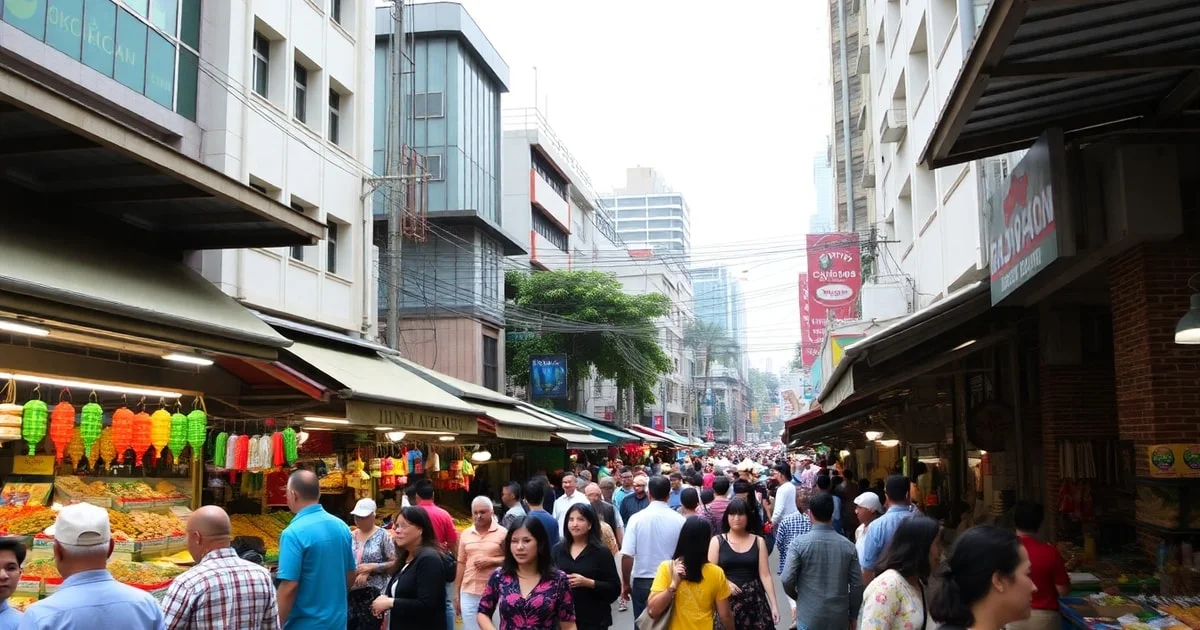
As SE Asia rises in global prominence, the region is experiencing unprecedented economic growth alongside complex developmental challenges. For decades, the nations of Southeast Asia were categorized primarily as emerging markets with potential. Today, that potential has transformed into a dynamic reality as the ten member states of the Association of Southeast Asian Nations (ASEAN) solidify their position as an engine of global commerce. Driven by shifts in global supply chains, rapid digitalization, and a young, tech-savvy workforce, SE Asia is rewriting the rules of international trade and manufacturing. However, this upward trajectory is not guaranteed. From inadequate infrastructure to severe climate vulnerabilities, the region must navigate a minefield of obstacles to sustain its momentum and ensure equitable prosperity.
The Economic Surge in SE Asia
The macroeconomic performance of SE Asia over the past two decades has been nothing short of remarkable. With a collective Gross Domestic Product (GDP) exceeding $3 trillion, the region would represent the fifth-largest economy in the world if it were a single nation. This growth has recovered strongly from global disruptions, outperforming many mature economies in terms of year-on-year expansion.
FDI and Supply Chain Diversification
Foreign direct investment (FDI) has acted as a primary catalyst for this expansion. As global corporations seek to build resilience into their supply chains, the "China Plus One" strategy has gained massive traction. Companies are diversifying their manufacturing footprints to reduce reliance on a single nation, and Southeast Asia has emerged as the premier beneficiary.
Several factors make the region highly attractive to multinational corporations:
- Competitive Labor Costs: Countries like Vietnam, Indonesia, and the Philippines offer skilled yet highly cost-effective labor forces that attract manufacturing giants.
- Strategic Maritime Routes: The Strait of Malacca and the South China Sea represent some of the world's busiest shipping lanes, positioning the region at the heart of global logistics.
- Favorable Trade Treaties: The Regional Comprehensive Economic Partnership (RCEP) and various bilateral trade agreements have significantly lowered tariff barriers, simplifying cross-border operations.
Digitalization and the Internet Economy
Parallel to industrial manufacturing, a digital revolution is sweeping through the region. The digital economy in Southeast Asia is projected to reach $1 trillion by the early 2030s, driven by an explosion in e-commerce, fintech, digital payments, and ride-hailing services.
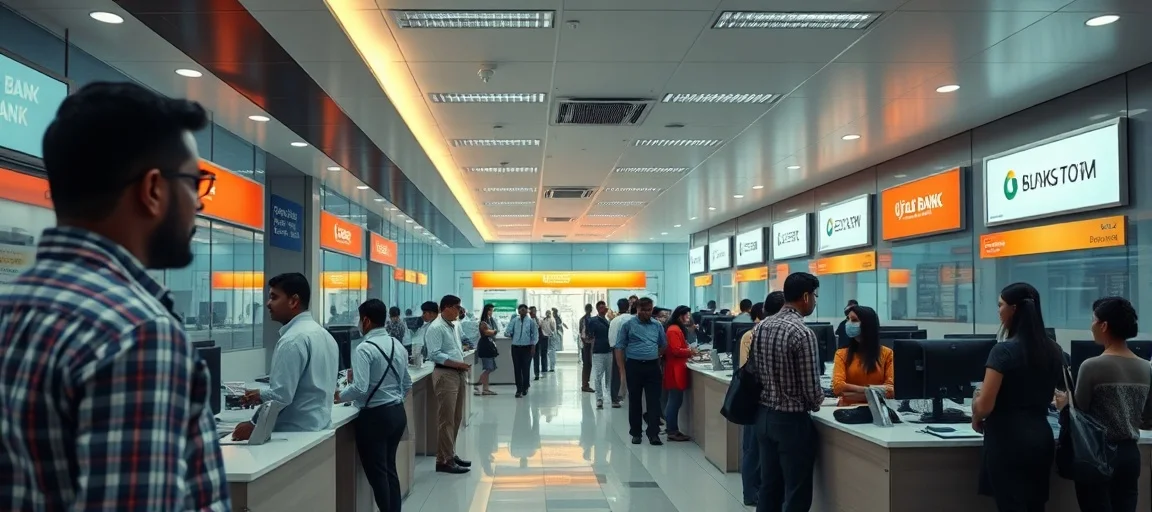
Mobile connectivity has leapfrogged traditional banking infrastructure, allowing millions of previously unbanked individuals to participate in the formal economy. Venture capital continues to pour into regional tech hubs like Singapore and Jakarta, fostering a vibrant ecosystem of startups, scale-ups, and technology unicorns.
Critical Challenges Impeding Progress in SE Asia
While the economic indicators are broadly positive, SE Asia's path forward is obstructed by structural, geographical, and environmental bottlenecks. Overcoming these challenges will require concerted political will, substantial capital allocation, and unprecedented regional cooperation.
Severe Infrastructure Gaps
The disparity in infrastructure quality across regional borders is a major hurdle. While Singapore boasts world-class ports and digital connectivity, neighboring countries struggle with basic logistics.
Poor road networks, congested ports, and unreliable power grids in less-developed provinces elevate transaction costs and stifle productivity. Bridging this infrastructure gap requires trillions of dollars in investment. Programs like the Master Plan on ASEAN Connectivity 2025 aim to address these issues, but funding deficits and bureaucratic hurdles remain persistent obstacles.
Pressing Environmental and Climate Risks
Perhaps the most existential threat to long-term prosperity is climate change. Southeast Asia is highly vulnerable to rising sea levels, extreme weather events, and ecological degradation. Rapid urbanization and industrialization have historically come at a high environmental cost, resulting in severe deforestation, biodiversity loss, and air and water pollution.
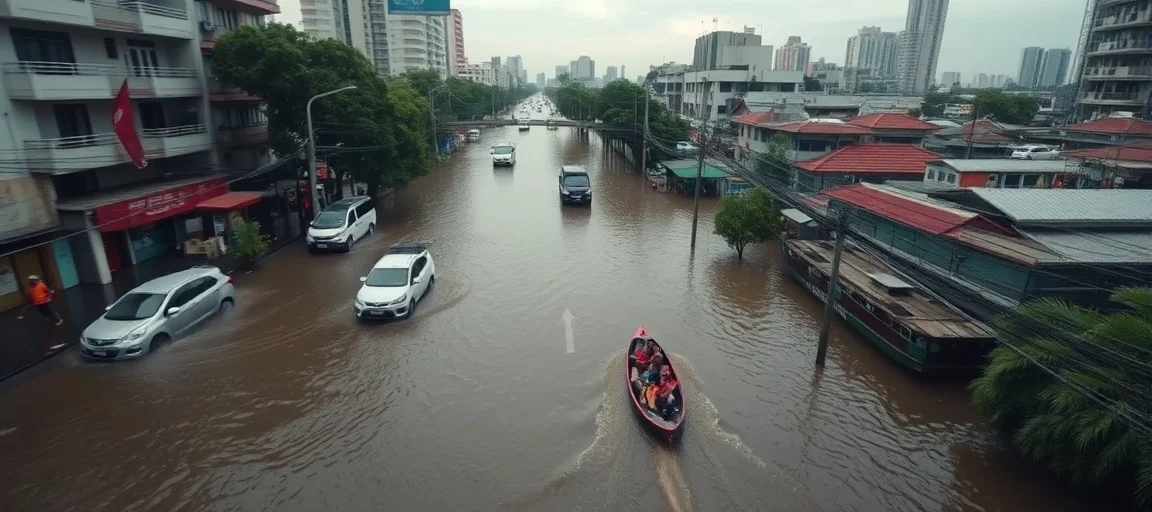
Major metropolitan areas, including Jakarta, Bangkok, and Manila, are grappling with severe subsidence and flooding risks. Agricultural sectors, which employ a significant portion of the population, are increasingly threatened by unpredictable weather patterns, jeopardizing food security and rural livelihoods. Transitioning to a green economy while maintaining high growth rates remains one of the most complex policy dilemmas facing regional leaders.
Human Capital and Education Shortfalls
To transition from low-cost assembly to high-value, knowledge-based economies, nations must urgently upgrade their human capital. Despite a young and expanding workforce, many countries face a severe mismatch between the skills taught in schools and those required by modern tech-driven industries.
The lack of specialized technical training, poor English proficiency in certain sub-regions, and a general deficit in STEM (Science, Technology, Engineering, and Mathematics) education prevent local workforces from moving up the global value chain. Without significant reforms in national education systems and increased investment in technical and vocational training, many countries risk falling into the middle-income trap.
Geopolitical Dynamics and Global Trade
Strategic positioning makes this part of the world a focal point of contemporary global geopolitics. The region is forced to navigate the increasingly complex and volatile rivalry between the United States and China.
The ASEAN Framework and Integration
The Association of Southeast Asian Nations (ASEAN) serves as the primary vehicle for regional diplomacy and economic integration. Founded on the principles of consensus and non-interference—often referred to as the "ASEAN Way"—the bloc has successfully prevented major regional conflicts and fostered economic cooperation. However, this consensus-driven approach can also lead to slow decision-making, particularly when dealing with sensitive geopolitical issues like maritime territorial disputes.
Strategic Neutrality in US-China Competition
For regional governments, maintaining strategic neutrality is essential. China is the region’s largest trading partner and a crucial source of infrastructure funding through initiatives like the Belt and Road Initiative (BRI).
Conversely, the United States remains a vital security partner and a major source of high-quality FDI. Regional leaders consistently emphasize that they do not wish to be forced to choose between Washington and Beijing, preferring instead to maintain open, productive relationships with both global superpowers.
Country Case Studies
To understand the diverse economic landscape, it is helpful to examine the specific trajectories of its key economies.
Singapore: The Financial Hub
Singapore stands as the economic anchor of the region. Despite its lack of natural resources, the city-state has transformed itself into a global financial, logistical, and technological hub. With a highly skilled workforce, a transparent legal system, and pro-business policies, Singapore acts as the regional headquarters for thousands of multinational corporations and serves as the primary gateway for capital flowing into neighboring emerging markets.
Vietnam: The Manufacturing Powerhouse
Vietnam has emerged as one of the world's most successful manufacturing success stories. Leveraging its competitive labor costs, proximity to southern China, and aggressive pursuit of free trade agreements, the country has become a crucial node in global electronics and apparel supply chains. Major global brands have shifted significant portions of their production lines to Vietnam, driving rapid export-led growth.
Indonesia: The Resource Giant
As the largest economy in the archipelago, Indonesia possesses immense economic potential. The country is rich in natural resources, including nickel, coal, and copper.
Under recent administrative policies, Indonesia has pursued a strategy of "downstreaming"—banning raw material exports to force foreign companies to build processing facilities domestically. This strategy aims to capture more value from the global green energy transition, particularly in the electric vehicle battery supply chain.
Thailand: The Automotive Center
Thailand has historically been known as the "Detroit of the East" due to its highly integrated automotive supply chain. While it has successfully attracted major Japanese and Western automakers for decades, it is now rapidly adapting to the electric vehicle era by attracting substantial investments from Chinese EV manufacturers, positioning itself as a future hybrid and electric manufacturing hub.
Expert Analysis and Policy Recommendations
According to Dr. Rohan, an economist at the Asian Development Bank, "SE Asia is a region of immense opportunity and potential. However, it also faces significant challenges that need to be addressed. The region needs to invest in infrastructure, education, and innovation to remain competitive and to achieve sustainable growth."
To maintain its upward trajectory, regional governments must implement structural reforms that foster innovation, protect intellectual property, and encourage local entrepreneurship. Public-private partnerships (PPPs) will be essential to mobilize the capital required for high-speed rail, modern ports, and renewable energy grids. Furthermore, deep integration through the ASEAN Economic Community must be prioritized to create a truly unified market of over 660 million consumers, which would enhance the region's collective bargaining power on the global stage.
Conclusion
In conclusion, SE Asia stands at a historic crossroads. The region's extraordinary economic growth, driven by foreign investment, rapid technological adoption, and demographic advantages, has firmly established it as a critical pillar of the global economy. Yet, to secure a prosperous and sustainable future, SE Asia must boldly confront its structural deficits, environmental challenges, and human capital shortages. Through enhanced regional cooperation, strategic geopolitical neutrality, and forward-looking economic policies, the nations of the region are well-positioned to navigate the complexities of the 21st century and continue their remarkable rise.
Frequently Asked Questions
Q: What is driving economic growth in SE Asia?
A: Growth is primarily fueled by massive foreign direct investment, expanding global trade routes, and a rapidly rising middle class driving domestic consumption.
Q: What are the main obstacles to development in SE Asia?
A: The region faces significant infrastructure bottlenecks, serious environmental concerns like deforestation, and a pressing shortage of highly skilled technical labor.
Q: How does regional cooperation support SE Asia?
A: Through organizations like ASEAN, member nations work to lower trade barriers, integrate regional markets, and coordinate policies to attract foreign investment.