India Opposition INDIA Bloc Holds Key Meet Amidst Political Ferment
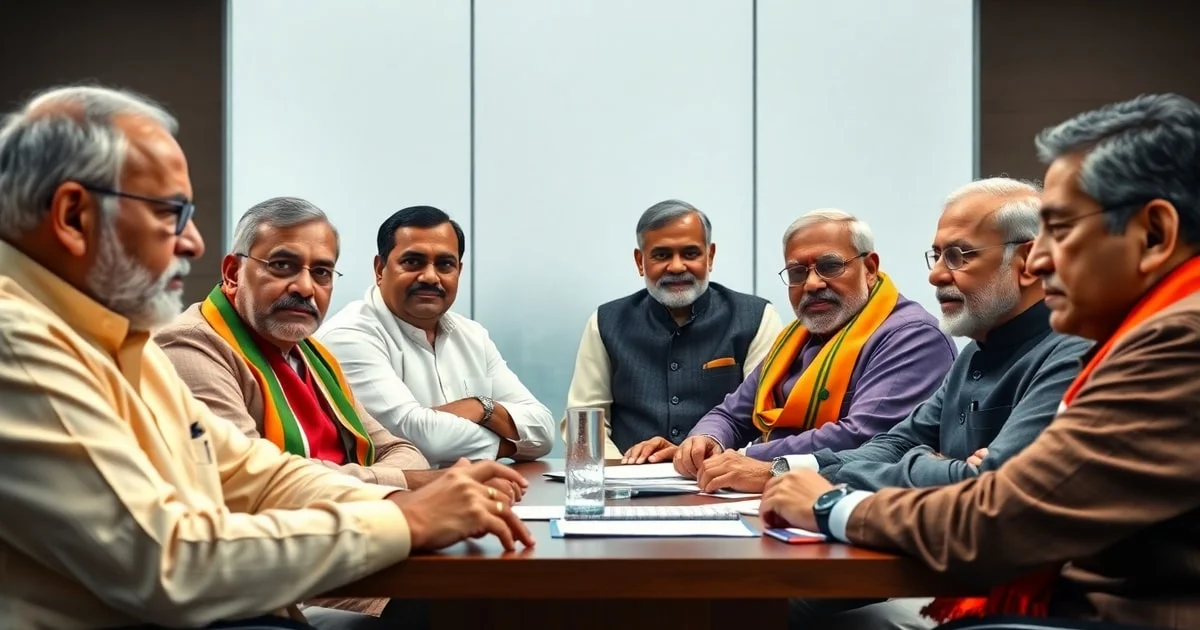
In a pivotal moment for Indian politics, the India Opposition INDIA Bloc Holds Key Meet, convening its prominent leaders to chart a unified course amidst the nation's evolving political landscape. This significant gathering comes at a critical juncture, as the coalition seeks to consolidate its strength, refine its strategies, and present a formidable challenge to the incumbent government in the lead-up to crucial electoral battles. The discussions are anticipated to cover a wide array of pressing national issues, alliance cohesion, and strategic electoral planning, underscoring the bloc's resolve to offer an alternative vision for the country's future.
- Background: The Genesis and Evolution of the INDIA Bloc
- Key Details: Outcomes from the INDIA Bloc's Strategic Meeting
- Challenges and Opportunities for the INDIA Bloc
- Reactions and Expert Analysis
- The Road Ahead: Implications for Indian Politics
- Conclusion
- Frequently Asked Questions
- Further Reading & Resources
Background: The Genesis and Evolution of the INDIA Bloc
The Indian National Developmental Inclusive Alliance, commonly known as the INDIA Bloc, emerged as a concerted effort by various opposition parties to forge unity against the ruling Bharatiya Janata Party (BJP)-led National Democratic Alliance (NDA). Formed with the primary objective of safeguarding constitutional values, promoting inclusive development, and addressing socio-economic disparities, the bloc represents a diverse ideological spectrum. Its inception followed extensive consultations and a shared recognition among opposition leaders of the imperative to present a united front. The alliance brings together major political entities such as the Indian National Congress, the Trinamool Congress (TMC), the Dravida Munnetra Kazhagam (DMK), the Nationalist Congress Party (NCP), the Samajwadi Party (SP), and the Aam Aadmi Party (AAP), among others.
Since its formation, the INDIA Bloc has held several high-level meetings, each aimed at strengthening inter-party coordination, developing common policy positions, and formulating strategies to effectively counter the BJP's dominance. These initial gatherings focused on establishing a foundational framework for cooperation, identifying areas of convergence, and resolving potential internal disagreements. The bloc's stated goals include defending democratic institutions, ensuring social justice, and addressing economic challenges such as unemployment and inflation. The journey of the INDIA Bloc has been characterized by both moments of strategic alignment and instances of internal friction, typical of a multi-party coalition. Despite these challenges, the leaders have largely reaffirmed their commitment to the alliance's overarching objectives, recognizing the collective strength inherent in their combined electoral and political capital. This ongoing process of negotiation and consolidation forms the bedrock of their current strategic endeavors.
Key Details: Outcomes from the INDIA Bloc's Strategic Meeting
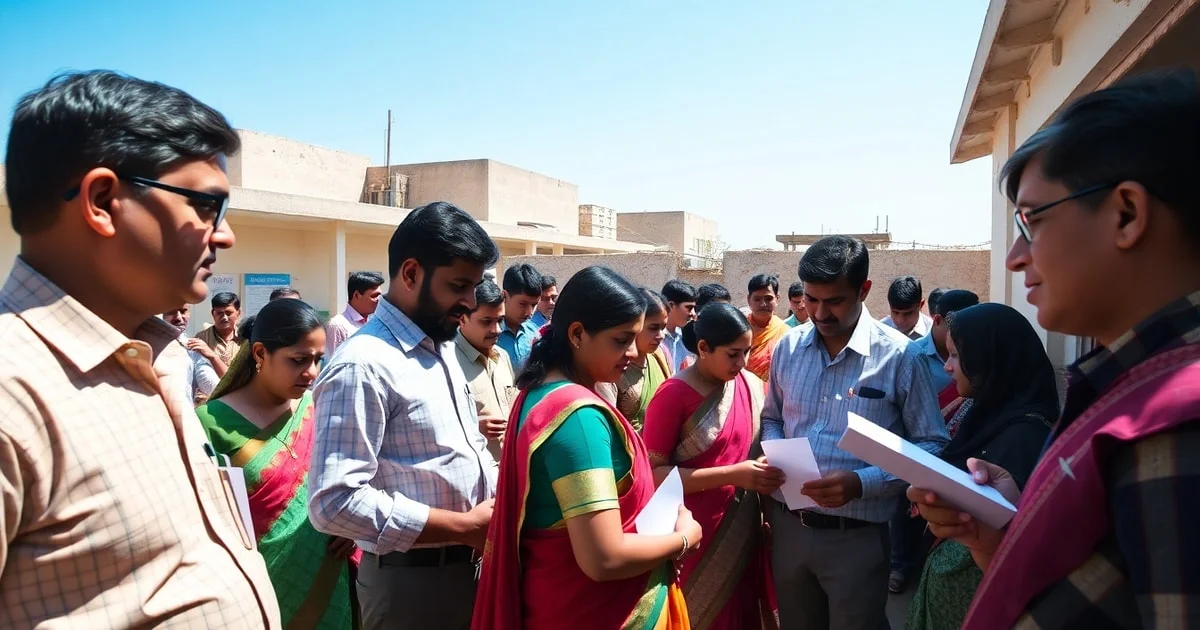
The recent gathering of the INDIA Bloc was marked by intense deliberations aimed at solidifying the alliance's strategic direction and enhancing its operational efficiency. The meeting, held in a highly anticipated session, brought together top leaders from across the constituent parties, underscoring the importance attributed to this conclave. Sources indicate that the agenda was comprehensive, touching upon immediate electoral challenges and long-term political objectives. A primary focus was the review of past electoral performances and the identification of constituencies where a unified opposition candidate could maximize winning chances. This involved detailed discussions on seat-sharing arrangements, a notoriously complex issue within coalition politics, requiring significant compromise and strategic foresight from all parties involved.
Another critical point of discussion revolved around the bloc's communication strategy and public outreach. Leaders deliberated on crafting a cohesive narrative that resonates with the diverse electorate, emphasizing issues that transcend regional and ideological divides. This includes a renewed push on economic justice, social harmony, and the protection of democratic norms. Specific policy proposals addressing inflation, unemployment, and agricultural distress were reportedly discussed, aiming to present a credible alternative policy framework to the public. Furthermore, the meeting addressed the imperative of streamlining internal coordination mechanisms, ensuring that joint campaigns and public rallies are executed with maximum impact. The presence of all key stakeholders at this crucial meet signals a robust commitment to these strategic objectives.
Attendees and Key Decisions
The meeting saw the attendance of prominent leaders from across the INDIA Bloc, including Mallikarjun Kharge, Rahul Gandhi, Sharad Pawar, Mamata Banerjee, M.K. Stalin, and Arvind Kejriwal, among others. Their presence underscored the united front the alliance aims to project. Discussions reportedly led to several key decisions designed to bolster the bloc's electoral machinery and public appeal. One significant outcome was the agreement to accelerate seat-sharing talks in key states, with deadlines set for finalization to allow adequate time for campaign preparations. This move is crucial for avoiding last-minute disagreements that could jeopardize electoral prospects.
Another important decision involved the formation of several sub-committees tasked with specific responsibilities. These committees are expected to focus on areas such as drafting a common minimum program, coordinating media interactions, organizing joint rallies, and developing a rapid response mechanism to address political developments. The common minimum program is envisioned as a shared blueprint of governance, outlining the core principles and policy priorities that the INDIA Bloc would pursue if it were to come to power. This document is intended to provide clarity to voters about the alliance's agenda and commitments. The emphasis on joint public appearances and a coordinated media strategy aims to amplify the bloc's message and project an image of unity and purpose, essential for building public trust and support.
Strategic Roadmap for Upcoming Elections
The strategic roadmap articulated during the meeting emphasizes a multi-pronged approach to the upcoming electoral contests. This includes intensified campaigning at the grassroots level, leveraging social media platforms more effectively, and organizing large-scale public interactions. The leaders also stressed the importance of identifying and empowering local leaders who can effectively communicate the bloc's message to diverse communities. There was a strong consensus on the need to highlight the perceived failures of the incumbent government, particularly concerning economic management, social divisions, and institutional integrity.
The strategy also includes a focus on regional strongholds, where individual parties within the alliance hold significant sway, while simultaneously working to strengthen their presence in areas where they are traditionally weaker. This localized approach is deemed essential for converting collective strength into tangible electoral gains. Furthermore, discussions touched upon the need to develop a robust mechanism for data analysis and voter outreach, utilizing modern tools and techniques to identify voter segments and tailor messages accordingly. The comprehensive nature of this strategic roadmap suggests a deep understanding of the complexities of Indian electoral politics and a determined effort to navigate them successfully.
Challenges and Opportunities for the INDIA Bloc
The INDIA Bloc, despite its aspirations for unity, faces a myriad of challenges that could impede its progress, alongside significant opportunities that could propel it forward. Navigating these complexities will be crucial for its long-term viability and electoral success. The very diversity that forms its strength also presents its greatest challenge, as aligning disparate regional interests and ideological viewpoints requires constant negotiation and compromise.
Internal Cohesion
Maintaining internal cohesion within such a diverse coalition is a continuous challenge. Disagreements over seat-sharing, leadership roles, and policy priorities have historically plagued multi-party alliances in India. Each constituent party has its own regional ambitions and voter base, making it difficult to present a completely unified front. For instance, the contestation for dominance in states where multiple INDIA Bloc parties have a presence can lead to internal friction. The ability of the leadership to mediate these differences effectively and ensure that all parties feel adequately represented will be paramount. Any perception of one party dominating the alliance could lead to disaffection and potential fragmentation. The success of the bloc hinges on its capacity to foster genuine cooperation and mutual respect among its members.
Electoral Strategy
Crafting a coherent and effective electoral strategy across the vast and varied Indian political landscape is another formidable task. The BJP's well-oiled election machinery and its strong ideological base present a significant challenge. The INDIA Bloc needs to develop a narrative that not only critiques the incumbent government but also offers a compelling alternative vision for the nation. This involves identifying key issues that resonate with the common citizen, such as economic inequality, unemployment, and social justice, and then effectively communicating how the bloc plans to address them. Furthermore, the selection of winnable candidates and the strategic deployment of resources will be critical. The alliance must also counter the BJP's narrative of national security and cultural nationalism with a progressive and inclusive agenda.
Public Perception
Public perception plays a vital role in Indian elections. The INDIA Bloc needs to overcome the perception of being merely an anti-BJP front and instead project itself as a credible government-in-waiting. This requires a consistent and positive public image, free from internal squabbles and contradictions. The ability to present a united leadership and a clear policy agenda will be crucial in winning the trust of the electorate. Media narratives, both mainstream and social, significantly influence public opinion, and the bloc must be adept at managing these narratives to its advantage. Any internal dissent or public disagreement among leaders can be amplified, potentially undermining the alliance's credibility. Therefore, projecting an image of strength, unity, and shared purpose is essential for garnering widespread public support.
Reactions and Expert Analysis
The recent meeting of the INDIA Bloc has elicited varied reactions from political commentators, analysts, and the ruling establishment. The discussions and potential outcomes are being closely scrutinized for their implications on the future trajectory of Indian politics. Experts are keenly observing how the bloc's newfound strategies will translate into tangible electoral advantages and whether the internal cohesion can withstand the pressures of competitive politics.
Political Commentary
Many political analysts view the INDIA Bloc's meeting as a crucial step towards consolidating the opposition's strength. According to one political commentator, "The INDIA Bloc’s ability to bring diverse parties to the table consistently is a testament to the shared understanding of the existential threat to opposition politics in India. Their success, however, will depend on their ability to translate this unity into concrete seat-sharing agreements and a compelling common minimum program". Other analysts, however, remain skeptical, pointing to the historical difficulties of such grand alliances in India and the potential for regional aspirations to derail national unity. "While the intent is clear, the execution of a pan-India strategy by a diverse group with often conflicting local interests will be the ultimate test," noted a veteran political observer.
The ruling BJP has largely downplayed the significance of the INDIA Bloc's gatherings, often portraying it as an opportunistic alliance lacking a coherent vision. Statements from BJP leaders frequently emphasize the perceived lack of a strong leadership within the opposition and the historical failures of coalition governments. However, beneath the public dismissals, there is an acknowledgment within the ruling party that a united opposition, if successful in translating its unity into electoral gains, could pose a substantial challenge. This dual approach of public dismissal and private strategic consideration highlights the perceived threat, however minimal, that the INDIA Bloc represents to the incumbent government's long-term electoral dominance.
Public and Media Response
The public response to the INDIA Bloc's recent activities has been mixed, largely influenced by regional political loyalties and media narratives. In states where constituent parties of the INDIA Bloc are strong, the meetings have been portrayed positively, as a sign of renewed hope for democratic alternatives. Conversely, in regions dominated by the ruling party, the bloc's efforts are often met with skepticism or outright criticism. Social media platforms, in particular, have become a battleground for narratives, with supporters and detractors engaging in intense debates over the bloc's viability and future prospects.
Mainstream media coverage has generally provided extensive reporting on the meetings, with analyses focusing on the key personalities involved, the issues discussed, and the potential implications. However, the tone and emphasis of the coverage often vary significantly depending on the media outlet's political leanings. Some outlets highlight the challenges of unity and internal dissent, while others focus on the bloc's potential to offer a credible alternative to the current political dispensation. This fragmented media landscape means that the INDIA Bloc faces the significant task of cutting through the noise and directly communicating its message to the electorate, ensuring that its core objectives and proposed solutions are clearly understood by the general public.
The Road Ahead: Implications for Indian Politics
The path ahead for the INDIA Bloc is fraught with both immense opportunities and significant hurdles, with its actions poised to have profound implications for the landscape of Indian politics. The success or failure of this grand opposition alliance will undoubtedly shape the narrative leading into future elections and could redefine the dynamics of multi-party democracy in India.
Next Steps and Future Strategy
Following the recent key meet, the immediate next steps for the INDIA Bloc are expected to include intensified efforts on finalizing seat-sharing arrangements across all relevant states. This is a critical and often contentious phase, requiring delicate negotiations and strategic compromises from all constituent parties. A clear and timely resolution of seat allocations will be paramount to prevent internal discord and present a united front to the electorate. Additionally, the bloc is anticipated to launch a series of joint public rallies and campaigns, beginning with key regions where the electoral stakes are highest. These campaigns will aim to amplify their common message, highlight their shared policy agenda, and directly engage with voters at the grassroots level. The formation and operationalization of specialized committees for program drafting, media management, and campaign coordination will also be crucial in streamlining their efforts.
Furthermore, the INDIA Bloc is likely to focus on sharpening its critique of the incumbent government, particularly on issues of economic performance, social cohesion, and the perceived erosion of democratic institutions. This will involve presenting well-researched arguments and offering clear, actionable alternatives in their common minimum program. The bloc will also need to be vigilant against potential attempts by the ruling party to exploit internal divisions or divert public attention from critical issues. Developing a robust rapid response mechanism to counter misinformation and respond effectively to political developments will be vital for maintaining their narrative control.
Impact on Upcoming Elections
The performance of the INDIA Bloc in the upcoming elections will serve as a critical barometer of its effectiveness and its ability to challenge the well-entrenched ruling party. If the bloc succeeds in translating its unity into significant electoral gains, it could fundamentally alter the political calculus, potentially leading to a more competitive political environment. A strong showing could empower the opposition, provide a check on the executive, and lead to more inclusive governance models. Conversely, a poor performance could weaken the alliance, leading to introspection and potentially a restructuring of opposition forces.
The alliance's success in consolidating votes and preventing the fragmentation of the anti-incumbency vote will be a key determinant of its impact. The outcome will not only affect the balance of power at the national level but also have ripple effects on state-level politics, influencing alliances and electoral strategies in subsequent regional elections. Ultimately, the INDIA Bloc's journey is a significant experiment in Indian democracy, testing the limits of multi-party cooperation against a formidable political force. Its impact will extend beyond immediate electoral results, influencing the very nature of political discourse and the future of democratic checks and balances in the country.
Conclusion
The recent high-stakes gathering where the India Opposition INDIA Bloc Holds Key Meet underscores a determined effort by diverse political parties to forge a united front in India's complex political landscape. Facing significant challenges in maintaining internal cohesion and crafting a unified electoral strategy, the bloc's ability to effectively communicate its vision and overcome regional differences will be paramount. The discussions and decisions emanating from this pivotal meeting are expected to shape the opposition's strategic direction, influencing upcoming electoral contests and potentially redefining the future dynamics of Indian politics. The journey of the INDIA Bloc remains a critical development to watch, as it navigates the intricate path towards offering a credible and unified alternative to the incumbent government.
Frequently Asked Questions
Q: What is the primary objective of the INDIA Bloc?
A: The INDIA Bloc aims to unite various opposition parties to challenge the ruling government, safeguard constitutional values, promote inclusive development, and address socio-economic disparities ahead of key elections.
Q: Which major political parties are part of the INDIA Bloc?
A: Key constituents include the Indian National Congress, Trinamool Congress (TMC), Dravida Munnetra Kazhagam (DMK), Nationalist Congress Party (NCP), Samajwadi Party (SP), and Aam Aadmi Party (AAP), among others.
Q: What are the main challenges faced by the INDIA Bloc?
A: The bloc faces challenges in maintaining internal cohesion, particularly regarding seat-sharing and leadership roles, crafting a unified electoral strategy across diverse regions, and positively shaping public perception to be seen as a credible alternative.