Climate Week NYC 2026 Concludes with Key Talks on Global Future
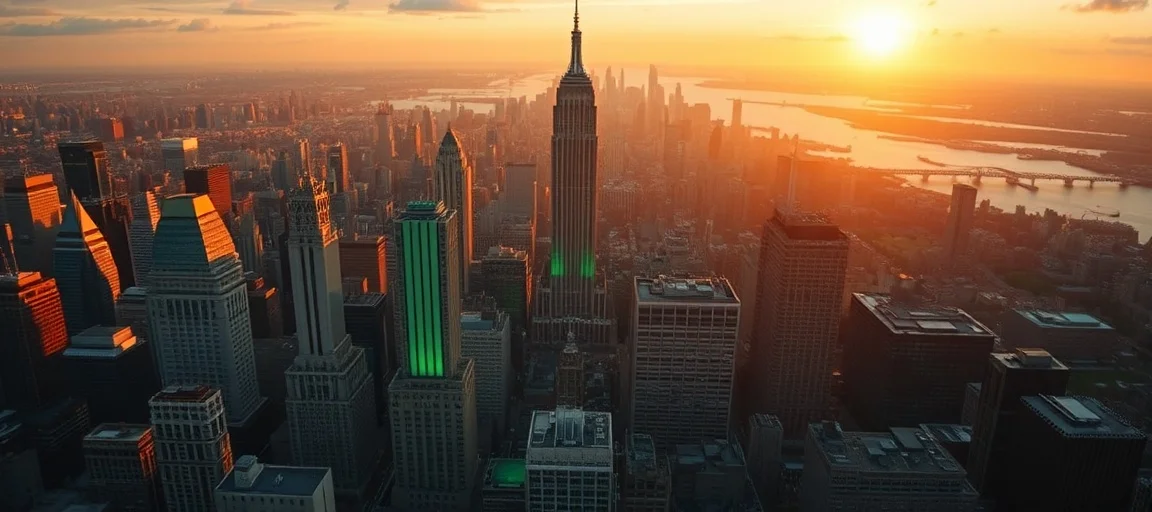
Climate Week NYC 2026 Concludes with Key Talks that are set to redefine the global trajectory for environmental policy and industrial strategy. As the curtains close on this monumental gathering, it is clear that the event has served as a crucible for the ideas and partnerships necessary to secure a sustainable future. Held alongside the United Nations General Assembly, this year’s summit successfully convened a diverse coalition of world leaders, CEOs, and activists, all centered on the urgent task of transforming climate ambition into concrete, systemic implementation.
A Week of Urgent Dialogue and Action
Organized by Climate Group, Climate Week NYC is firmly established as the largest annual event of its kind, driving measurable progress to shift global markets. The 2026 iteration, held from September 20-27, saw over 1,000 events across the city, attracting more than 100,000 participants. The core theme, "Energy, Impact, and Action," addressed the fundamental reality that the world is currently navigating a period of intense pressure on electricity grids, supply chains, and infrastructure, all exacerbated by the rapid expansion of digital economies.
The event’s success in fostering collaboration is reminiscent of the international focus seen in other arenas, such as the Global Economic Outlook 2026: Navigating Geopolitical Tensions Ahead, which examines how macroeconomic stability underpins every environmental initiative.
Critical Themes and Innovations
The program was structured around twelve foundational themes designed to bridge the gap between policy rhetoric and on-the-ground performance. These included:
- Buildings and Infrastructure
- Climate and Health
- Energy and Electrification
- Environmental Justice
- Finance and Clean Growth
- Food and Agriculture
- Industry and Supply Chains
- Nature, Land, and Oceans
- Policy, Governance, and Leadership
- Sustainable Living
- Cities and Communities
- Technology and AI
- Transport and Travel
Advancements in Energy and Electrification
The energy transition took center stage as industry leaders confronted the reality of ballooning power demands. The conversation shifted from theoretical targets to the physical modernization of power grids. Innovative firms like TerraPower presented solutions that integrate advanced nuclear reactors with molten salt storage, a vital advancement for industries requiring 24/7 baseload power.
Parallel to these industrial discussions, the global community remains hyper-aware of how localized crises—such as those discussed in Mideast Tensions Spark Global Fuel Price Surge: What You Need to Know—directly correlate to the necessity of domestic, renewable energy security.
The Role of Technology and AI in Climate Action
Artificial Intelligence permeated every facet of the conference. While the energy footprint of massive data centers was a point of contention, many experts framed AI as an essential instrument for climate modeling and resource efficiency. The official session "AI, Education & Youth Leadership for Climate Action" provided a platform to discuss how the next generation can utilize digital tools to advocate for smarter city planning and sustainable living.
The growth of this sector is not isolated; it is a global trend that mirrors how AI Data Centers Thrive Amidst Mideast Conflict: A Resilient Boom continues to define modern infrastructure development.
Climate Finance and Investment Pathways
The mobilization of capital remains the greatest hurdle. With estimated annual clean energy investment reaching $2.3 trillion, the focus has shifted toward "catalytic finance"—using public funds to de-risk private investment in emerging markets. Executive roundtables hosted by Bloomberg emphasized that the "New Industrial Transition" is already underway. Leaders argued that failing to integrate climate risk into financial reporting is no longer a viable strategy for any major corporation.
Environmental Justice and Social Equity
Equity was not treated as an afterthought but as a prerequisite for success. From sessions on women-led micro-enterprises to youth-organized summits, the message was uniform: climate solutions must address social disparities. The inclusion of young voices in high-level plenary sessions highlighted a shift in power dynamics, ensuring that the burden of the future is shared by those who will inherit it.
Notable Highlights and Emerging Trends
The Hub Live served as the beating heart of the event, offering high-level interviews and live demonstrations of climate-tech innovation.
The Data Center Dilemma
Perhaps the most surprising, and certainly the most debated, topic was the surge in data center development. These hubs are essential for the global AI boom, yet their demand for electricity challenges the sustainability mandates of the very companies building them. Innovative firms like Rehlko highlighted their "Conscious Care™" programs, which use real-time diagnostics to reduce fuel consumption and emissions in data center operations.
Global Collaboration and Policy Frameworks
California’s delegation provided a masterclass in subnational leadership. By formalizing partnerships with European nations like Finland and Germany, California demonstrated that local carbon market expansion can serve as a template for international cooperation. Such efforts are critical as nations look toward broader policy frameworks, similar to the cooperative goals outlined in recent US-China AI & Trade Dialogue Continues Amidst Geopolitical Tensions.
Nature-Based Solutions and Regenerative Practices
The emphasis on "Food and Agriculture" highlighted the fragility of current supply chains. Regenerative agriculture has seen an unprecedented influx of investor interest, with experts at the "Young Farmer Climate Roundtable" noting that healthy soil is increasingly viewed as a primary asset in carbon sequestration and long-term crop resilience.
Looking Ahead: From Ambition to Implementation
As Climate Week NYC 2026 concludes with key talks, the global community prepares for the subsequent phases of the international climate calendar. The focus is now shifting toward the COP31 summit in Antalya and the biodiversity-focused CBD COP17 in Yerevan.
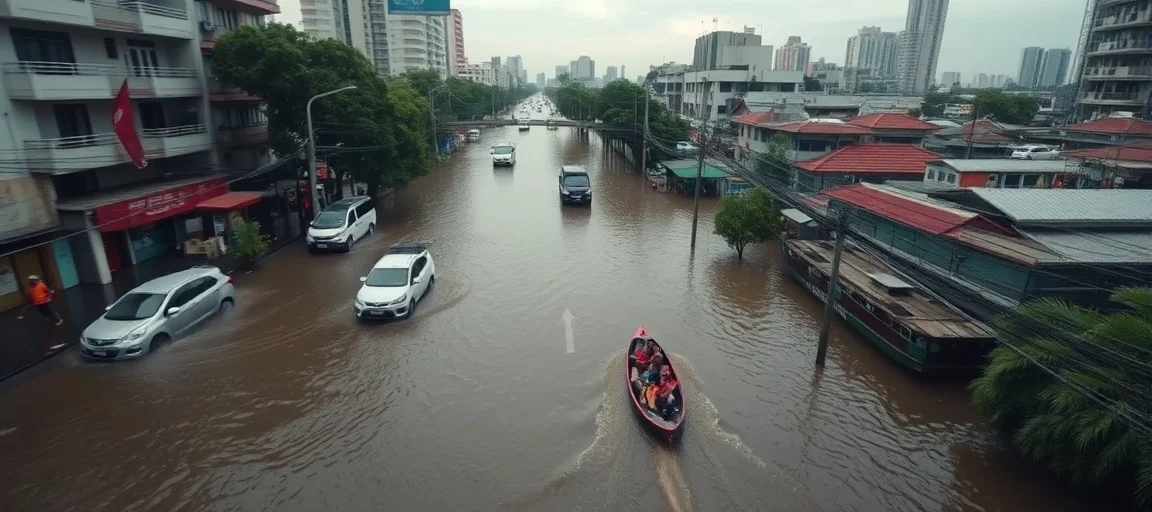
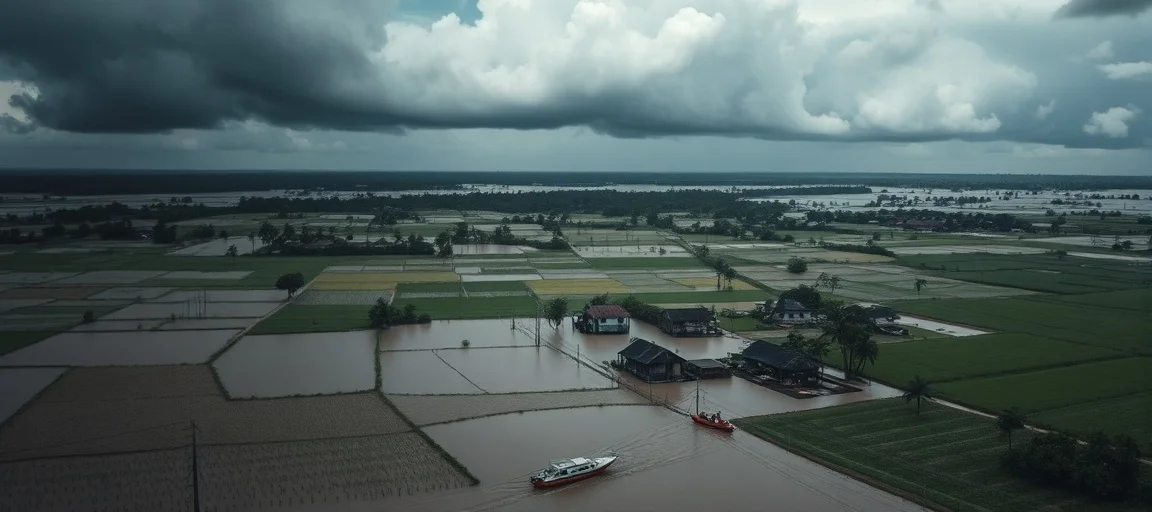
The lessons gathered here in New York are clear: the era of setting distant, vague targets has ended. The era of implementation, marked by regulatory compliance, infrastructure retrofitting, and the careful balancing of the AI-driven energy surge, has begun. The momentum generated by the week’s events suggests that while the path ahead is fraught with geopolitical and economic complexity, the coalition of actors—spanning from high-level government officials to grassroots youth activists—is more cohesive than ever before. This synergy is essential to navigate a world that is simultaneously tackling diverse challenges, from Thailand Faces Severe Flooding, 24 Provinces Under Alert to the complexities of the global energy transition.
The successful conclusion of these sessions provides a clear, actionable mandate for global leaders. By fostering innovation and maintaining a steadfast commitment to equity, the participants of this summit have ensured that the impact of their dialogue will be felt for decades.
Frequently Asked Questions
Q: What was the primary focus of Climate Week NYC 2026?
A: The event focused on the theme "Energy, Impact, and Action," aiming to move past initial commitments toward the practical implementation of climate solutions across global industries.
Q: How did the conference address the role of Artificial Intelligence?
A: AI was addressed as a "double-edged sword," recognizing its immense potential to drive sustainable innovation while simultaneously acknowledging the massive energy demands of modern data centers.
Q: What is the next major step following this summit?
A: The focus now shifts toward the upcoming COP31 climate talks in Türkiye and the CBD COP17 biodiversity conference, where countries will translate these dialogues into formal, legally-binding frameworks.
Further Reading & Resources
- Climate Week NYC Official Website
- Climate Group
- United Nations Sustainable Development Goals
- International Energy Agency (IEA)
The event highlighted the ongoing urgency of climate action, emphasizing that decisions made today on energy, industry, finance, and resilience will profoundly shape economic, climate, and geopolitical realities for years to come.