AI Data Centers Thrive Amidst Mideast Conflict: A Resilient Boom

The geopolitical landscape of the Middle East is often characterized by volatility and complex challenges. Yet, amidst these persistent regional tensions, a remarkable phenomenon is unfolding: AI data centers thrive amidst Mideast conflict, demonstrating an unexpected resilience and growth trajectory. This paradox highlights the region's strategic importance in the global digital economy, as nations pour billions into establishing advanced infrastructure essential for artificial intelligence, cloud computing, and digital transformation. The drive to diversify economies away from traditional hydrocarbons and into knowledge-based industries is fueling an unprecedented boom in high-tech investments, even as security concerns remain a significant backdrop.
- The Resilient Rise of AI Infrastructure in the Middle East
- Navigating Geopolitical Complexities: Why AI Data Centers Thrive Amidst Mideast Conflict
- Investment Flows and Global Partnerships
- Security and Sustainability in a Volatile Region
- The Future Outlook: Challenges and Opportunities
- Frequently Asked Questions
- Further Reading & Resources
The Resilient Rise of AI Infrastructure in the Middle East
The Middle East has emerged as a critical hub for digital infrastructure, with a particular focus on data centers designed to power artificial intelligence applications. These facilities are not merely server farms; they are the backbone of national digital agendas, supporting everything from smart cities and e-governance to advanced analytics and machine learning initiatives. Despite widespread perceptions of instability, the region has attracted substantial foreign direct investment (FDI) and local capital into its rapidly expanding data center market. This growth is largely driven by governments' ambitious visions for economic diversification and their commitment to becoming global leaders in the digital sphere. For instance, Saudi Arabia's Vision 2030 and the UAE's various digital strategies explicitly prioritize technology and innovation, creating a fertile ground for data center development across key urban and economic zones. These national strategies often include comprehensive plans for building hyperscale facilities that can handle the massive computational demands of modern AI models.
Economic Drivers and Strategic Imperatives
The surge in data center construction and investment across the Middle East is underpinned by several powerful economic and strategic drivers. One primary factor is the urgent need for economic diversification. Countries historically reliant on oil and gas revenues are actively seeking to build sustainable, knowledge-based economies. Digital infrastructure, particularly AI-ready data centers, is seen as a cornerstone of this transformation, enabling the development of new industries, fostering innovation, and attracting global tech talent and companies. This strategic shift is not just about adopting technology but becoming a significant player in its development and deployment.
Sovereign wealth funds (SWFs) play a pivotal role in this investment boom. Funds from Saudi Arabia, the UAE, and Qatar are deploying significant capital into domestic and international technology ventures, including large-scale data center projects. These investments are often part of broader national strategies to enhance digital sovereignty, ensure data residency, and improve the speed and reliability of digital services for citizens and businesses. The region's strategic location, bridging Europe, Asia, and Africa, further enhances its appeal as a data transit hub, making it an attractive proposition for hyperscalers and cloud providers looking to expand their global footprint and minimize latency for a vast user base.
Navigating Geopolitical Complexities: Why AI Data Centers Thrive Amidst Mideast Conflict
The remarkable expansion of AI data centers in the Middle East, even against a backdrop of geopolitical complexities, points to a nuanced reality. While regional conflicts and tensions are undeniable, investment in critical digital infrastructure often proceeds in areas deemed relatively stable or strategically important, often insulated from direct conflict zones. Investors and governments are demonstrating a sophisticated approach to risk management, distinguishing between localized conflicts and broader regional stability in key economic hubs. They understand that the long-term economic benefits and strategic advantages derived from a robust digital infrastructure outweigh the perceived short-term risks in carefully selected, secure locations.
The drive for digital self-reliance and the immense economic opportunities presented by AI are powerful motivators that often override perceived risks. Many investments are concentrated in countries that have maintained a degree of internal stability and have robust security frameworks, such as the UAE, Saudi Arabia, and Qatar. These nations are seen as secure havens for digital assets, offering advanced physical and cybersecurity protections for sensitive data and hardware. The long-term vision for a digital future often takes precedence over short-term geopolitical fluctuations, illustrating why AI data centers thrive amidst Mideast conflict. This commitment is also a statement of national ambition, positioning these countries as future-ready economies.
Regional Hubs Emerge Strong
Several regional players have distinguished themselves as leaders in attracting and developing AI data center infrastructure. The United Arab Emirates, particularly Dubai and Abu Dhabi, has consistently positioned itself as a global technology hub. Investments by entities like Gulf Data Hub and major international cloud providers have cemented its status, with significant projects aimed at hyperscale capacity. These projects often include specialized zones for AI development and data analytics, fostering an ecosystem for innovation. Saudi Arabia, under its Vision 2030, is aggressively pursuing large-scale digital transformation projects, including the development of NEOM, which envisions a high-tech, data-driven smart city from the ground up. The Kingdom has seen substantial investment from both state-backed funds and international companies keen to tap into its burgeoning digital economy, with a particular focus on localizing technology and creating job opportunities for its young population.
Qatar has also made considerable strides, leveraging its wealth and strategic location to build robust data center capabilities, often serving as a gateway for data traffic between continents. These countries are not just building facilities but are also investing in the necessary supporting infrastructure, such as high-speed fiber optic networks and submarine cables, to ensure seamless connectivity and data transfer. This strategic foresight ensures that the region is not merely a consumer of digital services but a producer and innovator.
Investment Flows and Global Partnerships
The Middle East's data center market is experiencing unprecedented investment flows, attracting billions of dollars from both domestic and international sources. Major global technology firms, recognizing the region's growth potential and strategic importance, are increasingly establishing their presence. Hyperscale cloud providers like Amazon Web Services, Microsoft Azure, and Google Cloud have either launched or significantly expanded their cloud regions in the Middle East, bringing their vast infrastructure and services closer to regional customers. This influx of global players not only brings capital but also expertise, advanced technologies, and a commitment to fostering local talent, often through partnerships with local universities and vocational training programs.
Domestic players, often backed by government funds or large conglomerates, are also making substantial investments. These include companies specializing in colocation, managed services, and digital infrastructure development. The synergy between international tech giants and local enterprises is creating a dynamic ecosystem that accelerates digital transformation and enhances the region's capacity to handle the immense computational demands of artificial intelligence, from training complex models to deploying real-time AI applications across various sectors.
Key Players and Their Strategies
A number of key players are driving the expansion of data centers in the Middle East. Global hyperscalers are adopting a strategy of establishing multiple availability zones within the region to ensure redundancy, low latency, and compliance with data residency regulations. For example, AWS has a region in Bahrain and the UAE, while Microsoft Azure has regions in the UAE and Qatar, each with multiple data centers. These deployments are crucial for enterprises requiring secure, scalable, and localized cloud services, especially those dealing with sensitive government data or financial transactions.
Local powerhouses, such as Etisalat (e&) and STC, are also heavily invested, building vast networks of data centers to support national digital initiatives and offer enterprise solutions. Their strategies often involve developing large-scale, carrier-neutral facilities that can host multiple tenants, including competing cloud providers and corporate clients, thereby creating a robust and interconnected digital landscape. This multi-faceted approach ensures a diverse and competitive market, fostering innovation and providing ample choices for businesses seeking data center solutions. These strategic investments are designed not just for present needs but also for future demand driven by emerging technologies like 5G, IoT, and advanced AI, securing the region's place in the global digital economy.
Security and Sustainability in a Volatile Region
The establishment of advanced data centers in the Middle East naturally raises critical questions about security and sustainability. Given the geopolitical context, robust physical and cybersecurity measures are paramount. Data centers in the region are often built with state-of-the-art security protocols, including multi-layered access controls, advanced surveillance systems, and stringent network security architectures designed to protect against sophisticated cyber threats from state-sponsored actors and criminal organizations alike. Governments and private operators are heavily investing in cybersecurity talent and technologies to safeguard these critical digital assets, viewing them as national strategic infrastructure.
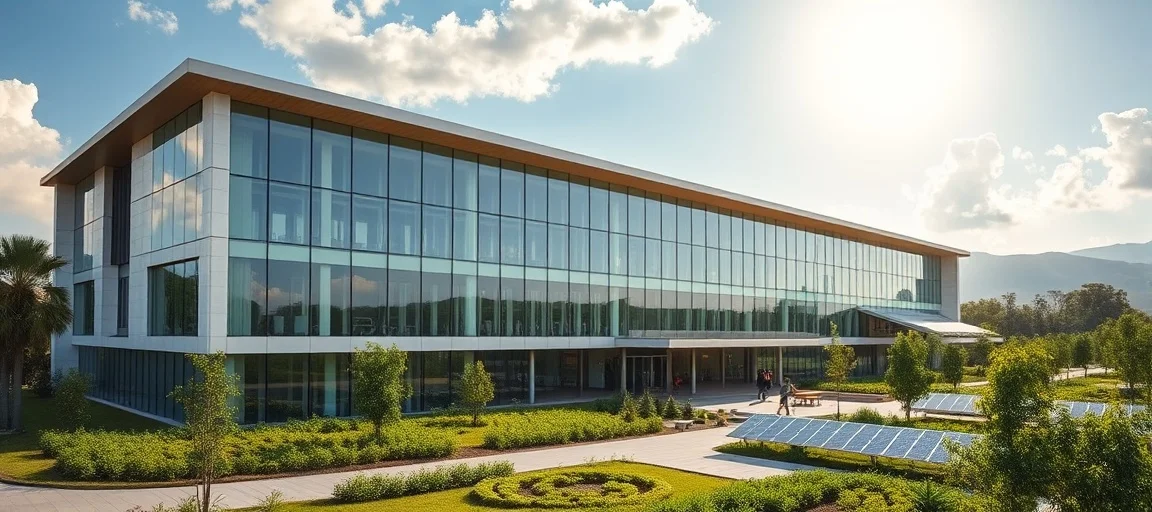
In addition to security, sustainability has become a growing concern, particularly given the energy-intensive nature of data centers and the region's climate. Operators are increasingly exploring and implementing green data center solutions, including the use of renewable energy sources, highly efficient cooling technologies, and optimized power management systems to reduce their environmental footprint. This commitment to sustainability not only addresses environmental concerns but also offers long-term operational cost savings and aligns with global corporate responsibility standards, enhancing the region's appeal for environmentally conscious investors.
Addressing Environmental Concerns
The arid climate and high temperatures of the Middle East present unique challenges for data center cooling, which is a major contributor to energy consumption. To mitigate this, developers are deploying innovative cooling technologies, such as evaporative cooling systems, adiabatic cooling, and liquid cooling solutions directly to servers, alongside advanced airflow management within server halls. Furthermore, there is a strong push towards integrating renewable energy into the power supply for data centers. Projects leveraging vast solar power farms are gaining traction, with some facilities aiming for near-100% renewable energy sourcing to reduce their carbon footprint and enhance energy independence. This focus on green technology is vital for the long-term viability and competitiveness of the region's digital infrastructure, moving towards a more sustainable and responsible technological future.
The Future Outlook: Challenges and Opportunities
The future for AI data centers in the Middle East appears bright, albeit with a recognition of ongoing challenges. Projections indicate continued robust growth in the data center market, driven by sustained government investment, increasing cloud adoption by businesses, and the relentless demand for AI computing power. The opportunities are immense, ranging from the development of specialized AI research hubs to the fostering of a vibrant startup ecosystem centered around digital innovation, attracting entrepreneurs and venture capital. The region's young, tech-savvy population also presents a significant asset, providing a growing pool of talent to support this expansion.
However, challenges remain. The ongoing need for a highly skilled workforce in specialized areas like AI engineering, data science, and cybersecurity is critical. While significant strides are being made in education and talent development through various national programs, bridging this skills gap will be crucial for sustained growth. Additionally, the evolving geopolitical landscape will continue to require careful navigation, though the demonstrated resilience of the data center sector suggests a degree of decoupling from immediate political tensions in specific investment zones. The ability to maintain stability and attract continuous investment will be key to realizing the full potential of the region's digital ambitions.
The flourishing of AI data centers amidst Mideast conflict underscores a powerful narrative of economic transformation and strategic foresight. Despite the complex geopolitical environment, the region is steadfastly building the digital foundations for a future powered by artificial intelligence. This resilience and commitment to digital advancement highlight the profound shift occurring across Middle Eastern economies, positioning them as significant players in the global tech landscape. The continued growth in this sector, even in challenging times, confirms that AI data centers thrive amidst Mideast conflict, cementing the region's role as an emerging digital powerhouse.
Frequently Asked Questions
Q: Why are AI data centers thriving in the Middle East despite conflicts?
A: The growth is primarily driven by ambitious national economic diversification strategies, significant government and sovereign wealth fund investments, and a strong commitment to digital transformation. Key economic hubs are often strategically chosen and insulated from direct conflict, boasting robust security measures and long-term digital visions that attract substantial infrastructure development.
Q: Which countries are leading the development of AI data center infrastructure in the region?
A: The United Arab Emirates (UAE), Saudi Arabia, and Qatar are at the forefront of this development. They are leveraging ambitious national visions like Saudi Vision 2030 and substantial investments to establish themselves as regional technology hubs, attracting global hyperscalers and developing extensive domestic digital capabilities.
Q: What role does sustainability play in Middle Eastern AI data center development?
A: Sustainability is an increasingly critical concern. Operators are actively implementing green solutions, which include innovative cooling technologies designed for arid climates and the integration of renewable energy sources such as solar power. This commitment addresses environmental concerns, helps reduce operational costs, and aligns with global corporate responsibility standards for long-term viability.