Critical Elections Rock West African Nation's Future
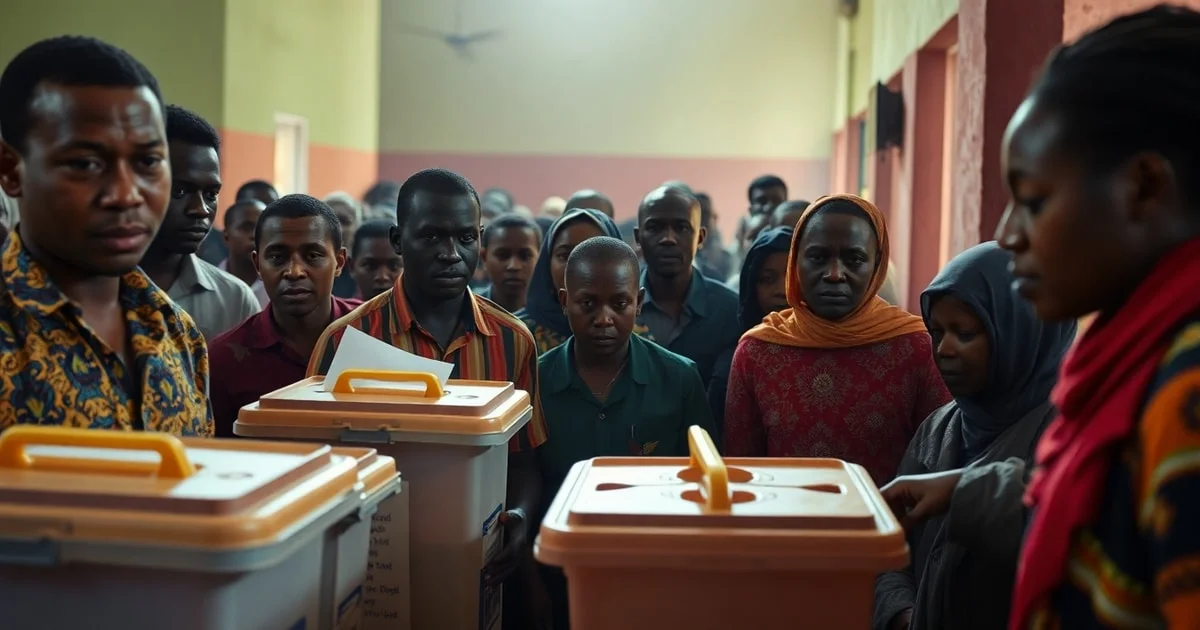
A pivotal moment has arrived in the heart of West Africa, as critical elections rock a prominent West African nation, poised to determine its future trajectory. Citizens are heading to the polls in unprecedented numbers, with the weight of expectation and the desire for stable governance palpable across the country. These elections are not merely a routine exercise in democracy; they represent a significant test for the nation's fragile institutions and could reshape its political landscape for decades to come.
The Stakes are High: Why These Critical Elections Rock West African Nation's Stability
The West African region has a complex political history, marked by periods of both democratic progress and significant setbacks, including military takeovers and election-related violence. While multiparty elections have become more routine over the past two decades, their conduct and outcomes often determine the trajectory of peace and stability. These critical elections in the fictional nation of Eldoria arrive at a time when the region faces numerous challenges, including the rise of violent extremism, economic precarity, and the lingering impacts of climate change. The outcomes in Eldoria are therefore being watched closely, not only by its own citizens but by regional and international bodies alike.
A Region in Flux: Historical Context of West African Elections
Historically, West Africa has seen a transition from autocratic regimes to more democratic systems, with many countries regularly holding multiparty elections. Successful transfers of power, as seen in nations like Senegal and Liberia, have contributed significantly to regional peace. However, this progress is not uniform. Several countries have experienced democratic backsliding, constitutional modifications to retain power, and military coups, highlighting the fragility of democratic institutions in some areas. The period from 2021 to 2022 alone saw a notable increase in military coups across the region. This historical backdrop underscores why Eldoria's elections are considered so critical—they serve as a litmus test for the enduring commitment to democratic principles in a volatile environment, as further explored in analyses of Challenges to West African Democracy.
The challenges to democracy in West Africa are multifaceted. They include persistent corruption, weak governance, and a lack of transparency in electoral processes. Economic hardship, limited access to education, and social tensions often exacerbate these issues, creating fertile ground for political manipulation and potential violence. In some instances, election-related violence has had serious implications for national and regional stability, as witnessed in past events in Côte d'Ivoire and Nigeria. The international community and regional organizations like ECOWAS (Economic Community of West African States) have often played a crucial role in promoting good governance and supporting electoral processes, though their effectiveness can be hampered by various factors, including resource limitations and the sovereignty concerns of member states. The long-term goal for many of these nations is not just to hold elections, but to foster genuine democratic consolidation where institutions are robust and rule of law is firmly established.
Key Details of Eldoria's Electoral Process
Eldoria's current elections involve a diverse array of political parties and independent candidates vying for power. The electoral commission has been under immense pressure to ensure a free, fair, and transparent process, a recurring challenge in the region. Voter registration efforts reportedly reached record numbers, reflecting a deep civic engagement despite potential anxieties about the political climate. The primary contenders include the incumbent party, promising continuity and stability, and a coalition of opposition parties advocating for systemic reforms and economic revitalization.
Candidate Profiles and Platforms
President Amara Kone (Incumbent National Unity Party - NUP):
Kone's campaign focuses on economic development, infrastructure projects, and maintaining regional security. His supporters point to several years of steady, albeit modest, economic growth under his tenure. His platform emphasizes national cohesion and stability as paramount, often citing the need for experienced leadership in uncertain times.
Dr. Fatima Diallo (Coalition for Democratic Renewal - CDR):
Diallo, a former academic and human rights activist, leads a broad coalition promising an end to corruption, judicial reform, and greater youth employment opportunities. Her campaign has energized a significant portion of the electorate, particularly younger voters and urban populations, who are eager for change and accountability. She advocates for a more inclusive political process and greater social equity.
General Moussa Traore (National Salvation Front - NSF):
A retired military general, Traore's campaign appeals to voters disillusioned with both traditional parties, promising a decisive approach to security challenges and a crackdown on crime. His rise in popularity highlights the pervasive security concerns across the nation and potentially the wider Sahel region, where strong leadership is often seen as a panacea for instability.
The campaign period was marked by intense debates over the nation's economic future, its approach to internal security, and the need for constitutional reforms. Dr. Diallo’s coalition, in particular, has pushed for electoral reforms aimed at strengthening democratic institutions and ensuring greater fairness in future polls, a common recommendation for improving governance in West Africa.
Logistical Challenges and Security Measures
Organizing elections in a nation with diverse geography and, in some regions, persistent security challenges, presents significant logistical hurdles. The Eldorian Electoral Commission has deployed ballot materials to remote areas, often under military escort, to ensure all eligible citizens have the opportunity to vote. International observers have highlighted that issues like logistical failures, lack of transparency, and the potential for voter fraud remain concerns in West African elections, underscoring the importance of Electoral Integrity in Developing Nations.
Security forces have been heavily mobilized to prevent election-related violence, a recurring threat in West African nations. There have been reports of isolated incidents, but overall, the security posture aims to reassure voters and safeguard the integrity of the process. The presence of both national and international observers is considered crucial for building confidence and validating the credibility of the elections. These observers monitor various aspects, from voter registration to ballot counting, and issue reports detailing their findings and recommendations, which often include calls for greater institutional capacity building and judicial independence.
Expert Opinions on Eldoria's Political Landscape
Political analysts and regional experts have offered varied perspectives on the potential outcomes and implications of Eldoria's elections. Many agree that the stakes are exceptionally high, with the nation's democratic future hanging in the balance.
Dr. Ngozi Okoro, Political Scientist specializing in West African Governance:
"Eldoria stands at a crossroads. The profound enthusiasm for these elections, particularly among the youth, demonstrates a strong desire for genuine democratic participation. However, the deep-seated issues of corruption and insecurity, coupled with a history of electoral irregularities, mean that the electoral commission and political leaders face immense pressure to deliver a credible process. Failure to do so could lead to significant unrest and further democratic erosion."
Dr. Okoro's observations echo broader concerns about the ability of West African nations to sustain democratic gains amidst various internal and external pressures. She emphasizes that while elections are a vital component of democracy, they alone are insufficient without robust institutions, adherence to the rule of law, and a responsive government that genuinely serves its citizens. This requires a sustained commitment to good governance beyond the election cycle.
Mr. Jean-Luc Dubois, Senior Analyst at the Institute for Regional Stability:
"The emergence of a strong military-aligned candidate like General Traore is a worrying sign, indicative of public frustration with perceived weak governance and persistent insecurity. While his platform resonates with a segment of the population desperate for order, it also carries the risk of undermining civilian rule and potentially leading to a more autocratic trajectory. The region has unfortunately seen a 'reversal of fortune' in some hinterland areas, becoming poorer and more insecure, which can fuel such sentiments and make populations more receptive to strongman rule."
Mr. Dubois highlights the delicate balance between security concerns and democratic consolidation. The presence of charismatic leaders or military figures can sometimes affect the development of inclusive political systems in the region. The economic challenges faced by many West African countries, including rising debt, high unemployment rates among youth, and the need for projects that protect livelihoods and foster sustainable development, further complicate political transitions. Addressing these underlying socio-economic grievances is crucial to prevent the erosion of public trust in democratic processes.
Impact and Regional Implications
The outcome of Eldoria's elections will undoubtedly have ripple effects across the West African sub-region and potentially beyond. As a significant nation, its political stability is intertwined with the broader security and economic landscape of its neighbors.
Regional Stability and Security
A peaceful and credible election in Eldoria could serve as a powerful affirmation of democratic principles in a region that has recently grappled with a "democratic retreat" and a series of coups. It could inspire other nations to double down on their commitments to transparent governance and the rule of law. Conversely, a contested or violent election could destabilize Eldoria, creating a vacuum that extremist groups might exploit and potentially leading to an influx of refugees or a regional security crisis. The spread of insecurity from the Sahel into coastal West Africa is an ongoing concern, demonstrating the transnational nature of these challenges and highlighting the importance of regional solidarity. Analyses of The Rise and Fall of Democracy in Sahel often connect such local events to broader regional trends.
Regional bodies like ECOWAS, which have expanded their mandate to include democratic facilitation and conflict resolution, would likely be heavily involved in the aftermath, irrespective of the outcome. Their swift and decisive response to any post-election disputes or instability would be critical in either reinforcing or undermining regional norms of democratic governance. International partners, including the African Union and various UN agencies, also play a vital role in providing technical assistance, humanitarian aid, and diplomatic pressure to uphold electoral integrity and promote peaceful transitions.
Economic Repercussions
Eldoria's economic trajectory is closely tied to its political stability. A smooth transition of power and a government perceived as legitimate could boost investor confidence, encourage foreign direct investment, and unlock crucial development aid. This could contribute to sustained economic growth, which is vital for poverty reduction, improving living standards, and creating much-needed jobs for a young, growing population. Economic development is often seen as a fundamental factor that can help sustain democracy, as it alleviates social tensions and allows citizens to focus on civic engagement rather than just survival.
However, political instability or prolonged disputes following the election could deter investment, disrupt trade, and further strain public finances. This would exacerbate existing economic woes, such as high inflation, food insecurity, and unemployment, potentially leading to widespread social unrest and a downward spiral that impacts not only Eldoria but also its trading partners and the wider regional economy. Effective governance post-election will need to prioritize equitable economic policies, investment in human capital, and diversification of the economy to build resilience against external shocks and ensure long-term prosperity. Addressing economic inequalities and creating opportunities, particularly for the youth, are considered vital for long-term stability and democratic consolidation.
Frequently Asked Questions
Q: Why are these elections considered critical for the West African nation of Eldoria?
A: These elections are critical because they test Eldoria's democratic institutions amidst regional instability, economic challenges, and the rise of extremism. Their outcome could redefine the nation's political landscape and regional influence for decades to come, impacting peace and stability across West Africa.
Q: Who are the main candidates vying for power in Eldoria's elections?
A: The primary contenders are the incumbent, President Amara Kone, who emphasizes stability; Dr. Fatima Diallo, leading an opposition coalition advocating for reforms and accountability; and General Moussa Traore, a retired military figure focused on security and order.
Q: What are the potential regional implications of Eldoria's election outcome?
A: A peaceful and credible election could affirm democratic principles in West Africa, inspiring stability in the region. Conversely, a contested or violent outcome risks destabilizing Eldoria, potentially fueling extremism, refugee flows, and broader regional security crises for its neighbors.
Further Reading & Resources
- UN News: Challenges to democracy compound instability in West Africa
- Brookings Institution: Elections and the state of democracy in Africa
- Chatham House: Democracy in West Africa: Why Senegal's election crisis matters
- World Bank: The Challenge of Stability and Security in West Africa
Conclusion
The ongoing critical elections rock West African nation Eldoria, marking a defining moment for its democratic journey and regional standing. The electorate has demonstrated a powerful desire for change and stable governance, yet the path forward is fraught with challenges, from ensuring electoral integrity to addressing deep-seated socio-economic issues and security threats. The international community, alongside regional bodies like ECOWAS, stands ready to observe and, if necessary, support the post-election transition, recognizing that Eldoria's stability has far-reaching implications. The success of these elections in producing a legitimate and accepted outcome will be a crucial step in strengthening Eldoria's democratic institutions and fostering peace and prosperity in a vital part of the African continent.