South America Battles Record Heatwave: A Looming Climate Crisis
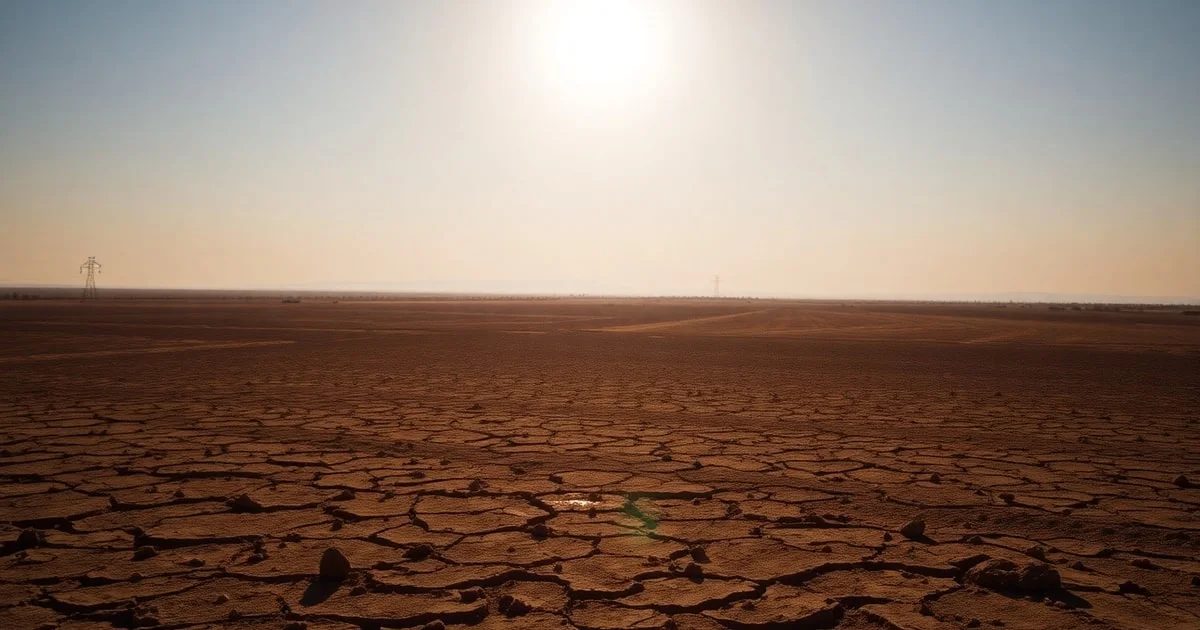
South America is unequivocally battling a record heatwave, enduring a series of unprecedented extreme temperatures sweeping across the continent. This severe event is escalating concerns about the intensifying climate crisis, where the South America Battles Record Heatwave phenomenon is becoming a dire new reality for millions. From parched landscapes to raging wildfires, the impacts are deeply felt, putting immense pressure on ecosystems and infrastructure. This prolonged and severe weather pattern underscores the urgent need for robust climate adaptation strategies to protect vulnerable populations and natural environments from these recurring, record-setting heat events. The continent has seen temperatures soar far above historical averages, with some areas experiencing extreme highs that challenge human endurance and ecological resilience.
- Understanding the Unprecedented Heat: A Regional Overview
- The Escalating Frequency and Intensity of Heatwaves
- Devastating Impacts on Human Health
- Economic Strain and Agricultural Losses
- Ecological Catastrophe: Droughts and Wildfires
- Governmental Responses and Mitigation Efforts
- Long-Term Projections and the Path Forward
- Frequently Asked Questions
- Conclusion
- Further Reading & Resources
Understanding the Unprecedented Heat: A Regional Overview
The early months of 2026 have ushered in a period of alarming climate extremes across the Southern Hemisphere, including South America, where record heat and devastating wildfires have become a stark reality. This surge in temperatures is not merely an isolated incident but part of a discernible trend of accelerated global warming, particularly pronounced in areas like the Andean region, where temperatures are rising faster than the global average. For instance, in January 2026, a significant heat dome led to catastrophic wildfires in parts of Argentina's Patagonia and claimed 21 lives in coastal towns of Chile. Earlier in December 2025, an intense marine heatwave began off the coast of Chile and Peru, with sea surface temperature anomalies exceeding 3°C, influencing mid-summer climate patterns across the continent.
Throughout 2025, Latin America and the Caribbean experienced record-breaking heat, with Mexico setting a national record of 52.7 °C in Mexicali and many areas enduring heatwaves exceeding 40 °C–45 °C. Brazil and Paraguay also recorded temperatures above 44°C. This followed a challenging 2024, which was recorded as the hottest year on the planet, with a global average temperature 1.55 °C above pre-industrial levels, leading to increased mortality and substantial economic losses due to heatwaves, wildfires, and floods. The World Meteorological Organization (WMO) highlighted that the period from 1991 to 2025 showed the strongest warming trend since records began, with temperatures rising approximately 0.26°C per decade across South America.
The Escalating Frequency and Intensity of Heatwaves
Recent studies paint a sobering picture of increasing heatwave frequency and intensity across South America. For example, a study published in April 2024 revealed that the continent, particularly its north-central region, experienced more heatwaves in 2023 than any other area on Earth. Some regions endured between 110 and 150 days of heatwave exposure, more than three times the yearly average observed between 1990 and 2020. In Brazil alone, cities like Cuiabá and São Paulo saw 14 and 15 heatwaves respectively in 2023, surpassing their annual averages. Even more striking were cities in Argentina, Paraguay, and Bolivia, which recorded at least 23 heatwave events in 2023.
These events are not merely "hot days" but prolonged episodes of extremely high temperatures, often accompanied by droughts, exacerbating their impact. The unseasonal nature of some of these events is particularly concerning. In late winter and early spring of 2023, temperatures in central South America exceeded 40°C, a phenomenon that scientists found to be at least 100 times more likely due to human-caused climate change. This unseasonal warmth disrupted typical weather patterns, impacting snowpack in the Andes, which is crucial for water supplies.
Devastating Impacts on Human Health
The relentless heatwaves are posing a severe and growing public health crisis across South America. The World Meteorological Organization estimated approximately 13,000 heat-attributable deaths annually across 17 countries in Latin America between 2012 and 2021. This figure represents a staggering increase of about 103% compared to the period from 1990 to 1999. Vulnerable populations, including newborns, the elderly, and those with pre-existing health conditions or low incomes, bear the brunt of these impacts. Exposure to extreme heat significantly increases the risk of death from various causes, notably cardiovascular, cerebrovascular, and respiratory conditions.
Beyond immediate fatalities, extreme heat contributes to a range of health issues, including dehydration, heat cramps, heat strokes, and increased mental illnesses. It can also exacerbate renal and cardio-pulmonary diseases. The lack of routine publication of cause-specific heat mortality data by many countries in the region suggests that the actual toll could be a "significant underestimate." Urban areas, where over 80% of Latin America's population resides, are particularly vulnerable, as dense neighborhoods, concrete infrastructure, and inadequate housing amplify heat retention.
Economic Strain and Agricultural Losses
The economic consequences of South America battling record heatwaves are substantial and far-reaching. Extreme heat has a statistically significant negative effect on economic growth in Latin America, with the magnitude of this impact increasing with the intensity and duration of the heat. Losses in heat-related productivity in 2024 totaled an estimated $52 billion, a 12.6% increase from 2023, disproportionately affecting the agricultural and construction sectors.
Agriculture, a vital component of many South American economies, is particularly susceptible. Implementing sustainable agricultural practices becomes crucial as long droughts and higher temperatures adversely affect crop growth, yield, and nutritional content for staples like wheat, rice, maize, and soybeans, leading to reduced output and impacting both exports and domestic consumption. Countries like Argentina and Brazil have already faced significant agricultural losses. For example, Argentina could see a 65% increase in agricultural drought frequency by 2050, with heatwaves lasting 60 times longer than historical averages, threatening its food production which accounts for over 4% of its GDP. Rising food insecurity, exacerbated by extreme climate events, is a growing concern.
Beyond agriculture, urban infrastructure also suffers. Power grids fail under surging cooling demand, public transport systems overheat, and schools are forced to shorten hours or close during peak heat, leading to significant economic disruptions. Without urgent action, urban GDP losses in Latin America and the Caribbean could exceed 5% between 2040 and 2050.
Ecological Catastrophe: Droughts and Wildfires
The persistent heatwaves are inextricably linked with severe drought conditions and a heightened risk of wildfires, pushing South American ecosystems to their breaking point. Droughts have particularly affected the Amazon and La Plata basins, with rivers like the Negro and Paraguay reaching alarmingly low levels in 2024. These prolonged periods of water scarcity stress vegetation, reduce water reservoirs, and have widespread impacts on natural ecosystems.
Wildfires, fueled by drought and extreme heat, have become more frequent and intense, ravaging vast tracts of land. In early 2026, catastrophic wildfires gripped parts of Argentina's Patagonia and killed 21 people in Chile. In 2024, wildfires in the Amazon and Pantanal regions, as well as central Chile, broke records and led to over 130 deaths in Chile alone, making it the country's worst disaster since the 2010 earthquake. The exposure to "very high" or "extremely high" wildfire danger increased in nine out of twelve South American countries analyzed, with Argentina and Chile facing the highest risk. This ecological destruction not only devastates biodiversity but also releases massive amounts of carbon dioxide, further accelerating climate change.
Governmental Responses and Mitigation Efforts
In the face of these escalating climate threats, governmental responses and mitigation efforts are slowly taking shape, but significant gaps remain. The WMO report from May 2026 emphasized the pressing need to embed climate intelligence into health planning and emergency preparedness, integrating meteorological early warnings with public health triggers. Heat Action Plans, emphasizing effective early warning systems and early action, alongside awareness campaigns and supportive public services, are crucial for reducing morbidity and mortality. However, many South American countries still lack comprehensive heat action plans or robust early warning systems.
A Lancet Countdown report revealed that between 2012 and 2021, only ten out of seventeen countries in the Latin American region reported active cooperation between meteorological and health services, and only Argentina had fully integrated systems to monitor climate-related diseases. Furthermore, in 2024, only 41.2% of countries in the region had publicly declared completing a Vulnerability and Adaptation Assessment since 2020, and only nine countries (53%) had developed a National Health Adaptation Plan.
International collaborations and initiatives are also vital. Scientists from Brazil, Argentina, the Netherlands, the United States, and the United Kingdom have collaborated to assess the extent to which human-induced climate change influences extreme heat events in South America. There is growing recognition that proactive measures, such as investments in resilience-building infrastructure and promoting renewable energy sources, are essential. Initiatives like Medellín's Green Corridors, which reduces urban heat through landscaping while creating jobs, offer a model for integrating climate action with economic development. However, the sheer scale of the continent and the diverse socio-economic conditions demand significant political will, substantial financial investment, and coordinated regional strategies to implement these solutions effectively and equitably.
Long-Term Projections and the Path Forward
The scientific consensus is clear: without aggressive global action to reduce greenhouse gas emissions, heat events in South America will become even more common and hotter. Projections indicate that if global mean temperatures rise by 2°C above pre-industrial levels, heat events like those recently experienced would be approximately five times more likely and 1.1 to 1.6°C hotter than today. Some climate models project devastating and semi-permanent droughts for the Amazon and central South America if emissions continue at their current pace.
The Intergovernmental Panel on Climate Change (IPCC) indicates that by the end of the century (2080–2099), South America could experience annual mean temperature increases ranging from 2.8 to over 5.0 °C under high-emission scenarios, with the strongest warming expected in tropical regions and the Andes. These amplified warming trends will have profound impacts on agriculture, infrastructure, public health, and daily life across the continent.
Combating the intensifying "South America Battles Record Heatwave" phenomenon requires a multi-faceted approach. This includes:
- Strengthening Early Warning Systems: Enhancing meteorological forecasting and integrating it with public health alerts to enable timely responses.
- Investing in Resilient Infrastructure: Developing urban areas with green spaces, better insulation, and sustainable cooling solutions to mitigate the urban heat island effect.
- Protecting Vulnerable Populations: Implementing targeted social protection systems, providing access to cooling centers, and improving healthcare accessibility for at-risk groups.
- Sustainable Land Management: Implementing measures to prevent deforestation, combat desertification, and manage water resources more efficiently to reduce drought and wildfire risks.
- Global Emission Reduction: The most critical long-term solution remains a global commitment to significantly reduce greenhouse gas emissions in line with the Paris Agreement targets.
Frequently Asked Questions
Q: What is causing the record heatwaves in South America?
A: The record heatwaves in South America are primarily driven by human-caused climate change, leading to a discernible trend of accelerated warming. This makes extreme heat events significantly more frequent and intense than historical averages. Natural climate phenomena like El Niño can also exacerbate these conditions.
Q: What are the main health impacts of these heatwaves?
A: The health impacts are severe, ranging from immediate fatalities due to heatstroke and cardiovascular issues to increased dehydration, mental health problems, and exacerbation of pre-existing conditions. Vulnerable populations like the elderly, newborns, and those with low incomes are particularly at risk.
Q: How are South American economies affected by extreme heat?
A: Extreme heat negatively impacts economic growth, particularly in the agricultural and construction sectors through productivity losses. It reduces crop yields, strains urban infrastructure, leads to power outages, and disrupts public services, causing significant economic disruptions and losses.
Conclusion
The ongoing crisis where South America Battles Record Heatwave is a stark reminder of the accelerating impacts of climate change on a vulnerable continent. The confluence of extreme temperatures, prolonged droughts, and devastating wildfires presents an existential threat to human health, economic stability, and ecological balance. While the scale of the challenge is immense, the scientific understanding and technological capabilities to address it exist. Concerted efforts at local, national, and international levels, focused on both immediate adaptation and long-term mitigation, are paramount. The future resilience of South America hinges on a rapid and decisive transition towards a sustainable, climate-resilient paradigm, ensuring that this beautiful and vital region can thrive amidst a changing world.
Further Reading & Resources
- WMO: State of the Climate in Latin America and the Caribbean 2023
- UN News: South America sweltering under ‘unprecedented’ heatwave, UN warns
- World Weather Attribution: Human-caused climate change made extreme humid heat in Brazil and South-America 100 times more likely
- IPCC Regional Fact Sheet - South America
- Reuters: South America swelters in extreme heatwave