Caribbean: New Drug Route to Europe Emerges, Challenging Global Security
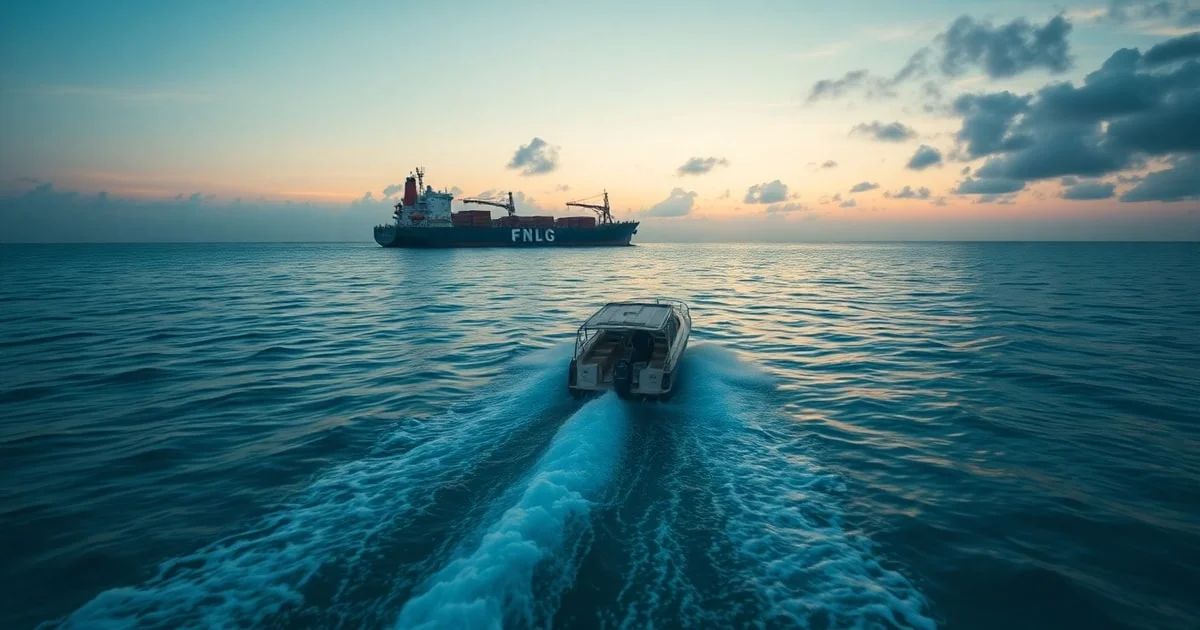
The Caribbean has decisively emerged as a critical new drug route to Europe, fundamentally challenging global security and transforming illicit trafficking patterns across the Atlantic. The tranquil turquoise waters and sun-drenched shores of the Caribbean, long a beacon for tourists, are increasingly becoming a critical transit point for illicit narcotics, signaling a significant shift in global drug trafficking patterns. This alarming development has seen the region solidify its role as a key staging ground for shipments of cocaine from South America, destined for the lucrative European market. The emergence of the Caribbean: New Drug Route to Europe presents profound challenges for international law enforcement, security agencies, and the socio-economic stability of the islands themselves. This evolving criminal landscape demands a comprehensive understanding of its origins, methods, and far-reaching implications for both the Caribbean and European continents.
- Background: The Evolving Landscape of Transatlantic Trafficking
- The Caribbean: A Pivotal Hub in the New Drug Route to Europe
- The Role of Organized Crime and Narco-States
- Impact on Europe: Rising Availability and Social Costs
- International Response and Counter-Narcotics Efforts
- Conclusion: Addressing the New Drug Route from the Caribbean to Europe
- Frequently Asked Questions
- Further Reading & Resources
Background: The Evolving Landscape of Transatlantic Trafficking
Historically, the primary flow of cocaine from South America targeted the North American market, largely via Central America and Mexico. However, over the past decade, a discernible shift has occurred, with traffickers increasingly diversifying their routes and targets. This evolution is driven by a complex interplay of factors, including intensified interdiction efforts along traditional U.S.-bound corridors, shifting demand dynamics, and the pursuit of higher profit margins in alternative markets. The Caribbean, strategically positioned between cocaine-producing nations and European consumer markets, has re-emerged as a vital nexus in this illicit trade.
This resurgence of the Caribbean route is not entirely unprecedented, as the region played a significant role in drug transit during the 1980s. However, the current phenomenon is marked by new levels of sophistication in trafficking operations and an expanded network of criminal organizations. The pressure exerted by law enforcement in the Pacific and Central American corridors has effectively "pushed" illicit flows eastward, directly impacting the vulnerable island nations of the Caribbean.
The Caribbean: A Pivotal Hub in the New Drug Route to Europe
The geographical attributes of the Caribbean make it an ideal transit zone for drug traffickers. Comprising numerous islands, vast maritime spaces, and often porous borders, the region offers countless secluded coves and hidden airstrips that facilitate clandestine operations. These physical characteristics, combined with varying levels of law enforcement capacity across different jurisdictions, create a complex environment that organized crime exploits with efficiency. The primary keyword, "Caribbean: New Drug Route to Europe," aptly describes this crucial development.
Why the Shift to Europe? Market Dynamics and Demand
The increasing focus on Europe as a destination market is underpinned by several strategic considerations for drug trafficking organizations. Firstly, the European market for cocaine has seen sustained growth, with demand and purity levels remaining high. This steady demand translates into substantial profits for traffickers, often exceeding those attainable in the more saturated North American market. Europol and the European Monitoring Centre for Drugs and Drug Addiction (EMCDDA) have repeatedly highlighted the expanding and increasingly violent European cocaine market.
Secondly, profit margins can be significantly higher in Europe due to pricing differentials. A kilogram of cocaine can fetch substantially more on the streets of major European cities compared to its price in the United States, providing a powerful economic incentive for traffickers. Lastly, while European law enforcement agencies are robust, the sheer volume of maritime traffic across the Atlantic and the diverse entry points across the continent present unique challenges for comprehensive interdiction, potentially offering traffickers a perceived lower risk of seizure compared to the well-patrolled U.S. borders.
Modus Operandi: How Drugs Move from the Caribbean to Europe
The methods employed by drug trafficking organizations to move cocaine from the Caribbean to Europe are diverse and constantly evolving, demonstrating a high degree of adaptability and innovation. These operations leverage both traditional and sophisticated techniques.
Maritime Transport:
- Go-fast Boats: These high-speed vessels are frequently used for initial transshipment from South America to Caribbean islands. They are agile and difficult to detect, often operating under the cover of darkness.
- Cargo Vessels: A significant volume of cocaine is concealed within legitimate commercial cargo on container ships. This method relies on corrupt port officials, sophisticated concealment techniques, and the sheer volume of global trade to evade detection. Drugs are hidden in legitimate goods, within the structure of containers, or even welded into the ship's hull.
- Fishing Boats: Small fishing vessels, often indistinguishable from legitimate operations, are utilized for transporting smaller quantities or for transferring drugs to larger vessels on the open sea.
- Submersibles and Semi-submersibles: While less common for transatlantic routes directly from the Caribbean, these stealthy craft are increasingly used to bring drugs to collection points within the region, where they are then transferred to Europe-bound conveyances.
Air Transport:
- Private Aircraft: Smaller planes can transport significant quantities of drugs directly from South America to clandestine airstrips on Caribbean islands, bypassing more heavily monitored routes.
- Commercial Flights and Couriers (Mules): Though typically carrying smaller amounts, human couriers swallow pellets or carry drugs hidden in luggage on commercial flights, taking advantage of direct flight connections from Caribbean hubs to European cities.
Logistics and Transshipment:
The Caribbean islands serve as crucial transshipment points. Cocaine often arrives from Venezuela or Colombia, is offloaded onto smaller boats, stored temporarily on various islands, and then reloaded onto larger vessels or aircraft for the transatlantic journey. Dominican Republic, Haiti, Jamaica, and various Lesser Antilles nations are frequently cited as key nodes in this complex logistical chain. Criminal networks exploit local vulnerabilities, including limited coastal patrols, corruption, and economic hardship, to establish their operational bases.
The Role of Organized Crime and Narco-States
The success of the new Caribbean drug route to Europe relies heavily on the intricate web of organized criminal groups. South American cartels, particularly from Colombia and Venezuela, collaborate with local Caribbean gangs and increasingly with European organized crime syndicates. This international cooperation allows for seamless operations across continents, from sourcing and processing in South America to distribution in Europe.
- Colombian and Venezuelan Cartels: These groups are responsible for the production and initial transportation of cocaine to the Caribbean. Their vast resources and established networks are critical to the supply chain.
- Caribbean Gangs: Local criminal groups play a vital role in storage, protection, and further transshipment within the islands. They often provide logistical support, access to local infrastructure, and a degree of anonymity.
- European Organized Crime: Groups from countries such as Italy, the Netherlands, and Albania are increasingly involved in the direct acquisition of cocaine in South America or the Caribbean, controlling the transatlantic passage and the ultimate distribution within Europe. This direct involvement signifies a growing vertical integration of the supply chain by European criminal entities.
The presence of corruption within some state structures in the region further exacerbates the problem, enabling traffickers to operate with impunity. The concept of "narco-states" or areas significantly influenced by drug money undermines governance, security, and the rule of law, making effective counter-narcotics efforts immensely challenging.
Impact on Europe: Rising Availability and Social Costs
The successful establishment of the Caribbean as a new drug route to Europe has tangible and severe consequences across the European continent. The most immediate impact is the increased availability of cocaine in European cities, leading to a surge in consumption and related social problems.
- Increased Drug Seizures: European customs and law enforcement agencies are reporting record seizures of cocaine, particularly in major port cities such as Antwerp, Rotterdam, and Hamburg. This indicates both increased trafficking activity and enhanced interdiction efforts, but also reflects the sheer volume of drugs now entering the continent.
- Public Health Implications: A greater supply of cocaine often leads to increased usage, which in turn places significant strain on public health services. Drug-related addictions, overdoses, and associated health issues become more prevalent, impacting individuals, families, and communities.
- Funding for Other Criminal Activities: The immense profits generated by cocaine trafficking are often reinvested by organized crime groups into a wide array of other illicit activities, including human trafficking, arms smuggling, cybercrime, and terrorism. This diversification of criminal enterprises poses a broader threat to national and international security.
- Increased Violence and Instability: Competition for control over lucrative drug routes and distribution networks can lead to increased violence within and between criminal organizations in Europe. This violence can spill over into communities, undermining public safety and fostering a climate of fear. The involvement of European gangs in drug trafficking has been linked to a rise in violent incidents in several countries.
- Corruption and Undermining Institutions: The vast sums of money involved in drug trafficking create a strong incentive for corruption, threatening to infiltrate and undermine legitimate institutions, from law enforcement to political structures, within European nations.
International Response and Counter-Narcotics Efforts
Recognizing the gravity of the evolving threat, international cooperation has intensified to combat the Caribbean's role as a primary drug transit zone to Europe. Efforts span multiple agencies and governments, focusing on intelligence sharing, operational collaboration, and capacity building.
- Intelligence Sharing: Agencies like Europol, the U.S. Drug Enforcement Administration (DEA), and various national intelligence services are enhancing information exchange to track trafficking patterns, identify key players, and anticipate new routes. The Caribbean Intelligence Fusion Centre (CIFC) plays a crucial role in regional intelligence coordination.
- Joint Operations: Coordinated maritime and aerial interdiction operations involving naval and air assets from the U.S., UK, France, and the Netherlands, alongside Caribbean partner nations, aim to disrupt drug shipments at sea. These operations often target specific known routes and suspicious vessels.
- Capacity Building: Significant resources are being invested in strengthening the law enforcement and judicial capacities of Caribbean nations. This includes training for police and customs officials, providing equipment (patrol boats, surveillance technology), and assisting in legislative reforms to better prosecute drug-related crimes and combat money laundering. The United Nations Office on Drugs and Crime (UNODC) is a key partner in these initiatives.
Obstacles to Effective Interdiction
Despite robust international efforts, significant challenges persist in effectively interdicting the flow of drugs through the Caribbean to Europe:
- Vastness of the Area: The Caribbean Sea is an enormous expanse, making comprehensive surveillance and patrol logistically daunting and resource-intensive. Identifying and tracking small, fast-moving vessels or expertly concealed cargo on large ships requires continuous, extensive resources.
- Resource Limitations: Many Caribbean nations have limited financial and technical resources to effectively police their extensive coastlines and maritime territories, making them vulnerable to exploitation by well-funded criminal organizations.
- Sophistication of Trafficking Networks: Criminal groups are highly adaptable, quickly changing routes, methods, and communication technologies to evade detection. They leverage global logistics, legitimate businesses, and advanced encryption to maintain operational security.
- Corruption: The insidious influence of drug money can corrupt officials at various levels, compromising law enforcement efforts and intelligence operations.
Conclusion: Addressing the New Drug Route from the Caribbean to Europe
The transformation of the Caribbean into a pivotal new drug route to Europe represents a complex and evolving challenge that demands sustained, multi-faceted international cooperation. From the source countries in South America, through the vulnerable island nations of the Caribbean, to the consumer markets of Europe, the illicit trade in narcotics fuels organized crime, undermines governance, and poses significant public health and security risks. Addressing this phenomenon requires not only robust interdiction efforts and intelligence sharing but also long-term strategies focused on strengthening governance, fostering economic resilience in transit countries, and tackling demand in consumer nations. The continued vigilance and collaborative action of the global community are essential to disrupt this illicit pipeline and mitigate the far-reaching consequences of the Caribbean: New Drug Route to Europe.
Frequently Asked Questions
Q: Why has the Caribbean become a new drug route to Europe?
A: The Caribbean has emerged as a new drug route due to increased interdiction efforts on traditional U.S.-bound routes, high demand and profit margins in the European market, and the region's geographical characteristics (numerous islands, porous borders) which facilitate clandestine operations.
Q: What methods do traffickers use to move drugs from the Caribbean to Europe?
A: Traffickers use diverse methods, including high-speed go-fast boats, legitimate cargo vessels with hidden compartments, fishing boats, and occasionally private aircraft or human couriers on commercial flights. Islands serve as crucial transshipment points.
Q: What are the main impacts of this new route on Europe?
A: Europe faces increased availability of cocaine, a surge in consumption, strain on public health services, funding for other criminal activities, and a rise in violence related to competition among organized crime groups controlling distribution networks.