Kenya Protests US Ebola Quarantine Facility Plan Sparks Outcry
The ongoing Kenya Protests US Ebola Quarantine Facility movement has escalated rapidly as the controversial plan continues to spark massive public outcry across East Africa. In recent days, Kenya has been gripped by widespread protests following the controversial plan for a US-funded Ebola quarantine facility at the Laikipia Air Base in Nanyuki. This development has sparked significant public outcry, raising profound concerns among citizens and legal bodies regarding national sovereignty, public health, and transparency. Despite court orders to halt construction and operations, reports indicate that equipment and personnel continue to arrive, intensifying the standoff between the Kenyan government, its citizens, and the United States.
- The Genesis of the Controversy: A Proposed US-Funded Facility
- Public Outcry: Why Kenya Protests US Ebola Quarantine Facility Plans
- Legal Battle and Continued Operations
- Understanding Ebola: The Disease and Containment Protocols
- Geopolitical Implications and Regional Stability
- The Path Forward: Dialogue, Transparency, and Resolution
- Conclusion: Resolving the Kenya Protests US Ebola Quarantine Facility Standoff
- Frequently Asked Questions
- Further Reading & Resources
The Genesis of the Controversy: A Proposed US-Funded Facility
The contentious proposal involves the establishment of a 50-bed Ebola quarantine facility at the Laikipia Air Base, approximately 200 kilometers north of Nairobi. This facility is primarily intended to host Americans who may have been exposed to the Ebola virus, particularly those from the ongoing outbreaks in the Democratic Republic of Congo (DRC) and Uganda. The United States has pledged $13.5 million to support Kenya's Ebola preparedness efforts, framing the initiative as part of a broader health partnership and regional containment strategy.
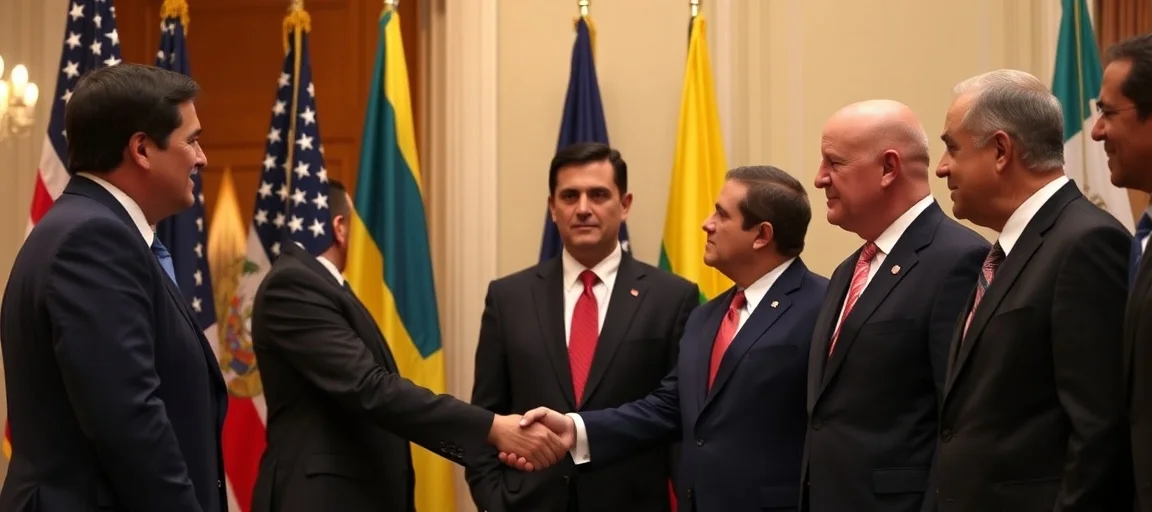
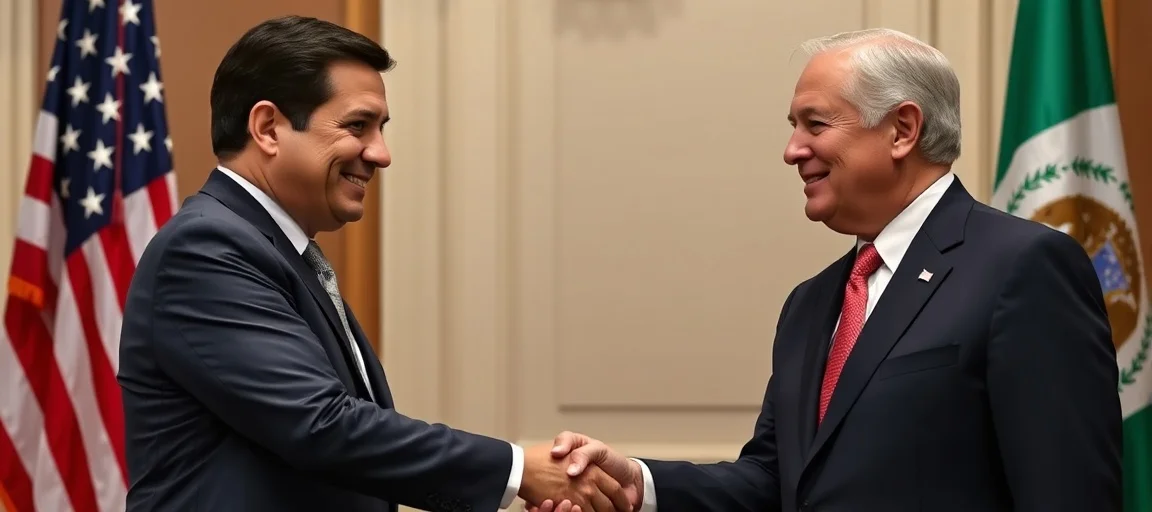
The agreement to host the facility was reportedly approved by Kenyan President William Ruto, who publicly defended the decision by citing a long-standing health partnership with Washington, spanning "30-40 years." President Ruto stated that he gave the "OK" when former President Trump asked Kenya for support, asserting that the facility would serve both Kenyans and foreign nationals. However, anonymous US officials previously indicated the center would prioritize US citizens, creating a significant point of contention and confusion.
The location of the facility at Laikipia Air Base has also drawn scrutiny. Laikipia County is already a sensitive area, hosting various international military training operations, including the British Army Training Unit Kenya (BATUK). Introducing a high-consequence pathogen isolation facility into this multi-use military and civilian landscape has heightened domestic anxieties about safety protocols, potential leaks, and local vulnerability.
Public Outcry: Why Kenya Protests US Ebola Quarantine Facility Plans
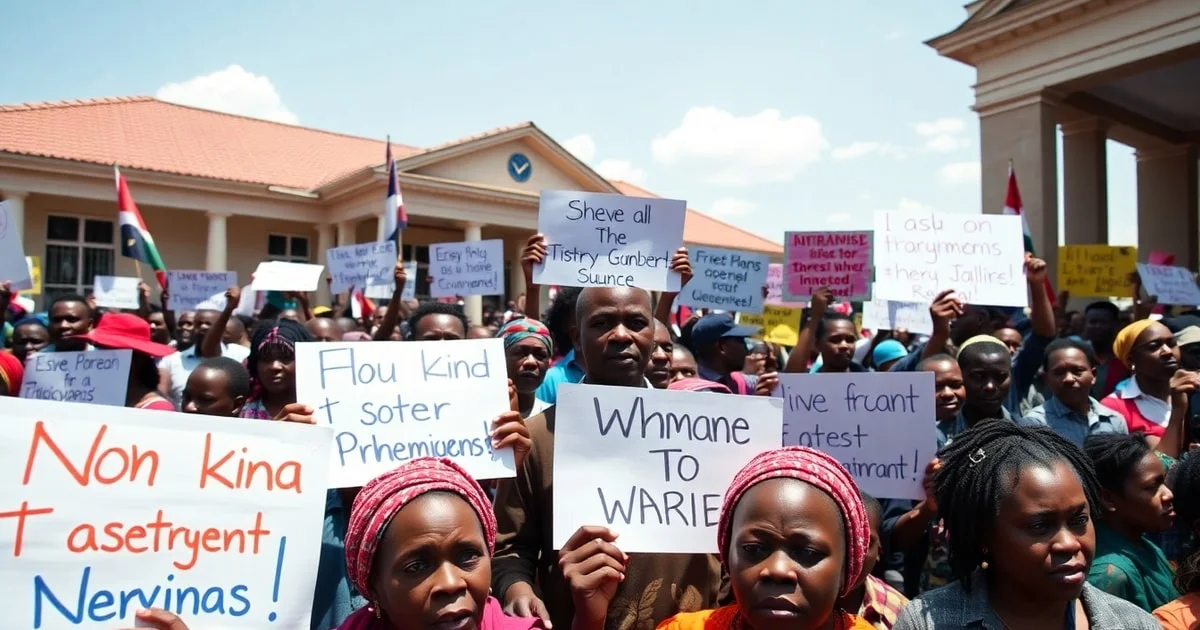
The announcement and subsequent actions surrounding the facility have ignited a firestorm of opposition across Kenya. Hundreds of residents, particularly in Nanyuki, where the air base is located, have taken to the streets in violent protests. These demonstrations have unfortunately turned deadly, with protest organizers claiming that at least two people were killed by gunshot wounds after police opened fire. Police officials, however, have stated they were unaware of any deaths, though they acknowledged using tear gas and non-lethal force to disperse the crowds.
The core of the public's anger stems from several deeply rooted concerns:
- Fear of Disease Spread: Kenyans are apprehensive about the potential for Ebola, a highly contagious and often fatal disease, to spread within their borders. Despite ongoing outbreaks in neighboring DRC and Uganda, Kenya currently has no reported cases of Ebola. Citizens question the rationale of bringing exposed individuals into their country when there is no active local outbreak.
- National Sovereignty and "Offloading Risk": Many Kenyans perceive the facility as the US "offloading the risk" of caring for its own patients onto Kenyan soil. This sentiment is exacerbated by initial reports that the facility would exclusively serve US citizens, leading to accusations that Kenya is being used as a convenient quarantine zone for foreigners without bearing any of the domestic benefits.
- Lack of Transparency and Public Consultation: Critics, including rights groups and legal bodies, have strongly condemned the secrecy surrounding the agreement between the US and Kenyan governments. The lack of public participation and clear communication regarding the facility's operational protocols has fueled distrust and suspicion among the local population.
- Fragile Health System Concerns: Organizations like the Law Society of Kenya and the Katiba Institute have raised concerns about Kenya's existing health infrastructure, arguing that local county hospitals are ill-equipped to handle accidental leaks or secondary transmission of foreign Ebola strains.
Voices from the Ground: Citizen and Leadership Perspectives
The streets of Nanyuki have been filled with passionate protestors chanting anti-Ebola slogans and carrying placards expressing their outrage.
"If it is not good for America, why is it good for us?" asked Gibson Maina, a 25-year-old taxi driver, highlighting the sentiment of perceived unfairness. "The moment we get sick people here, how sure are we that we will be able to contain the disease and that we will be able to survive it?"
Another resident, John Kamau, demanded, "They should stop everything and close this facility because it is a threat to our lives."
On the government side, President William Ruto has remained steadfast in his defense of the facility. He stated that the US has a "long-standing partnership with Kenya on health matters" and that the quarantine facility is one of 24 facilities established across the country for Ebola preparedness.
"We are a responsible government. We know what we are doing. So people should relax," Ruto remarked, urging politicians to "avoid reckless, unnecessary talk."
In contrast, Kenyan Health Minister Aden Duale initially stated the facility was for "everyone," not exclusively for US nationals, a claim that contradicts earlier statements from anonymous US officials.
Local leaders, including Laikipia Governor Joshua Irungu, have publicly expressed their opposition, fearing that the facility could expose their constituents to the virus, especially since many locals work directly or indirectly at the air base.
Legal Battle and Continued Operations
The controversy quickly escalated into a legal battle. The Katiba Institute, a prominent constitutional watchdog, and the Law Society of Kenya (LSK) filed a petition against the center, citing grave health risks to the public and demanding total transparency. The petitioners argued that the government violated constitutional provisions under Article 35 (Right to Information) and Article 42 (Right to a Clean and Healthy Environment) by failing to conduct public participation before signing the bilateral agreement.
On May 28, 2026, the Kenyan High Court issued a temporary order suspending work on the Ebola facility. This order was subsequently extended for another three weeks, with Justice Patricia Nyaundi ordering the Kenyan government to disclose all agreements and operational protocols related to the facility within seven days, scheduling the next hearing for June 23.
Despite these judicial directives, reports from early June 2026 indicated a continuation of activities at the Laikipia Air Base. Flight data from services like Flightradar24 showed at least six US military aircraft, including C-130 and C-17 transport planes, landing in Nanyuki since May 24, with three arriving after the court order. These flights brought in technical equipment and dozens of specialist staff, including physicians, engineers, and construction workers, but no patients.
A US official, speaking anonymously, confirmed the continued arrival of equipment and experts, while the US embassy in Nairobi stated it was aware of the court action and was "working with the Kenyan government to resolve any objections."
Understanding Ebola: The Disease and Containment Protocols
Ebola Virus Disease (EVD) is a severe, often fatal illness in humans. The virus is transmitted to people from wild animals and spreads in the human population through direct contact with the blood, secretions, organs, or other bodily fluids of infected people, and with surfaces and materials (e.g., bedding, clothing) contaminated with these fluids. The average EVD case fatality rate is around 50%, but has reached up to 90% in past outbreaks. Outbreaks are often characterized by rapid spread and high mortality, making stringent containment measures crucial.
Effective containment protocols for Ebola include:
- Isolation and Quarantine: Strict separation of infected individuals (isolation) and those exposed to the virus (quarantine) is paramount to prevent further transmission.
- Infection Prevention and Control (IPC): Rigorous adherence to IPC measures, including the use of personal protective equipment (PPE), proper waste management, and disinfection, is essential in healthcare settings.
- Contact Tracing: Identifying and monitoring all individuals who may have come into contact with an infected person is vital for breaking chains of transmission.
- Safe Burials: Cultural practices surrounding burial can inadvertently contribute to spread; therefore, safe and dignified burial practices are crucial.
The necessity of specialized facilities, such as the one proposed in Nanyuki, stems from the need for high-level biocontainment to protect both healthcare workers and the wider community. However, the perceived lack of transparency regarding these protocols in Kenya has only heightened public anxiety and deepened local suspicion.
Geopolitical Implications and Regional Stability
The controversy surrounding the US Ebola quarantine facility carries significant geopolitical implications for both Kenya-US relations and regional stability in East Africa. The US, a major global health partner, views such facilities as critical for international health security and rapid response to outbreaks. The $13.5 million commitment for Kenya's Ebola preparedness underscores this strategic interest.
However, the current protests and legal challenges demonstrate a tension between global health imperatives and national sovereignty, particularly when public trust is eroded by a perceived lack of transparency. The accusation that the US is "offloading risk" could strain diplomatic ties and complicate future collaborations. A US diplomatic cable, reportedly seen by Reuters, indicated that President Ruto may have "underestimated the depth and intensity of public opposition" to the plan. This suggests that the US government is aware of the domestic political sensitivity of the issue.
Regionally, the outbreaks in DRC and Uganda highlight the ongoing threat of Ebola in East Africa. The establishment of any quarantine facility in a non-affected country like Kenya inevitably raises questions about cross-border implications and regional cooperation in managing public health crises. Other African nations will be closely observing how this situation unfolds, potentially influencing their willingness to host similar international health initiatives.
The incident also draws attention to the broader debate about how developed nations manage the risks associated with global health crises, particularly when involving facilities on foreign soil. Following Kenya's recent designation as a Major Non-NATO Ally by the United States, local activists argue that bilateral agreements should not make the country a testing ground or quarantine zone for foreign health risks.
Precedent and Partnership: Past Health Collaborations
Kenya has a history of collaborating with international partners on public health initiatives, often with significant success. Partnerships with organizations like the Centers for Disease Control and Prevention (CDC) and various non-governmental organizations have been instrumental in combating HIV/AIDS, malaria, and tuberculosis. These collaborations have often involved funding, technical expertise, and capacity building for Kenya's health system.
However, past collaborations have not been without their controversies, sometimes stemming from issues of control, differing priorities, or public perception. The current situation in Nanyuki underscores the critical importance of clear communication, mutual respect, and genuine partnership, ensuring that local communities are engaged and their concerns are genuinely addressed, not merely overridden by top-down agreements. President Ruto referenced these decades of cooperation with Washington, including on HIV/AIDS, as a basis for approving the current facility.
The Path Forward: Dialogue, Transparency, and Resolution
The ongoing standoff in Kenya demands a concerted effort from all parties to find a resolution that addresses both public health security and citizen concerns. For the Kenyan government, this entails fulfilling the court's order to disclose all relevant agreements and operational protocols. Transparency is key to rebuilding public trust and demonstrating accountability. Furthermore, genuine public engagement and education campaigns can help dispel misinformation and ensure citizens understand the true nature and risks associated with the facility.
For the United States, acknowledging and addressing the legitimate fears of the Kenyan populace is crucial. While global health preparedness is vital, it cannot come at the expense of local community acceptance and sovereign concerns. Open dialogue, willingness to compromise, and ensuring that any facility genuinely benefits the host country, rather than just serving the interests of one nation, will be paramount. The US embassy's statement about working with the Kenyan government to "resolve any objections" is a step in the right direction, but concrete actions are needed.
The international community, including bodies like the World Health Organization (WHO), may also play a role in facilitating dialogue and ensuring that global health initiatives are implemented in a manner that respects national sovereignty and community well-being.
Conclusion: Resolving the Kenya Protests US Ebola Quarantine Facility Standoff
The ongoing Kenya Protests US Ebola Quarantine Facility crisis serves as a stark reminder of the delicate balance between global health security and domestic national sovereignty. The proposed US-funded facility at Laikipia Air Base, intended for Americans exposed to Ebola, has sparked widespread public outcry and deadly protests, despite the Kenyan government's defense of the plan. The ongoing defiance of court orders by continued operations at the site further exacerbates tensions and erodes public trust.
Moving forward, transparent dialogue, genuine community engagement, and a commitment to addressing the legitimate fears of the Kenyan people will be essential to finding a sustainable and equitable resolution to this pressing issue. Without such efforts, the potential for strained international relations and continued domestic unrest remains high.
Frequently Asked Questions
Q: Why are Kenyans protesting the proposed US Ebola quarantine facility?
A: Kenyan citizens and local organizations are protesting due to fears of Ebola spreading within the country, concerns over national sovereignty and being used as an offshore quarantine site, a perceived lack of transparency from officials, and worries about the capacity of the local healthcare system.
Q: Has the Kenyan court taken action against the Ebola quarantine facility?
A: Yes, the Kenyan High Court issued a temporary injunction suspending all construction and operational activities at the Laikipia Air Base facility, ordering the government to disclose all bilateral agreements related to the project.
Q: Is the Ebola quarantine facility currently operating despite the court orders?
A: Reports and flight tracking data indicate that US military transport flights have continued to arrive at the Laikipia Air Base with specialized technical equipment and personnel, prompting further public outcry and legal challenges.