Mideast Volatility: US-Iran Clashes & Hezbollah Rejection
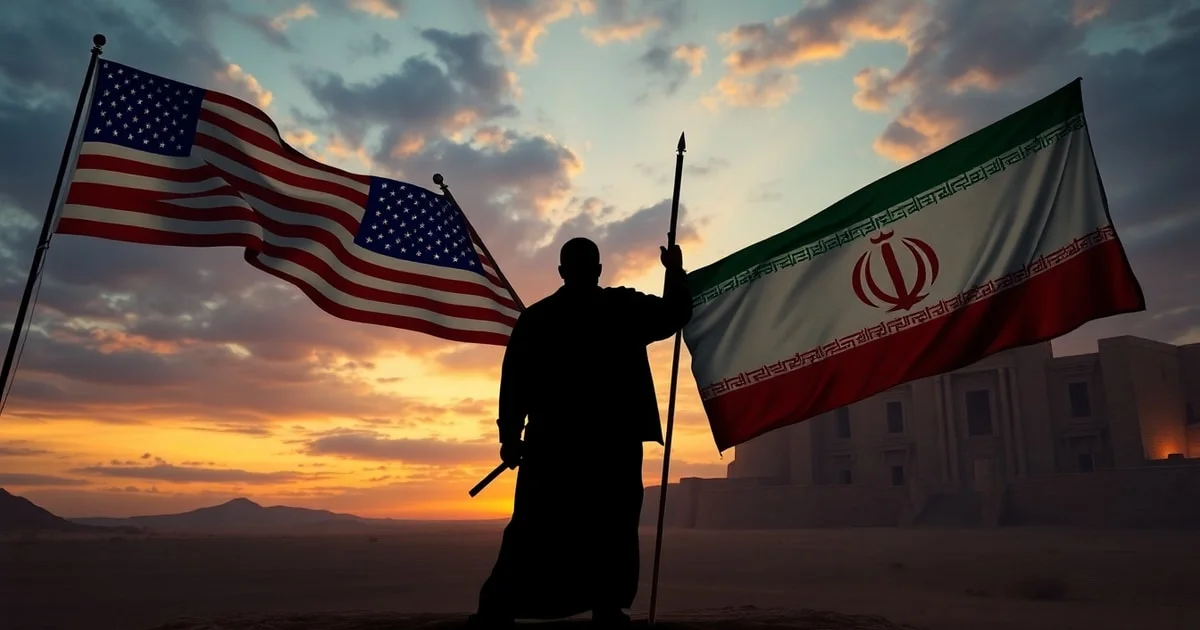
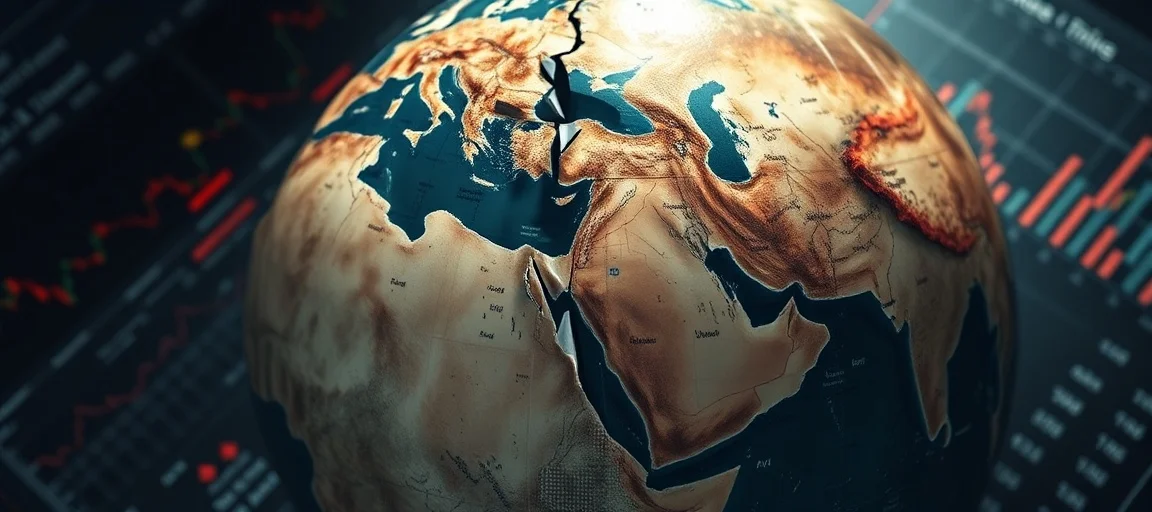
In a region perpetually on the brink, Mideast volatility has once again surged to the forefront of global concerns, driven by intensified US-Iran clashes and the steadfast Hezbollah rejection of established regional norms. This complex interplay of escalating tensions, proxy conflicts, and hardened political stances continues to reshape the dynamics of the Middle East, posing significant challenges to international diplomacy and stability. The ongoing friction between Washington and Tehran, often manifesting through regional proxies, creates a precarious environment where miscalculation could lead to broader confrontation. Meanwhile, Hezbollah's consistent refusal to align with certain regional rapprochements further entrenches division, influencing Lebanese politics and broader geopolitical alignments. This article will delve into the multifaceted dimensions of these developments, exploring their historical context, immediate impacts, and potential future implications for the region and beyond.
- Understanding Mideast Volatility: US-Iran Clashes & Hezbollah Rejection
- Escalating Confrontations: US-Iran Clashes
- Hezbollah's Unwavering Stance: A Rejection of Status Quo
- Broader Regional Ramifications
- US Strategy in a Fractured Middle East
- The Human and Economic Toll
- Expert Perspectives on Future Scenarios
- Conclusion: Navigating Continued Mideast Volatility: US-Iran Clashes & Hezbollah Rejection
- Frequently Asked Questions
- Further Reading & Resources
Understanding Mideast Volatility: US-Iran Clashes & Hezbollah Rejection
The current state of Mideast volatility: US-Iran clashes & Hezbollah rejection is not an isolated phenomenon but rather the culmination of decades of intertwined historical grievances, strategic competition, and ideological differences. Understanding the foundational elements of these relationships is crucial to grasping the gravity of the present situation.
A Historical Lens on US-Iran Tensions
The relationship between the United States and Iran has been fraught with tension for over four decades, fundamentally altered by the 1979 Islamic Revolution. Prior to this, the U.S. had been a key ally of the Shah's regime, a relationship that generated significant resentment among revolutionary factions. The subsequent hostage crisis at the U.S. embassy in Tehran cemented a deep-seated animosity that has defined bilateral relations ever since.
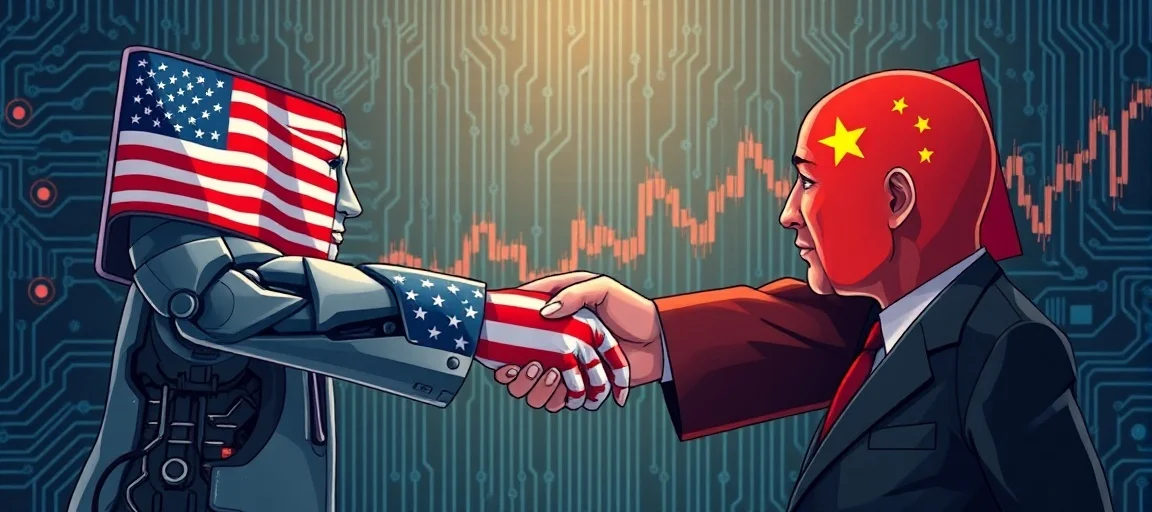
Throughout the 1980s and 1990s, suspicion and mistrust characterized their interactions. Iran's development of its nuclear program and its support for regional proxy groups, which the U.S. designated as terrorist organizations, further exacerbated these tensions. The early 21st century saw periods of heightened confrontation, particularly during the Bush administration, which labeled Iran as part of an "Axis of Evil." While the Obama administration achieved a landmark, albeit controversial, nuclear deal—the Joint Comprehensive Plan of Action (JCPOA)—in 2015, the subsequent withdrawal by the Trump administration in 2018 plunged relations back into a cycle of escalating sanctions and counter-measures. This withdrawal, coupled with the "maximum pressure" campaign, significantly ratcheted up economic pressure on Iran and led to a series of reciprocal actions, including attacks on shipping in the Gulf and increased uranium enrichment by Iran. For a deeper dive into the historical shifts in American foreign policy, read about US Middle East Strategy Shifts.
The Rise and Role of Hezbollah
Hezbollah, meaning "Party of God," emerged in Lebanon in the early 1980s amidst the Lebanese Civil War and the Israeli invasion of Lebanon. Formed with significant ideological and financial backing from revolutionary Iran, Hezbollah quickly established itself as a powerful political party, social service provider, and paramilitary organization. Its primary stated goals included resisting Israeli occupation and combating Western influence in Lebanon.
Over the decades, Hezbollah has evolved into a highly sophisticated non-state actor, possessing a formidable military wing equipped with a substantial arsenal of rockets and advanced weaponry. It also holds significant political sway within Lebanon, often described as a "state within a state," exerting considerable influence over government decisions and societal structures. Hezbollah's deeply entrenched ties with Iran are a cornerstone of its identity and operational capacity. Iran provides critical financial, military, and logistical support, allowing Hezbollah to maintain its robust operational capabilities and influence across the region. This patronage forms a crucial part of Iran's broader regional strategy, extending its reach and projecting power without direct military intervention. The group's ideological alignment with Iran's Supreme Leader and its commitment to anti-imperialist and anti-Zionist principles make it a key player in the regional power balance.
Escalating Confrontations: US-Iran Clashes
The period of heightened Mideast volatility: US-Iran clashes & Hezbollah rejection has been marked by a series of direct and indirect confrontations between the United States and Iran. These clashes manifest across various domains, from military engagements to economic warfare, underscoring the delicate balance of power in the region.
Key Incidents and Military Postures
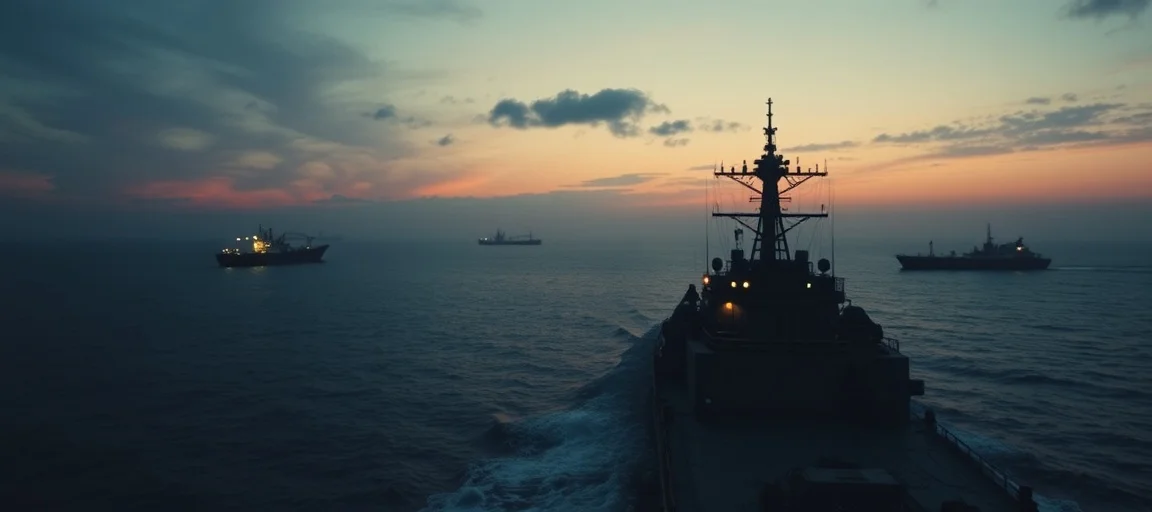
Recent years have witnessed a concerning escalation of military incidents directly or indirectly involving the U.S. and Iran. These include attacks on oil tankers in the Strait of Hormuz, drone attacks on Saudi oil facilities attributed to Iranian-backed groups, and Iranian missile strikes on bases housing U.S. troops in Iraq. One of the most significant direct clashes was the U.S. assassination of Iranian Quds Force commander Qassem Soleimani in January 2020, which brought the two nations to the brink of a full-scale war. Iran responded with missile attacks on Ain al-Asad airbase in Iraq, which resulted in traumatic brain injuries to U.S. service members.
Both nations maintain robust military postures in the Gulf region. The U.S. frequently deploys aircraft carrier strike groups, advanced fighter jets, and thousands of troops to its regional bases, signaling its commitment to deterring Iranian aggression and protecting its interests. Iran, in turn, relies on its ballistic missile program, naval forces (including fast attack craft), and its network of regional proxies to project power and deter potential attacks. These ongoing military maneuvers and the constant threat of retaliation keep the region in a state of perpetual high alert, increasing the risk of unintended escalation.
Economic Warfare and Sanctions
Beyond military confrontations, economic warfare has become a primary arena for US-Iran clashes. Following the U.S. withdrawal from the JCPOA, Washington reimposed and expanded a comprehensive sanctions regime targeting Iran's oil exports, banking sector, and key industries. The stated goal of this "maximum pressure" campaign was to compel Iran to negotiate a new, more restrictive nuclear deal and curb its regional behavior.
These sanctions have had a devastating impact on the Iranian economy, leading to a significant depreciation of its currency, soaring inflation, and a decline in living standards for many Iranians. Iran's oil exports, a crucial source of revenue, have been drastically reduced, crippling its ability to fund state operations and development projects. In response, Iran has often retaliated by increasing its uranium enrichment beyond JCPOA limits and by expanding its support for regional proxy groups, demonstrating its capacity to disrupt regional stability. The economic pressures also contribute to internal discontent within Iran, adding another layer of complexity to the already volatile situation.
Hezbollah's Unwavering Stance: A Rejection of Status Quo
A critical element of the current Mideast volatility: US-Iran clashes & Hezbollah rejection narrative is Hezbollah's persistent refusal to accept certain regional political shifts and its steadfast adherence to its core ideological principles. This rejection significantly impacts regional diplomatic efforts and perpetuates existing fault lines.
Ideological Alignment with Iran
Hezbollah's deep ideological alignment with Iran is arguably its most defining characteristic. The organization views itself as part of a broader "Axis of Resistance" led by Iran, dedicated to confronting what it perceives as U.S. and Israeli hegemony in the Middle East. This alignment is rooted in shared Shia Islamic principles and a common anti-imperialist, anti-Zionist ideology. Hassan Nasrallah, Hezbollah's Secretary-General, frequently reaffirms the group's unwavering loyalty to Iran's Supreme Leader, Ayatollah Ali Khamenei. This loyalty translates into strategic coordination and a shared vision for regional power dynamics. For Hezbollah, any move towards normalization with Israel by Arab states, or any attempt to diminish Iran's regional influence, is fundamentally unacceptable and seen as a betrayal of the Palestinian cause and regional resistance.
Hezbollah's Regional Influence and Strategic Calculus
Hezbollah's influence extends far beyond Lebanon's borders. It plays a significant role in various regional conflicts, notably in Syria, where its fighters have supported the Assad regime alongside Iranian forces. This intervention has given Hezbollah valuable combat experience and expanded its operational reach. The group's extensive network also provides training and support to other Iranian-backed militias across the Middle East, further solidifying its position as a key non-state actor in Iran's regional strategy. The complex dynamics of Lebanese internal politics and Hezbollah's role are further explored in our article on the Lebanon Political Crisis Analysis.
The group's strategic calculus is often driven by its perception of existential threats from Israel and the U.S., as well as its commitment to protecting its role as a primary resistance force. This leads to a rejection of any regional agreements or diplomatic initiatives that do not address what it considers fundamental grievances or that seek to isolate Iran and its allies. For instance, Hezbollah has consistently denounced the Abraham Accords, which saw several Arab nations normalize relations with Israel, viewing them as a betrayal of the Palestinian people and an advancement of U.S.-Israeli interests. This stance underscores its role as a spoiler to any broad regional peace initiatives that do not align with its own and Iran's strategic objectives.
Broader Regional Ramifications
The ongoing dynamics of Mideast volatility: US-Iran clashes & Hezbollah rejection have far-reaching implications for the entire Middle East, affecting alliances, security architectures, and the prospects for stability. The ripple effects are felt from the Levant to the Arabian Peninsula.
Impact on Gulf States and Israel
The escalating tensions between the U.S. and Iran, coupled with Hezbollah's unwavering stance, have deeply impacted the security calculations of Gulf states like Saudi Arabia, the UAE, and Bahrain, as well as Israel. These nations view Iran's nuclear program, ballistic missile capabilities, and its network of proxies (including Hezbollah, Houthi rebels in Yemen, and various Iraqi militias) as direct threats to their national security. Consequently, they have increasingly sought closer security cooperation with the United States and, in some cases, have pursued covert or overt forms of engagement with Israel, as exemplified by the Abraham Accords. These accords, while hailed as a step towards regional peace by their signatories, are also seen as a counter-balance to Iranian influence, creating a de facto anti-Iran alignment in the region. The constant threat of regional proxy attacks, such as drone and missile strikes, further fuels an arms race and deepens existing rivalries, making any de-escalation efforts exceptionally difficult.
Diplomatic Stalemate and Mediation Efforts
The complex web of animosities has largely resulted in a diplomatic stalemate, making comprehensive peace initiatives exceedingly challenging. While various international actors, including Oman, Qatar, and European nations, have attempted to mediate between the U.S. and Iran, and among regional rivals, breakthroughs have been rare and often short-lived. The deep mistrust, conflicting demands, and ideological chasms often prevent meaningful dialogue. For instance, efforts to revive the JCPOA have repeatedly faltered due to disagreements over sanctions relief, uranium enrichment, and Iranian regional behavior. For a broader overview of Iranian Foreign Policy goals, see our recent analysis. Similarly, attempts to address the Lebanese political crisis, often exacerbated by Hezbollah's entrenched position, struggle to gain traction due to the group's uncompromising stance and its ties to external powers. Without a significant shift in posture from the key players, the current diplomatic impasse is likely to persist, further prolonging the period of regional instability.
US Strategy in a Fractured Middle East
Navigating the complexities of Mideast volatility: US-Iran clashes & Hezbollah rejection presents a significant challenge for U.S. foreign policy, requiring a delicate balance between deterrence, diplomacy, and the protection of strategic interests.
Balancing Deterrence and De-escalation
The core of the U.S. strategy in the Middle East regarding Iran revolves around a dual approach: deterring Iranian aggression while simultaneously seeking avenues for de-escalation to prevent a wider conflict. This involves maintaining a robust military presence in the region, conducting joint exercises with allies, and continuously signaling a willingness to defend its interests and partners. At the same time, Washington frequently emphasizes its preference for diplomatic solutions and its openness to negotiations, albeit often with conditions. The challenge lies in calibrating this balance, ensuring that deterrent actions do not inadvertently provoke an escalation, and that diplomatic overtures are not perceived as weakness. The U.S. also seeks to strengthen its regional alliances, particularly with Gulf Cooperation Council (GCC) states and Israel, to create a united front against perceived Iranian threats.
Challenges to Regional Stability
The U.S. faces numerous challenges in achieving its objectives for regional stability. The enduring influence of Iran's proxy network, epitomized by Hezbollah, complicates efforts to de-escalate tensions and enforce international norms. These non-state actors often operate in a grey zone, making direct attribution and response difficult without risking broader conflict. Furthermore, the internal political fragilities within countries like Lebanon, Iraq, and Yemen, where Iranian-backed groups hold significant sway, provide fertile ground for continued instability. The U.S. must also contend with competing interests among its own allies, as well as the geopolitical maneuvering of other global powers like China and Russia, who have their own stakes in the region. The lack of a unified regional security framework and the deep-seated historical animosities further obstruct any straightforward path to lasting peace, necessitating a long-term, nuanced approach from Washington.
The Human and Economic Toll
Beyond the geopolitical maneuvers and military posturing, the persistent Mideast volatility: US-Iran clashes & Hezbollah rejection exacts a heavy toll on the human population and the economic prospects of the entire region. The human cost of these conflicts is often overlooked in strategic analyses.
Humanitarian Crises and Displacement
The ripple effects of regional conflicts, often fueled by proxy rivalries tied to the US-Iran dynamic and Hezbollah's activities, have led to some of the worst humanitarian crises in modern history. Countries like Syria and Yemen have been ravaged by civil wars, resulting in millions of deaths, injuries, and unprecedented levels of displacement. Families are torn apart, infrastructure is destroyed, and access to basic necessities like food, water, and healthcare becomes severely limited. The protracted conflicts have created massive refugee flows, placing immense strain on neighboring countries and international aid organizations. Lebanon, already grappling with a severe economic crisis, faces overwhelming challenges in hosting a large refugee population while simultaneously dealing with its own internal political and economic woes, often exacerbated by Hezbollah's political influence and international isolation. The human suffering caused by these protracted struggles underscores the urgent need for de-escalation and sustainable peace solutions.
Global Economic Repercussions
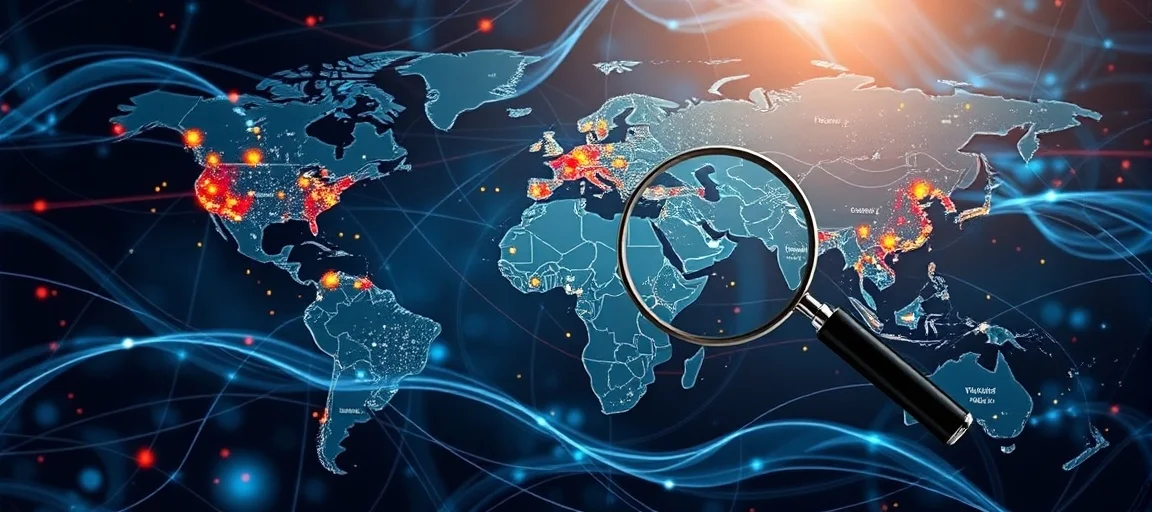
The Middle East's strategic location and its role as a major global energy producer mean that its instability has significant global economic repercussions. Disruptions to oil production or shipping lanes in critical choke points like the Strait of Hormuz can lead to spikes in global oil prices, impacting economies worldwide. The ongoing threats to maritime security increase insurance costs for shipping, affecting international trade and supply chains. Furthermore, the persistent geopolitical risks deter foreign investment in the region, hindering economic development and diversification efforts in many Middle Eastern countries. The sanctions against Iran, while designed to exert political pressure, also contribute to global market uncertainty and complicate international financial transactions. The economic vulnerability of countries like Lebanon, which faces a severe currency crisis and banking collapse, demonstrates how internal political deadlocks, partly influenced by groups like Hezbollah, can have catastrophic economic consequences that extend beyond national borders.
Expert Perspectives on Future Scenarios
As the Mideast volatility: US-Iran clashes & Hezbollah rejection continues to define the regional landscape, analysts and policymakers offer various perspectives on potential future trajectories, ranging from continued stalemate to further escalation or even tentative pathways to de-escalation.
Analysts Weigh In
Geopolitical analysts widely agree that the current state of affairs is inherently unstable. Dr. Sarah Al-Fouzan, a prominent Middle East policy expert, suggests, "The entrenched positions of Washington and Tehran, coupled with the deeply integrated role of proxies like Hezbollah, create a high-stakes environment where any misstep could trigger a significant regional conflagration. The lack of direct communication channels only exacerbates this risk."
Another perspective from Dr. Ben Carter, a security studies professor, highlights the potential for a 'muddle through' scenario. "While the rhetoric is often bellicose, all major players also understand the catastrophic consequences of a full-scale war. We might see continued cycles of limited strikes, economic pressure, and proxy engagements rather than an all-out war, but this still perpetuates the underlying instability." Experts also point to the internal dynamics within Iran and Lebanon as crucial variables. Economic hardship in Iran could fuel popular discontent, potentially influencing the regime's foreign policy calculus. In Lebanon, the ongoing political paralysis and economic collapse could force a re-evaluation of Hezbollah's strategy or, conversely, lead to greater radicalization.
Pathways to De-escalation or Further Conflict
While the immediate future appears fraught with challenges, analysts identify several potential pathways. De-escalation would likely require a significant diplomatic breakthrough, possibly involving a revived and expanded nuclear agreement with Iran that also addresses its regional behavior. This would necessitate concessions from both the U.S. and Iran, potentially facilitated by renewed international mediation efforts. A reduction in regional proxy conflicts and a more stable political environment in countries like Iraq and Yemen could also contribute to easing tensions.
Conversely, pathways to further conflict are numerous. An accidental military incident, a deliberate provocation, or a significant internal upheaval in any of the key states could rapidly escalate the situation. For instance, a direct military confrontation between Israel and Hezbollah, or a major cyberattack targeting critical infrastructure, could quickly spiral out of control, drawing in other regional and international actors. The ongoing development of Iran's nuclear program and its ballistic missile capabilities remains a primary concern, with any perceived nearing of a nuclear weapon capability potentially triggering preemptive actions. The global community remains deeply invested in finding diplomatic solutions, but the deeply entrenched nature of these conflicts makes such breakthroughs exceptionally difficult to achieve.
Conclusion: Navigating Continued Mideast Volatility: US-Iran Clashes & Hezbollah Rejection
The Middle East remains a geopolitical crucible, where the persistent and multifaceted Mideast volatility: US-Iran clashes & Hezbollah rejection continues to define the regional security landscape. The historical grievances between the United States and Iran, coupled with Tehran's strategic reliance on powerful non-state actors like Hezbollah, have created a complex web of rivalries and flashpoints. From direct military confrontations to crippling economic sanctions, the clashes between Washington and Tehran reverberate across the entire region, exacerbating existing instabilities and hindering diplomatic resolutions. Hezbollah's unwavering ideological alignment with Iran and its steadfast rejection of any regional shifts that challenge its core principles further complicate efforts toward de-escalation, solidifying its role as a pivotal, yet often disruptive, actor.
The human cost of this prolonged instability is immense, manifesting in humanitarian crises and widespread displacement, while the economic repercussions extend far beyond the region's borders, impacting global energy markets and international trade. As the international community grapples with these intricate challenges, the path forward requires an urgent and concerted diplomatic effort to bridge deep divides, rebuild trust, and find pragmatic solutions that prioritize regional stability and human security. Without a fundamental shift in approach from all key players, the specter of continued volatility and potential escalation will loom large over the Middle East for the foreseeable future.
Frequently Asked Questions
Q: What is the primary cause of Mideast volatility?
A: Mideast volatility stems from a complex interplay of historical grievances, strategic competition between global and regional powers like the US and Iran, and the actions of influential non-state actors like Hezbollah, all contributing to ongoing instability.
Q: How do US-Iran clashes impact the wider Middle East?
A: US-Iran clashes manifest as economic warfare (sanctions), military posturing, and proxy conflicts across the region. These actions escalate tensions, fuel humanitarian crises, and hinder diplomatic efforts, affecting stability for Gulf states and beyond.
Q: Why does Hezbollah reject regional normalization efforts?
A: Hezbollah, aligned ideologically with Iran, rejects normalization with Israel and any moves perceived as strengthening U.S. influence. It views such efforts as a betrayal of the Palestinian cause and its "Axis of Resistance" ideology, impacting regional peace initiatives.