Middle East Peace Talks See New Hope Amid Shifting Dynamics

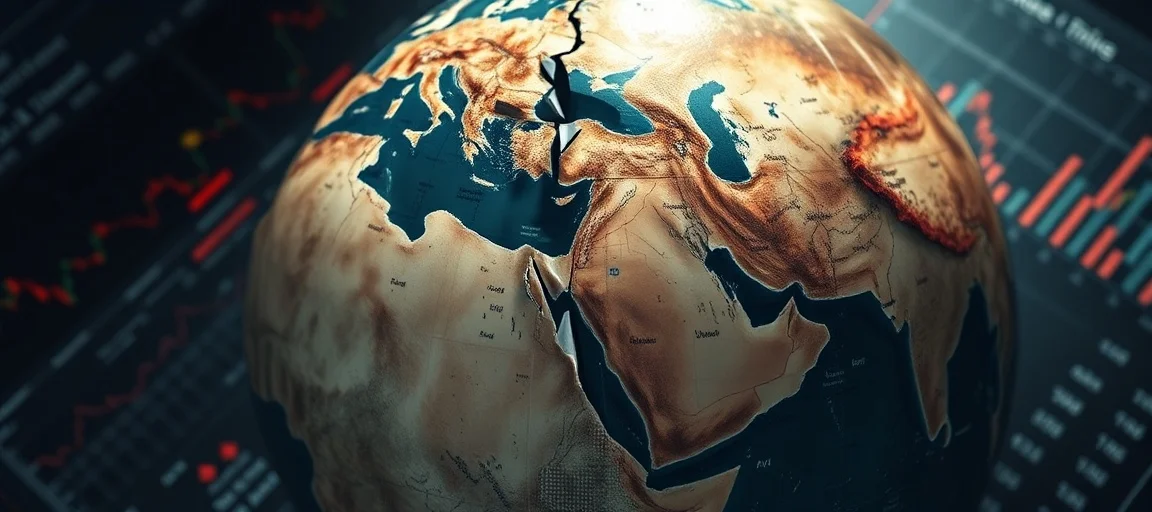
Recent diplomatic efforts and evolving regional alliances suggest that Middle East peace talks see new hope, offering a glimmer of optimism for a region long mired in complex conflicts. Shifting geopolitical dynamics and a renewed focus on de-escalation are creating an environment ripe for potential breakthroughs, emphasizing the critical importance of dialogue to foster lasting stability. This period marks a significant push towards resolving long-standing disputes and forging new pathways for cooperation, signaling a crucial moment for regional leaders to capitalize on this momentum.
- The Shifting Sands of Middle East Diplomacy
- Key Issues on the Table for Middle East Peace Talks
- New Hope for Middle East Peace Talks: Pathways and Potential
- Overcoming Obstacles to Sustainable Peace
- Conclusion: Seizing the Moment for Enduring Stability
- Frequently Asked Questions
- Further Reading & Resources
The Shifting Sands of Middle East Diplomacy
The landscape of Middle Eastern diplomacy has undergone considerable transformation in recent years, characterized by a series of rapprochements and re-evaluations of strategic priorities. Traditional rivalries are being recalibrated, and non-state actors continue to play a pivotal, albeit complex, role in shaping the regional security architecture. Understanding these fundamental shifts is essential to grasp the current context of peace negotiations.
Recent Rapprochements and Regional Realignments
Several key developments have paved the way for a more conducive environment for peace talks. The Abraham Accords, signed in 2020, marked a historic normalization of relations between Israel and several Arab nations, fundamentally altering the diplomatic map of the region. This initiative has demonstrated that direct engagement and economic cooperation can transcend historical barriers. Furthermore, recent efforts to de-escalate tensions between Saudi Arabia and Iran, mediated by China in 2023, have significantly reduced regional animosities, fostering a more stable environment for broader diplomatic engagement. These developments often intersect with broader discussions around Iran's evolving role and regional influence. These diplomatic overtures signify a growing willingness among regional powers to prioritize stability and economic development over entrenched ideological differences, laying the groundwork for more ambitious peace initiatives.
Evolving Roles of International Actors
The involvement of global powers remains crucial, though their roles are also evolving. While the United States continues to be a significant player, its approach has shifted, emphasizing a more multilateral strategy and encouraging regional self-reliance. For a deeper dive into the historical context and recent changes in Washington's engagement, consider analyzing US Middle East policy shifts. European nations, often through the European Union, also contribute to diplomatic initiatives, focusing on humanitarian aid and supporting frameworks for dialogue. China's increasing diplomatic footprint, exemplified by its mediation between Saudi Arabia and Iran, highlights a multipolar world where various international actors can facilitate peace, bringing new perspectives and leverage to the table. This diversification of international mediators can create new avenues for negotiation and ensure broader acceptance of any eventual agreements.
Key Issues on the Table for Middle East Peace Talks
The array of issues confronting Middle East peace talks is vast and deeply entrenched, requiring comprehensive and nuanced approaches. From territorial disputes to resource allocation and the rights of various populations, each element presents significant challenges that demand innovative solutions and a commitment to compromise. Addressing these core issues is paramount for any sustainable peace agreement.
The Israeli-Palestinian Conflict
At the heart of many regional discussions lies the enduring Israeli-Palestinian conflict. While it has historically been a central focus, recent efforts have seen a renewed, albeit cautious, push for dialogue. Discussions often revolve around critical aspects such as border demarcation, the status of Jerusalem, refugee rights, and security arrangements. The establishment of independent and secure states for both Israelis and Palestinians remains the internationally recognized framework for a lasting resolution. Recent proposals have explored various formulas for coexistence, emphasizing mutual recognition and security guarantees for both sides. The urgency of addressing humanitarian crises in the Palestinian territories and ensuring equitable access to resources frequently underscores the need for immediate and concrete progress in negotiations.
Regional Security and Stability
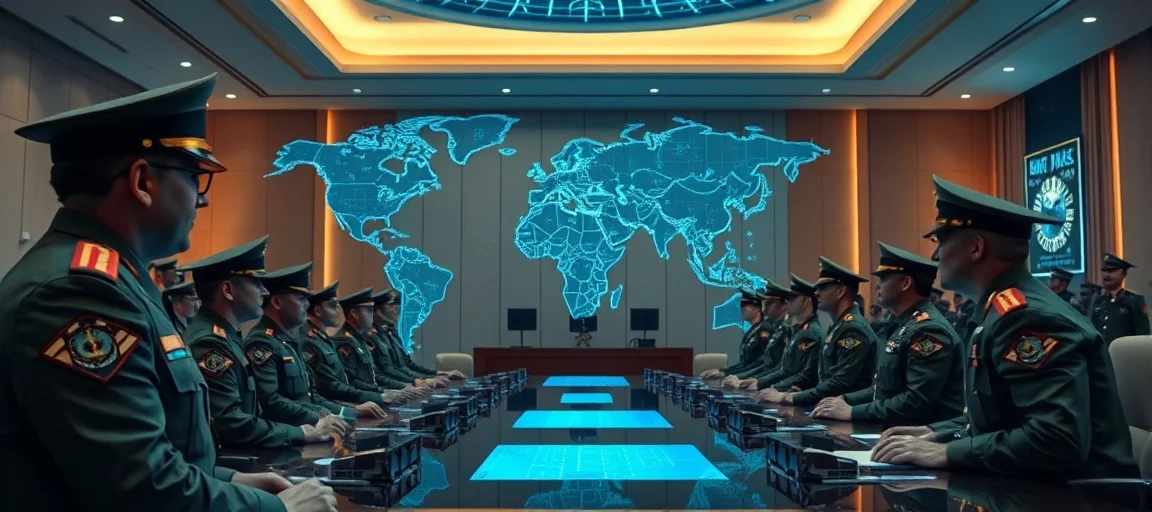
Beyond the bilateral conflicts, broader regional security concerns significantly impact peace talks. Issues such as arms control, counter-terrorism efforts, and the containment of proxy conflicts are frequently discussed. The goal is to establish mechanisms that prevent escalation and foster a collective security framework where regional states can cooperate to address shared threats. This includes working towards non-proliferation of weapons of mass destruction and enhancing intelligence sharing to combat extremist groups effectively. Achieving a regional security consensus would greatly enhance the prospects for peace across the Middle East, paving the way for joint military exercises, shared intelligence platforms, and a coordinated response to emerging threats.
Economic Cooperation and Development
A vital component of fostering lasting peace is the integration of economic incentives and development initiatives. Many proposals for peace talks include significant provisions for cross-border infrastructure projects, joint economic zones, and investment in shared resources like water and energy. The premise is that economic interdependence can create strong disincentives for conflict and build a shared stake in prosperity. For instance, initiatives to develop regional trade routes or collaborate on renewable energy projects could provide tangible benefits that reinforce diplomatic progress. Promoting shared economic growth is seen as a powerful tool to build bridges and cultivate a vision of a peaceful, prosperous future, ultimately raising living standards and creating a sense of shared destiny.
Humanitarian Concerns and Human Rights
Humanitarian considerations and human rights are also central to the discourse, particularly in regions affected by protracted conflicts. Discussions often address the need for humanitarian aid, the protection of civilian populations, and accountability for human rights violations. Ensuring access to basic services, safe passage for refugees, and the dignity of all individuals are fundamental principles underpinning a just and equitable peace. International organizations and NGOs play a critical role in advocating for these concerns and providing essential support to vulnerable populations. Integrating human rights protections into any peace agreement is seen as crucial for its legitimacy and long-term viability, providing a moral compass for negotiations and ensuring that the human cost of conflict is never forgotten.
New Hope for Middle East Peace Talks: Pathways and Potential
The current environment, marked by diplomatic shifts and a desire for stability, presents several potential pathways for advancing peace talks. The renewed emphasis on dialogue, coupled with innovative approaches to dispute resolution, could unlock previously intractable issues. Exploring these avenues is crucial for capitalizing on the current momentum and translating diplomatic rhetoric into tangible progress.
Multilateral Dialogue Forums
The rise of multilateral dialogue forums, such as the Negev Forum, has created platforms for regional states to discuss a broad range of issues, from security to economic cooperation. These forums allow for informal interactions and confidence-building measures that can lay the groundwork for more formal peace negotiations. By bringing diverse stakeholders together, these platforms help to identify common interests and potential areas of collaboration, fostering a sense of shared responsibility for regional stability. Such dialogues facilitate transparency and collective problem-solving, moving beyond traditional bilateral stalemates. The expansion of such dialogues could be instrumental in breaking down barriers and building consensus on complex issues, enabling a more inclusive and robust peace process.
Track II Diplomacy and Civil Society Engagement
Beyond official government-to-government negotiations, Track II diplomacy, involving academics, experts, and former officials, plays a crucial role in exploring creative solutions without the constraints of official policy. These informal channels can test new ideas and build trust among different groups, often generating innovative concepts that can later be adopted by official negotiations. Furthermore, the engagement of civil society organizations, peace activists, and youth groups is increasingly recognized as vital. Their grassroots efforts can build support for peace from the bottom up, fostering understanding and reconciliation within communities often most affected by conflict. Empowering these diverse voices ensures a more inclusive and resilient peace process, one that resonates with the lived experiences of the people it aims to serve.
International Guarantees and Verification Mechanisms
For any peace agreement to be successful and durable, robust international guarantees and verification mechanisms are often necessary. These can include UN peacekeeping missions, international monitoring bodies, and security assurances from major global powers. Such mechanisms provide a framework for accountability and help ensure that commitments made during peace talks are upheld by all parties. They offer a critical layer of oversight and build confidence among parties who may harbor deep-seated mistrust. The credibility of these guarantees is essential for building trust and providing reassurance, particularly when dealing with sensitive issues like border security and disarmament. Effective implementation of these mechanisms can transform a mere cessation of hostilities into a genuine and lasting peace.
Overcoming Obstacles to Sustainable Peace
Despite the emergence of new hope, significant obstacles remain in the path toward sustainable peace in the Middle East. These challenges are deeply rooted in historical grievances, political complexities, and external influences. Addressing them requires sustained commitment, flexibility, and a willingness to confront difficult truths.
Entrenched Political Divides
Deep-seated political divides and ideological differences continue to pose formidable challenges. For many years, these divisions have fueled mistrust and hindered progress in negotiations. Overcoming these requires leaders to demonstrate political courage and a willingness to make difficult compromises for the greater good of their populations. Building consensus within diverse political landscapes is a slow and arduous process that demands patience and persistent diplomatic efforts. Understanding the complexities of these rivalries is crucial for comprehending broader regional power dynamics. The challenge lies not only in bridging state-level disagreements but also in reconciling internal factions and securing popular mandates for peace.
External Influences and Geopolitical Rivalries
The involvement of external powers and their geopolitical rivalries can often complicate regional peace efforts. Competing interests of global and regional players can inadvertently or intentionally undermine peace initiatives, making it harder for local actors to reach independent agreements. For instance, the proxy conflicts that have long plagued the region are often exacerbated by the strategic maneuvering of larger global powers. Mitigating these external influences requires a concerted effort to foster regional autonomy in decision-making and ensure that peace agreements serve the interests of the people of the Middle East, rather than external agendas. International cooperation aimed at supporting, rather than dominating, local peace processes is essential for true and lasting resolution.
Socio-Economic Disparities and Public Opinion
Significant socio-economic disparities within and between countries can exacerbate tensions and make peace harder to achieve. Poverty, unemployment, and lack of opportunity can fuel resentment and radicalization, undermining efforts to build a stable future. Without addressing these root causes, any peace agreement risks being superficial and unsustainable. Furthermore, public opinion, often shaped by decades of conflict and propaganda, can be resistant to compromise. Overcoming this requires more than just political agreements; it demands comprehensive public awareness campaigns, education initiatives, and tangible improvements in daily lives that demonstrate the benefits of peace. Therefore, peace initiatives must include robust economic development plans and comprehensive public awareness campaigns to shift narratives and build broad-based support for reconciliation. Engaging communities and addressing their daily concerns is vital for making peace truly sustainable.
Conclusion: Seizing the Moment for Enduring Stability
The current convergence of diplomatic will, regional realignments, and a shared desire for stability presents a unique window of opportunity where Middle East peace talks see new hope. While the path ahead is undoubtedly fraught with challenges, the renewed commitment to dialogue and the emergence of innovative diplomatic approaches offer a tangible possibility for progress. Seizing this moment requires visionary leadership, unwavering international support, and a collective determination to overcome historical animosities. By prioritizing comprehensive peace, economic cooperation, and the well-being of all peoples in the region, the Middle East can move closer to an era of enduring stability and prosperity.
Frequently Asked Questions
Q: What are the main drivers of new hope in Middle East peace talks?
A: New hope stems from recent regional rapprochements, such as the Abraham Accords and the Saudi-Iran de-escalation mediated by China. Evolving roles of international actors and a collective desire among regional powers to prioritize stability and economic development also contribute significantly.
Q: What are the primary obstacles to achieving lasting peace in the Middle East?
A: Major obstacles include deeply entrenched political divides, historical grievances, and complex ideological differences. External influences and geopolitical rivalries often complicate negotiations, alongside significant socio-economic disparities and public opinion shaped by decades of conflict.
Q: How do international actors influence Middle East peace negotiations?
A: International actors like the US, EU, and China play evolving roles, ranging from mediation and humanitarian aid to providing security guarantees. Their involvement can facilitate dialogue, offer new perspectives, and ensure accountability, though competing geopolitical interests can also sometimes complicate efforts.