Mideast Tensions Spark Global Fuel Price Surge: What You Need to Know
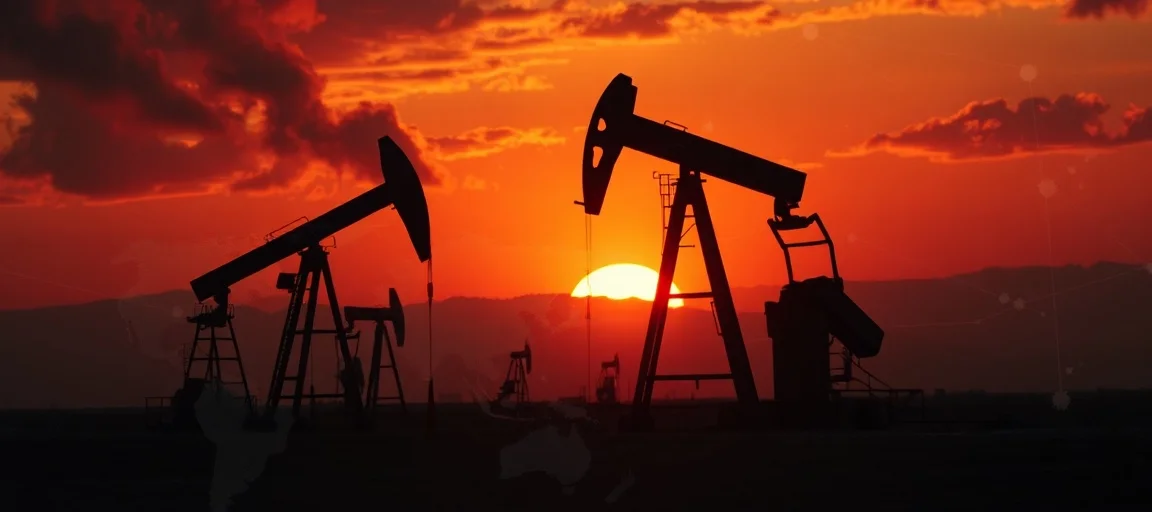
The world watches with bated breath as escalating Mideast Tensions Spark Global Fuel Price Surge, sending ripples of concern through economies worldwide. Recent geopolitical developments in the Middle East, a region pivotal to global energy supplies, have ignited significant volatility in oil markets, threatening to destabilize recovery efforts and strain household budgets. This complex interplay of regional conflicts, diplomatic standoffs, and strategic maneuvering directly impacts the cost of everything from transportation to manufacturing, making it a critical issue for every nation and citizen.
- The Geopolitical Crucible: Understanding Mideast Tensions
- Direct Triggers for Fuel Price Volatility
- How Mideast Tensions Spark Global Fuel Price Surge: Economic Repercussions
- Expert Analysis and Future Outlook
- International Responses and Diplomacy
- The Role of Alternative Energy Sources
- Conclusion: Navigating a Volatile Energy Future
- Frequently Asked Questions
- Further Reading & Resources
The Geopolitical Crucible: Understanding Mideast Tensions
The Middle East remains a nexus of geopolitical complexities, where historical grievances, proxy conflicts, and the pursuit of strategic advantage constantly churn beneath the surface. Several key factors contribute to the ongoing tensions that frequently spill over into the global energy arena.
Historical Context of Regional Instability
The modern political landscape of the Middle East is a tapestry woven from post-colonial borders, religious divides, and the immense wealth generated by its hydrocarbon reserves. Instability has been a recurring theme, with conflicts such as the Iran-Iraq War, the Gulf Wars, and the ongoing Israeli-Palestinian conflict shaping the region's volatile nature. These historical precedents set the stage for current challenges, where any minor incident can quickly escalate due to deep-seated rivalries and entrenched positions. The carving up of the Ottoman Empire following World War I, exemplified by the Sykes-Picot Agreement, sowed seeds of discord, creating artificial state boundaries that ignored ethnic and sectarian realities. Later, Cold War rivalries saw global superpowers entrenching their influence through proxy states, further militarizing the region and deepening ideological schisms that persist today.
Key Players and Their Interests
Understanding the current landscape requires recognizing the primary actors and their often-conflicting interests. Major oil-producing nations like Saudi Arabia, Iran, and the United Arab Emirates wield significant influence over global supply. Beyond these, regional powers such as Turkey and Egypt, along with global superpowers like the United States, Russia, and China, all have vested interests in the stability and energy flows of the Middle East. Each nation's strategic decisions, often driven by national security, economic ambition, or ideological alignment, contribute to the intricate web of tensions. The United States, for instance, has historically prioritized securing oil supplies and countering extremist threats, often maintaining a significant military presence. China, while less militarily involved, has growing economic interests, particularly in energy imports and infrastructure development, making it a crucial, albeit often quiet, player in regional stability.
Direct Triggers for Fuel Price Volatility
Current fuel price hikes are not merely abstract market fluctuations; they are direct consequences of specific events and ongoing situations in the Middle East. Identifying these triggers is crucial to grasping the immediate threats to global energy security.
Naval Incidents and Shipping Disruptions
The security of vital maritime chokepoints, particularly the Strait of Hormuz, is paramount for global oil transit. Reports of recent naval incidents, including drone attacks on tankers and increased military presence by various actors, have heightened fears of supply chain disruptions. Any perceived threat to free passage through these narrow waterways, which facilitate a significant portion of the world's seaborne oil trade, immediately sends crude oil prices soaring due to concerns about constricted supply. Other crucial chokepoints like the Bab el-Mandeb Strait and the Suez Canal are also vulnerable. Disruptions in these areas do not just raise the cost of oil; they also increase insurance premiums for shipping, lengthen transit times, and add significant logistical complexities for global trade.
Escalation of Proxy Conflicts
The region is rife with proxy conflicts, where external powers support local factions, often leading to protracted and unpredictable violence. Yemen, Syria, and Iraq continue to be flashpoints where geopolitical rivalries play out. Recent escalations in these areas, such as renewed aerial strikes or ground offensives, can directly impact oil infrastructure or create a broader sense of instability that traders price into crude oil futures. The ripple effect of these localized conflicts can be global, as they often involve or threaten key oil-producing or transit territories. For example, drone attacks originating from conflict zones have previously targeted Saudi Arabian oil facilities, demonstrating the direct and immediate impact these proxy battles can have on global supply capabilities and market confidence.
Diplomatic Standoffs and Sanctions
High-stakes diplomatic standoffs, particularly concerning nuclear programs or regional dominance, can also significantly sway fuel prices. Sanctions imposed on certain oil-producing nations can remove substantial volumes from the global market, tightening supply. Conversely, the prospect of eased sanctions can depress prices. The ongoing negotiations and rhetoric surrounding these diplomatic impasses create uncertainty, a primary driver of market speculation and price volatility. The complex negotiations around Iran's nuclear program, for instance, frequently cause market jitters. Any hint of a deal collapsing or new sanctions being imposed can lead to a rapid increase in crude oil prices, as traders anticipate a reduction in Iranian oil exports. Conversely, progress in talks could lead to a temporary softening of prices.
How Mideast Tensions Spark Global Fuel Price Surge: Economic Repercussions
The Mideast Tensions Spark Global Fuel Price Surge has far-reaching economic consequences that extend beyond the immediate cost at the pump. These increases threaten to derail economic recovery and trigger inflationary pressures globally.
Impact on Consumer Spending and Inflation
Higher fuel prices directly translate to increased costs for consumers. Transportation expenses rise for commuters, and the cost of goods increases due to higher shipping and production costs. This often leads to reduced discretionary spending, as households allocate more of their budget to essential energy needs. The cumulative effect can fuel inflationary spirals, where rising prices become self- perpetuating, eroding purchasing power and potentially slowing economic growth. Central banks may be forced to raise interest rates to combat inflation, further dampening economic activity. Everyday items such as groceries, electronics, and clothing become more expensive to produce and transport, hitting consumers' pockets from multiple angles.
Supply Chain Disruptions and Manufacturing Costs
Modern global supply chains are highly dependent on affordable and reliable transportation. When fuel costs surge, the expense of moving raw materials, components, and finished products skyrockets. This can lead to delays, reduced efficiency, and ultimately, higher prices for manufactured goods. Businesses, especially those in logistics, agriculture, and heavy industry, face increased operational costs, which they often pass on to consumers, contributing to the broader inflationary environment. Supply chain vulnerabilities exposed during recent global crises are exacerbated by these fuel cost increases, leading to potential shortages and further upward pressure on prices for critical components and finished products across various industries.
Pressure on Developing Economies
Developing nations are particularly vulnerable to sudden increases in global fuel prices. Many developing economies are net importers of oil, and a sharp rise in costs can deplete foreign exchange reserves, exacerbate trade deficits, and increase national debt. The higher energy burden can stifle industrialization, hinder poverty reduction efforts, and even trigger social unrest as basic necessities become unaffordable for large segments of the population. Their reliance on imported energy leaves them with limited buffers against external shocks, making them highly susceptible to currency depreciation and increased food prices, which often correlates with energy costs for agricultural production and transport.
Expert Analysis and Future Outlook
Leading energy analysts and geopolitical strategists are closely monitoring the situation, offering insights into potential trajectories and the long-term implications of sustained Mideast tensions on global fuel markets.
Views on Market Stability
Experts generally agree that the current volatility is likely to persist as long as the underlying geopolitical tensions remain unresolved. Some analysts suggest that the market has already factored in a degree of risk premium due to the chronic instability in the region. However, any significant escalation, such as a direct conflict involving a major oil producer or a prolonged closure of a key shipping lane, could trigger an even sharper, more sustained spike in prices. The capacity of non-OPEC+ producers to ramp up supply quickly is also a critical factor in mitigating price surges. The role of OPEC+ remains central; their decisions on production quotas directly influence global supply and pricing. Scenarios involving widespread regional conflict or a major cyberattack on critical infrastructure could lead to unprecedented market shocks, while continued diplomatic engagement might offer temporary relief, though the fundamental geopolitical risks endure.
Strategies for Mitigating Impact
Governments and international organizations are exploring various strategies to mitigate the impact of rising fuel costs. These include releasing strategic petroleum reserves, promoting energy efficiency, and accelerating the transition to renewable energy sources to reduce reliance on fossil fuels. Diversifying energy suppliers and investing in infrastructure that supports alternative energy pathways are also considered crucial steps. However, these are long-term solutions, and immediate relief often depends on diplomatic efforts to de-escalate tensions and stabilize the market. International bodies like the G7 and G20 routinely discuss coordinated responses to energy crises, including proposals for price caps or collective investment in alternative energy infrastructure. At a consumer level, incentives for electric vehicles, public transportation, and home energy efficiency also play a role in reducing overall fuel demand and vulnerability.
International Responses and Diplomacy
The global community's response to escalating Mideast tensions and their impact on energy markets is multifaceted, involving a complex interplay of diplomacy, sanctions, and strategic alliances.
Diplomatic Efforts for De-escalation
Major world powers and regional blocs are engaged in ongoing diplomatic efforts to de-escalate tensions. These efforts often involve mediating between rival factions, encouraging dialogue, and seeking peaceful resolutions to ongoing conflicts. Conferences, bilateral meetings, and multilateral negotiations are frequently convened, though progress can be slow and challenging given the entrenched positions of various actors. The aim is to foster an environment of stability that can prevent further disruptions to global energy supplies. The United Nations often plays a convening role, facilitating talks between adversaries, while regional organizations like the Arab League or the Gulf Cooperation Council attempt to forge internal consensus and de-escalate localized disputes. However, the deep-seated mistrust and conflicting national interests often present significant hurdles to lasting peace.
Strategic Alliances and Energy Security Pacts
Nations are also bolstering strategic alliances and forging energy security pacts to safeguard their access to vital resources. This can involve long-term supply agreements, joint investment in energy infrastructure, and coordinated responses to potential threats. For instance, the collaboration between consuming nations in releasing strategic oil reserves in times of crisis is a testament to these collective efforts to stabilize markets and ensure supply. Such alliances aim to build resilience against geopolitical shocks. The International Energy Agency (IEA), for example, facilitates cooperation among its member countries on energy security, including coordinating emergency oil stock releases. Bilateral agreements between major producers and consumers, often accompanied by security assurances, also form a critical layer of this global energy security architecture, aiming to insulate countries from the most severe market fluctuations.
The Role of Alternative Energy Sources
In light of the persistent volatility caused by Mideast tensions, the imperative to accelerate the transition to alternative energy sources has gained renewed urgency. This shift is not only an environmental necessity but also a strategic imperative for energy security.
Long-Term Shift Away from Fossil Fuels
The recurring pattern of fuel price surges linked to geopolitical instability reinforces the long-term strategic need for nations to diversify their energy mix. Investments in solar, wind, hydro, and geothermal power are increasing, driven by both climate goals and the desire to reduce dependence on volatile oil and gas markets. This transition, while costly and complex, offers the promise of greater energy independence and insulation from the geopolitical risks associated with fossil fuel supplies. For many nations, achieving greater energy autonomy by tapping into abundant domestic renewable resources is a powerful incentive, reducing their vulnerability to external price shocks and supply disruptions dictated by events far beyond their borders. This strategic imperative now stands shoulder-to-shoulder with environmental concerns as a primary driver of the global energy transition.
Challenges and Opportunities in Transition
The transition to a renewable energy landscape presents both significant challenges and immense opportunities. Challenges include the intermittency of some renewable sources, the need for vast infrastructure upgrades, and the substantial capital investment required. However, the opportunities are equally compelling: job creation in new industries, technological innovation, improved air quality, and enhanced national energy security. The current fuel price surge could act as a catalyst, accelerating the political will and investment needed to overcome these transitional hurdles. Addressing the challenge of grid modernization and developing robust battery storage solutions are key technological frontiers. Furthermore, the geopolitical landscape shifts with this transition, potentially moving focus from fossil fuel reserves to critical minerals required for renewable technologies, creating new dependencies and strategic considerations.
Conclusion: Navigating a Volatile Energy Future
The current scenario, where Mideast Tensions Spark Global Fuel Price Surge, underscores the profound interconnectedness of global geopolitics and economic stability. As long as the Middle East remains a crucible of conflicts and rivalries, the world will continue to grapple with the unpredictable ripple effects on energy markets. While immediate solutions often involve diplomatic efforts and strategic reserve releases, the long-term imperative remains a concerted global push towards diversified, sustainable energy sources. Navigating this volatile energy future requires a nuanced understanding of geopolitical dynamics, coupled with sustained investment in energy independence and international cooperation. The choices made today will undoubtedly shape the economic and environmental landscape for generations to come.
Frequently Asked Questions
Q: What are the primary reasons for Mideast tensions affecting fuel prices?
A: Mideast tensions disrupt global fuel prices primarily due to the region's immense oil and gas reserves and critical shipping lanes. Conflicts or instability threaten supply, reduce output, and increase transportation risks, leading to speculative buying and price hikes.
Q: How do rising fuel prices impact the global economy?
A: Rising fuel prices fuel inflation across various sectors, increasing transportation, manufacturing, and consumer goods costs. This erodes purchasing power, slows economic growth, and disproportionately affects developing nations dependent on oil imports.
Q: What long-term solutions are being pursued to reduce reliance on volatile Mideast oil?
A: Long-term solutions involve accelerating the transition to renewable energy sources like solar and wind, promoting energy efficiency, and diversifying global energy supply chains. These strategies aim to enhance energy security and reduce vulnerability to geopolitical shocks.