Sec. Rubio Begins Key South America Diplomatic Tour: Focus on Security
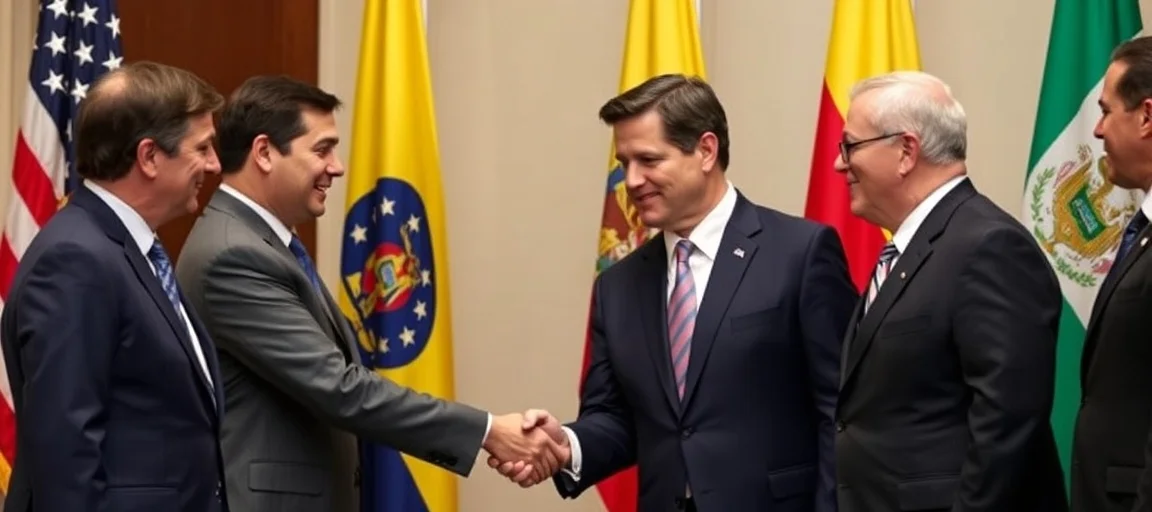
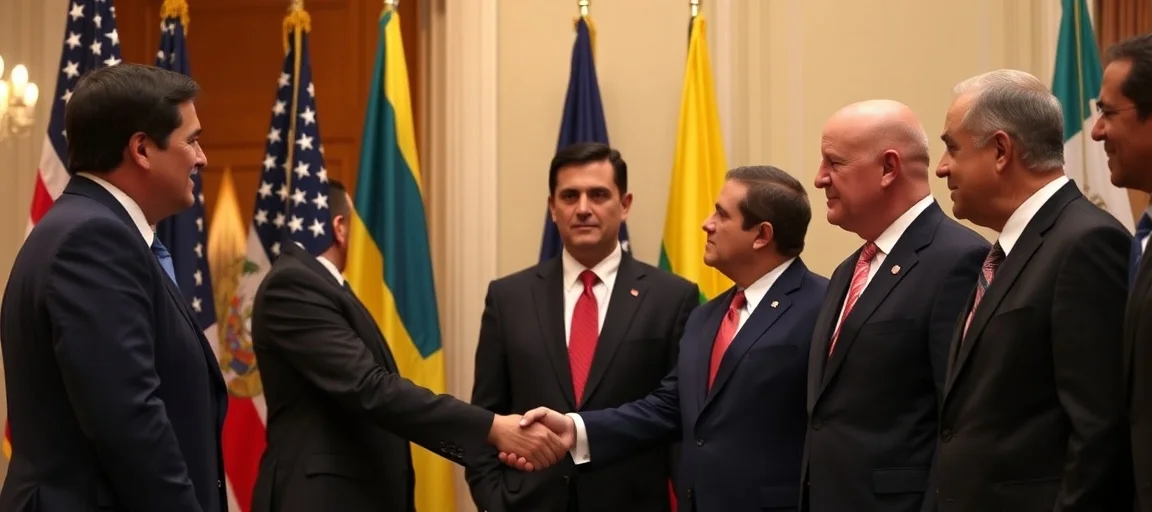
Secretary of State Marco Rubio has commenced a significant and key diplomatic tour across South America, signaling a renewed focus on the Western Hemisphere as a cornerstone of U.S. foreign policy, with a clear focus on regional security. This Sec. Rubio Begins Key South America Diplomatic Tour aims to bolster regional security, enhance economic cooperation, and solidify alliances with U.S.-aligned governments. The extensive itinerary includes stops in Colombia, Ecuador, and Peru, where discussions are centered on critical issues ranging from counter-narcotics strategies and migration challenges to economic development and countering external malign influence. The tour highlights the Trump administration's "America First" approach, emphasizing the importance of close partnerships within its own neighborhood.
- Background Context of the Diplomatic Tour
- Objectives and Key Destinations in Sec. Rubio's Diplomatic Tour
- Expert Analysis: Geopolitical Implications for South America
- Historical Precedent and Future Outlook
- The Significance of Sec. Rubio's Engagement
- Conclusion
- Frequently Asked Questions
- Further Reading & Resources
Background Context of the Diplomatic Tour
The current diplomatic offensive by Secretary Rubio occurs within a dynamic and increasingly complex geopolitical landscape in Latin America. The Trump administration has articulated a "Trump Corollary" to the Monroe Doctrine, asserting the U.S. right to intervene to prevent "hostile foreign incursions" and secure critical supply chains in the hemisphere. This strategy emphasizes U.S. preeminence in the Western Hemisphere, seeking to reward aligned governments and counter the growing presence of actors like China and Russia. Decades of what some have termed U.S. disengagement from Latin America have facilitated the proliferation of narco-terrorism, criminal organizations, and increased influence from extra-hemispheric powers, necessitating a more assertive U.S. stance.
The shift towards a more muscular approach, driven by security concerns such as migration, drug trafficking, and organized crime, often prioritizes military means and trade diplomacy. This strategic repositioning reflects a broader foreign policy doctrine that seeks to address regional challenges through robust engagement with like-minded governments, often bypassing multilateral forums in favor of direct bilateral cooperation. The emphasis is on tangible results, leveraging U.S. influence to protect interests and foster stability.
Objectives and Key Destinations in Sec. Rubio's Diplomatic Tour
Secretary Rubio's tour is designed to advance specific U.S. interests across three strategically important South American nations: Colombia, Ecuador, and Peru. Each stop has tailored objectives, but overarching themes include strengthening security cooperation, enhancing economic partnerships, and addressing regional threats. The diplomatic push is aimed at solidifying U.S. influence and ensuring regional stability.
The trip reinforces the Trump administration's agenda, which prioritizes a militarized anti-drug strategy, cementing new right-wing alliances, and making inroads on energy, security, and migration issues. Rubio's discussions with leaders in these nations are also focused on countering malign Chinese and Russian influence in the region, which is viewed as a significant challenge to U.S. interests and hemispheric security.
Strengthening Bilateral Ties and Economic Cooperation
A key component of Secretary Rubio's visit is to deepen economic relationships and explore new opportunities for trade and investment. The administration aims to foster economic growth and resilience across the Americas.
-
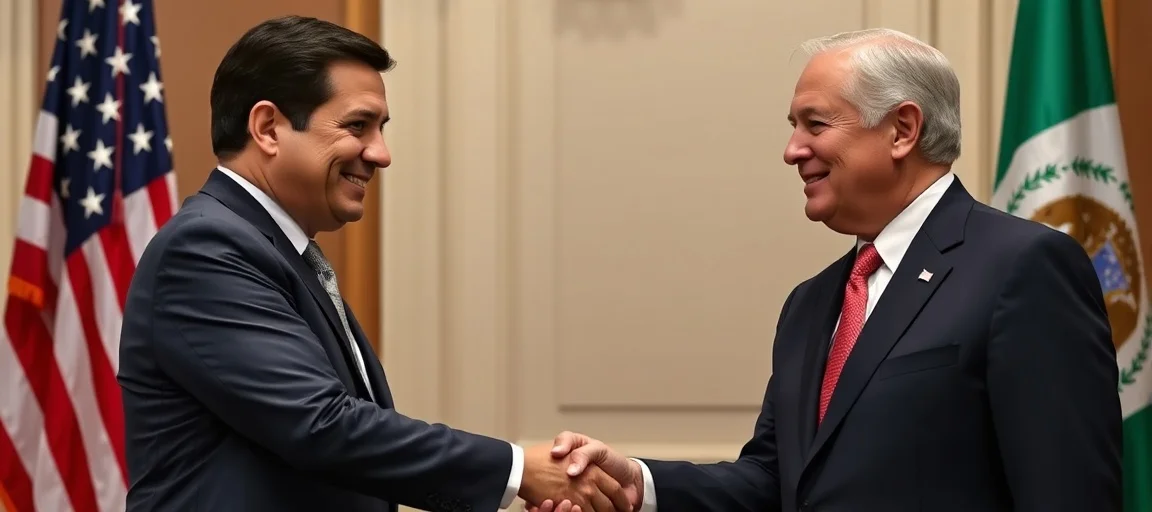
Colombia: In Barranquilla, Secretary Rubio met with President Abelardo de la Espriella, a conservative leader aligned with U.S. policies. Discussions included signing a civil nuclear cooperation deal and a critical minerals agreement, signaling a renewed strategic alliance. These agreements are expected to boost Colombia's energy security and contribute to sustainable development.
-
Ecuador: In Ecuador, Secretary Rubio announced efforts to finalize "good, solid" trade deals. The focus is on combating illegal gold mining and illicit finance, with a pledged $10 million initiative. These economic measures are intertwined with security goals, aiming to disrupt funding sources for criminal organizations.
-
Peru: In Lima, Secretary Rubio reinforced the enduring U.S. partnership with Peru, particularly in expanded economic opportunity. Key economic initiatives include a 6.5 million rural connectivity project is underway to provide satellite-based internet to schools, businesses, and public institutions in Peru's southern regions. The United States and Peru are also advancing discussions on U.S. investment through the Army Corps of Engineers in the Naval Base of the Port of Callao, reaffirming the U.S. as a trusted partner for Peru's investment and infrastructure needs.
These economic engagements are part of a broader strategy to relocate critical supply chains to the Western Hemisphere, promoting economic growth in partner countries and safeguarding U.S. economic security.
Addressing Regional Challenges and Security Concerns
Security remains a paramount concern for the U.S. in South America, with Secretary Rubio's tour directly addressing issues such as narcoterrorism, illegal migration, and transnational criminal organizations.
-
Colombia: The visit to Colombia highlighted efforts to combat drug trafficking, with President de la Espriella embracing Trump's policies on drugs and immigration. Cooperation with the United States on intelligence and military equipment is essential as Colombia intensifies its fight against narco-terrorist organizations. The Colombian Foreign Minister affirmed that security, including combating drug trafficking, would be a primary focus of discussions.
-
Ecuador: Secretary Rubio pledged significant security funding for Ecuador, including $45 million in new security funding and the provision of a Coast Guard cutter and five interceptor vessels for Ecuador's navy. Critically, the U.S. designated two Ecuador-based gangs, Los Tiguerones and Los Lobos/Los Choneros, as foreign terrorist organizations, enabling broader U.S. government options to crack down on these groups. Joint operations with the U.S. military have commenced in Ecuador, targeting designated terrorist organizations and providing planning, intelligence, and support to Ecuadorian forces.
-
Peru: The U.S. reinforced its commitment to supporting Peru's fight against narcoterrorist and transnational criminal organizations. Peru has joined the "Shield of the Americas" initiative, reflecting growing cooperation on counterterrorism, counternarcotics, and security. The U.S. is supporting Peru's F-16 program with $20 million in FY 2026 Foreign Military Financing and is transferring two King Air 360ER Beechcraft aircraft to the Peruvian Navy to enhance maritime domain awareness and disrupt criminal organizations. Cooperation with the Peruvian National Police, including U.S. support for special vetted units, is also being strengthened.
The "Shield of the Americas" initiative, launched under the Trump administration, commits participating countries to using "hard power against this threat to security and civilization." This includes training and capacity-building for partner countries' armed forces, emphasizing military solutions to combat drug smuggling and migration.
Expert Analysis: Geopolitical Implications for South America
Secretary Rubio's diplomatic tour and the broader U.S. strategy in South America carry significant geopolitical implications for the region. Experts suggest that the emerging political alignment between the U.S. and new conservative governments in Latin America could lead to enhanced regional cooperation on security, counternarcotics, and trade. This push comes at a time when the region faces ongoing challenges such as democratic backsliding, economic stagnation, and widespread corruption, which have fueled social unrest and migration.
The explicit focus on countering malign Chinese and Russian influence indicates a strategic competition in the Western Hemisphere. China's economic role and presence, particularly in critical infrastructure and sensitive national security areas, are a concern for the U.S. Russia is also viewed as an acute threat, with both powers seeking to undermine U.S. interests. The U.S. efforts aim to bring countries back into the American sphere of influence through both rewards for cooperation and considerable leverage against those less enthusiastic.
However, this assertive approach also faces criticism. Concerns exist regarding the overemphasis on military solutions, the neglect of structural problems, and the risk of fostering anti-American sentiment in a region with a complex history of U.S. intervention. The balance between robust engagement and respect for national sovereignty remains a delicate one. Some fear that designating criminal gangs as terrorist organizations and deploying U.S. military assets could lead to unforeseen consequences or draw the U.S. into protracted conflicts.
Historical Precedent and Future Outlook
U.S.-Latin America relations have a long and often complex history, characterized by periods of strong cooperation, economic ties, and political tension. Historically, the U.S. has regarded parts of Latin America as within its sphere of influence, a stance that has evolved but often persisted in various forms. Past U.S. administrations have had varying degrees of engagement, sometimes leading to a perception of neglect from the region.
The current "America First" strategy, with its emphasis on the Western Hemisphere, represents a deliberate pivot from previous approaches that often prioritized other global regions. This renewed attention signals a long-term commitment to reshaping the dynamics of the region. The transactional approach adopted by the Trump administration, using rewards and leverage, aims to yield tangible results in areas like migration control, counter-narcotics, and economic alignment.
Looking forward, the success of this strategy will depend on sustained diplomatic efforts and the ability to balance security imperatives with economic development and respect for democratic institutions. The partnerships forged during Secretary Rubio's tour, particularly with governments demonstrating alignment with U.S. interests, are intended to lay the groundwork for a more secure, prosperous, and stable Western Hemisphere. The aim is to ensure that Latin America remains a strategic asset for the United States, rather than a liability in global strategic competition.
The Significance of Sec. Rubio's Engagement
The diplomatic tour undertaken by Secretary Rubio is significant not only for the immediate agreements and partnerships it fosters but also for the long-term implications it holds for U.S. foreign policy in the Western Hemisphere. By directly engaging with key South American nations, the U.S. aims to reassert its leadership and address pressing challenges that impact both regional and American security and prosperity. This proactive diplomacy underscores a strategic recalibration, moving away from perceived disengagement towards a more interventionist and outcome-oriented approach.
The tour's focus on "narcoterrorism" reflects a redefined threat perception, where criminal organizations are treated with the gravity typically reserved for state-sponsored terrorism. This reframing justifies intensified military and law enforcement cooperation, as seen in the designation of Ecuadorian gangs as foreign terrorist organizations and direct military support. Furthermore, the emphasis on securing supply chains and promoting U.S. investments in critical minerals signals a strategic economic dimension designed to counter rival powers and build a more resilient hemispheric economy.
This diplomatic push also seeks to cultivate a new generation of U.S.-aligned leaders, leveraging common conservative values to solidify alliances and facilitate coordinated action against shared threats. The ongoing discussions about trade deals and security assistance are concrete manifestations of this strategy, offering tangible benefits to partner nations while advancing U.S. interests. The success of these efforts could significantly alter the geopolitical landscape of South America, potentially leading to stronger regional integration with the U.S. and a reduction in adversarial influence.
Conclusion
Secretary of State Marco Rubio’s pivotal South America diplomatic tour marks a resolute recommitment by the United States to its hemispheric partners, prioritizing robust security cooperation, economic development, and strategic alignment. The concentrated efforts in Colombia, Ecuador, and Peru underscore a comprehensive strategy to combat shared threats like narcoterrorism and illegal migration, while simultaneously building stronger economic foundations and countering the influence of external adversaries. This Sec. Rubio Begins Key South America Diplomatic Tour is poised to redefine U.S. engagement in the region, fostering alliances that are crucial for mutual prosperity and stability in a rapidly evolving global environment. The outcomes of this tour will undoubtedly shape the future trajectory of U.S.-South American relations for years to come.
Frequently Asked Questions
Q: What are the primary goals of Sec. Rubio's diplomatic tour?
A: Secretary Rubio's tour aims to bolster regional security through counter-narcotics efforts and addressing migration challenges. It also seeks to enhance economic cooperation, forge new trade deals, and strengthen alliances with U.S.-aligned governments to counter external malign influence.
Q: Which South American countries is Sec. Rubio visiting on this tour?
A: Secretary Rubio's itinerary includes strategically important stops in Colombia, Ecuador, and Peru. These nations are key partners in U.S. efforts to enhance hemispheric security and economic stability.
Q: How is the U.S. addressing Chinese and Russian influence in South America?
A: The U.S. is countering Chinese and Russian influence by strengthening economic partnerships, offering development finance, and providing security assistance. This strategy aims to reinforce U.S. as a trusted partner and protect critical supply chains.