Europe Celebrates Heritage Preservation Day with Unrivaled Cultural Access
Europe is once again abuzz with activity as the continent recently concluded its annual celebration, where Europe Celebrates Heritage Preservation Day, offering unprecedented access to its rich historical and cultural tapestry. This significant event, known officially as European Heritage Days, unites millions of citizens across 50 countries, inviting them to discover and appreciate their shared past. From ancient ruins to modern architectural marvels, the celebration underscores the immense value and ongoing commitment to preserving the continent's diverse heritage, fostering a deeper connection between people and their history.
- The Significance of European Heritage Days
- A Rich History of Preservation
- Unlocking Europe's Hidden Treasures
- Recent Celebrations and Notable Highlights
- Expert Perspectives on Preservation
- The Broader Impact of Heritage Preservation
- Challenges and Future Outlook
- Conclusion: A Shared Future Through a Shared Past
- Frequently Asked Questions
- Further Reading & Resources
The Significance of European Heritage Days
European Heritage Days (EHD) is a joint initiative of the Council of Europe and the European Commission, established in 1985 by the Council of Europe. This pan-European event allows citizens to explore thousands of monuments and sites, many of which are not normally open to the public, providing a unique opportunity to engage directly with their cultural legacy. These days are designed to raise awareness about the importance of heritage preservation, highlight common European cultural roots, and promote mutual understanding across national borders. Each year, a specific theme is chosen, encouraging participants to view heritage through a particular lens, making the experience fresh and engaging for repeat visitors and newcomers alike.
A Rich History of Preservation
The concept of preserving cultural heritage in Europe dates back centuries, but organized, continent-wide efforts gained significant momentum in the latter half of the 20th century. Post-World War II reconstruction efforts brought a renewed focus on safeguarding damaged historical sites, and the recognition of culture as a unifying force emerged. The formalization of European Heritage Days in the 1980s marked a pivotal step, transforming a fragmented collection of national initiatives into a cohesive, international movement. This initiative not only protects tangible heritage like buildings and artifacts but also intangible heritage, including traditions, languages, and performing arts, ensuring that the full spectrum of European culture is recognized and sustained for future generations.
Unlocking Europe's Hidden Treasures
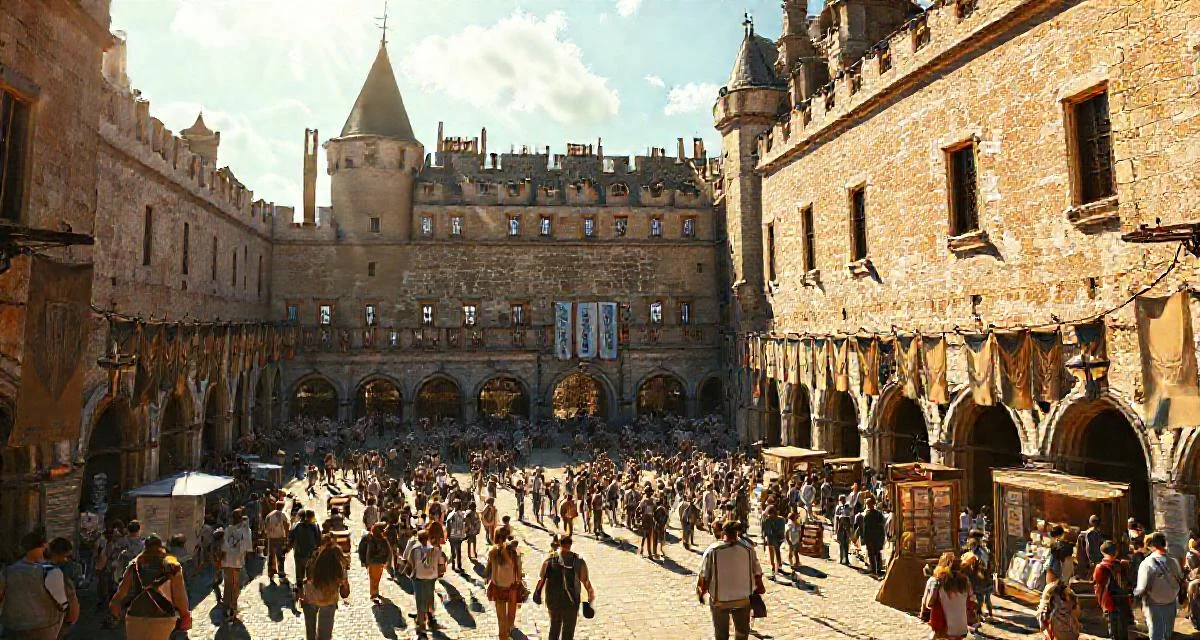
During European Heritage Days, a multitude of sites, ranging from grand castles and majestic cathedrals to quaint historical homes and industrial heritage sites, throw open their doors. These typically include national monuments, archaeological digs, and even private residences with significant historical value. The open-door policy offers a rare glimpse into stories often concealed behind closed gates, allowing visitors to experience history firsthand. In many instances, special guided tours, workshops, and reenactments are organized, providing deeper insights and a more interactive experience for all ages.
The diversity of accessible sites reflects Europe’s complex history, showcasing everything from Roman fortifications to Baroque palaces and 20th-century industrial complexes. By providing access, the program ensures that history is not just a subject found in textbooks, but a living, breathing reality that people can touch and walk through. This tactile connection is fundamental to the mission of the organizers.
The Role of Local Communities
A cornerstone of the European Heritage Days is the active participation of local communities. Volunteers, local historians, cultural organizations, and municipal authorities play a crucial role in organizing events, guiding tours, and sharing local narratives. This grassroots involvement is vital, as it ensures that the celebrations are tailored to the unique heritage of each region, making the event truly representative of Europe's mosaic of cultures.
Local communities often use this opportunity to highlight lesser-known aspects of their heritage, bringing local folklore, traditional crafts, and unique architectural styles into the spotlight. This decentralized approach allows for a more authentic and personal engagement with history, enriching the visitor experience significantly. By empowering local residents, the movement fosters a sense of pride that extends beyond the event dates.
Educational Outreach and Engagement
Education is a core component of the Heritage Preservation Day celebrations. Schools and educational institutions are encouraged to integrate the themes into their curricula, with many sites offering specialized programs for students. These initiatives aim to instill a sense of pride and responsibility for heritage among younger generations.
Through interactive exhibits, storytelling sessions, and hands-on activities, children and teenagers learn about their past in an engaging and memorable way. The goal is to cultivate a new generation of heritage advocates who understand the importance of preserving cultural assets for their intrinsic value and their role in shaping identity and fostering social cohesion. This educational emphasis is critical for long-term sustainability of preservation efforts, ensuring the baton of history is safely passed forward.
Recent Celebrations and Notable Highlights
The 2026 European Heritage Days, following the overarching theme of "Heritage and Sustainability," saw an extraordinary array of events across the continent. In Germany, numerous medieval castles and monasteries hosted eco-friendly tours, demonstrating how ancient structures can adapt to modern sustainability practices. France highlighted its agricultural heritage, with special access to historical farms and vineyards explaining traditional, sustainable farming methods. Italy showcased restoration projects that incorporated renewable energy solutions, blending historical preservation with contemporary environmental concerns.
These examples illustrate how the annual theme guides specific activities, providing a focused narrative for participants. One particularly noteworthy initiative this year was in the Netherlands, where several iconic windmills, symbols of Dutch heritage, offered interactive workshops on their historical significance and their ongoing role in renewable energy generation. Visitors learned about the mechanics of these ancient machines and their modern applications. Similarly, in Poland, urban heritage walks focused on revitalized post-industrial districts, emphasizing sustainable urban development and the repurposing of historical factory buildings into cultural hubs.
Expert Perspectives on Preservation
Leading experts in cultural heritage emphasize the multi-faceted benefits of initiatives like European Heritage Days. Dr. Elara Vance, a renowned European cultural historian, states, "These days are more than just open houses; they are vital platforms for dialogue, education, and fostering a collective European identity. They remind us that our shared past is a powerful foundation for our common future." She highlights how the events bridge generational gaps and connect people to their local environments.
Another prominent voice, Professor Marc Dubois, an architect specializing in conservation, adds, "Preserving our built heritage is not merely about maintaining old buildings; it's about safeguarding the stories they tell, the craftsmanship they represent, and the memories they evoke. European Heritage Days bring these stories to life for millions, making preservation a tangible and relatable concept." He also points out the economic benefits, noting that well-preserved heritage sites attract tourism and stimulate local economies. The collaboration between academic institutions, governmental bodies, and non-governmental organizations remains the backbone of the movement.
The Broader Impact of Heritage Preservation
The impact of initiatives like Europe Celebrates Heritage Preservation Day extends far beyond the days of the event itself. It cultivates a continuous public awareness and appreciation for cultural heritage, influencing policy decisions and funding allocations for conservation projects. The collective effort contributes significantly to the protection of endangered sites, the revitalization of historic urban centers, and the promotion of sustainable tourism practices.
By engaging citizens directly, these events foster a sense of ownership and responsibility towards cultural assets, ensuring their long-term viability. The economic benefits are substantial, with heritage tourism generating significant revenue and employment across the continent. When communities see their local landmarks thriving, it often leads to a cycle of reinvestment and care that keeps the history alive.
Economic and Social Benefits
Beyond cultural enrichment, heritage preservation offers tangible economic and social advantages. Historic sites, when properly maintained and promoted, become significant tourist attractions, driving local economies through visitor spending on accommodation, food, and local crafts. This creates jobs, from restoration experts and museum curators to local guides and hospitality staff.
Moreover, the preservation of historical buildings often leads to urban regeneration, revitalizing neighborhoods and increasing property values. Socially, these sites serve as focal points for community identity and pride, offering spaces for cultural exchange and fostering a sense of continuity between past and present generations. They provide venues for community events, educational programs, and cultural festivals, strengthening social bonds in an increasingly digital world.
Environmental Considerations
The "Heritage and Sustainability" theme of the 2026 European Heritage Days highlighted the growing intersection between cultural preservation and environmental protection. Many historical buildings, built with local, natural materials, offer lessons in sustainable construction. Adapting these structures for modern use often involves less energy and fewer new resources than constructing entirely new buildings.
Furthermore, preserving historic landscapes and traditional farming methods contributes to biodiversity and ecological balance. The careful management of heritage sites often includes practices that protect local flora and fauna, making these areas valuable for both cultural and natural conservation. This holistic approach ensures that preservation efforts contribute to broader environmental goals, proving that the past can indeed help save the future.
Challenges and Future Outlook
Despite the widespread success and positive impact, heritage preservation in Europe faces ongoing challenges. Funding remains a perennial concern, with many sites requiring significant investment for maintenance, restoration, and modernization. The impact of climate change, including extreme weather events and rising sea levels, poses a direct threat to numerous coastal and vulnerable inland heritage sites.
Additionally, balancing accessibility for mass tourism with the delicate nature of historical structures requires careful management and innovative solutions. Digitalization also presents both opportunities and challenges, offering new ways to document and share heritage, but also requiring investment in new technologies and expertise. Looking ahead, the future of European Heritage Days and heritage preservation across Europe will likely involve an even greater emphasis on digital engagement, sustainable practices, and inclusive access.
Leveraging virtual reality and augmented reality can offer immersive experiences to a broader audience, overcoming geographical barriers. Continued collaboration between member states, coupled with increased public and private funding, will be crucial for addressing the existing challenges and ensuring that Europe's unparalleled cultural legacy continues to thrive.
Conclusion: A Shared Future Through a Shared Past
The annual celebration where Europe Celebrates Heritage Preservation Day is a testament to the continent's enduring commitment to its past and a powerful investment in its future. By opening the doors to thousands of historical sites and fostering dialogue across diverse communities, European Heritage Days strengthens cultural understanding, promotes education, and reinforces a shared European identity.
These celebrations are not merely nostalgic glances backward; they are dynamic, forward-looking initiatives that harness the power of heritage to address contemporary challenges, from sustainable development to social cohesion. As Europe continues to evolve, the safeguarding of its precious heritage will remain a cornerstone of its collective endeavor, reminding all of the profound importance of knowing where we come from to better understand where we are going.
Frequently Asked Questions
Q: What is Heritage Preservation Day?
A: It is an annual event that opens thousands of historical sites to the public to foster cultural appreciation.
Q: Is it only in Europe?
A: Yes, it is a pan-European initiative across 50 countries.
Q: Why is this important?
A: It connects citizens to their shared past and promotes the sustainability of historical assets.