Bangkok Declares Disaster Zones Amid Severe Flooding: Urgent Update
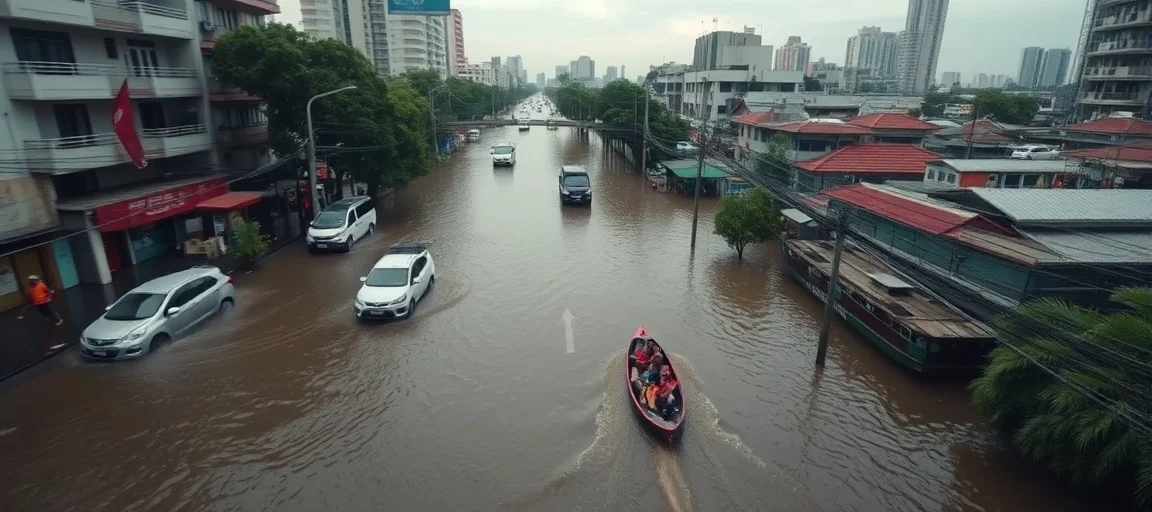
Bangkok declares disaster zones amid severe flooding as the city faces an urgent update on the escalating crisis. The declaration comes as relentless monsoon rains, coupled with high tides and overflowing rivers, have submerged vast areas of the Thai capital, disrupting daily life for millions and forcing thousands from their homes. This critical measure allows local administrations to mobilize additional resources, expedite relief efforts, and provide immediate assistance to affected residents grappling with the rising water levels.
- The Resurgence of Bangkok's Flood Woes
- Understanding the Current Flood Situation and its Causes
- The Immediate Impact on Residents and Infrastructure
- Government and Emergency Response Efforts
- Historical Context of Bangkok Flooding
- Climate Change and Future Preparedness
- Expert Opinions and Community Resilience
- Conclusion: The Path Forward for Bangkok
- Frequently Asked Questions
- Further Reading & Resources
The Resurgence of Bangkok's Flood Woes
Bangkok, a sprawling metropolis built on a low-lying delta, has a long history of contending with annual monsoon floods. However, the current situation represents a particularly challenging period, exacerbated by a confluence of environmental factors and persistent heavy rainfall. The city’s complex network of canals and drainage systems is currently overwhelmed, struggling to cope with the sheer volume of water cascading from upstream and accumulating within the urban landscape. This intricate interplay of geography and meteorology consistently positions the capital at high risk during the rainy season.
The government's decision to declare affected areas as disaster zones is not taken lightly, signaling the severity and widespread impact of the inundation. It activates specific protocols designed to streamline the response, ensuring that emergency services, medical aid, and essential supplies can reach those most in need without bureaucratic delays. For residents, this declaration is a clear indication of the crisis's magnitude and the need for heightened vigilance and cooperation with authorities. As seen in other regions managing climate-related crises, such as those discussed in Climate Week NYC 2026 Concludes with Key Talks on Global Future, urban resilience is becoming a primary global focus.
Understanding the Current Flood Situation and its Causes
The recent deluge that has led to Bangkok declaring disaster zones amid severe flooding stems from a combination of intense and prolonged rainfall, rising river levels, and coastal influences. The monsoon season in Thailand typically brings heavy downpours, but recent weeks have seen precipitation far exceeding seasonal averages across the country, particularly in the northern and central regions that feed into the Chao Phraya River basin.
Relentless Rainfall and Upstream Discharges
Weeks of persistent heavy rainfall upstream, particularly in the northern and central regions of Thailand, have significantly swollen major rivers, including the Chao Phraya. This has necessitated increased water discharges from major dams, such as the Bhumibol and Sirikit dams, to prevent structural damage and manage water levels. While necessary, these controlled releases contribute directly to the rising water levels downstream in Bangkok. The city, situated at the tail end of this vast river system, bears the brunt of these combined flows.
High Tides and Drainage Challenges
Compounding the issue is the timing of high tides in the Gulf of Thailand. As the Chao Phraya River, already engorged, attempts to drain into the sea, it encounters resistance from these elevated tidal levels. This creates a bottleneck effect, slowing down the rate at which floodwaters can recede from the city. Bangkok’s extensive, yet aging, drainage infrastructure, including pumping stations and canals (khlongs), struggles to effectively manage the large volumes of water when faced with both inland deluges and high sea levels. The sheer scale of water ingress has surpassed the design capacity of many urban drainage components.
Vulnerable Districts and Immediate Impact
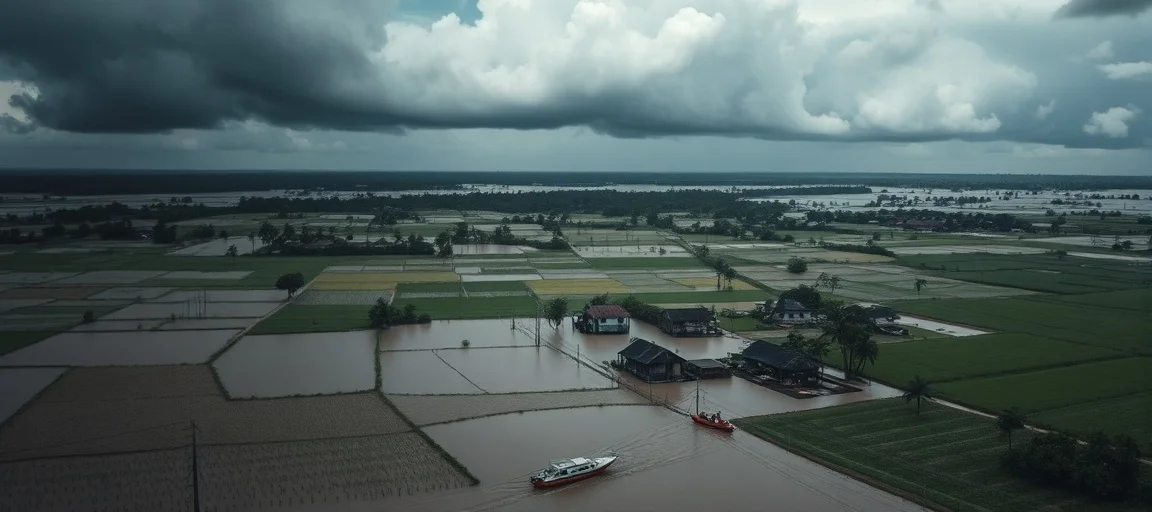
Several districts have been particularly hard hit, with reports of water levels reaching waist-high in some residential areas. Initial reports indicate areas along the Chao Phraya River banks, including parts of Nonthaburi, Pathum Thani, and Samut Prakan provinces, which are contiguous with Bangkok, have experienced significant inundation. Within Bangkok itself, low-lying districts and those with less efficient drainage systems are most vulnerable. The declaration of disaster zones primarily targets these areas, allowing for a focused and intensified relief effort. This immediate impact includes submerged roads, stalled vehicles, and households cut off from essential services, highlighting the critical nature of the government's response. For context on similar infrastructure failures, one might look at reports like the Delhi Building Collapse: Arrests & Inquiry Ordered – A Full Report, which underscores the fragility of urban planning in the face of natural and human-made stressors.
The Immediate Impact on Residents and Infrastructure
The consequences of the severe flooding are far-reaching, profoundly affecting the daily lives of Bangkok's inhabitants and placing immense strain on the city's critical infrastructure. The humanitarian and economic toll is significant, demanding a concerted and rapid response from all levels of government and aid organizations.
Displacement and Livelihoods
Thousands of residents in the affected disaster zones have been forced to evacuate their homes, seeking refuge in temporary shelters established by the government or with relatives in drier areas. This displacement brings with it immense hardship, as families are separated from their belongings and routines are shattered. Beyond the immediate loss of shelter, many individuals, particularly those in informal sectors or small businesses, face severe disruptions to their livelihoods. Shops are submerged, markets are inaccessible, and daily commutes for workers are rendered impossible, leading to a significant economic downturn in affected areas.
Damage to Homes and Businesses
The rising floodwaters wreak havoc on both residential and commercial properties. Homes are inundated, leading to extensive damage to furniture, appliances, and personal belongings. The stagnant water also poses long-term health risks, promoting mold growth and leaving behind unsanitary conditions that require extensive cleanup. For businesses, particularly small and medium-sized enterprises, the damage can be catastrophic. Inventory is ruined, equipment is damaged, and prolonged closures can lead to irreversible financial losses.
Transportation and Public Services Disruptions
The flooding has brought Bangkok's usually bustling transportation network to a near standstill in many areas. Major roads are impassable, forcing detours and causing severe traffic congestion on alternative routes. Public transport, including buses and even sections of the city's electric rail systems, face delays or complete suspensions, further isolating affected communities. Essential public services are also disrupted. Schools are closed, healthcare facilities face access challenges, and power outages become more frequent, especially in areas where floodwaters compromise electrical infrastructure.
Health Concerns
Stagnant floodwaters create fertile breeding grounds for disease-carrying mosquitoes, increasing the risk of dengue fever and other vector-borne illnesses. Furthermore, contamination of water sources with sewage and waste raises concerns about waterborne diseases. Authorities are issuing warnings and distributing preventative measures, but the sheer scale of the flooding makes widespread health protection a significant challenge. Access to clean drinking water and sanitation becomes a critical concern in inundated areas, necessitating robust public health interventions similar to those needed following the events described in Indonesia Wildfires Blanket SE Asia in Haze; Malaysia Emergency Declared.
Government and Emergency Response Efforts
In response to the escalating crisis, the Thai government and local authorities have swiftly launched a multi-pronged emergency response. Their efforts are focused on immediate relief, protecting critical infrastructure, and preparing for the aftermath of the floods.
Mobilization of Resources
The declaration of disaster zones has unlocked significant government funding and resources, enabling a more rapid and comprehensive response. The Bangkok Metropolitan Administration (BMA) has deployed thousands of personnel, including rescue workers, military personnel, and volunteers, to assist with evacuations, distribute aid, and manage water flow. Emergency response teams are using boats to navigate flooded streets, reaching stranded residents and delivering essential supplies like food, drinking water, and medicine.
Evacuation and Relief Operations
Priority has been given to the evacuation of vulnerable populations, including the elderly, children, and those with pre-existing health conditions. Temporary shelters equipped with basic amenities, medical staff, and psychological support have been set up in schools and community centers in drier parts of the city. Additionally, aid packages are being distributed to households unable to evacuate, ensuring they have access to necessities. The Thai Red Cross and various non-governmental organizations are playing a vital role in complementing government efforts.
Flood Mitigation and Management Measures
Beyond immediate relief, significant efforts are underway to manage the floodwaters within the city. Pumping stations are operating at maximum capacity to drain water from critical areas into the main river and sea. Thousands of sandbags are being deployed to create temporary barriers around vulnerable buildings and infrastructure, including hospitals and government offices. Authorities are also monitoring river levels meticulously and adjusting water releases from upstream dams in an attempt to minimize further impact on the capital. Discussions are ongoing regarding the potential for longer-term solutions such as enhancing the network of flood barriers and drainage tunnels.
Historical Context of Bangkok Flooding
Bangkok's vulnerability to flooding is not a new phenomenon; it is deeply embedded in the city's history and geography. Understanding past events provides crucial context for the challenges faced today and informs future preparedness strategies.
The Great Flood of 2011
The most severe flood in recent memory occurred in 2011, submerging large parts of Bangkok and central Thailand for months, affecting millions and causing billions of dollars in damage. Originating from exceptionally heavy monsoon rains that led to widespread inundation in the northern and central provinces, the floodwaters gradually made their way downstream to Bangkok. The 2011 floods exposed significant weaknesses in the city's flood management and warning systems, leading to widespread criticism and calls for urgent infrastructure upgrades. Lessons from this catastrophic event have since driven some improvements in disaster preparedness and response protocols.
Lessons Learned and Persistent Challenges
Following the 2011 disaster, the Thai government invested heavily in flood prevention measures, including expanding drainage tunnels, reinforcing riverbanks, and improving early warning systems. New flood barriers and pumping stations were also constructed or upgraded. However, experts argue that these measures, while helpful, may still be insufficient to fully protect a rapidly urbanizing, low-lying city from increasingly extreme weather patterns. The intricate network of canals, while historically serving as natural drainage, is often choked with waste and has been reduced in capacity by urban encroachment, further complicating water management.
Climate Change and Future Preparedness
The current flooding in Bangkok is a stark reminder of the escalating threat posed by climate change, particularly to low-lying coastal cities. As global weather patterns become more erratic and extreme, Bangkok's vulnerability is set to intensify, demanding innovative and sustainable long-term solutions.
Exacerbated Risks from Climate Change
Climate change is contributing to more intense and unpredictable monsoon seasons, leading to heavier rainfall events. Simultaneously, rising sea levels in the Gulf of Thailand increase the risk of storm surges and reduce the effectiveness of the city's natural and artificial drainage systems. The combination of increased freshwater inflow from extreme rainfall and higher sea levels creates a "perfect storm" scenario for Bangkok, where the city struggles to shed excess water. This exacerbates the frequency and severity of flooding, making events like the current one potentially more common and devastating.
Bangkok's Vulnerability as a Low-Lying City
Bangkok is sinking at an alarming rate, estimated by some studies to be several centimeters per year in certain areas, primarily due to excessive groundwater extraction and the natural compaction of its soft clay soil. This subsidence, coupled with rising sea levels, means that a larger proportion of the city will fall below sea level in the coming decades, making it even more susceptible to inundation. Without drastic measures, parts of Bangkok could be permanently submerged by the end of the century. The city's geography, sitting on the Chao Phraya River Delta, makes it inherently vulnerable to both riverine and coastal flooding, a challenge amplified by global warming.
Long-Term Mitigation Strategies
Addressing Bangkok's long-term flood vulnerability requires a multi-faceted approach, integrating engineering solutions with sustainable urban planning and environmental management.
- Mega-Drainage Tunnels: The BMA has been investing in massive underground drainage tunnels designed to quickly divert large volumes of floodwater. Expanding this network and ensuring its optimal operation is critical.
- Sea Barriers and Dikes: Discussions continue regarding the construction of more extensive sea barriers and dikes along the coastline to protect against storm surges and rising sea levels. Such projects are immensely expensive and complex but may become unavoidable.
- Green Infrastructure: Promoting green spaces, urban wetlands, and permeable surfaces can help absorb rainfall naturally, reducing runoff and easing the burden on conventional drainage systems. This "nature-based solution" approach is gaining traction globally.
- Groundwater Replenishment: Stricter regulation of groundwater extraction and exploring artificial groundwater replenishment schemes could help slow down the rate of land subsidence.
- Relocation and Adaptation: In the most extreme scenarios, future planning may need to consider strategic relocation of critical infrastructure or the adoption of amphibious architectural designs, though these are last-resort measures.
Expert Opinions and Community Resilience
The ongoing flooding has drawn attention from environmental experts and urban planners, who offer insights into both the immediate crisis and the long-term prognosis for Bangkok. Amidst the challenges, the resilience of the local community stands out.
Perspectives from Hydrologists and Urban Planners
Hydrologists emphasize the need for integrated water management across the entire Chao Phraya River basin, not just within Bangkok itself. Effective flood control for Bangkok cannot be achieved in isolation; it requires comprehensive planning that considers upstream dam management, river dredging, and coastal protection as interconnected elements. Urban planners, meanwhile, highlight the critical role of sustainable development. Uncontrolled urban sprawl, particularly into natural flood plains and wetlands, has severely diminished Bangkok's natural capacity to absorb floodwaters. Future development must prioritize green infrastructure and respect the city's unique aquatic geography. Both experts agree that a holistic approach, blending traditional engineering with ecological solutions, is paramount for the city's future.
Community Self-Help and Volunteerism
Despite the hardships, the spirit of community resilience in Bangkok remains strong. Local residents are organizing self-help initiatives, from distributing food and water to assisting neighbors with sandbagging and evacuations. Volunteer groups have emerged, utilizing social media to coordinate aid deliveries and rescue operations in the most inaccessible areas. Temples and schools often serve as informal community hubs, providing shelter and support. This grassroots response complements official efforts, demonstrating the enduring solidarity within the city's diverse neighborhoods. The immediate crisis response is not just about government action but also about neighbor helping neighbor.
Conclusion: The Path Forward for Bangkok
The declaration that Bangkok Declares Disaster Zones Amid Severe Flooding underscores the urgent and multifaceted challenges facing Thailand's capital. While the immediate focus remains on rescue, relief, and water management, this event serves as a critical reminder of the city's inherent vulnerability to natural disasters, a vulnerability increasingly magnified by the impacts of climate change. The confluence of heavy monsoon rains, upstream discharges, and high tides has pushed the city's infrastructure to its limits, disrupting lives and livelihoods for thousands.
Moving forward, Bangkok must redouble its efforts in implementing long-term, sustainable flood mitigation strategies. This includes not only enhancing its physical infrastructure, such as drainage tunnels and protective barriers, but also adopting comprehensive urban planning that respects the city's natural hydrology. Investing in green infrastructure, promoting responsible land use, and improving early warning systems are essential steps. The resilience demonstrated by the city's residents and the coordinated efforts of government agencies and volunteers offer a beacon of hope. However, without sustained commitment to proactive environmental management and climate adaptation, Bangkok will continue to face the recurring threat of severe flooding, making robust preparedness and decisive action the only path to a more secure future.
Frequently Asked Questions
Q: Why did Bangkok declare disaster zones?
A: Persistent monsoon rains and high tides overwhelmed the city drainage systems.
Q: Is climate change involved?
A: Yes, it increases rainfall intensity and sea levels.
Q: How can residents stay safe?
A: Follow government alerts and avoid floodwaters to prevent health risks.