Indonesia Wildfires Blanket SE Asia in Haze; Malaysia Emergency Declared
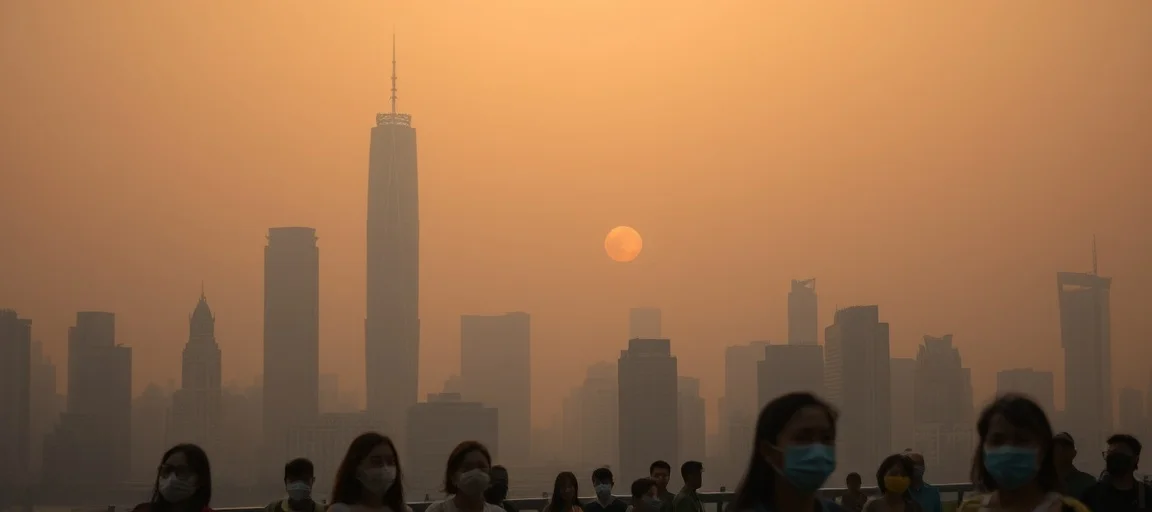
The air across much of Southeast Asia has turned a thick, acrid brown as Indonesia Wildfires Blanket SE Asia in Haze; Malaysia Emergency declared, marking a severe escalation of a recurring environmental crisis. For weeks, vast swathes of Indonesia’s Borneo and Sumatra islands have been battling intense fires, releasing hazardous smoke that has now drifted across borders to Malaysia, Singapore, and the Philippines. This widespread environmental disaster has prompted Malaysia to declare a state of emergency in a Sarawak district, where air pollution levels have soared to critical, life-threatening levels. The current dry conditions, exacerbated by a strong El Niño weather phenomenon, are intensifying these blazes, making containment efforts incredibly challenging and posing significant health and economic risks across the region.
- The Recurring Scourge: Understanding Southeast Asia's Haze Crisis
- Unfolding Crisis: Key Details of the Indonesia Wildfires and Malaysia Emergency
- Widespread Impacts on Health, Education, and Economy
- Addressing the Crisis: National and Regional Responses
- Frequently Asked Questions
- Further Reading & Resources
- Conclusion: A Continued Battle Against the Haze
The Recurring Scourge: Understanding Southeast Asia's Haze Crisis
Southeast Asia has been grappling with transboundary haze pollution for decades, a persistent environmental issue that typically flares up during the dry season between July and October. Notable years of severe haze, such as 1997, 2013, 2015, and 2019, serve as grim reminders of the region's vulnerability to this annual phenomenon. This year, 2026, is proving to be another exceptionally challenging period, with conditions comparable to the devastating El Niño years of 2015 and 2019.
The Role of El Niño and Human Activity
At the heart of the current crisis is the El Niño weather pattern, which the United Nations suggests could be the strongest in four decades. This natural climate phenomenon brings hotter and drier conditions to Southeast Asia, creating an environment ripe for fires to ignite and spread rapidly. However, El Niño doesn't start the fires; it merely sets the stage. The primary instigators are human-started fires, predominantly linked to "slash-and-burn" land-clearing practices. This method, often employed by small-scale farmers and large corporations alike, is the cheapest and fastest way to clear land for agricultural purposes, particularly for expanding palm oil and pulpwood plantations.
The problem is exacerbated by the prevalence of peatlands in Indonesia. These wetland ecosystems, rich in partially decomposed organic materials, become highly flammable when drained for agricultural conversion. Once ignited, peat fires are notoriously difficult to extinguish, often smoldering underground for weeks or even months and releasing massive amounts of carbon into the atmosphere. David Gaveau, founder of the Nusantara Atlas, highlighted that these fires are "the legacy of 50 years of forest degradation and deforestation, as well as peatland conversion" into plantations. Furthermore, weak law enforcement and issues of corporate accountability have historically enabled these destructive practices to persist.
Unfolding Crisis: Key Details of the Indonesia Wildfires and Malaysia Emergency
As of early September 2026, the situation has reached critical levels across Southeast Asia.
Geographical Extent and Scale of Fires
The most intense fires are primarily concentrated on Indonesia's Borneo island, a vast tropical jungle shared with Brunei and Malaysia, as well as Sumatra. Reports indicate that West Kalimantan province has experienced particularly severe fire activity. An independent estimate from the Nusantara Atlas portal, which tracks land use and forest changes, reveals that nearly 300,000 hectares of land have burned in Indonesia so far this year. Satellite monitoring platforms like Firewatch have detected over 444,200 fire hotspots across the Indonesian archipelago as of September 3, a 4.5-fold increase since late July.
Soaring Emissions and Air Quality Deterioration
The environmental impact is staggering. Between August 28 and September 3, fires in the archipelago released more than 23 million metric tons of carbon emissions, surpassing the 20.7 million metric tons recorded during the same period in the strong El Niño year of 2015. Copernicus Atmosphere Monitoring Service (CAMS) senior scientist Mark Parrington noted that "extreme fire emissions" are comparable to previous strong El Niño years, indicating a severe and widespread impact on air quality. Indonesia also recorded its highest August monthly total estimated fire emissions since at least 2003, contributing to the highest monthly fire emissions for Asia.
The resulting haze has caused air quality to plummet to "unhealthy" and "hazardous" levels across the region. Singapore has begun issuing daily haze advisories after its 24-hour air quality readings entered the unhealthy range, the first such occurrence since 2023.
Malaysia's Emergency Declaration
The severity of the transboundary haze has led to unprecedented measures in neighboring Malaysia. On September 4, 2026, Malaysia declared a state of emergency in the Serian district of Sarawak state, located on Borneo island. This declaration came after the Air Pollutant Index (API) in Serian surged past the critical emergency threshold of 500, reaching 521. The King of Malaysia, Sultan Ibrahim Iskandar, consented to the emergency declaration, following advice from the Prime Minister and Sarawak's Premier. Kuching, the capital of Sarawak, also registered hazardous API readings of 311. The emergency status allows for more effective measures, potentially including halting non-essential work and outdoor activities.
Widespread Impacts on Health, Education, and Economy
The pervasive haze is not merely an environmental nuisance; it is a profound crisis with far-reaching consequences for public health, education, and the economies of affected nations.
Public Health Crisis
Millions of people across Southeast Asia are directly exposed to hazardous levels of air pollution. The Indonesian Health Ministry reported over 50,000 cases of acute respiratory infections linked to land and forest fires between July and August this year alone. In Malaysia, health officials warned of a dramatic increase in haze-related illnesses in late August, with asthma cases rising by 259% and upper respiratory tract infections increasing by 124% in a single week.
The fine particulate matter (PM2.5) in the haze can penetrate deep into the lungs, exacerbating pre-existing conditions and leading to a range of acute health problems. Vulnerable populations, including children, the elderly, and individuals with chronic respiratory or cardiovascular diseases, are particularly at risk. Studies from past haze events indicate consistent links between haze exposure and increases in outpatient attendance for respiratory illnesses, asthma, rhinitis, and even hospital admissions for conditions like chronic obstructive pulmonary disease exacerbations. Historical data from the 2015 haze crisis estimated up to 100,000 premature deaths, predominantly in Indonesia, and over 500,000 people suffering from respiratory ailments.
Disruption to Education and Daily Life
The severe air quality has led to significant disruptions in education. In Indonesia, over 1.4 million students in six provinces have been forced to shift to online learning due to school closures. Similarly, in Malaysia, nearly 650 schools in Sarawak were closed following the emergency declaration. The Philippines also saw President Ferdinand Marcos Jr. order the suspension of classes in Metro Manila and several other provinces. Beyond schools, reduced visibility caused by the thick smoke has disrupted daily life, impacted transportation, including flight schedules in areas like Pontianak, West Kalimantan. People are advised to minimize outdoor activities and avoid strenuous exercise to protect their health.
Economic Repercussions
The economic toll of the transboundary haze is substantial. The widespread air pollution inhibits tourism, disrupts agricultural productivity, and affects business operations. Past severe haze events offer a glimpse into the potential financial costs. The 1997-1998 haze crisis, for instance, cost the Southeast Asian region an estimated US16 billion and Singapore 0.17 percent of its GDP. These figures underscore the immense financial burden that haze places on national economies, driven largely by short-term health costs and disruptions to productivity and trade.
Environmental Devastation and Climate Change Contribution
Beyond immediate human impact, the wildfires are an environmental catastrophe. The burning of vast tracts of forests and peatlands leads to irreversible biodiversity loss, threatening endangered species such as orangutans and other unique wildlife. Firefighters have reported finding carcasses of snakes and pangolins in burned areas, and a Borneo orangutan rescued from an oil palm plantation died due to suspected smoke inhalation.
Critically, the fires release enormous quantities of greenhouse gases, significantly contributing to climate change. When drained peatlands burn, they release massive carbon stores, reversing their natural role as major carbon sinks. This makes Indonesia one of the world's largest carbon dioxide emitters, primarily due to deforestation and forest degradation. Between August 28 and September 3, the fires released over 23 million metric tons of carbon emissions, surpassing figures from previous strong El Niño years.
Addressing the Crisis: National and Regional Responses
Recognizing the recurrent nature and devastating impact of transboundary haze, both national governments and regional bodies have established frameworks and initiatives to address the problem.
Indonesia's National Efforts
Indonesia has implemented various measures to combat wildfires and haze. These include government regulations, community awareness campaigns, and providing technical training to local communities on fire prevention and the dangers of slash-and-burn practices. Efforts also focus on limiting the burning of forests and land for commercial purposes, despite the ongoing challenge of enforcement across a vast territory. Initiatives for peatland restoration are crucial, involving rewetting peatlands and damming drainage channels to prevent them from drying out and becoming fire-prone. However, the complex interplay of economic needs, social factors, and legacy issues means that solutions must be multi-faceted and tailored to specific local conditions.
ASEAN's Collective Response
At the regional level, the Association of Southeast Asian Nations (ASEAN) has been instrumental in fostering cooperation. The ASEAN Agreement on Transboundary Haze Pollution (AATHP), signed in 2002 and ratified by all member states by 2015, is a legally binding environmental treaty aimed at preventing, monitoring, and mitigating transboundary haze pollution. This agreement emphasizes concerted national efforts and intensified regional and international cooperation.
Further operationalizing the AATHP, ASEAN Member States developed the Roadmap on ASEAN Cooperation towards Transboundary Haze Pollution Control in 2016, outlining strategic components for collective action. The ASEAN Peatland Management Initiative (APMI) and its subsequent Strategy (APMS) guide actions to sustainably manage peatlands and reduce fires. The establishment of the ASEAN Coordinating Centre for Transboundary Haze Pollution Control (ACC THPC) is also mandated to facilitate cooperation and coordination in managing the impact of fires and haze.
International Support and Collaboration
International partners also play a vital role. The United States, through USAID, provides significant support to Indonesia's efforts. This includes immediate humanitarian medical assistance for haze-affected populations and funding for fire suppression, supplying ground-based firefighting crews with equipment like high-pressure pumps and fire-retardant clothing. USAID also offers technical assistance from U.S. Forest Service experts for fire investigations, firefighting management, and peatland ecosystem restoration. Moreover, programs focus on forest governance, advocating for transparent land use planning and policies that direct development away from fire-prone areas, and building capacity for local farmers to adopt fire-free agricultural practices.
Frequently Asked Questions
Q: What is causing the current haze crisis in Southeast Asia?
A: The current haze is primarily caused by widespread wildfires in Indonesia, especially on Borneo and Sumatra islands. These fires are often started by human-related slash-and-burn practices for agricultural expansion, exacerbated by the hot, dry conditions brought by the El Niño weather phenomenon.
Q: Which countries are most affected by the Indonesian wildfires?
A: Indonesia itself is severely affected, particularly its Borneo and Sumatra regions, which are the primary sources of the fires. The transboundary haze significantly impacts neighboring countries such as Malaysia and Singapore, with parts of Malaysia, like Sarawak, declaring emergencies due to critical air pollution levels.
Q: What are the main health risks associated with the haze?
A: The haze contains fine particulate matter (PM2.5) that can penetrate deep into the lungs, causing acute respiratory infections, asthma exacerbations, and other respiratory illnesses. It poses significant risks, especially to vulnerable populations like children, the elderly, and individuals with pre-existing heart or lung conditions.
Further Reading & Resources
- ASEAN Agreement on Transboundary Haze Pollution (AATHP)
- Copernicus Atmosphere Monitoring Service (CAMS) Fire Emission Watch portal
- Nusantara Atlas Portal
Conclusion: A Continued Battle Against the Haze
The severe haze blanketing Southeast Asia, fueled by Indonesia wildfires, and the emergency declared in Malaysia, underscore the urgent and complex nature of this perennial crisis. While El Niño conditions provide a powerful environmental catalyst, the root causes remain deeply entrenched in human activity, particularly unsustainable land-clearing practices and peatland degradation for agriculture. The devastating impacts on public health, educational continuity, and economic stability demand not just immediate response but sustained, collaborative efforts. Moving forward, a combination of robust national policies, rigorous enforcement, strengthened regional cooperation, and continued international support will be crucial in mitigating the immediate dangers and working towards a lasting solution to the transboundary haze, ensuring a healthier and more sustainable future for Southeast Asia. The ongoing crisis highlights that addressing the Indonesia Wildfires Blanket SE Asia in Haze; Malaysia Emergency is not merely an environmental challenge but a fundamental issue of regional well-being and stability.