Indonesian Volcano Eruption Disrupts Flights: Anak Krakatau's Latest Impact
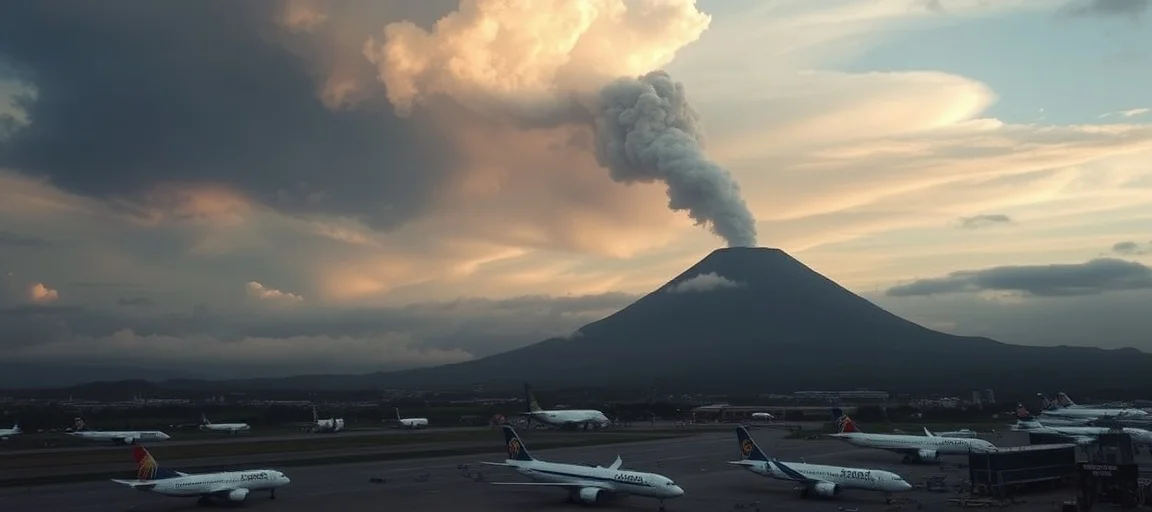
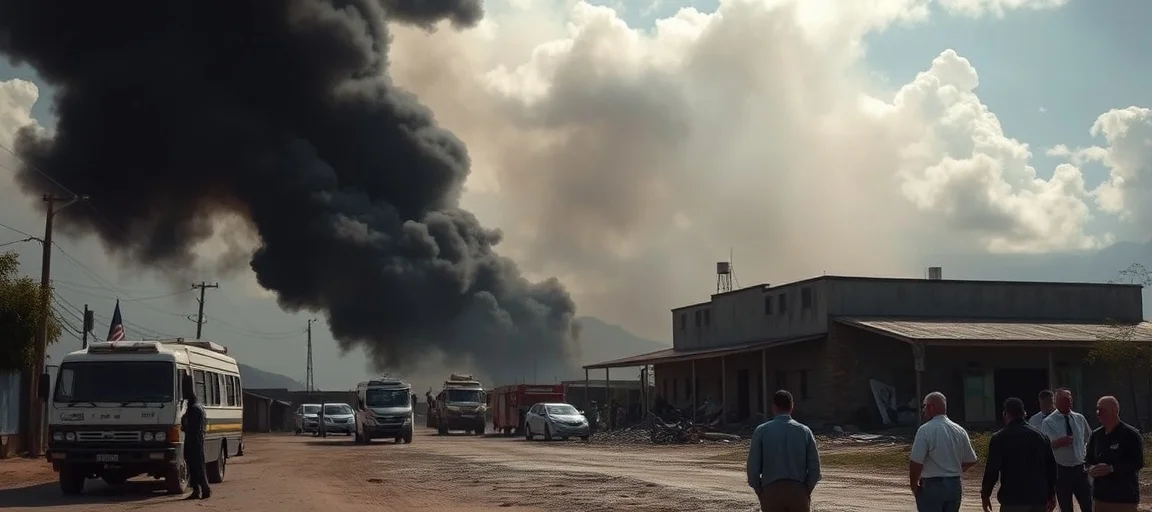
The skies over Indonesia, and indeed parts of Southeast Asia, have been thrown into disarray following a significant Indonesian volcano eruption disrupts flights across the archipelago. Mount Anak Krakatau, the infamous "Child of Krakatau," began a series of powerful eruptions late last Friday, September 4, 2026, continuing through Sunday and Monday, spewing towering columns of volcanic ash that have severely impacted air travel, leading to widespread flight cancellations and airport closures. This recent volcanic activity has stranded over 170,000 passengers and resulted in the suspension of more than 1,500 flights, marking a critical moment for regional transportation and public safety.
Anak Krakatau's Renewed Activity: A Force of Nature
Indonesia, a nation uniquely positioned on the volatile Pacific "Ring of Fire," is no stranger to seismic and volcanic activity. This geographical reality means that the country is home to numerous active volcanoes, each capable of dramatic eruptions that shape the landscape and human lives. The latest series of eruptions from Anak Krakatau serves as a stark reminder of this persistent natural force.
The current phase of heightened activity for Anak Krakatau began with initial seismic unrest detected on Friday, September 4, 2026. This culminated in powerful eruptions early on Sunday morning, September 6, and continued into Monday, September 7, with plumes of ash reaching staggering altitudes. The volcano is located in the Sunda Strait, a critical maritime passage between the islands of Java and Sumatra, making its activity particularly impactful due to its proximity to major population centers and international shipping lanes. Authorities reported lava fountains and booming sounds that were audible hundreds of kilometers away, indicating the intensity of the eruptions.
The Geological Context of Anak Krakatau
Anak Krakatau, meaning "Child of Krakatau," is a relatively young volcano that emerged from the caldera formed by the cataclysmic 1883 eruption of its parent, Mount Krakatau. That historic event was one of the deadliest and most destructive volcanic eruptions in human history, claiming an estimated 35,000 lives. Since its birth, Anak Krakatau has been sporadically active, growing in size through effusive eruptions and occasionally exhibiting more explosive behavior. Its current eruptive cycle is a continuation of this dynamic geological process, regularly monitored by Indonesia's Center for Volcanology and Geological Hazard Mitigation (PVMBG).
The volcano's activity is a direct consequence of the subduction zone where the Indo-Australian Plate dives beneath the Eurasian Plate. This tectonic interaction generates immense heat and pressure, leading to the formation of magma chambers and the eventual eruption of volcanoes like Anak Krakatau. Understanding this geological backdrop is crucial for appreciating the inherent risks and the need for robust monitoring systems in the region.
Widespread Disruption: Indonesian Volcano Eruption Disrupts Flights
The primary concern stemming from volcanic eruptions, especially for aviation, is the release of fine volcanic ash. Unlike ordinary dust, volcanic ash consists of tiny, sharp fragments of rock, volcanic glass, and minerals. When ingested into jet engines, this abrasive material can melt at the high operating temperatures, forming a glass-like coating that clogs fuel nozzles, fouls turbine blades, and can lead to engine failure. Furthermore, ash clouds can reduce visibility, abrade aircraft surfaces, and interfere with avionics and air data systems. Due to these severe risks, the aviation industry generally adheres to a strict "no fly" policy through visible or discernible volcanic ash clouds.
Following the Anak Krakatau eruptions, ash plumes were detected soaring to heights of up to 6,000 meters (20,000 feet) on the Java side and an astonishing 15,000 meters (about 49,000 feet) on the Sumatra side, reaching cruising altitudes of commercial aircraft. This extensive ash dispersal necessitated immediate and widespread disruption to air travel.
Airport Closures and Flight Cancellations
By Sunday evening, September 6, 2026, at least eight airports across Indonesia were forced to suspend operations due to the presence of volcanic ash in the airspace. Most significantly, Jakarta's Soekarno-Hatta International Airport (CGK), one of Southeast Asia's busiest hubs, ceased all flights, leaving thousands of passengers stranded. Other affected airports included Halim Perdanakusuma (Jakarta), Radin Inten II (Lampung), Husein Sastranegara (Bandung), Budiarto (Tangerang), and Pondok Cabe (South Tangerang).
The ripple effect was immediate and far-reaching. Over 1,558 flights were canceled or delayed, impacting approximately 170,000 passengers. At Soekarno-Hatta Airport alone, 963 flights were grounded, severely disrupting both domestic and international travel. International routes particularly affected included those to and from Singapore, Kuala Lumpur, Sydney, and Doha. Additionally, numerous domestic flights, including at least 16 services to Bali, were also canceled.
Airlines such as Singapore Airlines, Batik Air Malaysia, Qantas, Jetstar, AirAsia, Virgin Australia, and Indonesia AirAsia were forced to implement extensive schedule changes, cancel flights, and offer passengers options for rebooking or refunds. Passengers like Diego Urdiales, a Spanish tourist hoping to fly home to Madrid, expressed their frustration but acknowledged the "force majeure" nature of the event, stating, "It's a natural disaster, it's a force majeure, so, what can we do? We just have to accept it and wait for the airline and airport directions".
Humanitarian and Economic Impact
Beyond the immediate travel chaos, the Anak Krakatau eruption has had broader implications for local communities and the economy. While no casualties were immediately reported, and the nearest settlement is more than 16 kilometers away, authorities issued warnings to residents and visitors to maintain at least a 3-kilometer exclusion zone around the active crater.
Public Health and Safety Measures
Volcanic ash spread across parts of Jakarta and Lampung province on Sumatra's southern tip, leading to concerns about public health. Health authorities have urged residents in affected areas to limit their time outdoors or wear protective masks to mitigate respiratory risks and eye irritation caused by the fine ash particles. Reports indicated that several schools in affected regions, including Jakarta, shifted to online learning or canceled activities after students and residents experienced eye irritation. Fishermen in the Sunda Strait also reportedly suspended their trips due to similar symptoms.
The local disaster mitigation agency (BNPB) has been actively involved in monitoring the situation and coordinating responses. They have even considered weather modification operations, such as cloud-seeding, to induce rain and help dissipate the ash cloud, thereby accelerating the return to normalcy.
Economic Repercussions
The disruption to air travel carries significant economic costs. Beyond the direct losses to airlines from canceled flights and compensation, there are broader impacts on tourism, trade, and business operations. Supply chains can be affected, and events relying on air transport can be jeopardized. The long-term economic recovery depends on the duration and intensity of the volcanic activity and the effectiveness of mitigation strategies.
Government and Airline Response
In the face of such a natural disaster, concerted efforts from government agencies, aviation authorities, and airlines are paramount. Indonesia's Directorate General of Civil Aviation has been closely monitoring the eruption's impact and coordinating with all stakeholders, including airlines, airport operators, air navigation services (AirNav Indonesia), and the Meteorology, Climatology, and Geophysics Agency (BMKG).
Lukman F. Laisa, the Ministry of Transportation's director general of civil aviation, emphasized that "Safety remains our top priority in every operational decision". He also warned that flight schedules could face cascading disruptions affecting aircraft rotations, fleet availability, and terminal capacity as airlines strive to restore operations. The ongoing high seismic dynamics, despite the end of a continuous eruption episode, indicate that the volcano remains on Alert Level III, signifying a potential for further eruptions and necessitating continuous vigilance.
Port authorities have also enacted measures, prohibiting ships from entering a two-mile radius of the volcano and advising heightened vigilance for vessels traversing the Sunda Strait.
Preparing for Future Volcanic Events
The recent Anak Krakatau eruption underscores the critical importance of robust preparedness and response mechanisms for volcanic hazards, particularly in a region as volcanically active as Indonesia. Continuous scientific monitoring, early warning systems, and clear communication channels are vital for minimizing risks to both aviation and local populations.
Advanced Monitoring and Forecasting
Indonesia's geological agency utilizes a network of seismic sensors, GPS, and satellite imagery to track volcanic activity, gas emissions, and ground deformation. This data is crucial for forecasting potential eruptions and issuing timely warnings. Enhancements in these technologies, coupled with international collaboration, can further refine predictive capabilities.
Aviation Safety Protocols
The aviation industry has evolved stringent protocols for operating near active volcanoes. These include:
- Volcanic Ash Advisory Centers (VAACs): These centers provide advisories and forecasts of volcanic ash clouds to airlines and air traffic control.
- NOTAMs (Notices to Airmen): These are critical alerts issued by aviation authorities detailing hazards to flights, including airspace closures due to ash.
- Pilot Training: Pilots receive specialized training on how to react if their aircraft encounters volcanic ash, including procedures for engine shutdown and emergency landings.
- Aircraft Design: While no engine is "ash-proof," continuous research aims to develop more resilient aircraft components and monitoring systems.
Conclusion
The recent Anak Krakatau eruption serves as a potent reminder of the dynamic forces at play beneath Indonesia's surface, where an active Indonesian volcano eruption disrupts flights with significant consequences for millions. While the immediate crisis involved widespread flight cancellations and airport closures, impacting thousands of travelers and local communities, the ongoing vigilance of authorities and the adaptive measures taken by airlines are crucial in managing the situation. As Indonesia continues to navigate the challenges posed by its numerous active volcanoes, sustained investment in monitoring, emergency preparedness, and public education remains paramount to mitigate the impact of such natural events on both human lives and critical infrastructure. The resilience demonstrated by the affected communities and the coordinated response from various agencies highlight the ongoing effort to live safely alongside the powerful geological forces that shape this island nation.
Frequently Asked Questions
Q: What caused the recent Anak Krakatau eruption?
A: The Anak Krakatau eruption is a result of Indonesia's position on the Pacific "Ring of Fire," where the Indo-Australian Plate subducts beneath the Eurasian Plate. This tectonic activity creates magma, leading to frequent volcanic eruptions in the region.
Q: How does volcanic ash affect flights?
A: Volcanic ash consists of tiny, abrasive particles that can melt in jet engines at high temperatures, forming a glass-like coating that clogs components and leads to engine failure. It also reduces visibility, abrades aircraft surfaces, and interferes with avionics.
Q: Which airports were most affected by the ash cloud?
A: Jakarta's Soekarno-Hatta International Airport (CGK) was most significantly impacted, alongside Halim Perdanakusuma (Jakarta), Radin Inten II (Lampung), Husein Sastranegara (Bandung), Budiarto (Tangerang), and Pondok Cabe (South Tangerang), all experiencing closures and widespread flight cancellations.
Further Reading & Resources
- Indonesia's Center for Volcanology and Geological Hazard Mitigation (PVMBG)
- International Civil Aviation Organization (ICAO) - Volcanic Ash
- Mount Ruang eruption disrupts flights between Kuala Lumpur, Labuan | Malay Mail
- Volcanic island in Indonesia erupts, forcing the cancellation of hundreds of flights - PBS