Deadly Explosions at Bolivia Military Base Claim Lives, Injure Dozens
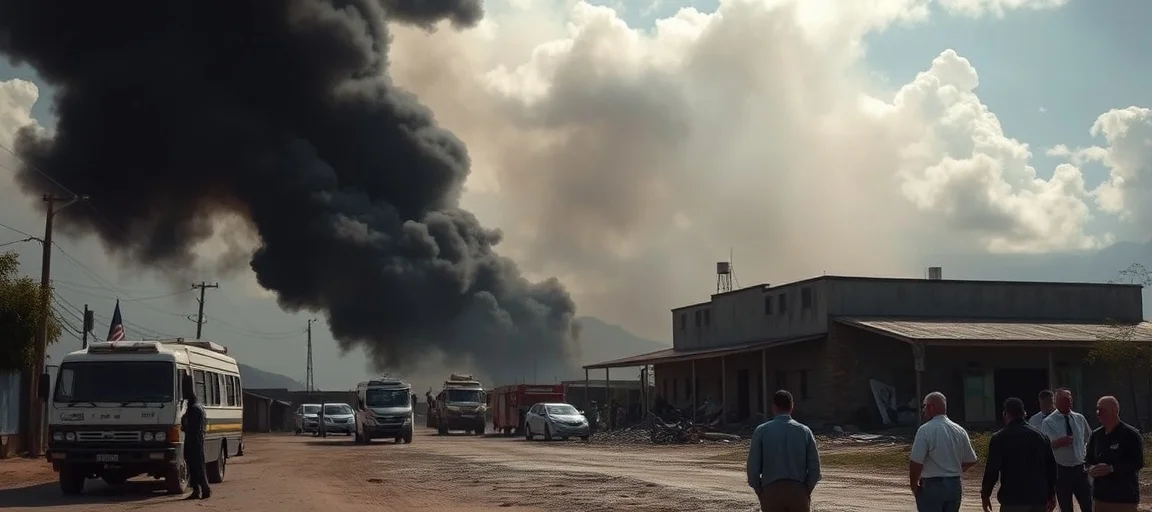
A catastrophic incident unfolded on Friday afternoon at a military facility in Viacha, Bolivia, when a series of deadly explosions at a Bolivia military base sent shockwaves through the community, resulting in a tragic loss of lives and leaving dozens injured. The devastating event, which saw the military facility rocked by two powerful blasts, has prompted a national outpouring of grief and a swift call for a thorough investigation by President Rodrigo Paz. Initial reports indicate that the explosions claimed the lives of at least 10 people and caused significant damage to nearby civilian homes, highlighting the profound impact on both military personnel and local residents.
- The Devastating Blasts in Viacha
- Human Toll: Casualties and Injuries from the Deadly Explosions at Bolivia Military Base
- Widespread Damage and Community Impact
- Official Response and Calls for Transparency
- Historical Context of Military Accidents in Bolivia
- International Reaction and Support
- Moving Forward: Safety Protocols and Prevention
- Conclusion
- Frequently Asked Questions
- Further Reading & Resources
The Devastating Blasts in Viacha
On Friday, September 4, 2026, around 2:30 PM local time (1830 GMT), the General Maintenance Center of the RAM-2 "Bolivar" military base in Viacha, a municipality approximately 30 kilometers (18-20 miles) southwest of Bolivia's administrative capital, La Paz, was hit by two massive explosions. The blasts originated in an area used to store pyrotechnic material, quickly escalating into a full-scale emergency. Eyewitness accounts and social media footage depicted scenes of chaos, with thick black smoke billowing from the facility and debris being hurled into the air. The sheer force of the detonations was felt across the city, shattering windows in nearby buildings and causing extensive property damage. The facility, primarily responsible for the maintenance and storage of various military provisions, including non-conventional explosive materials, was not intended for the direct handling of live ammunition, making the incident's scale particularly alarming.
A Catastrophic Chain Reaction
Defense Minister Ernesto Justiniano provided initial insights into the nature of the explosions, explaining that there were two successive blasts. The first detonation was believed to have involved "black powder corresponding to the pyrotechnic material stored in the place". This initial blast then triggered a "second detonation of much greater magnitude," which was responsible for the widespread property damage and the exposure of hazardous ordnance within a 1-kilometer radius of the base. While the exact cause is still under investigation, officials have confirmed that the incident originated from the defense ministry's fireworks stockpile. The Ministry of Defense also confirmed that no military weapons had been detonated, clarifying the nature of the explosive materials involved. This sequence of events points to a potential failure in storage protocols or an unforeseen ignition source, aspects that will undoubtedly be central to the ongoing official inquiry. The risks associated with storing large quantities of pyrotechnic materials, even those not classified as conventional weaponry, are substantial, demanding meticulous handling and storage conditions to prevent such devastating chain reactions.
Human Toll: Casualties and Injuries from the Deadly Explosions at Bolivia Military Base
The human cost of the deadly explosions at Bolivia military base has been significant, with varying reports on the exact number of fatalities and injuries in the immediate aftermath. As of recent updates, at least 10 people have been confirmed dead. Early estimates from Viacha health director Rita Nebraska suggested between 10 and 15 fatalities. The Ministry of Defense has identified the deceased and missing individuals as soldiers serving at the base.
Beyond the fatalities, dozens of individuals sustained injuries. Initial reports cited 62 injured, while other accounts placed the number as high as 81. Defense Minister Ernesto Justiniano stated that of those injured, 52 were civilians, with the remainder being military personnel. Among the wounded, 14 individuals required transfer to hospitals in La Paz due to severe trauma and burns, including a young girl with third-degree burns. Several individuals were reported to be in critical condition. Furthermore, authorities indicated that between seven and 14 people remained missing following the blasts, intensifying the search and rescue efforts. The disparity in casualty figures underscores the chaotic nature of the immediate aftermath and the challenges faced by emergency responders in a rapidly evolving situation, emphasizing the need for robust disaster response protocols.
Emergency Response and Ongoing Search Efforts
In the wake of the explosions, a rapid and extensive emergency response was initiated. Ambulances, medical teams, and police forces were immediately deployed to the military complex to assess the damage, provide urgent medical attention, and evacuate the wounded to health centers. The Viacha health director, Rita Nebraska, played a crucial role in coordinating the emergency medical services and relaying information about the injured.
Firefighters at the scene issued a serious warning, noting that a heat source remained at the site, raising the risk of further explosions. This persistent danger necessitated urging local residents to maintain a safe distance of at least 150 meters from the site. The power supply in the affected area was also cut off as a precautionary measure, and dozens of police officers were deployed to manage the scene and ensure public safety. Search and verification efforts for the missing individuals are continuing, with authorities prioritizing the care of the injured and support for their families. Specialized teams, including bomb disposal units, were also deployed to secure the perimeter and safely remove any remaining hazardous ordnance.
Widespread Damage and Community Impact
The impact of the explosions extended far beyond the confines of the military base, significantly affecting the surrounding civilian areas. Police reported that dozens of homes in the vicinity suffered damage, primarily from windows shattered by the powerful blasts. The Autonomous Municipal Government of Viacha, a city with approximately 100,000 residents, announced that the explosions affected an area within a 1-kilometer radius.
This extensive property damage also included broken ceilings and scattered debris, rendering many homes unsafe and potentially displacing families. The presence of hazardous ordnance exposed in public areas within this radius presented an additional, immediate threat to the community. Such widespread destruction underscores the formidable force of the detonations and the vulnerability of civilian populations living near military facilities that store volatile materials. The psychological toll on residents, many of whom witnessed the terrifying events unfold, is also a significant concern, demanding long-term support and recovery efforts. These efforts include providing temporary housing, mental health services, and financial assistance for reconstruction, highlighting the multifaceted challenges of disaster recovery in densely populated areas.
Official Response and Calls for Transparency
In the immediate aftermath of the tragedy, Bolivian officials responded with gravity and a commitment to understanding the causes of the incident. Defense Minister Ernesto Justiniano confirmed the fatalities and injuries, emphasizing that the exact cause of the blasts was under investigation. He reiterated the government's priority: "At this time, our priority is people: caring for the injured, supporting their families, and continuing search and verification efforts," he stated.
President Rodrigo Paz publicly expressed his "deepest solidarity with the families of the deceased, the injured and all residents affected by the explosions". In a move aimed at reassuring the public and ensuring accountability, President Paz ordered a "thorough, technical and transparent" investigation into the incident. He emphasized that the government would not "speculate or rush to conclusions" about responsibilities. In a show of national mourning and solidarity with the grieving families, municipal authorities in Viacha declared three days of official mourning. This unified response from the highest levels of government highlights the seriousness with which this incident is being treated and the commitment to uncover the full truth behind the tragic events.
The Promise of a Thorough Investigation
The investigation ordered by President Paz is expected to be comprehensive, focusing on several critical aspects. Authorities will aim to establish with "absolute clarity" the precise causes of the explosions. This will involve a detailed forensic examination of the blast site, analysis of the materials stored, and a review of all relevant safety protocols that were in place at the RAM-2 "Bolivar" military base. Investigators will also seek to verify compliance with these safety measures and determine any responsibilities that may arise from the findings. The commitment to transparency means that the findings of this investigation will be crucial not only for understanding what went wrong in Viacha but also for implementing future preventative measures across military installations nationwide. The objective is to ensure that such a devastating incident does not recur, protecting both military personnel and adjacent communities through improved oversight and accountability.
Historical Context of Military Accidents in Bolivia
Bolivia, like many nations, has unfortunately experienced various military-related incidents and accidents throughout its history, though events of this specific scale involving pyrotechnic material at a base are less common. However, the search results do point to other tragic incidents involving the military. For instance, there have been reports of military plane crashes resulting in significant casualties. News from 2026 mentioned a "Death toll in Bolivia military plane crash rises to 22" and "15 dead as cash-packed military plane crashes in Bolivia". These incidents, while different in nature from an explosion at a ground facility, underscore the inherent risks associated with military operations and the handling of various types of equipment and materials, from aircraft to ordnance.
Such past events serve as a sobering reminder of the constant need for stringent safety regulations, regular maintenance, and rigorous training within military forces. Beyond aviation accidents, incidents can arise from inadequate storage of fuel, ammunition, or other volatile materials, as well as during training exercises or equipment malfunctions. While each incident has its unique set of circumstances and causes, a pattern of tragic accidents can prompt broader reviews of operational safety standards and emergency preparedness, often drawing on international best practices. The current investigation into the Viacha explosions will likely draw on lessons learned from previous incidents to inform its findings and recommendations for improved safety measures going forward. The aim is always to prevent future loss of life and minimize the impact on both service members and the civilian population.
International Reaction and Support
While the initial reports on the deadly explosions at the Bolivia military base primarily focused on national response and internal investigations, such incidents often garner international attention and, at times, offers of support. For major disasters, it is common for neighboring countries and international organizations to extend condolences, offer humanitarian aid, or provide technical assistance for investigations. The scale of civilian impact and the nature of military incidents can sometimes trigger global concern.
However, specific reports of widespread international reaction or direct offers of aid for the Viacha explosions have not been prominently featured in the immediate news coverage. This does not preclude diplomatic expressions of sympathy or quiet offers of support that may occur behind the scenes, especially from regional partners or allies with defense cooperation agreements. International bodies and allies often monitor such situations closely, and should the investigation uncover complex technical challenges or require specialized expertise, external assistance might be sought or offered, particularly in areas like forensic analysis or advanced ordnance disposal. The global community generally stands ready to provide solidarity in the face of such tragedies, especially when they involve significant loss of life and impact on civilian communities, even if formal aid announcements are not always immediate or public. The long-term implications for Bolivia's military safety protocols, however, will primarily be an internal matter, albeit one observed by international partners for lessons learned.
Moving Forward: Safety Protocols and Prevention
The tragic explosions at the RAM-2 "Bolivar" military base underscore the critical importance of robust safety protocols and continuous vigilance in the storage and handling of explosive and pyrotechnic materials. The investigation's findings will be paramount in identifying any lapses in existing safety measures, infrastructure deficiencies, or human error that contributed to the disaster. Recommendations from the inquiry will likely lead to a re-evaluation and potential overhaul of safety standards across all Bolivian military installations where similar materials are stored.
Key areas for review will include the design and maintenance of storage facilities, emphasizing features like blast-resistant construction, automated fire suppression systems, and strict environmental controls to prevent accidental ignition. Furthermore, rigorous inventory management, digital tracking of materials, and enhanced security measures against unauthorized access or tampering will be crucial. The training of personnel involved in handling such volatile substances must also be modernized, incorporating international best practices and regular refreshers. There will also be a focus on refining emergency response plans and ensuring seamless coordination with civilian authorities, particularly given the proximity of the Viacha base to residential areas. The goal is to implement preventative measures that minimize the risk of future accidents, ensuring the safety of military personnel and protecting the lives and property of nearby communities through a proactive and comprehensive safety culture.
Conclusion
The deadly explosions at Bolivia military base in Viacha on Friday, September 4, 2026, represent a profound tragedy for the nation. With at least 10 lives lost and dozens injured, the incident has highlighted the inherent dangers associated with military operations and the critical necessity of stringent safety protocols. President Rodrigo Paz's call for a transparent and thorough investigation signifies the government's commitment to understanding the full scope of what occurred and holding those responsible accountable. As emergency services continue their vital work and the investigation unfolds, the focus remains on supporting the victims and their families, rebuilding the affected community, and implementing measures to prevent any future recurrence of such a devastating event. The memory of this tragic day will undoubtedly serve as a somber reminder of the constant need for vigilance and robust safety practices within all military installations.
Frequently Asked Questions
Q: What caused the deadly explosions at the Bolivia military base?
A: The explosions at the RAM-2 "Bolivar" military base in Viacha originated in an area storing pyrotechnic material, specifically "black powder." An initial blast triggered a second, more powerful detonation responsible for widespread damage. The exact cause is under thorough investigation, focusing on storage protocols and potential ignition sources.
Q: How many casualties and injuries resulted from the Viacha military base incident?
A: At least 10 people were confirmed dead, primarily military personnel. Dozens more were injured, with initial reports varying from 62 to 81, including both civilians and soldiers. Several individuals were in critical condition, and search efforts continue for a number of missing persons.
Q: What is the government's response to the explosions and the damage caused?
A: President Rodrigo Paz expressed solidarity with victims and ordered a "thorough, technical and transparent" investigation to determine the causes and responsibilities. The government's priority is caring for the injured, supporting families, and assisting with recovery efforts for affected civilian homes in Viacha.