NDTV Defence Summit: India's Military Future and Global Standing
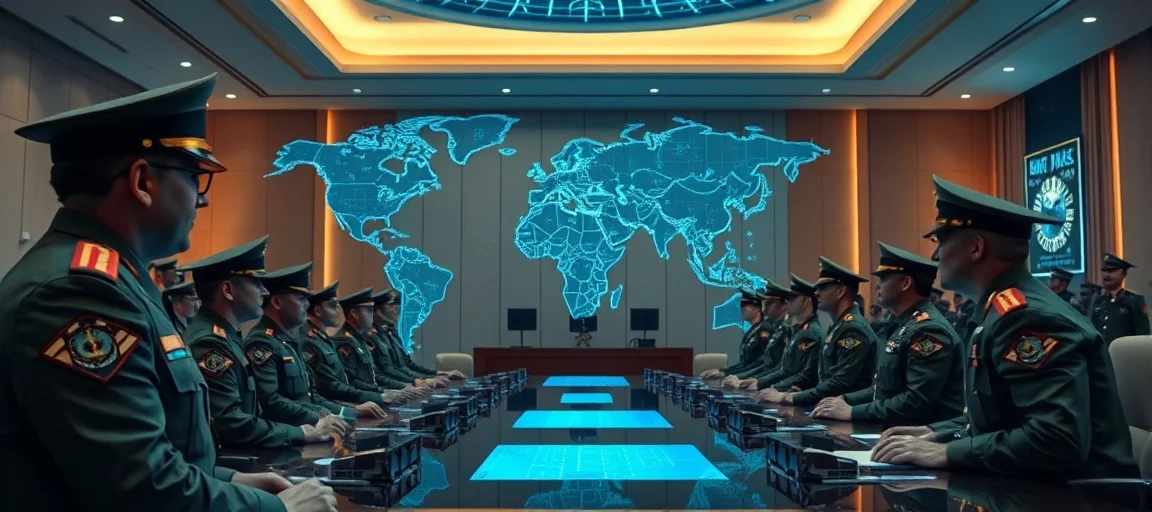
The NDTV Defence Summit: India's Military Future served as a pivotal platform for in-depth discussions on India's evolving defence landscape, charting the course for its military capabilities and global standing. This year's conclave, titled "India's New Defence Edge," brought together an illustrious gathering of policymakers, military leadership, defence industry pioneers, and strategic experts to deliberate on critical aspects of national security and strategic autonomy. The insights shared underscored a nation rapidly transforming its defence capabilities, embracing cutting-edge technology, and forging robust global partnerships to secure its strategic interests in a volatile world.
- Setting the Stage: The NDTV Defence Summit 2026
- Forging India's Military Future: Indigenization and 'Atmanirbhar Bharat'
- Embracing the Future Battlefield: Technology and Innovation
- India's Global Strategic Posture and Partnerships
- Challenges and the Road Ahead
- Conclusion: Shaping India's Defence Trajectory
- Frequently Asked Questions
- Further Reading & Resources
Setting the Stage: The NDTV Defence Summit 2026
The NDTV Defence Summit 2026 emerged as a flagship, high-level forum designed to facilitate exclusive interactions among key stakeholders shaping India's defence narrative. Held on September 27, 2026, the one-day event centered on the theme "India's New Defence Edge," reflecting the nation's dynamic advancements in military preparedness and strategic thinking.
The summit featured a lineup of prominent speakers, including Defence Minister Rajnath Singh, who delivered the keynote address, setting the tone for the day's deliberations. The audience also heard from the Chiefs of the Army, Navy, and Air Force, alongside the Chief of Defence Staff (CDS), General NS Raja Subramani, and other senior defence officials. Defence Secretary Rajesh Kumar Singh also participated in a session titled "Strategy to Capability: Building India's Defence Edge". Discussions covered a wide array of topics, from the operational lessons gleaned from border security challenges to the swift integration of artificial intelligence (AI), drones, space capabilities, and autonomous systems into India's defence doctrine. A significant emphasis was placed on fostering deeper jointness among the three services, strengthening Atmanirbharta (self-reliance) in defence manufacturing, and establishing new global partnerships and technology alliances.
Forging India's Military Future: Indigenization and 'Atmanirbhar Bharat'
India's journey towards defence self-reliance has been a cornerstone of its strategic policy, aiming to reduce dependence on foreign suppliers and build a robust indigenous military-industrial base. The summit highlighted the significant strides made under the 'Atmanirbhar Bharat' initiative, which has invigorated domestic defence manufacturing and innovation.
The Drive Towards Self-Reliance
Historically, India was one of the world's largest arms importers, a dependency it has actively sought to reverse. The 'Atmanirbhar Bharat' initiative has been central to this transformation, incentivizing both public and private sectors to contribute to defence production. A critical component of this drive is the Ministry of Defence's SRIJAN initiative, launched in 2020. This program has actively encouraged industries, start-ups, and Micro, Small & Medium Enterprises (MSMEs) to develop indigenous alternatives to previously imported components and systems.
The government has also enacted a series of Positive Indigenisation Lists, which have been instrumental in restricting imports of specific defence items, thereby pushing domestic manufacturing capabilities. As of May 2026, ten such lists, encompassing 5,521 items, had been notified, leading to increased Aatmanirbharta in defence production. Consequently, over 15,700 defence items, including 3,204 from the Positive Indigenisation Lists, have already been indigenized. This concerted effort has led to remarkable growth in India's defence production, which reached ₹1.78 lakh crore in the fiscal year 2025-26, marking a substantial 15.6 percent increase over the previous year. The private sector's contribution to this production reached approximately 24% in 2025-26, with the government aiming to increase this share to 50%. Furthermore, policy frameworks such as the Defence Acquisition Procedure (DAP) 2020 have significantly streamlined and strengthened indigenous procurement processes, expanding opportunities for Indian companies in design, development, and production.
Key Indigenous Achievements and Platforms
India's push for indigenization has yielded significant results across all branches of its armed forces:
- Naval Capabilities: The Indian Navy stands as a testament to indigenization, having successfully built over 100 warships and submarines entirely at domestic shipyards. Almost 100% of all current warships under construction are sourced directly from Indian shipbuilders, underscoring a sustained strategic focus on securing maritime dominance. Landmark achievements include the commissioning of INS Vikrant, India's first indigenous aircraft carrier, and INS Arighaat, the country's second indigenous nuclear-powered ballistic missile submarine, reinforcing its sea-based nuclear deterrent. The Navy plans to commission a new vessel every six weeks from 2026, aiming for a fleet of 150-160 warships by 2030, and potentially over 200 by 2035.
- Aerospace Advancements: The Light Combat Aircraft (LCA) Tejas program has seen significant progress, with 97 Tejas Mk-1A fighter jets approved for induction into the Indian Air Force. Additionally, 156 Light Combat Helicopters (LCH) Prachand have been approved, enhancing India's domestic aerospace manufacturing capabilities.
- Missile Systems: India has achieved self-sufficiency in various missile technologies. The Agni series, BrahMos supersonic cruise missiles, and the Akash air defence missile system are prime examples of indigenous prowess. A significant milestone was achieved in 2024 with the successful test of Mission Divyastra, a long-range missile capable of carrying Multiple Independently Targetable Re-entry Vehicles (MIRV). India also successfully demonstrated anti-satellite (ASAT) capability through Mission Shakti, joining an elite group of nations.
- Other Critical Systems: The Arjun Mk-IA Main Battle Tank has been inducted into the Indian Army, showcasing domestic design efforts. Other successful indigenous systems include Akash-NG, Quick Reaction Surface-to-Air Missile (QRSAM), and a Very Short Range Air Defence System designed to counter low-altitude and nano-drone threats. Impressively, India has achieved roughly 88 percent self-sufficiency in ammunition production, a significant leap from previous years.
Embracing the Future Battlefield: Technology and Innovation
The summit underscored India's proactive approach to integrating advanced technologies into its military doctrine, recognizing their transformative potential in modern warfare. The discussions highlighted the nation's commitment to leveraging innovation for a stronger defence edge.
The Rise of AI and Autonomous Systems
Artificial Intelligence is poised to revolutionize the battlefield in every aspect, a sentiment echoed by Chief of Defence Staff General NS Raja Subramani at the summit. He emphasized AI as both "an opportunity and then as a challenge" for India's military. India is actively integrating AI-powered defence design across all three armed services. This includes applications ranging from predictive maintenance in heavy armour to the development of autonomous aerial combat vehicles and real-time electronic warfare analysis.
Drones and other autonomous systems are increasingly becoming central to contemporary warfare, identified as key disruptors over the next two decades. The Indian Army has notably scaled up its own drone production and even raised a specialized drone force known as 'Bhairav' with over 100,000 operatives, recognizing its role in future warfare. As noted in discussions regarding global trends, the AI sector's billions in investment are directly influencing how modern militaries procure hardware and software, a trend India is carefully studying to avoid technological stagnation.
Space Capabilities and Cyber Security
Space technology and its military applications were another critical focus. The Indian Navy Chief, Vice Admiral Krishna Swaminathan, extended an invitation to private space technology start-ups to collaborate in "mission mode" to develop sovereign space capabilities for defence. India is also investing significantly in defence satellites, allocating ₹26,968 crore for 52 defence satellites to bolster persistent surveillance capabilities.
In the realm of cyber security, India's strategic partnerships are increasingly expanding to include cooperation in this vital domain, recognizing its growing importance in multi-domain threats. This emphasis on advanced technologies highlights India's commitment to a technology-driven warfare approach, aligning with global trends in defence modernization.
Modernizing Conventional Forces
Beyond cutting-edge technologies, the summit also addressed the continuous modernization of India's conventional forces:
- Indian Air Force (IAF): The Defence Secretary, Rajesh Kumar Singh, detailed the progress made in addressing the IAF's strategic priorities. Efforts are underway to fill critical capability gaps related to the depleting size of the fighter fleet, airborne surveillance aircraft, and refuelers.
- Indian Army: The Army's modernization drive is significantly shaped by recent operational lessons. Structural changes are underway, including the reorganization of Independent Armoured Brigades and Mountain Brigades into what are termed "Rudra All Arms Brigades," designed to converge combat power across different arms for greater synergy.
- Indian Navy: The Navy is on an aggressive path of expansion and modernization. It plans to operate at least 10 nuclear-propelled surface ships, including a third aircraft carrier, INS Vishal, by the 2030s. Furthermore, its objective is to have a fleet of 13 destroyers and 20 frigates equipped with over 300 BrahMos supersonic cruise missiles combined by 2030.
India's Global Strategic Posture and Partnerships
The summit extensively covered India's expanding role on the global stage, characterized by a pragmatic shift towards strategic collaboration and diversified defence diplomacy. This proactive approach aims to augment domestic capabilities, access next-generation technologies, and foster regional security.
Diversifying Defence Diplomacy
India has transitioned from a historical emphasis on self-reliance to a more nuanced strategy of strategic collaboration. This shift is crucial for accessing advanced defence technologies and preparing for multi-domain threats, recognizing the limitations of working in isolation. The recently released 'RAKSHA' blueprint lays down a comprehensive roadmap for strengthening India's military engagement, defence industrial cooperation, and global security partnerships, aligning them with national interests.
A significant indicator of India's evolving global posture is the remarkable growth in its defence exports. From being primarily an importer, India is rapidly emerging as an exporter of defence products. Defence exports touched a record ₹38,424 crore in the fiscal year 2025-26, supplying equipment to over 80 partner nations. This includes a range of equipment such as artillery systems, missiles, patrol vessels, and electronic systems, showcasing the growing international acceptance of Indian-made military platforms.
Key Bilateral and Multilateral Engagements
India has strategically fostered bilateral defence relationships with key global powers, facilitating technology transfer, joint development, and capability building:
- United States: A landmark 10-year Framework Agreement on Defence Cooperation was signed in October 2025, solidifying the U.S.-India Major Defence Partnership. This agreement provides a roadmap for enhanced cooperation in joint exercises, intelligence sharing, industrial collaboration, and the exchange of defensive technology. It also expands cooperation to critical areas such as cyber and maritime security, and is seen as reinforcing the Quad framework as a cornerstone of Indo-Pacific strategy.
- United Kingdom: In October 2025, India signed a significant £350 million deal with the UK for the purchase of Lightweight Multirole Missiles, marking a new era in the India-U.K. Comprehensive Strategic Partnership.
- Russia: Traditionally India's largest supplier of military equipment, Russia remains an important partner, though India is actively diversifying its defence sourcing to maintain a balanced strategic outlook.
- Israel: Israel has emerged as India's second-largest military partner, with extensive collaboration in counter-terrorism and space technology.
- France: Partnerships continue, notably with approvals for the acquisition of 26 Rafale Marine aircraft.
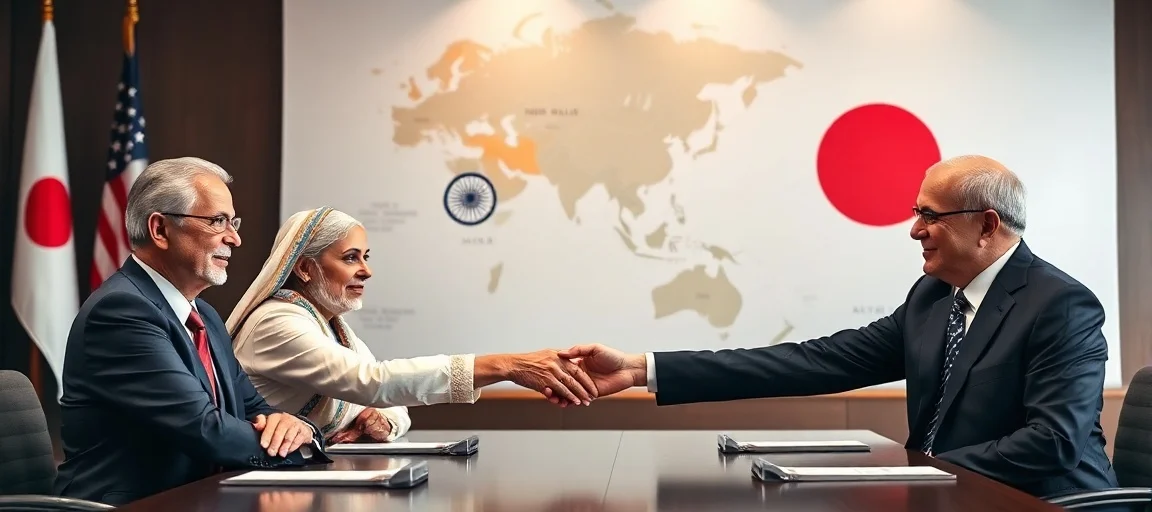
- Other Key Partners: India has deepened defence engagement across the Indo-Pacific, Europe, West Asia, and Africa. Notable partnerships include agreements with Indonesia for the BrahMos supersonic cruise missile system and Astra Mk-1 beyond-visual-range air-to-air missiles. India also maintains strong ties with Japan, Singapore, Brazil, South Africa, the European Union, ASEAN, the African Union, and the Arab League.
- Multilateral Forums: India recognizes the strategic importance of multilateral engagements in safeguarding regional peace. The Information Fusion Centre – Indian Ocean Region (IFC-IOR), operational since 2018, facilitates real-time maritime domain awareness and counter-piracy operations through partnerships with 12 nations and over 65 global maritime agencies.
Challenges and the Road Ahead
While India's defence landscape is marked by impressive progress, the summit also acknowledged the persistent challenges that must be addressed to truly solidify its military future. Maintaining the current momentum in indigenization and technology absorption remains a critical task. This includes bridging existing gaps in high-end technology and production infrastructure, ensuring a robust ecosystem for innovation from research and development to full-scale production.
Geopolitical complexities continue to pose significant challenges, particularly along the border, where vigilance remains paramount. Balancing the imperative of domestic production with the necessity of critical imports is another delicate act. Defence Secretary Rajesh Kumar Singh, for instance, clarified at the summit that the ongoing acquisition of additional jets would not impede indigenous fighter development, highlighting the dual-track approach to capability building. The integration of tri-service capabilities, often referred to as 'jointness', is crucial for maximizing operational synergy and responsiveness. Finally, the sheer speed of technological evolution in modern warfare, encompassing areas like hypersonic weapons and directed energy weapons, demands continuous adaptation and investment to stay ahead of the curve.
As India navigates this, it must also consider the broader macroeconomic environment. Just as India's economic growth serves as the bedrock for modern infrastructure, it is also the primary engine funding these extensive military upgrades. Maintaining fiscal health while prioritizing the defence sector will remain a priority for the government as it works to secure the nation's frontiers in an increasingly contested global environment.
Conclusion: Shaping India's Defence Trajectory
The NDTV Defence Summit 2026 underscored India's unwavering commitment to transforming its defence capabilities and asserting its role as a significant global security provider. The comprehensive discussions illuminated a nation strategically navigating a complex geopolitical landscape, driven by an ambitious vision for self-reliance, technological superiority, and robust international partnerships. The insights gained from this crucial forum will undoubtedly shape India's defence trajectory for years to come. The emphasis on indigenous manufacturing, the aggressive adoption of futuristic technologies like AI and autonomous systems, and the strategic diversification of alliances all point towards a confident and capable India. The NDTV Defence Summit: India's Military Future is undeniably bright, built on the twin pillars of innovation and strategic autonomy, poised to ensure national security and contribute to regional and global stability.
Frequently Asked Questions
Q: What was the main theme of the NDTV Defence Summit 2026?
A: The theme was India's New Defence Edge, focusing on military preparedness and strategic thinking.
Q: How is India achieving self-reliance in defence?
A: Through the Atmanirbhar Bharat initiative, positive indigenisation lists, and increased private sector participation.
Q: Which technologies are being prioritized?
A: India is prioritizing Artificial Intelligence, drone warfare, space capabilities, and cyber security integration.