Quad Ministers Convene: Critical Minerals & Indo-Pacific Focus
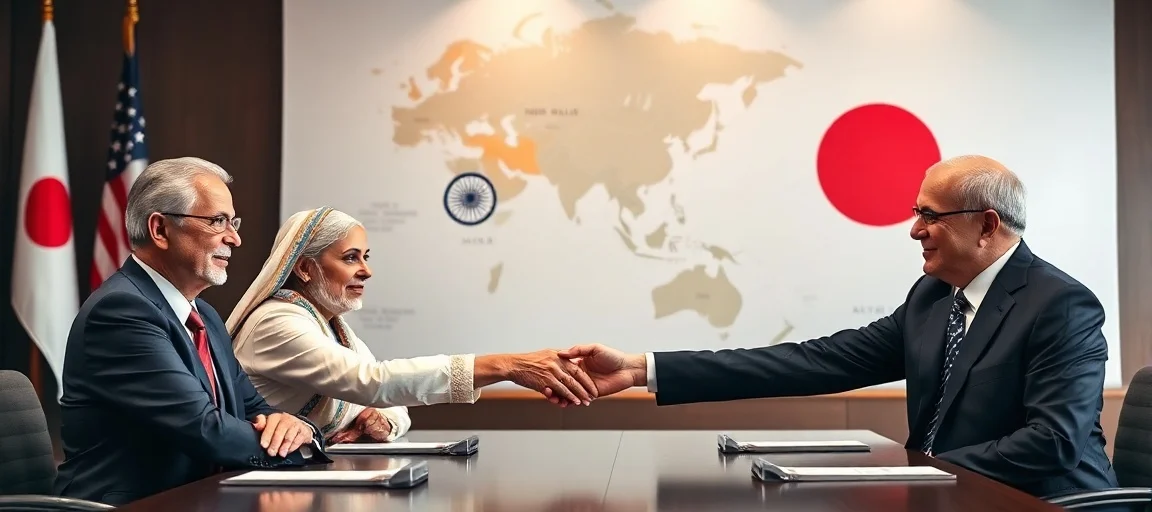
In a significant diplomatic event shaping the global strategic landscape, the Quad Ministers Convened to address critical minerals supply chains and fortify Indo-Pacific stability, reinforcing a collective commitment to bolstering economic security and regional resilience. The foreign ministers of the Quadrilateral Security Dialogue (Quad) nations—Australia, India, Japan, and the United States—met in New Delhi on Tuesday, May 26, 2026. This high-level gathering underscored a collective commitment to bolstering economic security and reinforcing regional stability. The central discussions revolved around diversifying critical minerals supply chains and strengthening cooperation across the expansive and strategically vital Indo-Pacific region. This meeting, featuring India's External Affairs Minister S. Jaishankar, U.S. Secretary of State Marco Rubio, Australian Foreign Minister Penny Wong, and Japanese Foreign Minister Toshimitsu Motegi, marked a crucial step in translating dialogue into concrete, deliverable outcomes for the Quad and the wider international community.
- Quad Ministers Convene: Key Outcomes on Critical Minerals & Indo-Pacific
- The Quadrilateral Security Dialogue: A Brief Overview
- Securing the Future: The Quad Critical Minerals Framework
- Fortifying the Indo-Pacific: Maritime Security and Infrastructure
- Beyond Minerals and Maritime: Broader Quad Cooperation
- Geopolitical Context and Implications
- The Road Ahead for Quad in the Indo-Pacific
- Conclusion
- Frequently Asked Questions
- Further Reading & Resources
Quad Ministers Convene: Key Outcomes on Critical Minerals & Indo-Pacific
The recent Quad Foreign Ministers' Meeting in New Delhi on May 26, 2026, served as a powerful testament to the grouping's evolving mandate and its determination to address pressing global challenges. External Affairs Minister S. Jaishankar chaired the discussions, which saw participation from his counterparts, U.S. Secretary of State Marco Rubio, Australian Foreign Minister Penny Wong, and Japanese Foreign Minister Toshimitsu Motegi. The ministers focused on expanding cooperation in areas critical to both economic resilience and regional security, including critical minerals, energy, maritime surveillance, and port infrastructure across the Indo-Pacific.
U.S. Secretary of State Marco Rubio emphasized the Quad's transition from a mere discussion platform to an action-oriented strategic partnership. He highlighted the collective goal of moving beyond dialogue to secure "very specific deliverables and things that actually they can announce." This focus on tangible outcomes permeated the meeting, with significant announcements made regarding the diversification of critical mineral supply chains and new initiatives aimed at enhancing maritime security and infrastructure in the Indo-Pacific. The fact that India hosted this gathering, the first such meeting on Indian soil since 2023, further amplified its symbolic weight, affirming India's central role in the Indo-Pacific security architecture.
The Quadrilateral Security Dialogue: A Brief Overview
The Quadrilateral Security Dialogue, or Quad, is a strategic forum comprising four democratic nations: Australia, India, Japan, and the United States. Its origins can be traced back to the coordinated response to the devastating Indian Ocean tsunami in December 2004, where the four nations initially collaborated on humanitarian assistance and disaster relief (HADR) efforts. This initial collaboration laid the groundwork for a diplomatic network that, despite early fluctuations, solidified into a key pillar of regional engagement.
Over the years, the Quad has significantly evolved beyond its initial focus on non-traditional security. While maritime security remains a cornerstone, its agenda has expanded to encompass a broad array of issues vital to the Indo-Pacific's prosperity and stability. These include economic security, critical and emerging technologies, climate change, health security, quality infrastructure, and cyber security.
A fundamental tenet of the Quad is its shared commitment to a "free and open Indo-Pacific" (FOIP). This vision emphasizes adherence to a rules-based international order, freedom of navigation, peaceful resolution of disputes, and respect for territorial integrity. By advocating for an inclusive and resilient Indo-Pacific, the Quad seeks to ensure that all countries in the region can strengthen their resilience and capacity to determine their own future, free from coercion. The Quad's collaborative approach complements bilateral, regional, and multilateral cooperation, actively supporting ASEAN centrality and frameworks like the Pacific Islands Forum's 2050 Strategy.
Securing the Future: The Quad Critical Minerals Framework
A prominent outcome of the recent New Delhi meeting was the emphasis on establishing resilient and diversified supply chains for critical minerals. This focus is part of a broader "Quad Critical Minerals Initiative," which seeks to strengthen economic security and collective resilience.
Why Critical Minerals Matter
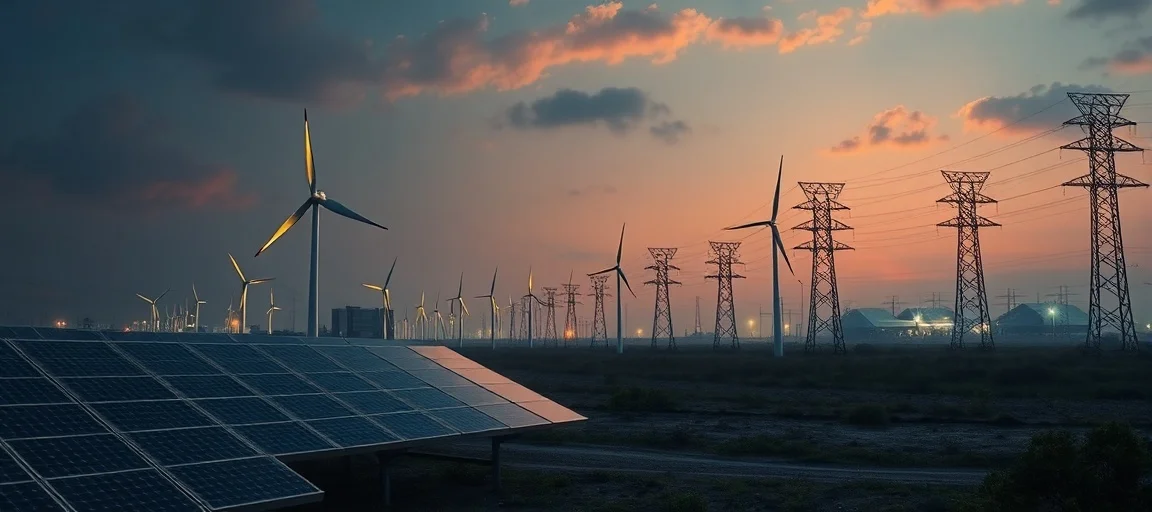
Critical minerals are indispensable to modern society and are foundational to numerous high-tech industries and strategic sectors. These include the manufacturing of electric vehicles (EVs), renewable energy technologies like solar panels and wind turbines, advanced electronics, defense systems, and telecommunications infrastructure. The global demand for these minerals, such as lithium, cobalt, nickel, and rare earth elements, is projected to soar in the coming decades as the world transitions to cleaner energy and more technologically advanced economies.
However, the supply chains for many critical minerals are highly concentrated, with a significant portion of extraction, processing, and refining controlled by a limited number of countries. This over-reliance on single sources creates substantial vulnerabilities. As highlighted in the joint statements, this concentration exposes industries in Quad nations to potential economic coercion, price manipulation, and severe supply chain disruptions, thereby jeopardizing both economic and national security. The ongoing US-China trade dynamics and geopolitical tensions further underscore the urgency of addressing these vulnerabilities.
Key Initiatives Under the Framework
In response to these concerns, the Quad Foreign Ministers officially announced the "Quad Critical Minerals Framework." This framework is designed to guide each Quad nation in leveraging economic policy tools and coordinating investments to fortify critical mineral supply chains. Key aspects of this initiative include:
- Diversifying Supply Chains: Actively working to reduce dependence on single sources by identifying and developing new, reliable sources for critical minerals.
- Coordinated Investment: Facilitating public and private sector investments across the entire critical minerals value chain, from mining and extraction to processing and refining. Approximately 30 to 40 companies from Quad countries met on the sidelines of the Foreign Ministers' Meeting to discuss private sector cooperation under this initiative.
- Electronic Waste Recycling and Reprocessing: Promoting cooperation on recovering and reprocessing critical minerals from electronic waste (e-waste), thereby creating a more circular economy and reducing the need for new extraction.
- Bilateral Enhancements: The U.S. and India, specifically, signed an India-U.S. Critical Minerals Framework during the meeting, building on groundwork laid at previous forums. This bilateral agreement exemplifies the focused efforts within the broader Quad initiative to secure these vital resources.
By collaborating on these fronts, the Quad aims to enhance the resilience and security of critical mineral supply chains, ensuring a stable foundation for their respective economies and strategic autonomy.
Fortifying the Indo-Pacific: Maritime Security and Infrastructure
Beyond critical minerals, a core focus of the Quad's agenda continues to be the strengthening of stability and security across the Indo-Pacific. This includes enhancing maritime domain awareness and investing in crucial infrastructure projects, particularly in vulnerable island nations.
Enhancing Maritime Domain Awareness
The Indo-Pacific region, encompassing vast oceans and critical sea lanes, is fundamental to global trade and security. Over 60% of global maritime trade and more than half of global container traffic flow through this region. Consequently, ensuring maritime security and a rules-based order is paramount. The Quad ministers launched and expanded several initiatives to achieve this:
- Indo-Pacific Maritime Surveillance Cooperation Initiative: This new initiative aims to integrate the maritime surveillance capabilities of the four Quad countries in the Indo-Pacific to enhance real-time information sharing. This cooperation is crucial for monitoring and responding to various maritime threats.
- Expansion of the Indo-Pacific Maritime Domain Awareness Initiative (IPMDA): Building on existing efforts, the expansion of IPMDA will provide near real-time commercial maritime domain awareness data to countries throughout the Indo-Pacific. This advanced tracking system helps combat illicit maritime activities, including illegal, unreported, and unregulated (IUU) fishing, piracy, and drug trafficking, while supporting border security.
- "Quad at Sea" Mission: India committed to hosting the next iteration of the "Quad at Sea mission," which involves bringing together the respective coast guards of the Quad nations for collaborative deployments. This initiative strengthens interoperability and knowledge-sharing among the maritime law enforcement agencies.
These efforts collectively underscore the Quad's resolve to uphold a free and open maritime order and counter any unilateral actions that seek to alter the status quo by force or coercion.
Boosting Regional Infrastructure
Recognizing that robust infrastructure is key to economic development and regional resilience, the Quad also announced new initiatives focused on port infrastructure, particularly in the Pacific Islands.
- Pacific Islands Port Infrastructure Initiative: The Quad decided to roll out a new initiative to boost port infrastructure in the Pacific Islands. This is a direct response to insufficient port capacity in these nations.
- Fiji Port Project: Marking its first joint regional infrastructure project, the Quad announced plans to work with Fiji to advance that country's port infrastructure. U.S. Secretary of State Marco Rubio described this initiative as a "practical demonstration of our collective ability to deliver high-quality, resilient infrastructure." These projects aim to deliver quality, sustainable, and climate-resilient infrastructure, aligning with the region's priorities.
These infrastructure investments are crucial for enhancing connectivity, facilitating trade, and supporting the economic prosperity of the Pacific Island nations, contributing to the broader goal of regional stability.
Beyond Minerals and Maritime: Broader Quad Cooperation
The recent Quad meeting reinforced the grouping's multifaceted approach to regional and global challenges, extending cooperation beyond critical minerals and maritime security into several other pivotal areas. This comprehensive agenda reflects the interconnectedness of contemporary issues and the Quad's commitment to providing public goods across the Indo-Pacific.
One significant area of expanded collaboration is energy security. The ministers launched an Indo-Pacific Energy Security Initiative, aimed at strengthening regional fuel and energy supply chains. This initiative plans for cooperation in technology, management, policy, international market analysis, and emergency response exercises, with the U.S. slated to host a Quad fuel security forum later in the year. Such efforts are crucial amidst global energy volatility and the imperative to transition to cleaner energy sources.
The Quad continues to prioritize climate change, a pressing issue for the entire Indo-Pacific region, particularly vulnerable island nations. Initiatives focus on building climate resilience and supporting green technologies. Additionally, cooperation on emerging technologies remains a key pillar, emphasizing secure digital ecosystems, cybersecurity, and control over the architecture of future economies, including artificial intelligence.
Health security and humanitarian assistance and disaster relief (HADR) are enduring areas of Quad engagement. The grouping supports efforts to prevent and contain health security threats, and it continues to coordinate responses to natural disasters, as demonstrated by past contributions to regions affected by events like earthquakes. Furthermore, efforts in counter-terrorism and strengthening regional resilience through various capacity-building programs underscore the Quad's comprehensive approach to regional challenges.
Geopolitical Context and Implications
The Quad's expanded agenda and renewed focus on tangible outcomes are set against a complex geopolitical backdrop, primarily influenced by China's growing military and economic influence in the Indo-Pacific. The initiatives on critical minerals and maritime security are widely seen as strategic moves to counter the concentration of power in these crucial sectors and uphold a rules-based international order.
While the Quad members consistently reiterate that the grouping is not an "anti-China bloc," their actions, particularly concerning supply chain diversification and maritime domain awareness, are clearly aimed at addressing challenges posed by aggressive territorial claims and non-market economic practices. Japan's past experience with halted shipments of critical minerals by China, for example, highlights the strategic significance of these diversification efforts.
The Quad's success hinges on demonstrating that it is a provider of public goods, benefiting all nations in the Indo-Pacific. Its emphasis on ASEAN centrality and support for regional frameworks aims to reassure Southeast Asian and Pacific Island nations, preventing perceptions of exclusivity or the need to choose sides in a broader geopolitical competition. India's hosting of the recent meeting underscores its growing diplomatic weight and its commitment to being a central node in the regional security architecture, navigating its own strategic autonomy while aligning with Quad objectives.
However, coordinating four democracies with distinct national priorities—such as Japan's economic security, India's strategic autonomy, Australia's regional engagement, and the U.S.'s global leadership—requires deft diplomacy and patience. Maintaining cohesion and moving from ambition to credible implementation of initiatives will be crucial for the Quad's long-term effectiveness. The grouping must also contend with broader geopolitical uncertainties, including global energy route instabilities and ongoing conflicts in other regions, which can divert attention and resources.
The Road Ahead for Quad in the Indo-Pacific
The recent meeting of the Quad Foreign Ministers in New Delhi signifies a robust and evolving strategic partnership, increasingly focused on concrete actions and tangible deliverables. The establishment of the Quad Critical Minerals Framework and the launch of new initiatives in maritime surveillance and port infrastructure underscore a collective commitment to addressing both economic vulnerabilities and security challenges across the Indo-Pacific.
Looking ahead, the Quad's vision for the Indo-Pacific remains anchored in the principles of a free, open, inclusive, and resilient region. The emphasis will continue to be on operationalizing these initiatives, ensuring they translate into genuine benefits for the participating nations and the wider region. This will involve sustained diplomatic engagement, technological cooperation, and strategic investments. The Quad will also need to demonstrate adaptability, responding to new challenges and continuously refining its mandate to remain relevant and effective in a rapidly changing global environment. The ongoing efforts aim to foster greater economic prosperity, enhance security, and build collective resilience against future shocks, solidifying the Quad's role as a cornerstone of Indo-Pacific stability.
Conclusion
The recent gathering where Quad Ministers Convene: Critical Minerals & Indo-Pacific stability and security as top priorities marked a pivotal moment for the Quadrilateral Security Dialogue. The meeting in New Delhi on May 26, 2026, highlighted a clear shift towards actionable outcomes, with the formal launch of the Quad Critical Minerals Framework and significant initiatives to bolster maritime domain awareness and critical infrastructure in the Pacific Islands. These collaborative efforts by Australia, India, Japan, and the United States are designed to diversify crucial supply chains, enhance regional resilience, and uphold a rules-based international order in a strategically vital part of the world. By focusing on deliverable initiatives, the Quad is strengthening its role as a key contributor to global stability and sustainable development, ensuring a more secure and prosperous future for the Indo-Pacific and beyond.
Frequently Asked Questions
Q: What is the Quad?
A: The Quad is a strategic forum of four democracies—Australia, India, Japan, and the U.S.—focused on a free, open, and resilient Indo-Pacific. It collaborates on security, economic, and technological issues.
Q: Why are critical minerals important to the Quad?
A: Critical minerals are vital for high-tech industries, green energy, and defense. The Quad aims to diversify supply chains, reducing reliance on single sources and enhancing economic security.
Q: What new initiatives did the Quad launch for the Indo-Pacific?
A: The Quad launched the Critical Minerals Framework, expanded maritime domain awareness programs (IPMDA), and new port infrastructure projects in the Pacific Islands, bolstering regional security and development.