African Woman's Viral India Reflections Spark Debate: A Global Conversation
In an increasingly interconnected world, personal narratives shared online frequently ignite widespread discussions, bridging geographical and cultural divides. Such is the case with an African woman's viral India reflections, which have recently sparked a compelling and broad debate across social media platforms. Her candid observations about daily life in India, shared with honesty and humor, resonated with millions, prompting a global conversation about cultural understanding, expectations versus reality, and the diverse experiences of foreigners in the subcontinent. This viral content has underscored the powerful role of individual voices in shaping collective perceptions and fostered a significant dialogue on cross-cultural exchange.
- A Candid Glimpse: The Viral Reflections of an African Woman
- Diverse Voices Emerge: African Woman's Viral India Reflections Spark Debate
- The Digital Arena: Social Media's Amplifying Role
- Beyond the Screen: Broader Implications for Global Understanding
- Conclusion: Continuing the Conversation on India's Global Image
- Frequently Asked Questions
- Further Reading & Resources
A Candid Glimpse: The Viral Reflections of an African Woman
The internet lit up following an Instagram video shared by an African woman, identified as @favourchikodil, who has resided in India for over four years. Her heartfelt reflections offered a unique and unfiltered perspective on her experiences, quickly captivating a vast audience online. Unlike typical travel vlogs that might focus solely on picturesque locations or tourist attractions, Favour Chikodil's content delved into the more personal and sometimes challenging aspects of integrating into Indian society.
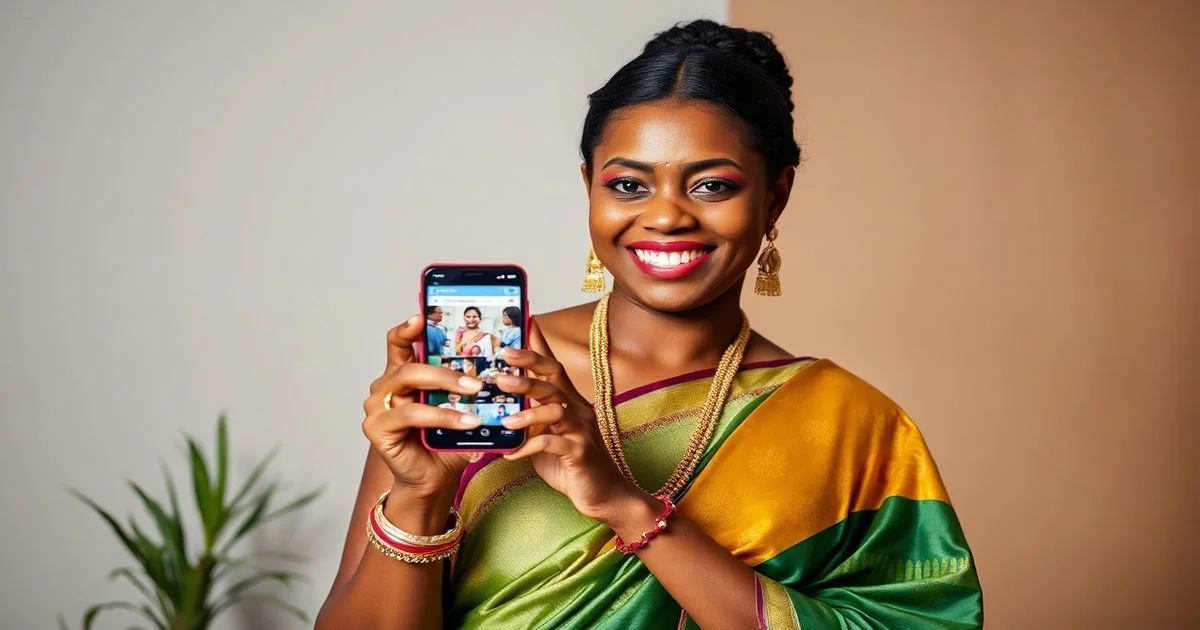
Her video, which rapidly achieved viral status, featured a list of candid observations, encompassing both relatable struggles and sharp cultural insights. Dressed in a saree and smiling, a text overlay in her video declared, "I am an African who has lived in India for 4+ years and I'm not ashamed to admit that…". This direct and disarming approach set the tone for her honest revelations, which covered various facets of her life in India.
The Everyday Realities Shared
Favour Chikodil's reflections painted a vivid picture of her day-to-day encounters and ongoing adjustments. Her list of observations included several points that many long-term expatriates or foreign residents might find familiar:
- Language Barrier: She openly admitted that despite her prolonged stay, she still found it challenging to construct a single correct sentence in Hindi. This highlights the linguistic diversity and complexity of India, where mastering a local language can be a significant hurdle for newcomers.
- Culinary Preferences: While Indian cuisine is globally celebrated, she confessed that her palate had not fully adapted to most local dishes, with biryani and chicken fried rice being notable exceptions. This sentiment, though personal, often sparks discussions about cultural food adaptation.
- Water Safety: Her reliance on bottled or sealed water reflects a common concern for many foreigners regarding tap water quality in various parts of India.
- Transportation Choices: Preferring Uber over traditional buses points to a comfort and convenience preference often adopted by urban dwellers and foreigners, seeking more predictable and private transport options.
- Bollywood's Reality Check: Perhaps one of the most resonant points was her statement about losing her obsession with Bollywood "when reality hit." This particular reflection humorously underscores the stark contrast between the glamorous, often idealized portrayal of India in cinema and the everyday realities of living in the country.
- Saree Struggles: Her ongoing difficulty with draping a saree, a traditional Indian garment, is a lighthearted yet symbolic representation of the challenges in embracing certain cultural practices.
- Climate Adaptation: The intense Indian summer, which she declared too hot to ever get used to, is a common complaint among those unaccustomed to tropical climates.
- Addressing Assumptions: Finally, her weariness of "explaining that I came here by air" subtly highlights the stereotypes and sometimes ignorant questions people from certain regions might face, particularly regarding their means of travel to developed nations.
These reflections, shared with an endearing mix of honesty and personal struggle, resonated deeply with a wide audience. Many viewers praised her for offering such a candid glimpse into her life, sparking a conversation characterized by humor, empathy, and genuine cultural exchange. The video became a focal point for understanding the diverse experiences of foreigners navigating life in India, moving beyond superficial impressions to more nuanced, lived realities.
Diverse Voices Emerge: African Woman's Viral India Reflections Spark Debate
The virality of Favour Chikodil's observations initiated a significant conversation, underscoring how personal stories about living abroad can spark broader societal discussions. The "African Woman's Viral India Reflections Spark Debate" highlights not just her individual experiences, but also the myriad perspectives that emerge when cultural interactions are brought into the digital public square. This debate often revolves around the authenticity of such reflections, the universality of certain cultural challenges, and the unique positionality of individuals sharing their truths.
While Favour Chikodil's reflections touched on the more challenging and humorous aspects of her adjustment, other African voices have also contributed to the ongoing narrative of life in India, often presenting a more overtly positive counterpoint. These varied perspectives enrich the dialogue, preventing a monolithic understanding of cross-cultural experiences.
Appreciating the Nuance: Positive Narratives from Africa
A notable example of a contrasting narrative comes from Pascal Olaleye, a Nigerian content creator who has been living in India since 2021. His viral posts and videos often focus on debunking common myths about India and articulating why he prefers life there over the West. Olaleye's insights offer a different lens through which to view the African experience in India:
- Dispelling Misconceptions: He directly challenges stereotypes, stating that India is not "too dirty," English is widely spoken, particularly in Southern India, and that public transportation is both affordable and reliable.
- Safety and Hospitality: Olaleye emphasizes that India is not unsafe for foreigners and that he has experienced immense hospitality, being "welcomed with chai, invitations to weddings, and treated like family, even by strangers". He even goes so far as to suggest that the hospitality in India surpasses that found in some European countries.
- Freedom from Racial Threat: A particularly poignant point he raises is feeling "peace" and not being "treated like a threat just because of my skin colour," a contrast to experiences he has had in Western countries. He also notes that in India, he is "not constantly reminded I'm Black, it's not my entire identity".
- Simplicity and Respect: He values the simpler lifestyle, absence of "flex culture," and the genuine respect he feels he receives for who he is, rather than for his appearance.
Olaleye's overwhelmingly positive accounts provide a valuable counter-narrative, illustrating that experiences are subjective and diverse. His reflections, too, have garnered significant praise, with many Indian users welcoming his sentiments and affirming that "We don't discriminate against people based on colour… you are most welcome here". This demonstrates the multifaceted nature of the "debate," which encompasses both shared struggles and celebrated joys.
Addressing Misconceptions and Stereotypes
The broader debate sparked by such viral content often delves into how India is perceived internationally and how these perceptions, both positive and negative, are formed. The discussions prompted by Favour Chikodil's video, alongside others, highlight a growing awareness of the impact of individual narratives on collective understanding. While some of her points were lighthearted, they nonetheless contributed to a larger dialogue about common visitor experiences and the gap between exoticized portrayals and lived realities.
The nuanced nature of this discussion often compels netizens to reflect on stereotypes. For instance, the comment about Bollywood's "reality hit" touches upon the common issue of media creating unrealistic expectations for visitors, particularly from cultures heavily influenced by Indian cinema. Similarly, concerns about bottled water and preferring ride-sharing apps over public transport are not unique to India but are frequently encountered by travelers in many developing nations.
The dialogue extends to issues of potential ignorance and occasional racial insensitivity faced by foreigners. While Pascal Olaleye expressed a lesser degree of racial discrimination in India compared to the West, earlier accounts by others, such as an African-American professional who lived in Delhi, spoke of constant staring, assumptions about nationality, and the pervasive infatuation with light skin in India. These differing experiences showcase the complexity of race and perception in India and highlight that while individual experiences can be overwhelmingly positive, systemic or unconscious biases may still exist for some. The debate thus becomes a crucial platform for discussing how to foster genuine acceptance and move beyond superficial interactions. These varying accounts from foreign residents paint a complex picture.
The Digital Arena: Social Media's Amplifying Role
Social media platforms like Instagram, X (formerly Twitter), and YouTube have emerged as primary arenas for sharing personal experiences and fostering global dialogue. The phenomenon of an African woman's viral India reflections sparking debate is a testament to the unparalleled amplifying power of these digital spaces. In mere hours, a personal anecdote can transform into a worldwide conversation, connecting individuals from disparate backgrounds and cultures.
These platforms enable content creators to bypass traditional media gatekeepers, offering raw, unedited glimpses into their lives. This immediacy and authenticity often contribute to content going viral, as audiences are drawn to genuine human experiences. The comment sections and subsequent reaction videos become dynamic forums where diverse opinions clash, converge, and evolve. Hashtags allow for easy aggregation of related content, ensuring that the debate remains visible and accessible to anyone interested in participating.
Fostering Cross-Cultural Dialogue (and Disagreement)
The virality of such reflections serves a dual purpose: it both fosters profound cross-cultural dialogue and, at times, fuels disagreement. On one hand, it allows for:
- Empathy and Relatability: When an individual shares specific, everyday struggles, others from similar backgrounds or those who have had analogous experiences in different countries can relate, creating a sense of shared humanity. Favour Chikodil's points about language, food, and climate, for example, evoke empathy from many who have faced similar challenges abroad.
- Education and Awareness: These viral moments often serve as informal educational tools, introducing audiences to cultural nuances they might otherwise be unaware of. They challenge preconceived notions and broaden perspectives on what life is truly like in a foreign land. Pascal Olaleye's myth-busting videos directly contribute to this educational aspect, correcting widespread misconceptions.
- Community Building: For expatriates or diasporic communities, these discussions can create a sense of solidarity and shared experience, allowing them to connect over common joys and frustrations.
On the other hand, the uncurated nature of social media also means that such viral content can lead to:
- Misinterpretations and Offence: Without proper context or cultural understanding, a lighthearted reflection can be misinterpreted or perceived as critical, leading to defensive or even hostile reactions. This can escalate into online arguments, as witnessed in other debates where influencers have been called out for cultural insensitivity.
- Reinforcement of Stereotypes: While aiming to break stereotypes, some reflections can inadvertently reinforce others if not framed carefully or if taken out of context by viewers.
- Echo Chambers: Algorithmic biases can sometimes create echo chambers, where individuals are primarily exposed to opinions that confirm their existing beliefs, hindering genuine dialogue.
The instantaneous feedback loop of social media means that content creators often receive a torrent of reactions, ranging from supportive and appreciative to critical and even hostile. This constant interaction shapes the narrative, forcing creators and audiences alike to engage with different viewpoints, even if those engagements are not always harmonious. The sheer volume of comments, shares, and reactions underscores the profound impact these digital platforms have on amplifying individual voices and sparking global discussions, making them indispensable tools for contemporary cultural exchange.
Beyond the Screen: Broader Implications for Global Understanding
The discussions sparked by an African woman's viral India reflections extend far beyond the immediate comments section, carrying significant broader implications for global understanding and cultural diplomacy. Such viral moments serve as powerful informal indicators of how different cultures perceive one another, highlighting both areas of resonance and points of friction. They underscore the importance of authentic, personal narratives in counteracting generalizations and fostering a more nuanced global perspective.
These reflections, when shared widely, force a re-evaluation of preconceived notions and media-driven stereotypes. They invite audiences to look beyond headlines and travel brochures, into the intricate tapestry of daily life in a foreign country. For India, a nation with immense cultural diversity and a growing global presence, these narratives from African individuals offer crucial insights into how its society is experienced by those from other continents, particularly those who choose to live there long-term rather than merely visit as tourists.
Bridging Divides Through Dialogue
One of the most profound implications of these viral reflections is their potential to bridge cultural divides. By sharing honest experiences, Favour Chikodil inadvertently opened a channel for people to discuss the realities of intercultural living. This dialogue is essential for:
- Challenging Ethnocentrism: When individuals from one culture openly share their experiences in another, it compels both their home audience and the host nation's audience to confront their own ethnocentric biases and assumptions.
- Promoting Empathy: Understanding the specific challenges and joys of someone from a different background living in a familiar setting can foster greater empathy and reduce xenophobia. For example, her struggles with Hindi or the summer heat are universally understandable challenges of adaptation, irrespective of one's origin.
- Encouraging Self-Reflection: For the host nation, such viral content can be a powerful mirror, prompting introspection about aspects of their culture or society that might be taken for granted or are simply not apparent to locals. This can lead to greater awareness and a desire for improvement in areas like hospitality, public amenities, or addressing subtle biases.
- Highlighting Shared Humanity: Ultimately, whether the reflections are about the challenges of adapting to new food or the joy of finding unexpected friendships, they underscore the shared human experience of navigating new environments and building connections.
The positive anecdotes, such as Pascal Olaleye's experiences of safety and respect in India, are equally vital. They offer powerful counter-narratives to negative stereotypes, showing that positive intercultural integration is not only possible but also a lived reality for many. These varied accounts collectively paint a more comprehensive and realistic picture of India, moving away from simplistic 'good' or 'bad' labels towards a more complex appreciation.
The Power of Personal Narratives
In an era saturated with information, personal narratives carry a unique weight. They are often seen as more authentic and trustworthy than institutional reports or curated travelogues. The virality of an African woman's India reflections underscores this power:
- Authenticity over Polish: The unvarnished nature of Favour Chikodil's observations, even with their lighthearted complaints, lends them an authenticity that highly produced content sometimes lacks.
- Humanizing the 'Other': Such stories humanize individuals from different cultures, moving them beyond abstract concepts or stereotypes to relatable people with real experiences.
- Catalyst for Deeper Engagement: While a single video might scratch the surface, its viral nature can serve as a catalyst for viewers to seek out more information, leading to deeper engagement with the culture and country in question. This encourages a more proactive form of learning rather than passive consumption.
- Shaping Soft Power: Positive personal narratives, like those from Pascal Olaleye, contribute significantly to a nation's soft power, enhancing its image and appeal on the global stage. When individuals share genuine appreciation for a country's culture, safety, or hospitality, it builds a powerful form of public relations that money cannot buy.
In conclusion, these viral reflections are more than just internet sensations; they are crucial contributions to an ongoing, evolving global dialogue. They remind us that cultural understanding is an active, continuous process, built one personal story at a time, amplified by the digital world.
Conclusion: Continuing the Conversation on India's Global Image
The recent phenomenon of an African woman's viral India reflections sparking debate across global social media platforms serves as a potent reminder of the power of individual narratives in shaping collective perceptions. From Favour Chikodil's candid and humorous observations on daily life challenges to Pascal Olaleye's heartfelt testimonials debunking myths and praising Indian hospitality, these diverse African voices offer an invaluable, multi-faceted lens through which to view India. This dynamic interplay of perspectives enriches the global conversation, highlighting the complexities and nuances of cross-cultural experiences that often go unarticulated in mainstream media.
The robust discussions generated by these viral moments transcend simple 'like' counts and shares; they become informal forums for cultural exchange, empathy, and challenging preconceived notions. They underscore the critical role social media plays in amplifying unheard voices and fostering an ongoing dialogue about global understanding. As India continues to grow in geopolitical and cultural significance, such personal accounts from foreign residents offer crucial feedback and insight, promoting introspection and an opportunity for deeper engagement. The "African Woman's Viral India Reflections Spark Debate" is not just a fleeting trend but a significant moment in the continuous, evolving narrative of how nations and cultures interact and understand one another in the digital age. This ongoing conversation is vital for building bridges, fostering genuine appreciation, and moving towards a more interconnected and empathetic world.
Frequently Asked Questions
Q: What sparked the debate about India?
A: The debate was sparked by an African woman's viral social media reflections, sharing candid and humorous observations about her everyday experiences and cultural adjustments while living in India for over four years.
Q: Who are some key figures involved in this viral discussion?
A: The primary figure is Favour Chikodil, whose personal reflections went viral. Another significant voice is Pascal Olaleye, a Nigerian content creator, who offers a contrasting, largely positive perspective on living in India.
Q: How has social media impacted this cultural exchange?
A: Social media platforms have amplified these personal narratives, transforming individual reflections into global debates. They foster empathy, provide informal education about cultures, and facilitate community building, though they can also lead to misinterpretations.