Euro Sports: A Dynamic Landscape of European Athletic Excellence
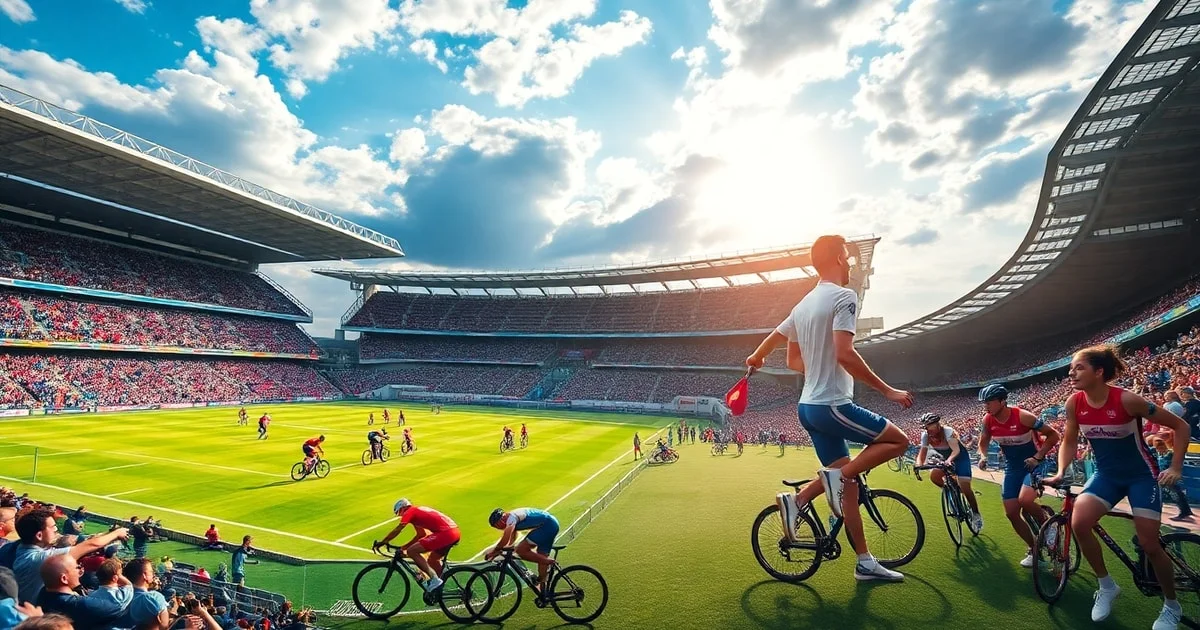
The dynamic landscape of Euro Sports is a captivating and ever-evolving arena, showcasing European athletic excellence and representing a profound blend of athletic prowess, historical tradition, and fervent national pride. From the iconic roar of football stadiums to the grueling endurance of cycling races and the precision of tennis tournaments, European athletics captivate billions globally. This dynamic landscape reflects not only the continent's diverse cultures but also its significant contributions to the global sporting narrative, shaping trends and setting benchmarks for excellence. The sheer scale and popularity of these events underscore their critical role in European society and economy.
Background and Evolution of Euro Sports
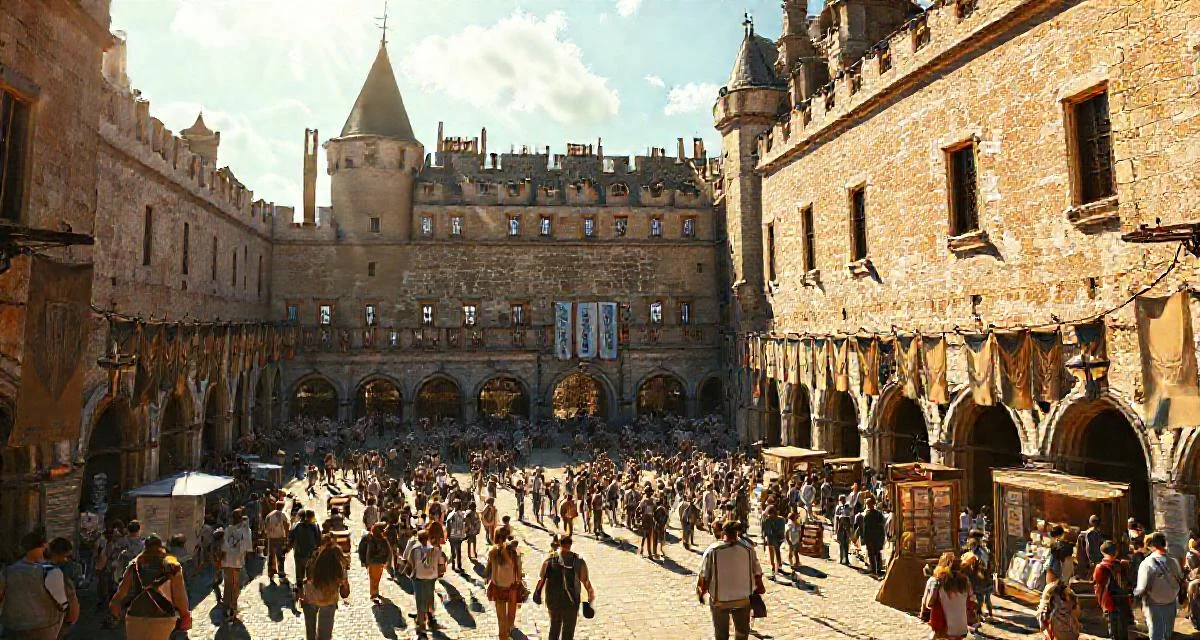
Europe's rich history is deeply intertwined with the development of modern sports. Ancient Olympic traditions, medieval jousting, and the emergence of codified games in the 19th century laid the groundwork for the organized sporting structures we see today. The continent has been a crucible for innovation, pioneering rules, establishing international federations, and creating some of the world's most enduring competitions. This foundational period cemented sports not just as physical activity, but as a critical social and cultural institution.
The Rise of Major European Competitions
The late 19th and early 20th centuries witnessed a pivotal shift with the formalization of numerous national and international sporting bodies across Europe. Fuelled by industrialization, urbanization, and the rise of leisure time, sports transitioned from amateur pursuits to organized spectacles. This era saw the birth of professional leagues and the inception of continental tournaments, most notably in football. Iconic competitions like the FA Cup in England (established in 1871) and the pioneering international matches between European nations began to forge a distinct European sporting identity, fostering both fierce rivalries and shared passions. Beyond football, early forms of athletics championships, cycling races, and tennis tournaments also began to take shape, laying the groundwork for the modern sporting calendar. The post-World War II period further accelerated this growth, as newly formed international organizations like UEFA (Union of European Football Associations) sought to promote peace, unity, and cooperation through athletic contests, cementing sports' role as a powerful force for cultural exchange.
Key Sporting Events Shaping the Euro Sports Landscape
Europe is home to an unparalleled array of major sporting events that attract global attention and showcase peak athletic performance. These competitions are not merely games; they are cultural phenomena, economic drivers, and powerful symbols of national and regional identity. The sheer diversity of these events ensures there is always something to capture the imagination of sports enthusiasts.
Football Dominance: A Closer Look
Football remains, without doubt, the king of Euro Sports. The UEFA Champions League stands as the pinnacle of club football, a yearly spectacle where Europe's elite clubs battle for continental supremacy. Its final consistently draws hundreds of millions of viewers worldwide, making it one of the most-watched annual sporting events. Similarly, the UEFA European Championship (the "Euros"), held every four years, pits national teams against each other in a celebration of national pride and footballing excellence. The most recent UEFA Euro tournament captivated audiences across the continent and beyond.
Beyond these marquee events, national leagues like England's Premier League, Spain's La Liga, Germany's Bundesliga, and Italy's Serie A boast massive followings, state-of-the-art stadiums, and multi-billion-euro economies. These leagues are talent factories, attracting the best players globally and producing thrilling, high-stakes competition week after week. The financial powerhouses of European football clubs often command global brands, extending their reach far beyond their home countries.
Beyond Football: Diverse Sporting Spectacles
While football garners the most headlines, Europe's sporting tapestry is rich with other significant events:
- Cycling: The Tour de France is arguably the most famous cycling race globally, a grueling multi-stage event that tests human endurance against the stunning backdrop of French landscapes. Its economic impact on host towns and cities is substantial, drawing millions of spectators to roadside vantage points.
- Tennis: The European clay courts of the French Open (Roland Garros) and the grass courts of Wimbledon in the United Kingdom are two of the four Grand Slam tournaments, representing the highest echelons of professional tennis. These tournaments are steeped in history and tradition, attracting top players and enormous global viewership.
- Basketball: The EuroLeague is Europe's premier club basketball competition, showcasing talent that often rivals the NBA. It features teams from across the continent, playing a high-octane, strategic brand of basketball that has cultivated a passionate fanbase.
- Formula 1: Many iconic Formula 1 Grand Prix races are held on European circuits, including Monaco, Monza (Italy), Silverstone (UK), and Spa-Francorchamps (Belgium). These events are a blend of cutting-edge technology, daring driving, and high-speed drama, attracting a dedicated global following.
- Athletics: Major athletic championships, such as the European Athletics Championships and Diamond League meetings, provide platforms for track and field stars to compete and break records. These events are crucial for developing talent and celebrating human physical limits.
- Handball: Particularly popular in Central and Eastern Europe, the EHF Champions League is the top club competition, demonstrating the sport's tactical depth and physical intensity.
The European Games, a multi-sport event held every four years since 2015, also serves as an important continental competition, featuring a wide range of sports and often acting as a qualifier for the Olympic Games. This event underscores Europe's commitment to diverse athletic development beyond its most dominant sports.
The Economic and Cultural Impact of Euro Sports
The influence of Euro Sports extends far beyond the stadiums and arenas, creating a massive economic footprint and deeply embedding itself into the cultural fabric of the continent. The industry supports countless jobs, generates substantial revenue, and fosters a sense of collective identity and celebration.
Economic Drivers and Fan Engagement
The European sports industry is a powerful economic engine. In 2023, the European sports market was estimated to be worth hundreds of billions of euros, driven by a combination of media rights, sponsorships, ticketing, and merchandise sales. Broadcasting contracts for major football leagues and tournaments alone run into the billions, making media companies major stakeholders. Sponsorship deals with global brands inject significant capital, while robust merchandise sales connect fans directly to their favorite teams and athletes.
Stadiums and sporting venues act as hubs for local economies, creating jobs in hospitality, security, logistics, and retail. Major international tournaments, like the Euros or the Olympics (when hosted in Europe), trigger massive tourism waves, boosting local businesses and creating temporary employment opportunities. The infrastructure development associated with hosting such events also leaves a lasting legacy for host cities.
Fan engagement is a critical component of this economic model. European fans are renowned for their passion and loyalty, filling stadiums, subscribing to sports channels, and actively participating in online communities. This dedicated fanbase ensures a consistent demand for sporting content and experiences, fueling the industry's continued growth. The advent of fantasy leagues and sports betting further integrates fans into the economic ecosystem, providing additional revenue streams and engagement points.
Cultural Significance and National Pride
Sports in Europe are deeply woven into national and regional identities. Victory in a major international tournament, especially in football, often elicits widespread national celebrations, temporarily uniting populations and fostering immense pride. The rivalries between clubs and national teams, while sometimes intense, also create a shared narrative and a sense of belonging for millions.
Youth involvement in sports is also a cornerstone of European culture. Clubs and academies across the continent serve as vital community institutions, promoting physical activity, teamwork, and discipline from a young age. Many European countries have well-developed grassroots sports programs, which are essential for identifying and nurturing future talent, ensuring a continuous pipeline of athletes for national and international competitions.
Sports also play a significant role in social cohesion, bringing together people from diverse backgrounds to support a common cause. Major sporting events provide a platform for cultural exchange and understanding, transcending linguistic and national barriers. The shared experience of cheering for a team or an athlete creates powerful bonds and memorable moments.
Emerging Trends and the Future of Euro Sports
The world of European sports is not static; it is constantly evolving, driven by technological advancements, changing fan expectations, and a growing awareness of societal responsibilities. Several key trends are shaping the future landscape, promising exciting developments and new challenges.
Technology's Role in Modern Euro Sports
Technology is rapidly transforming how sports are played, consumed, and managed. Video Assistant Referee (VAR) in football, hawk-eye technology in tennis, and sophisticated data analytics in virtually every sport are enhancing fairness, improving coaching strategies, and providing deeper insights for fans and broadcasters. Wearable technology and advanced training equipment are also pushing the boundaries of athletic performance.
Broadcasting innovations, such as augmented reality overlays, immersive camera angles, and personalized viewing experiences, are making sports more engaging than ever. The rise of streaming platforms has also democratized access to sports content, allowing fans to watch games from anywhere in the world and tailoring subscriptions to their specific interests. The integration of artificial intelligence for commentary and highlights generation is also on the horizon, promising further personalization.
Sustainability and Inclusivity in European Athletics
There is a growing emphasis on sustainability within European sports, reflecting a broader societal commitment to environmental responsibility. Major sporting organizations and event organizers are increasingly adopting environmentally friendly practices, from reducing the carbon footprints of events and venue operations to promoting sustainable transportation for fans and robust waste management systems. Many new or renovated stadiums are incorporating renewable energy sources and water-saving technologies. The UEFA European Championship, for example, has committed to comprehensive sustainability initiatives in its host cities, focusing on areas like circular economy principles, green energy solutions, and promoting public transport use. This proactive approach ensures that sporting spectacles leave a positive legacy, not just an economic one.
Inclusivity is another critical focus, aiming to make sports more accessible and welcoming to people of all abilities, genders, and backgrounds. Significant efforts are underway to promote women's sports, ensuring not only greater visibility and media coverage but also advocating for equal pay, professional opportunities, and dedicated development pathways. The growth of women's football leagues, like the FA Women's Super League or the Frauen-Bundesliga, and major tournaments, such as the UEFA Women's Euros, illustrate a dramatic increase in public interest and investment. Furthermore, the development of adaptive sports for athletes with disabilities, coupled with anti-discrimination campaigns and diversity initiatives, are integral to fostering a truly equitable and welcoming environment across all levels of European athletics. These initiatives are not just about fairness; they enrich the sporting landscape by tapping into a wider pool of talent and fan engagement.
Conclusion
The vibrant and multifaceted world of Euro Sports continues to be a central pillar of European identity, economy, and culture. From the unparalleled global reach of its football leagues and tournaments to the rich traditions of cycling, tennis, and a myriad of other sports, Europe offers a dynamic spectacle of athletic excellence. As technology continues to innovate the fan experience and sustainability efforts redefine organizational practices, the future of European sports looks set for continued growth and evolution. The passion, skill, and enduring appeal of these events will undoubtedly keep audiences captivated for generations to come.
Frequently Asked Questions
Q: What is the UEFA Champions League?
A: The UEFA Champions League is Europe's premier club football competition, contested annually by top-division European clubs. It is one of the most prestigious football tournaments in the world, with its final drawing hundreds of millions of viewers globally.
Q: What are some major Euro Sports beyond football?
A: While football dominates, Europe is also renowned for events like the Tour de France (cycling), Wimbledon and French Open (tennis), EuroLeague (basketball), and Formula 1 Grand Prix races. Major athletics championships and handball competitions also hold significant prominence.
Q: How do Euro Sports impact the European economy?
A: Euro Sports are a massive economic engine, generating hundreds of billions of euros annually through media rights, sponsorships, ticketing, and merchandise. They create numerous jobs, boost tourism, and stimulate local economies, especially during major tournaments.