Foundational Strength Training Exercises for Injury Prevention
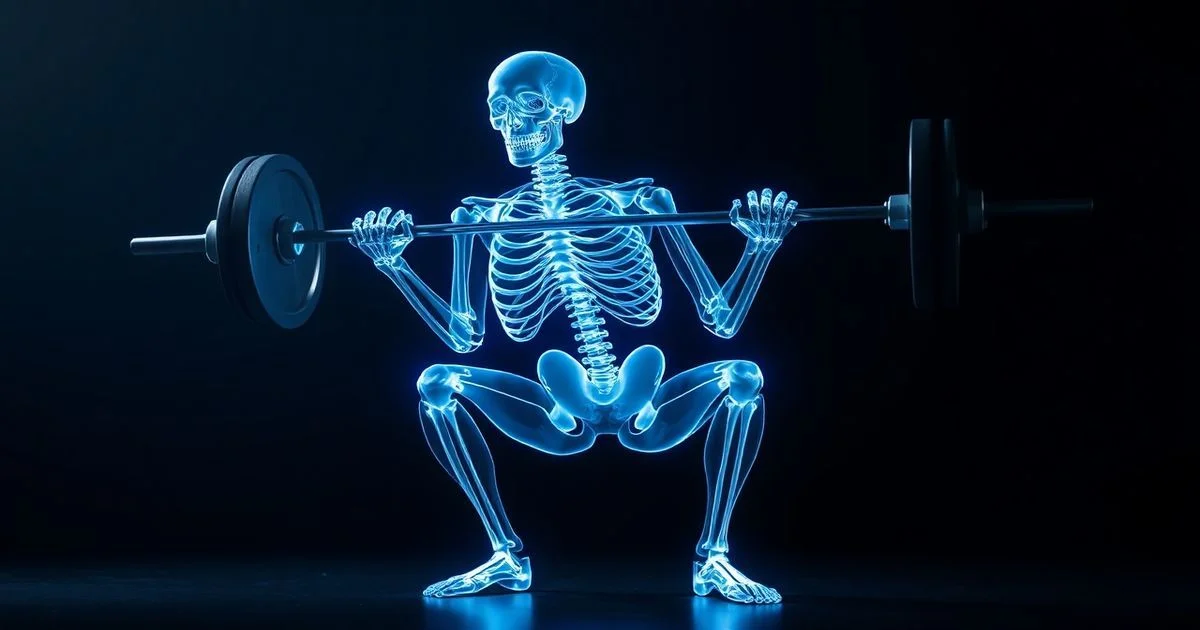
Optimizing the human "hardware" is a non-negotiable requirement for high-performance longevity, whether you are a professional athlete or a developer spending ten hours a day at a workstation. Incorporating Foundational Strength Training Exercises for Injury Prevention serves as a critical system-wide patch for the biomechanical vulnerabilities inherent in both sedentary and high-impact lifestyles. By prioritizing these foundational exercises, individuals can effectively manage their physical technical debt, mitigating the risk of chronic injury while building a resilient framework that supports long-term structural integrity and physiological prevention of musculoskeletal decay.
- The Biomechanics of Injury: Why Systems Fail
- Key Foundational Strength Training Exercises for Injury Prevention
- Advanced Biomechanics: The Role of Unilateral Training
- Load Management and Progressive Overload
- Mobility vs. Flexibility: The Stability Paradox
- Implementation: Building Your Prevention Protocol
- Common Implementation Errors to Avoid
- Real-World Applications: From the Desk to the Field
- Conclusion
- Frequently Asked Questions
- Further Reading & Resources
The Biomechanics of Injury: Why Systems Fail
To understand the necessity of strength training, we must first view the human body through the lens of structural engineering. Injuries—whether acute like a ligament tear or chronic like tendonitis—are essentially "system failures" that occur when the applied load exceeds the tissue's capacity to handle that load. This load can come from external forces, such as lifting a heavy object, or internal stressors, like repetitive strain from poor posture. The human musculoskeletal system, much like any complex engineering system, possesses inherent design tolerances. Exceeding these tolerances without proper reinforcement or recovery inevitably leads to compromised function and eventual failure.
In the tech world, we talk about stress testing servers; in the physical world, we stress test our joints. When your glutes are "offline" due to prolonged sitting, your lower back (lumbar spine) takes up the slack. This is a classic case of a secondary system being forced to handle a primary system's workload, eventually leading to catastrophic failure such as disc herniation or chronic lower back pain. Understanding these compensatory patterns is crucial for effective injury prevention. For a deeper understanding of how these principles apply to younger athletes, explore our guide on How to Prevent Sports Injuries in Youth Athletes.
The SAID Principle: Specific Adaptation to Imposed Demands
The Specific Adaptation to Imposed Demands (SAID) principle is the operating system of human biology. It states that the body will adapt specifically to the type of demand placed upon it. This principle underpins the effectiveness of strength training for injury prevention. If you provide a controlled, progressive load via strength training, your bones increase in density, your tendons stiffen (in a good way), and your nervous system becomes more efficient at recruiting muscle fibers. Conversely, if you place no demands, tissues decondition, leading to atrophy and increased vulnerability. For instance, repeatedly lifting moderate weights will strengthen the muscles involved in that specific motion, making them more resilient to similar future stresses.
Technical Debt in the Human Body
Technical debt in software occurs when we take shortcuts today that cause problems tomorrow. In the body, "movement debt" occurs when we skip the basics of mobility and strength. This often manifests as habitual poor posture, neglected muscle groups, or over-reliance on a few dominant muscles. We rely on "hacks" like Ibuprofen or caffeine to mask the warning signs of a failing kinetic chain. Eventually, the debt comes due in the form of a slipped disc, a frozen shoulder, or chronic tendinopathy. Addressing this debt requires a proactive approach to movement quality and strength, akin to refactoring inefficient code to prevent future system crashes. This accumulation of 'movement debt' parallels the challenges faced in Building Scalable Microservices Architecture, where technical debt can cripple a system if not managed proactively.
Key Foundational Strength Training Exercises for Injury Prevention
The following movements represent the "core libraries" of human movement. Mastery of these patterns ensures that your biomechanical architecture is balanced, redundant, and capable of handling unexpected spikes in physical demand. Each exercise targets multiple muscle groups and movement patterns essential for real-world functionality and robust injury resilience.
1. The Squat: The Vertical Compression Shield
The squat is often called the king of exercises, but for injury prevention, it is the ultimate tool for knee, hip, and ankle health. By strengthening the quadriceps, hamstrings, and gluteus maximus, you create a powerful muscular "brace" around the knee joint. This allows the joint to distribute forces more evenly and protects the ligaments from excessive strain. Furthermore, a well-executed squat integrates core stability, ensuring the lumbar spine remains neutral under load.
Key Mechanics for Injury Prevention:
- Joint Centration: Keeping the femur centered in the hip socket throughout the movement is paramount. Proper depth ensures full activation of the glutes.
- Intra-Abdominal Pressure: Using the "bracing" technique—a deep breath held against a tightened core—creates a rigid cylinder around the spine, protecting it from shear forces.
- Force Distribution: Transferring weight through the mid-foot helps prevent excessive anterior shear on the patella and balances muscular engagement across the entire lower limb.
- Ankle Mobility: Adequate ankle dorsiflexion is critical for maintaining an upright torso and preventing compensatory rounding of the lower back.
When performed correctly, the squat trains the body to handle vertical loads efficiently and safely. For someone who sits all day, squats re-engage the posterior chain, reversing the "gluteal amnesia" that often leads to lower back pain and hamstring strains. Variations like front squats or goblet squats can further emphasize core stability and different biomechanical pathways.
2. The Deadlift: Posterior Chain Integrity
If the squat is about vertical compression, the deadlift is about hinging and tensile strength. It is the primary exercise for the entire posterior chain—the muscles running from your calves, through your hamstrings and glutes, up to your erector spinae and upper back. This movement teaches the body how to lift objects from the ground using powerful hip extension rather than risky spinal flexion.
Injury Prevention Benefits:
- Lumbar Stability: By training the erector spinae and core to hold a neutral spine under load, you create a "biological corset" that is crucial for protecting the delicate structures of the lower back during daily activities and sudden movements.
- Grip Strength: A high correlation exists between grip strength and overall mortality/longevity, making it an excellent biomarker for general health and resilience. A strong grip also enhances control over heavy loads.
- Hip Hinge Mastery: Learning to pick up heavy objects using the powerful musculature of the hips and legs, rather than rounding the spine, is perhaps the most practical and vital injury-prevention skill one can possess in both athletic and everyday contexts.
- Hamstring & Glute Development: These muscles are often weak in sedentary individuals, leading to compensation by the lower back. Deadlifts directly address this imbalance.
Deadlift Load Distribution Data:
- Primary Movers: Gluteus Maximus, Hamstrings (60% of load)
- Stabilizers: Erector Spinae, Latissimus Dorsi (30% of load)
- Secondary: Forearms, Traps (10% of load)
Understanding this distribution highlights how the deadlift comprehensively strengthens the body's primary lifting and postural muscles. Different variations, such as the Romanian Deadlift (RDL) or sumo deadlift, can selectively emphasize hamstring flexibility or hip drive, offering targeted injury prevention benefits.
3. The Push-Up: Shoulder Girdle Stability
The push-up is often dismissed as a "beginner" exercise, but it is a complex, multi-joint movement that requires total body synchronization and exceptional shoulder girdle stability. Unlike the bench press, where the shoulder blades are pinned against a pad, the push-up allows the scapulae (shoulder blades) to move freely and naturally through protraction and retraction. This natural movement pattern is critical for shoulder health.
The Scapulohumeral Rhythm and Injury Prevention:
This refers to the coordinated movement of the humerus (arm bone) and the scapula. Many shoulder injuries—such as impingement or rotator cuff tears—occur because the shoulder blade doesn't move out of the way of the arm bone properly, leading to friction and tissue damage. Push-ups, particularly with a focus on "pushing the floor away" at the top (scapular protraction), strengthen the serratus anterior—the muscle responsible for keeping the shoulder blade flat against the rib cage. This action helps maintain optimal scapulohumeral rhythm, preventing the shoulder from "winging" and reducing the risk of impingement. Proper core engagement throughout the movement also prevents excessive lumbar extension, protecting the lower back.
4. The Pull-Up or Row: Postural Correction
In an era of "tech neck" and rounded shoulders, where our heads are often tilted forward over screens, our anterior (front) muscles (pectorals, anterior deltoids) become tight and shortened, while our posterior (back) muscles (rhomboids, middle trapezius) become weak and overstretched. This creates a massive imbalance in the shoulder joint and thoracic spine, contributing to pain and dysfunction.
Horizontal rowing movements (like a seated cable row, dumbbell row, or inverted row) and vertical pulling movements (pull-ups, lat pulldowns) are the direct antidote. They strengthen the rhomboids, middle and lower trapezius, and latissimus dorsi, pulling the shoulders back into a neutral, "factory-reset" position. This not only improves posture but also stabilizes the scapula, reducing strain on the rotator cuff and preventing conditions like biceps tendonitis and thoracic outlet syndrome. Incorporating both horizontal and vertical pulling patterns ensures comprehensive development of the entire back musculature.
Advanced Biomechanics: The Role of Unilateral Training
While bilateral movements (using both legs/arms simultaneously) are excellent for building raw power and systemic strength, unilateral training (single-leg or single-arm) is the secret sauce of injury prevention and performance enhancement. In the real world, we rarely move symmetrically. We run, climb stairs, walk, and reach for things using one side of the body at a time. Unilateral exercises specifically address these functional demands and expose asymmetries.
The Split Squat and Lunge
The split squat and lunge variations force each leg to stabilize and bear load independently. This exposes and corrects "asymmetries"—the physical equivalent of a memory leak in your code, where one side performs less efficiently than the other. If your left knee collapses inward while your right knee stays stable during a lunge, you have a stability deficit (often due to weak gluteus medius) that will eventually cause an injury during dynamic movements or sudden changes in direction.
Benefits of Unilateral Work for Injury Prevention:
- Pelvic Stability: Training the gluteus medius and minimus to keep the pelvis level during single-leg stance is crucial for preventing conditions like IT band syndrome, piriformis syndrome, and even lower back pain.
- Core Anti-Rotation: Forcing the obliques and transverse abdominis to prevent the torso from twisting under an uneven load is fundamental for developing a robust, injury-resistant core that transfers power efficiently.
- Ankle Proprioception: Improving the nervous system's ability to sense the position of the foot and ankle in space enhances balance and reduces the risk of ankle sprains, especially on uneven terrain.
- Reduced Muscle Imbalances: By working each limb independently, unilateral exercises help to correct strength and stability deficits between sides, leading to a more balanced and resilient physique.
Load Management and Progressive Overload
You cannot prevent injury by jumping into a high-intensity program without a "beta test" phase or a structured scaling plan. This is where the concept of Progressive Overload comes in. To strengthen tissues—muscles, tendons, bones, and ligaments—you must apply a stressor that is slightly higher than what the body is currently used to, then allow for adequate recovery and adaptation. Without progressive overload, the body has no reason to get stronger. Without recovery, it has no capacity to adapt.
The Recovery Cycle: The System Update Process
- Stress (The Workout): The training session initiates a controlled breakdown of muscle fibers and stresses connective tissues.
- Nutrition & Sleep (The Data Upload): Adequate protein provides the building blocks for repair, carbohydrates fuel recovery, and sleep is when the body performs its most critical repair and hormonal regulation.
- Adaptation (The System Upgrade): The body rebuilds the stressed tissues to be stronger and more resilient than before, preparing for the next challenge.
If you skip the recovery phase, you are essentially running a processor at 100% capacity without a cooling system. Eventually, the hardware will throttle or fail. This iterative process of stress, recovery, and adaptation is key to long-term injury prevention. Progressive overload isn't just about adding more weight; it can also involve increasing repetitions, sets, training frequency, reducing rest times, or improving lifting tempo.
Quantifying the Load: The Acute:Chronic Workload Ratio
A sophisticated metric used by sports scientists to manage training stress and predict injury risk is the Acute:Chronic Workload Ratio (ACWR). This ratio compares the recent training load (acute) to the average training load over a longer period (chronic).
ACWR Formula:
Acute Load (Current Week) / Chronic Load (Average of Last 4 Weeks)
Ideal Ratio: 0.8 to 1.3 (The "sweet spot" for adaptation with minimal risk)
Danger Zone: > 1.5 (High risk of injury due to sudden spikes in training stress)
By keeping your training volume and intensity within the "sweet spot," you ensure that you are applying enough stress to trigger adaptation without overwhelming the system's capacity to repair and recover. Monitoring this ratio allows for data-driven adjustments to your training plan, reducing the likelihood of overuse injuries.
Mobility vs. Flexibility: The Stability Paradox
Many people confuse flexibility (the passive range of motion, often achieved through stretching) with mobility (the active, controlled range of motion around a joint, requiring strength and coordination). Having high flexibility without the strength to control that range of motion is a recipe for joint instability, dislocations, and ligament tears. True mobility implies strength throughout the entire range of motion.
The Joint-By-Joint Theory:
Developed by physical therapists Gray Cook and Michael Boyle, this theory suggests that the body is a stack of joints with alternating needs:
- Ankle: Primarily needs mobility (to allow movement in multiple planes).
- Knee: Primarily needs stability (to maintain alignment and resist unwanted movement).
- Hip: Primarily needs mobility (as a highly mobile ball-and-socket joint).
- Lumbar Spine: Primarily needs stability (to protect the spinal cord).
- Thoracic Spine: Primarily needs mobility (to allow rotation and extension).
- Scapula/Shoulder Girdle: Primarily needs stability (to provide a stable base for arm movement).
- Glenohumeral Joint (Shoulder): Primarily needs mobility (as another highly mobile ball-and-socket joint).
If your ankles are "locked up" (immobile), your body will look for movement elsewhere—usually the knee or lumbar spine. This is how a stiff ankle can contribute to a torn ACL or chronic knee pain, as the knee is forced to mobilize when it should be stabilizing. Strength training helps "lock in" the stability where it's needed (e.g., knees, lumbar spine, scapula), while dynamic warm-ups and targeted mobility drills ensure adequate range of motion in mobile joints (e.g., ankles, hips, thoracic spine).
Implementation: Building Your Prevention Protocol
For the tech-savvy professional, building a fitness protocol should feel like building a CI/CD pipeline. It needs to be automated, consistent, monitored for errors, and progressively enhanced. A well-structured strength training program doesn't require hours in the gym; rather, it demands intelligent design and consistent execution.
A Sample Baseline Routine (2-3 times per week):
- Warm-up (The Boot Sequence): 5-10 minutes of dynamic movement (leg swings, arm circles, cat-cows, bird-dogs) to increase blood flow, lubricate joints, and "prime" the nervous system for movement.
- Primary Lift (The Core Logic): Start with a major compound movement like a Squat or Deadlift variation (e.g., Goblet Squat, Trap Bar Deadlift). Focus on 3 sets of 5-8 repetitions with perfect form.
- Secondary Lift (The Module): Incorporate a Push-up variation (e.g., incline push-ups, standard push-ups) or a Horizontal Row (e.g., dumbbell rows, inverted rows). Focus on 3 sets of 8-12 repetitions.
- Unilateral Work (The Debugging): Add a single-leg exercise like Split Squats, Lunges, or Single-Leg RDLs. Also consider single-arm carries (Farmer's Carry) for core anti-rotation. Aim for 2-3 sets of 8-12 repetitions per side.
- Core Stability (The Firewall): Finish with dedicated core exercises that emphasize spinal stability, such as Planks, Side Planks, "Dead Bugs," or Pallof Presses. Focus on control and holding positions for 30-60 seconds or 10-15 repetitions.
Consistency Over Intensity
In software development, a small, daily commit is often better than a massive, buggy push once a month. The same applies to the human body. Doing Foundational Strength Training Exercises for Injury Prevention twice a week with 70-80% intensity and excellent form is infinitely more effective than a once-a-week "hero workout" that leaves you unable to walk for three days. Consistency builds adaptive capacity over time, whereas sporadic high intensity often leads to overtraining and injury. Consistency is paramount, much like applying the Core Principles of Effective Time Management to any long-term project.
Common Implementation Errors to Avoid
Even the best-designed system can fail if the execution is flawed. Here are the most common "bugs" in strength training programs that hinder injury prevention:
1. Ego Lifting (Overclocking):
Trying to lift more weight than your form allows. This is the equivalent of running a script on a server that doesn't have the RAM to support it. The system will crash, manifesting as compromised technique, strain, and eventual injury. Prioritize perfect form over maximal weight.
2. Ignoring Symmetry and Balance:
Focusing only on the "mirror muscles" (chest, biceps, abs) while neglecting the posterior chain (back, glutes, hamstrings) and smaller stabilizing muscles. This creates a front-heavy system that pulls the skeleton out of alignment, leading to postural imbalances and increased injury risk. A balanced program targets all major muscle groups.
3. Poor "Input" (Nutrition, Hydration, Sleep):
Your body cannot rebuild tissues and adapt to training stress using low-quality fuel or inadequate rest. Protein is the structural code; carbohydrates are the electricity for recovery and performance; fats are the insulation for your nerves and hormones. Sleep is the essential "system reset" and repair phase. Neglecting these inputs undermines all your training efforts.
4. Lack of De-loading:
Every 4-6 weeks, you should have a "de-load" week where you significantly reduce the volume (sets and reps) or intensity (weight) of your training by 30-50%. This allows systemic inflammation to subside, facilitates tissue repair, and "clears the cache" of your central nervous system, preventing burnout and overtraining. De-loads are strategic, not a sign of weakness.
Real-World Applications: From the Desk to the Field
The beauty and utility of these foundational movements lie in their universality. Their benefits extend far beyond the gym, enhancing performance and resilience in virtually every aspect of life. A programmer who strengthens their mid-back through rowing will find that their posture at the desk improves, reducing the incidence of tension headaches and upper back pain. A weekend warrior who masters the split squat will find their knees feel more stable and powerful during a Saturday morning football match, significantly lowering their risk of non-contact injuries. An individual engaged in manual labor will find lifting and carrying tasks become safer and less strenuous.
Statistics on Strength Training and Injury Prevention:
- A meta-analysis published in the British Journal of Sports Medicine found that strength training reduced sports injuries by approximately one-third and overuse injuries could be almost halved. This is a statistically significant protective effect.
- Increased muscle mass is directly correlated with higher bone mineral density, which is the primary defense against fractures in older age, highlighting the long-term, systemic benefits of strength training.
- Studies have shown that individuals with stronger lower body musculature exhibit greater knee stability and reduced risk for ACL tears, a common and debilitating sports injury.
These statistics underscore the evidence-based efficacy of a consistent strength training regimen as a prophylactic measure against injury.
Conclusion
The human body is an incredibly adaptive and resilient machine, but it requires the right inputs and maintenance protocols to function optimally and prevent premature degradation. By committing to Foundational Strength Training Exercises for Injury Prevention, you are not just "working out"; you are performing essential, proactive maintenance on your most valuable asset—your physical self.
Strength is the buffer that allows you to handle the myriad stressors of life—whether that is a 12-hour coding sprint, a cross-country flight, lifting a child, or a heavy lift in the gym. Prioritize the quality of your movement patterns, respect the physics and biomechanics of your joints, and treat your physical health with the same rigorous logic and discipline you apply to your professional work. The result will be a high-uptime, low-latency version of yourself that is more robust, less susceptible to breakdown, and ready for any challenge the future brings.
Frequently Asked Questions
Q: What are foundational strength training exercises for injury prevention?
A: Foundational exercises are multi-joint, compound movements that mimic natural human movement patterns. Key examples include squats, deadlifts, push-ups, rows, and unilateral exercises like split squats, all designed to build overall strength, stability, and correct biomechanical imbalances.
Q: Why is consistency important in injury prevention training?
A: Consistency is paramount because the body adapts to regular, progressive stress over time. Infrequent, high-intensity workouts can lead to overtraining and injury, whereas consistent, moderate intensity training allows for gradual tissue strengthening and adaptation, building lasting resilience.
Q: How does load management prevent injuries?
A: Load management, often tracked through methods like the Acute:Chronic Workload Ratio, prevents injuries by ensuring that training stress is progressively increased without overwhelming the body's capacity for recovery and adaptation. This systematic approach allows tissues to strengthen safely, avoiding the spikes in load that often lead to system failure and injury.