Africa's Infrastructure Funding Crisis Impedes Growth: A Looming Challenge
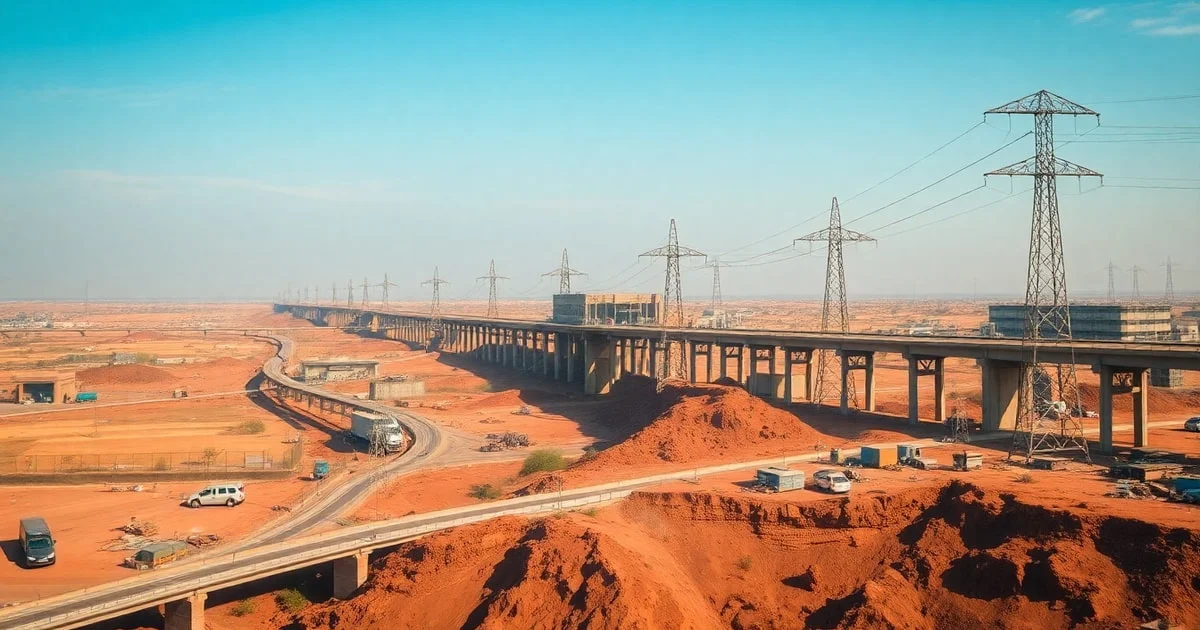
The African continent stands at a critical juncture, brimming with immense potential yet continually hampered by a profound infrastructure deficit. This persistent gap, deeply intertwined with Africa's Infrastructure Funding Crisis Impedes Growth, poses a significant and looming challenge to economic development and social progress across the region. Despite ambitious plans and urgent needs, securing adequate financing for crucial projects – from energy grids to transport networks and digital connectivity – remains a formidable hurdle. This article delves into the scale of this crisis, its far-reaching impacts, and the innovative solutions being explored to bridge the gap and unlock Africa's full potential.
- The Foundational Role of Infrastructure for African Growth
- Quantifying the Infrastructure Funding Gap
- Key Sectors Affected by Africa's Infrastructure Funding Crisis Impedes Growth
- Key Drivers of the Funding Gap
- The Impact on Growth and Development
- Addressing the Challenge: Solutions and Initiatives
- Challenges in Implementation
- Conclusion: A Path Forward Amidst Persistent Hurdles
- Frequently Asked Questions
- Further Reading & Resources
The Foundational Role of Infrastructure for African Growth
Infrastructure is the very backbone of any thriving economy, serving as the essential arteries that facilitate trade, connectivity, and human development. For Africa, robust infrastructure is not merely a convenience but a strategic imperative for achieving sustainable economic growth, reducing poverty, and improving living standards for its rapidly expanding population. Beyond mere economic facilitation, robust infrastructure underpins the achievement of numerous Sustainable Development Goals (SDGs) on the continent, from ensuring access to clean water (SDG 6) and affordable energy (SDG 7) to fostering decent work and economic growth (SDG 8) and building resilient cities (SDG 11). It directly impacts every facet of life, from a farmer's ability to get perishable goods to market, thereby reducing post-harvest losses and enhancing food security, to a student's access to digital education, bridging critical knowledge gaps. Furthermore, strategic investments in green infrastructure can help African nations adapt to and mitigate the impacts of climate change, building resilience in vulnerable communities.
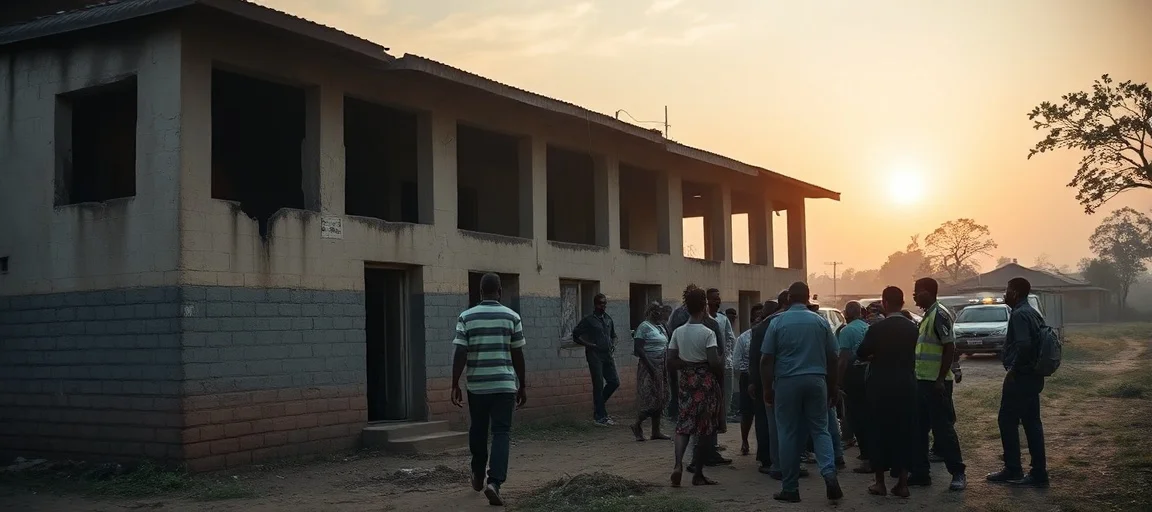
However, the current state of infrastructure in many African nations paints a stark picture of underdevelopment. Despite some progress over recent decades, the continent, particularly Sub-Saharan Africa, lags behind other developing regions on critical infrastructure indicators. This deficit is a complex legacy, shaped by colonial history, post-independence policy choices, and ongoing financing and governance constraints, creating a persistent drag on potential.
Quantifying the Infrastructure Funding Gap
The scale of Africa's infrastructure funding crisis is staggering. Estimates suggest that the continent requires between 170 billion annually to meet its infrastructure needs. However, actual commitments have fallen significantly short, with only about 68 billion to 141.9 billion to 1.4 trillion to $2 trillion over that decade.
This shortfall is not just a statistical anomaly; it represents a tangible barrier to progress. The Infrastructure Consortium for Africa (ICA) noted that funding commitments made by its members in 2020 stood at 26.9 billion in 2019, as many focused spending on healthcare and economic recovery during the COVID-19 pandemic. Despite a rise in financing commitments to almost $100 billion in 2023, supported by increased government allocations, the pace of investment growth continues to lag funding requirements.
Key Sectors Affected by Africa's Infrastructure Funding Crisis Impedes Growth
The funding crisis impacts various critical sectors, hindering balanced development across the continent.
Energy Deficit: Powering Productivity
Access to reliable and affordable energy is fundamental for economic growth and improved livelihoods. Yet, approximately 600 million people in Africa currently lack access to electricity. As of 2024, only about 58% of Africa's population had electricity, with only six countries achieving universal access. In 2022, Africa's average electricity consumption dropped to just 514.7 kWh per capita, the lowest level since at least 1998, reflecting not only an access gap but a failure to scale energy systems. To meet its development goals, Africa needs to double or triple its annual energy buildout. Frequent power outages, such as those in South Africa, can shave up to 2% off national GDP. The energy sector faces the largest deficit, and scaling up power generation is an urgent strategic priority.
Transport and Logistics: The Arteries of Trade
Roads carry 80% of freight and 90% of passenger traffic in Africa, yet their scale, quality, and coverage remain inadequate. Poor road networks, inefficient railways, and limited airport capacity contribute to some of the highest logistics costs globally, with transport costs adding up to 75% to the price of goods in some regions. This "infrastructure penalty" fragments the continent into small, isolated economies, undermining trade, industrialization, and competitiveness. The African Continental Free Trade Area (AfCFTA), while a monumental opportunity, requires significantly improved transport networks to realize its full potential. Transport infrastructure alone represents 73% of Africa's financing gap.
Digital Connectivity: Bridging the Divide
In an increasingly digital world, Africa faces significant digital divides. While mobile penetration is high, broadband access remains limited and expensive. Reliable internet access is sparse outside major cities, disconnecting vast populations from global knowledge, education, and economic opportunities. Only 6% of rural areas have some form of digital connectivity. Bridging this gap is crucial for fostering inclusive digital economies and enabling growth.
Water and Sanitation: A Foundational Necessity
The deficit in water and sanitation infrastructure is massive, accounting for 41% of the total infrastructure financing gap in some analyses. Approximately 663 million people lack improved drinking water sources, and 2.4 billion lack improved sanitation. This has severe economic costs, paid in healthcare burdens and lost labor productivity due to waterborne diseases. Poor water and sanitation systems are estimated to cost the continent nearly 5% of GDP each year.
Key Drivers of the Funding Gap
Several interwoven factors contribute to Africa's persistent infrastructure funding crisis.
Limited Fiscal Space and Mounting Debt
African governments are the primary financiers of infrastructure, but they face limited fiscal space, often allocating only 3-4% of their GDP to infrastructure, which is insufficient for the continent's vast needs. Rising sovereign debt further constrains their ability to invest, with some countries spending as much as 20% of their revenue on debt servicing. This diverts crucial funds away from productive infrastructure investments.
High-Risk Perceptions and Lack of Bankable Projects
International private investors often perceive African infrastructure projects as high-risk due to political instability, regulatory volatility, and weak governance. This leads investors to demand a risk premium, making financing more expensive. A significant challenge is the "paradox of projects," where global capital markets have liquidity, but Africa struggles with a scarcity of bankable infrastructure assets. It is estimated that 80% of infrastructure projects in Africa fail at the feasibility stage, often due to poor project preparation rather than a lack of economic viability.
Inefficient Financial Intermediation and Shallow Capital Markets
Domestic financial markets in many African countries are shallow and fragmented, limiting the efficient deployment of local capital. Pension fund development is uneven, and low insurance penetration (typically below 3% of GDP compared to a global average of 6-7%) restricts the pool of institutional capital available for long-term investments. Banks often invest a large share of their assets in government bonds, further limiting private-sector funding.
Coordination Challenges and Fragmented Systems
The infrastructure gap is not solely a deficit of assets but also a reflection of fragmented systems, weak coordination, and limited alignment with development priorities. Cross-border projects, which are crucial for regional integration, are particularly vulnerable to delays due to complex treaty negotiations, regulatory approvals, and financing structures. Competing national priorities can often deprioritize transnational initiatives that offer greater overall shared advantages.
The Impact on Growth and Development
The repercussions of inadequate infrastructure are profound and pervasive. The infrastructure deficit is estimated to reduce Africa's GDP growth by around two percentage points annually and lower business productivity by up to 40%. Some estimates suggest a 2.6% annual reduction in per-capita economic growth due to this deficit. Conversely, closing the gap could increase GDP growth by 4.5 percentage points, potentially doubling the continent's economic output by 2040.
Beyond economic metrics, poor infrastructure exacerbates social inequalities. It limits access to essential services like healthcare and education, perpetuates food insecurity, and contributes to high unemployment and poverty rates. For instance, without reliable transport, remote communities struggle to access medical facilities, and children often face long, arduous journeys to school, affecting attendance and learning outcomes. The inability to move goods and people efficiently constrains intra-African trade, which accounts for only about 15-17% of the continent's total trade, hindering the realization of the African Continental Free Trade Area's full promise. Ultimately, the lack of foundational infrastructure undermines human capital development and perpetuates cycles of poverty, preventing millions from achieving their full potential.
Addressing the Challenge: Solutions and Initiatives
Overcoming Africa's infrastructure funding crisis requires a multi-pronged approach involving governments, multilateral institutions, and the private sector.
Mobilizing Domestic Resources and Strengthening Capital Markets
There is a growing consensus that domestic resource mobilization is the most stable and sustainable source of finance. This includes raising internal revenue, tackling illicit financial flows, and deepening national capital markets. African countries hold over $1.1 trillion in domestic capital from pension and insurance funds, public development banks, and sovereign wealth funds, which could be leveraged for long-term infrastructure investment. Government policies that deepen and strengthen national capital markets, alongside improvements in regulatory stability, could engender greater investor confidence and facilitate the channeling of these substantial internal resources into productive infrastructure assets.
Enhancing Public-Private Partnerships (PPPs) and Blended Finance
Public-Private Partnerships (PPPs) are increasingly vital for financing Africa's infrastructure, leveraging private capital and expertise to mitigate risks and bridge funding gaps. Blended finance, which combines public and private resources, also helps de-risk projects, making them more attractive to private investors. Between 2013–2022, Sub-Saharan Africa attracted 41% of the volume and 50% of the value of global blended finance infrastructure deals. Successful models like Nigeria's Lekki-Epe Toll Road and South Africa's Renewable Energy Independent Power Producer Procurement Programme demonstrate the immense potential of well-structured PPPs to deliver critical infrastructure.
Role of Multilateral Development Banks and International Partners
Institutions like the African Development Bank (AfDB) and the World Bank remain central partners, providing patient and flexible capital, including guarantees, risk-sharing instruments, and blended finance. The AfDB has invested over $50 billion in high-quality infrastructure over the past eight years. Initiatives like the NEPAD Infrastructure Project Preparation Facility (NEPAD-IPPF), hosted by the AfDB, support African countries in preparing regional infrastructure projects, addressing the critical lack of investment-ready projects.
China, through its Belt and Road Initiative, has also been a major source of infrastructure finance, particularly for trade-enabling assets. Other initiatives like the European Union's Global Gateway (pledging €150 billion for Africa) and the G7's Partnership for Global Infrastructure and Investment also aim to mobilize significant funds for infrastructure in emerging economies, reflecting a growing international commitment.
Continental Frameworks and Regional Integration
Programs like the African Union's Programme for Infrastructure Development in Africa (PIDA) are designed to overcome regional connectivity challenges by developing transformative, cross-border infrastructure projects across energy, transport, water, and ICT sectors. PIDA's Second Priority Action Plan (PIDA PAP 2, 2021-2030) features 69 projects with an estimated cost of $160.8 billion. These projects are crucial for facilitating trade, transforming connectivity, and fostering inclusive growth across the continent, by creating economies of scale and reducing transaction costs.
Challenges in Implementation
Despite these solutions, significant implementation challenges persist, often undermining even well-conceived projects. These include a pervasive lack of coordination across diverse stakeholders—ranging from national governments and local communities to international financiers and private developers—leading to bureaucratic bottlenecks and project delays. Difficulties in sourcing and structuring funding remain acute, exacerbated by insufficient technical capacity in project preparation and execution within many African institutions. Furthermore, weak regulatory frameworks and governance issues, including corruption, can deter private investment and inflate project costs. Africa requires an estimated 5 million additional skilled professionals, including engineers, technicians, and artisans, to meet its infrastructure and Sustainable Development Goals, highlighting a profound human capital deficit. The process of conducting thorough environmental and social impact assessments, while critical for sustainable development, often adds complexity and time to project timelines. Moreover, aligning diverse national priorities with broader regional goals, especially for critical cross-border infrastructure initiatives, remains a complex task requiring sustained political will and collaborative diplomacy.
Conclusion: A Path Forward Amidst Persistent Hurdles
The challenge presented by Africa's Infrastructure Funding Crisis Impedes Growth is undeniable, acting as a critical bottleneck for the continent's progress. While the scale of the funding gap is substantial, the opportunity for transformative change through strategic and coordinated investment is equally immense. By mobilizing domestic capital, fostering robust public-private partnerships, leveraging multilateral and international support, and strengthening continental frameworks like PIDA, Africa can gradually bridge this divide. The period from 2024-2025 is seen as a turning point, moving away from reliance on sovereign guarantees and massive bilateral loans towards a more diverse and sustainable financing landscape. Success in addressing this crisis will not only unlock trillions in economic output but also elevate the quality of life for millions, realizing Africa's immense potential on the global stage.
Frequently Asked Questions
Q: What is Africa's infrastructure funding gap?
A: Africa requires an estimated 170 billion annually to meet its infrastructure needs, but only secures about 100 billion. This leaves an annual funding gap of 108 billion, with some reports suggesting a total deficit of 2 trillion over the next decade.
Q: Which sectors are most affected by Africa's infrastructure funding crisis?
A: The energy sector is critically impacted, with hundreds of millions lacking electricity access. Transport and logistics, digital connectivity, and water and sanitation also face significant deficits, which severely hinder trade, economic integration, and public health across the continent.
Q: How can Africa's infrastructure funding crisis be resolved?
A: Key strategies include mobilizing domestic resources, enhancing Public-Private Partnerships (PPPs) and blended finance models, leveraging support from multilateral development banks and international partners, and strengthening continental frameworks like PIDA for regional integration.