Tragic Fire Kills 16 Girls at Kenya Boarding School, Devastating Families
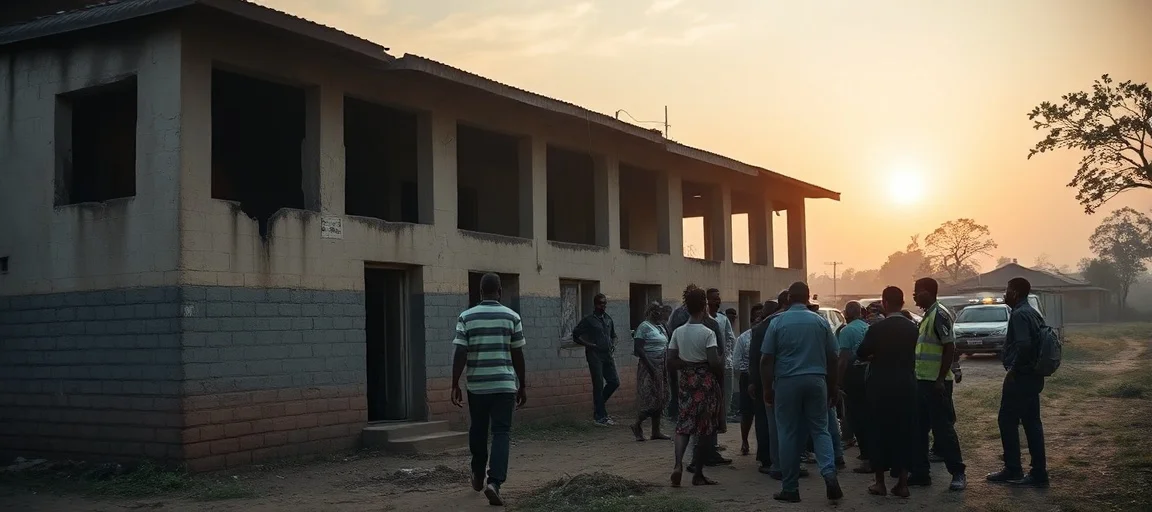
A devastating inferno ripped through a girls' dormitory at a Kenya boarding school, resulting in the tragic death of 16 young students and leaving many more injured. The horrific incident has sent shockwaves across the nation, prompting an outpouring of grief and urgent calls for enhanced safety measures in educational institutions. This tragic fire, which killed 16 girls at a Kenya boarding school, occurred in the early hours, catching the students in their sleep and creating a scene of unimaginable sorrow. Authorities have launched a full-scale investigation into the cause of the blaze, promising answers and accountability for the grieving families and a nation in mourning.
- The Horrific Night: Details of the Disaster
- Background to the Crisis: School Fires in Kenya
- Initial Investigations and Search for Answers
- Government and Community Response
- The Human Cost: Stories of Loss and Survival After the Tragic Fire Kills 16 Girls at Kenya Boarding School
- Calls for Enhanced Safety and Policy Reforms
- The Path Forward: Healing and Prevention
- Frequently Asked Questions
- Further Reading & Resources
The Horrific Night: Details of the Disaster
The devastating fire broke out at approximately 1:00 AM on May 28, 2026, at the Moi Girls High School in Nairobi, a prominent boarding school for girls known for its academic excellence. The blaze quickly engulfed one of the dormitories, known as the "Kyevu Dormitory," trapping students as they slept in their beds. Eyewitness accounts describe a chaotic scene of panic and desperate attempts to escape the rapidly spreading flames, which consumed the structure with terrifying speed. Firefighters and emergency services were dispatched to the scene, but the intensity of the fire and the challenges of access in the pre-dawn hours made rescue efforts exceptionally difficult. First responders faced a harrowing task, battling not only the raging inferno but also the desperate cries for help and the overwhelming emotional toll of witnessing such devastation.
Many students managed to escape with injuries ranging from minor burns to severe smoke inhalation, while others were tragically unable to make it out alive. The victims, all young girls aged between 14 and 17, lost their lives in circumstances that have deeply shaken the entire community and beyond. The exact number of injured students and their current conditions are still being assessed, with several admitted to nearby hospitals for urgent medical attention and psychological support. Reports from Kenyatta National Hospital indicated that some survivors suffered critical burns and respiratory distress. The sheer scale of the tragedy highlights critical questions regarding dormitory safety, emergency preparedness, and the adequacy of evacuation protocols within Kenya's educational system, casting a somber shadow over the promise of education.
Background to the Crisis: School Fires in Kenya
Unfortunately, this tragic incident is not an isolated event in Kenya; it is a grim recurrence in the nation's educational history. The country has a concerning and well-documented history of school fires, with numerous such catastrophes reported over the past decades. These incidents have often resulted in significant loss of life, injury, and extensive property damage, repeatedly bringing into question the efficacy of safety regulations and their enforcement. A pattern of inquiries, recommendations, and subsequent inaction has unfortunately characterized the response to many previous blazes.
Previous investigations into school fires have frequently cited various contributing factors. These include perennial issues such as inadequate or non-existent fire safety equipment, with non-functional fire extinguishers or a complete lack of smoke detectors being common findings. Poorly maintained or old electrical systems are another notorious culprit, prone to short-circuiting and easily igniting flammable materials commonly found in dormitories. Overcrowding in dormitories, a pervasive issue driven by demand for boarding school education, is a major impediment to quick evacuation during an emergency. Furthermore, some reports have pointed to arson as a cause in certain instances, often linked to student unrest or grievances, although authorities have emphasized that this is not currently suspected in the Moi Girls High School tragedy. Each incident, including this latest tragic fire that killed 16 girls at a Kenya boarding school, reignites debates about the urgent need for comprehensive reforms in school infrastructure and safety protocols, demanding a departure from past cycles of tragedy and temporary fixes.
Initial Investigations and Search for Answers
Immediately following the tragic fire, Kenyan authorities launched a multi-agency investigation to ascertain the precise cause of the blaze and identify any potential culpability. Police, forensic experts from the Directorate of Criminal Investigations (DCI), and fire department officials are meticulously sifting through the charred remains of the dormitory. This painstaking process involves examining structural integrity, electrical wiring remnants, and any accelerant residues, seeking crucial evidence that could shed light on how the fire started and why it spread so rapidly. Initial reports indicate a focus on electrical faults, given the commonality of such issues in older structures, but all possibilities, including deliberate actions or other forms of negligence, remain under thorough consideration.
Investigators are also rigorously reviewing the school's compliance with established fire safety regulations. This includes examining the presence and functionality of fire exits, the availability of emergency lighting, the adequacy of fire drills conducted, and whether the dormitory adhered to strict occupancy limits. The testimonies of survivors, school staff, local residents, and even security personnel are being meticulously collected to piece together a comprehensive timeline of events leading up to and during the inferno. The government has vowed to conduct a thorough and transparent investigation, with key officials from the Ministry of Education emphasizing that anyone found responsible for negligence or malfeasance will face the full force of the law. Public pressure for swift and decisive action is immense, as the nation seeks not just answers, but also accountability to prevent future losses.
Government and Community Response
The news of the tragic fire has elicited a strong and immediate response from the Kenyan government and the wider community. President William Ruto expressed profound condolences to the bereaved families and ordered flags to be flown at half-mast in remembrance of the young victims, a national gesture of mourning. Senior government officials, including the Minister for Education, visited the scene personally to assess the damage, offer support to the school administration, and meet with affected families, conveying the government's commitment to justice and assistance.
Beyond official pronouncements, communities across Kenya have rallied in solidarity, demonstrating the profound empathy and collective spirit of the nation. Condolence messages have poured in from various organizations, religious leaders, and citizens from all walks of life, reflecting the deep impact of the tragedy. Support initiatives, including donations of clothing, food, medical supplies, and financial aid, are being organized through various channels to assist the families who have lost their daughters and possessions in the devastating fire. Psychologists and trauma counselors have been deployed to the school and local hospitals to provide essential counseling services to students, staff, and families grappling with the trauma of the event, acknowledging the long-term emotional scars such an incident leaves. The collective grief underscores the deep impact such a tragedy has on the national psyche, reminding everyone of the preciousness of young lives.
The Human Cost: Stories of Loss and Survival After the Tragic Fire Kills 16 Girls at Kenya Boarding School
Behind the headlines and statistics of the tragic fire that killed 16 girls at a Kenya boarding school are heart-wrenching stories of profound loss and the enduring, albeit fragile, spirit of survival. Families are grappling with the sudden, unimaginable void left by their daughters. Parents speak of dreams shattered and futures extinguished, recounting the aspirations their children held for themselves and their communities. Many of the girls were bright students with promising academic careers ahead of them, often seen as the hope for their families' advancement, making their untimely deaths all the more poignant and devastating. Each lost girl represented a unique set of talents, dreams, and a future suddenly erased.
Survivors recount harrowing tales of waking up to screams, navigating smoke-filled corridors, and desperately trying to help their friends. Their experiences highlight both the sheer terror of the moment and acts of incredible bravery and selflessness as some students risked their own lives to alert others or guide them to safety through the chaos. These survivors now face the daunting task of physical and psychological recovery, with many carrying visible scars from burns and invisible wounds of trauma, including acute stress disorder and survivor's guilt. The emotional toll on the entire school community, including teachers and non-teaching staff who tirelessly cared for these girls, is immense, requiring long-term support and understanding. The resilience shown by those who escaped, despite their overwhelming grief, stands as a testament to the strength of the human spirit in the face of immense adversity, though their path to healing will undoubtedly be long and arduous.
Calls for Enhanced Safety and Policy Reforms
The tragic fire has amplified long-standing calls for a fundamental overhaul of safety standards in Kenyan boarding schools, transforming a simmering concern into an urgent national imperative. Education stakeholders, human rights organizations, and parents' associations are demanding immediate and concrete actions from the government to prevent similar disasters in the future, emphasizing that the time for mere rhetoric is over. Key recommendations emerging from these discussions include:
- Mandatory Safety Audits: Implementing regular, unannounced fire safety audits across all boarding schools to ensure compliance with national and international standards. These unannounced inspections are critical to prevent schools from temporarily addressing issues only when expecting an official visit, ensuring sustained adherence to safety protocols.
- Modernizing Infrastructure: Investing significant resources in upgrading old dormitory buildings to meet contemporary safety codes, including the use of fire-resistant materials, comprehensive and properly installed electrical wiring, and adequate ventilation systems. Many older structures were not designed for the current student populations or modern electrical loads.
- Functional Fire Equipment: Ensuring that all dormitories are equipped with fully functional smoke detectors, robust fire alarms, readily accessible fire extinguishers, and potentially sprinkler systems, with strict requirements for regular maintenance checks and prompt replacement of faulty equipment. These tools are the first line of defense in the initial moments of a fire.
- Adequate Emergency Exits: Mandating a sufficient number of clearly marked and unobstructed fire exits in all dormitories, designed for rapid evacuation of large numbers of students. These exits must be easily opened from the inside and free from any locks or blockages during occupancy, a common violation in past incidents.
- Regular Fire Drills: Implementing stringent requirements for frequent and realistic fire drills to ensure that students and staff are well-prepared for emergencies, familiar with evacuation routes, and aware of their roles in a crisis. These drills should involve simulating various scenarios to test preparedness effectively.
- Reduced Overcrowding: Enforcing strict dormitory occupancy limits to prevent overcrowding, which can severely hinder evacuation, exacerbate fire risks, and lead to increased casualties. This may require an investment in building more dormitory space or reconsidering student intake policies.
- Staff Training: Providing comprehensive and ongoing fire safety training for all school staff, including dormitory masters and matrons, on emergency response and evacuation procedures, first aid, and the safe use of fire extinguishing equipment. Staff must be equipped to act decisively and calmly under pressure.
Advocates argue that these measures should not be seen as discretionary but as essential, non-negotiable requirements to safeguard the lives of students. There is a strong sentiment that past recommendations have often been ignored or poorly implemented, leading to a recurring cycle of tragedies. This latest incident serves as a grim reminder of the urgent need for decisive policy implementation and consistent, rigorous enforcement across the entire educational sector.
The Path Forward: Healing and Prevention
As the nation mourns the tragic loss of young lives, the focus inevitably shifts towards both healing the deep wounds left by this disaster and robust prevention of future occurrences. For the affected families, the journey ahead is one of profound grief, complex legal processes, and the arduous task of rebuilding their lives. Psychological support and long-term counseling will be crucial to help them cope with their immense loss, acknowledging that grief is a marathon, not a sprint. For the surviving students, returning to school will be a profoundly challenging experience, requiring a supportive and trauma-informed environment, peer counseling, and professional mental health care to help them process their experiences and fears.
Beyond individual healing, the larger imperative is to ensure that such a tragedy never recurs. This demands a concerted and sustained effort from all stakeholders: the government, school administrations, parents, and the wider community. The ongoing investigation must be thorough, transparent, and crucially, lead to actionable recommendations that are genuinely implemented, not merely filed away. These recommendations must then be followed by strict enforcement, consistent monitoring, and adequate budgetary allocation to ensure compliance across all educational institutions. The memory of the 16 girls who perished in this tragic fire at a Kenya boarding school must serve as an unwavering catalyst for genuine, lasting, and comprehensive change in school safety across the nation. Only through such dedicated efforts, underpinned by accountability and a deep commitment to student welfare, can Kenya truly honor the lives lost and protect its future generations from similar avoidable catastrophes.
Frequently Asked Questions
Q: What caused the tragic boarding school fire in Kenya?
A: Authorities have launched a multi-agency investigation. While initial reports often focus on electrical faults due to the age of many structures, all possibilities, including arson or other forms of negligence, are under thorough review to determine the exact cause.
Q: What immediate support is being provided to the victims and their families?
A: The Kenyan government has offered profound condolences, with senior officials visiting the scene. Communities are rallying with donations of various kinds, and crucial counseling services are being made available to students, staff, and bereaved families to help them cope with the immense trauma.
Q: What long-term measures are being proposed to prevent future school fires in Kenya?
A: Key recommendations include mandatory, unannounced safety audits, modernizing outdated infrastructure, ensuring functional fire equipment and adequate exits, implementing regular fire drills, and enforcing strict dormitory occupancy limits to improve overall safety standards.