SA Music Scene: Emerging Trends and Top Artists in South Africa
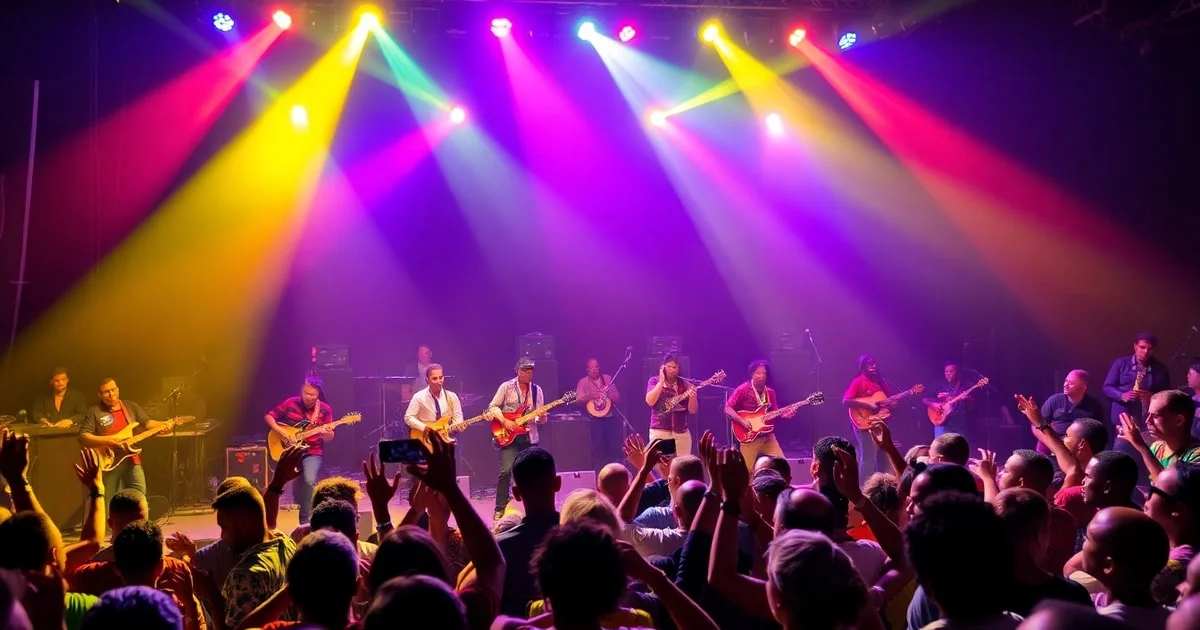
The dynamic SA music scene continues to experience an unprecedented global expansion, showcasing vibrant emerging trends and a brilliant array of world-class artists from across South Africa. Historically rooted in rich cultural expressions and political resilience, modern SA Music is breaking international boundaries like never before. From the irresistible, bass-heavy log drums of Amapiano to the soulful, driving melodies of Afro-house, the country's sonic landscape has captured the ears of global music executives, tastemakers, and streaming giants alike. As South African creators continue to innovate, their unique blend of traditional heritage and futuristic production styles is setting a new standard for global pop and electronic culture.
The Historical Roots of South African Music
The story of the South African music industry is a testament to resilience, creativity, and cultural fusion. To understand the modern soundscapes dominating global charts, it is essential to trace the historical lineage of music in the country, which served as a vital form of expression during times of intense social and political struggle.
The Apartheid Era and Protest Music
During the dark decades of apartheid, music was far more than a source of entertainment; it was a powerful tool for social commentary, resistance, and international mobilization. Legendary artists like Miriam Makeba, affectionately known as "Mama Africa," and trumpeter Hugh Masekela used their global platforms to draw attention to the oppressive regime. Makeba’s iconic blend of jazz, ragtime, and traditional Xhosa vocal styles, along with Masekela's powerful jazz compositions, became synonymous with the anti-apartheid movement.
In the townships, music was a unifying force. Genres like Mbaqanga—a rich blend of traditional Zulu styles, jazz, and vocal harmonies—developed alongside Marabi, a keyboard-driven style that originated in the slum yards of Johannesburg. Artists like Brenda Fassie, often dubbed the "Madonna of the Townships," dominated the late 1980s and 1990s with her energetic, politically charged pop anthems. Her hit song "Black President" celebrated the impending freedom of Nelson Mandela, demonstrating the profound intersection of melody and liberation.
The Post-Apartheid Era and the Rise of Kwaito
The democratic breakthrough of 1994 brought a profound sense of liberation, which manifested in a brand-new youth culture and music genre: Kwaito. Originating in the townships of Johannesburg, Kwaito took slow-tempo house music beats and infused them with traditional African rhythms, hip-hop elements, and vocals chanted or spoken in Tsotsitaal (a mixture of Afrikaans, English, and indigenous languages).
Kwaito was the sound of a free, young, and optimistic nation. Pioneers like Arthur Mafokate, Mdu Masilela, TKZee, and the legendary group Mafikizolo paved the way for a self-sufficient local music economy. Kwaito allowed young South Africans to tell their own stories on their own terms, laying the groundwork for the production styles and independent business models that would later define the modern electronic and house music era.
Modern Trends Redefining SA Music
In the contemporary era, the SA music scene has undergone a massive digital transformation, giving rise to ground-breaking genres that have captured the global imagination. The modern industry is highly collaborative, fast-paced, and heavily driven by technological innovations and social media.
The Amapiano Revolution
No discussion of contemporary South African music is complete without addressing the phenomenon of Amapiano. Originating around 2012 in the Gauteng province, particularly in townships like Soshanguve, Mamelodi, and Katlehong, Amapiano—meaning "the pianos" in Zulu—is a beautiful hybrid of deep house, jazz, and lounge music.
The defining feature of Amapiano is the legendary "log drum," a heavy, synthesized bass percussion sound that creates an infectious, chest-rattling groove. When paired with airy synth pads, jazzy piano chords, and soulful vocal melodies, the result is a hypnotic, danceable rhythm that has completely taken over the African continent and international clubs. Leading figures like Kabza De Small (widely revered as the "King of Amapiano"), DJ Maphorisa, Major League DJz, and Uncle Waffles have transformed this local movement into a multi-million-dollar global export, packing out arenas in London, New York, and Paris.
Afro-House and Gqom
While Amapiano currently dominates the headlines, South Africa's house music roots remain incredibly strong. Gqom, a raw, dark, minimalist, and intensely percussive subgenre of house music, emerged from the Durban townships in the early 2010s. Known for its heavy, broken beats and high energy, Gqom gained international acclaim through acts like Babes Wodumo, Distruction Boyz, and DJ Lag. Its influence even reached global pop icon Beyoncé, who featured Gqom-inspired production on her curated album The Lion King: The Gift.
Simultaneously, Afro-House has maintained a powerful, elegant presence. Characterized by organic percussion, deep basslines, and spiritual vocals, Afro-House has found its global champion in DJ and producer Black Coffee. His sophisticated approach to the genre has elevated South African house music to the world's most prestigious stages, cementing South Africa as a global capital of dance music.
South African Hip-Hop and Pop
South African hip-hop has also experienced a massive evolution. Rather than simply mimicking American rap trends, local artists have successfully integrated indigenous languages, local slang, and uniquely South African narratives. Artists like Nasty C, Cassper Nyovest, and the late AKA built massive empires, selling out stadiums and signing lucrative international distribution deals. Modern pop music has also flourished, characterized by a seamless fusion of contemporary R&B, electronic production, and traditional African vocal harmonies.
Top Artists Driving the Global Shift
Several key artists are currently serving as cultural ambassadors, pushing the boundaries of South African music and achieving unprecedented global success.
Tyla: The Global Breakout Star
In 2023, Johannesburg-born singer Tyla achieved historical success with her breakout hit "Water." Seamlessly blending Amapiano, pop, and contemporary R&B, the song became a massive global sensation, breaking into the top 10 of the US Billboard Hot 100 and charting across Europe. Tyla's sensational success culminated in her winning the inaugural Grammy Award for Best African Music Performance in 2024. Her rise highlights how South African artists are no longer just participating in global pop culture—they are actively defining it.
Black Coffee: The Dance Music Icon
Nkosinathi Maphumulo, professionally known as Black Coffee, is arguably the most successful African electronic music artist in history. Over a career spanning more than two decades, Black Coffee has transcended the local club scene to headline major global festivals like Coachella, Tomorrowland, and Ultra. In 2022, he won the Grammy Award for Best Dance/Electronic Album for his star-studded record Subconsciously. His success has opened doors for an entire generation of South African producers, proving that underground electronic music from South Africa can dominate the global mainstage.
Kabza De Small and DJ Maphorisa (Scorpion Kings)
As a collaborative duo known as the Scorpion Kings, Kabza De Small and DJ Maphorisa are the undisputed architects of the modern Amapiano movement. Kabza's legendary, prolific production style combined with Maphorisa’s keen business acumen and vocal versatility has resulted in some of the most influential music releases of the decade. They have played an instrumental role in mentoring, producing, and launching the careers of numerous emerging vocalists and DJs, ensuring the longevity and continuous evolution of the genre.
Master KG: A Global Anthem Creator
Producer Master KG achieved one of the most remarkable feats in modern music history with his 2019 gospel-house hit "Jerusalema," featuring Nomcebo Zikode. During the height of the COVID-19 pandemic lockdowns in 2020, the song went viral globally, inspiring the "Jerusalema Dance Challenge." From health workers in Europe to school children in South America, millions of people filmed themselves dancing to the infectious South African beat, providing a rare moment of joy and unity during a global crisis.
The Role of Technology, Streaming, and Festivals
The rapid expansion of the South African music scene has been supercharged by the rise of digital streaming platforms and the global power of social media algorithms.
TikTok has played an especially critical role in the democratization of music promotion. Viral dance challenges have turned obscure, underground Amapiano and Gqom tracks into global hits overnight. Platforms like Spotify and Apple Music have also launched dedicated African music hubs, curating playlists that introduce international listeners to South African sounds.
Beyond the digital realm, South Africa's thriving festival culture continues to attract thousands of international tourists, serving as a live showcase for local talent.
The country’s premier music events include:
-
Cape Town International Jazz Festival: Known affectionately as "Africa's Grandest Gathering," this event attracts over 37,000 music lovers annually, showcasing a rich mix of local jazz legends and international stars.
-
Grahamstown National Arts Festival: Held in Makhanda, this historic festival spans multiple artistic disciplines, celebrating traditional, classical, and contemporary musical performances from across the continent.
-
Rocking the Daisies: A premier lifestyle and music festival held in the Western Cape, featuring leading hip-hop, electronic, and indie acts from South Africa and abroad.
Economic Landscape and Industry Challenges
Despite the phenomenal creative success, the South African music industry faces several structural and economic hurdles. Managing intellectual property rights and ensuring fair royalty distribution remain ongoing challenges. Organizations like the South African Music Performance Rights Association (SAMPRA) and the Southern African Music Rights Organisation (SAMRO) play crucial roles in protecting artists' intellectual property and collecting royalties from broadcasters and venues.
Furthermore, while streaming has opened up global markets, high mobile data costs and unequal internet access within South Africa can make digital music consumption difficult for local audiences. Despite these challenges, the rapid adoption of affordable smartphones, cheaper data packages, and localized streaming payment options is helping to bridge the digital divide.
Conclusion
In conclusion, the evolution of SA Music is a powerful testament to the country's rich cultural history and its relentless spirit of innovation. From the historic protest songs of the apartheid era to the global dominance of Amapiano and Grammy-winning pop anthems, South African artists continue to push creative boundaries and captivate global audiences. The SA music scene has transitioned from a localized industry into an influential powerhouse of international dance, electronic, and pop music.
With a highly talented, young population of producers, vocalists, and instrumentalists, the future of South Africa's music industry is incredibly bright. By investing in digital infrastructure, ensuring fair royalties, and supporting local festivals, the global community can help sustain this vibrant cultural ecosystem. SA Music is no longer just the sound of a country; it has truly become the sound of the world.
Frequently Asked Questions
Q: What is the most popular music genre in South Africa right now?
A: Amapiano is currently the dominant genre, featuring a unique blend of deep house, jazz, and lounge music characterized by its signature log drum sound.
Q: Who are some globally famous South African musicians?
A: Prominent global icons include Black Coffee, Tyla, Master KG, and Kabza De Small, who have achieved international chart success and Grammy awards.
Q: How does streaming impact the South African music industry?
A: Digital streaming platforms have dramatically increased global access to South African music, driving international collaborations and boosting revenue.