India Polls: Key Updates and Insights on the Ongoing Elections
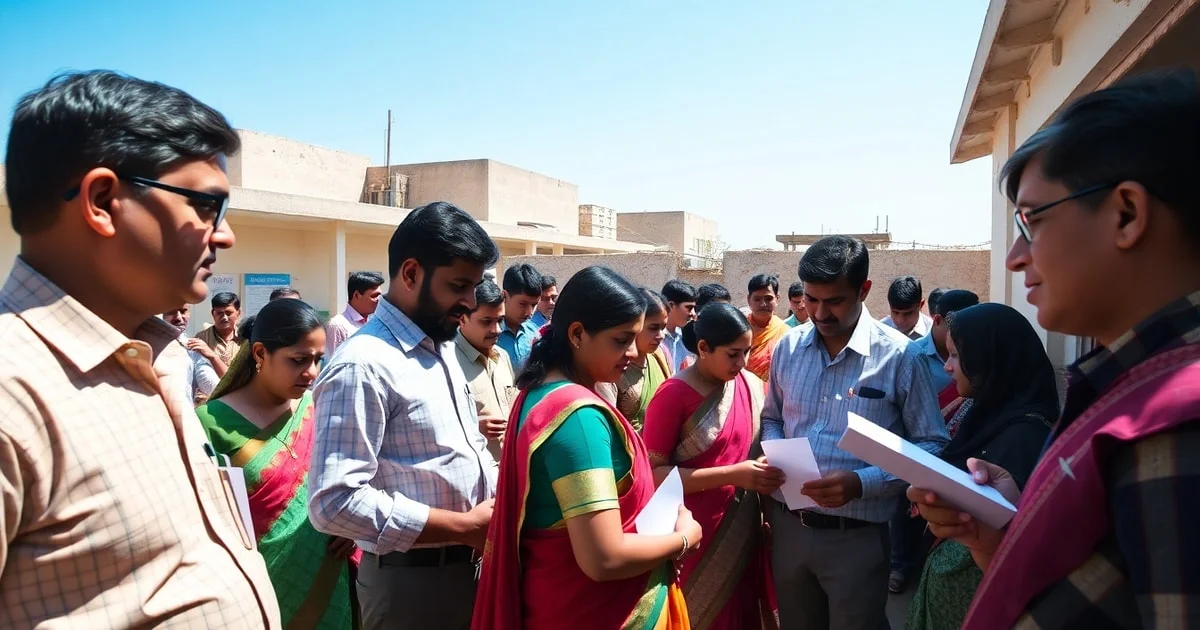
As the nation tunes in for key updates and insights on the ongoing elections, the India polls have been making headlines around the globe, demonstrating the sheer vitality of democratic participation. Millions of voters across the country are heading to designated stations to exercise their fundamental democratic rights. These India polls represent a monumental milestone in the global democratic landscape, and their final outcomes will inevitably exert a profound influence on both domestic trajectories and international partnerships. This vast electoral process is structured to elect representatives for the Lok Sabha, the powerful lower house of the Indian Parliament, which determines the executive leadership of the country.
The Scale and Complexity of the India Polls
Organizing democratic exercises on this scale presents unprecedented logistical challenges. The India polls are widely acknowledged as the largest peacetime mobilization of human resources and security infrastructure in the world. With an electorate of nearly one billion eligible voters, the administration of these elections requires meticulous coordination across highly diverse terrains, from high-altitude Himalayan regions to dense tropical forests and isolated desert outposts.
To ensure that every citizen has accessible voting options, the Election Commission of India establishes over a million polling booths. According to constitutional guidelines, no voter should have to travel more than two kilometers to cast their ballot. This directive necessitates sending polling teams, security personnel, and voting machines via boats, helicopters, and even pack animals to reach the most remote communities. The sheer administrative scale is matched only by the enthusiasm of the electorate, which consistently demonstrates high participation rates across diverse socio-economic backgrounds.
Background Context
To fully comprehend the dynamics of the current India polls, one must look at the historical evolution of the political landscape. The electoral arena is characterized by a multi-party system featuring prominent national coalitions alongside highly influential regional parties. This structural layout creates a complex matrix of alliances and ideological positions that shape the national conversation.
Historical Context and Political Evolution
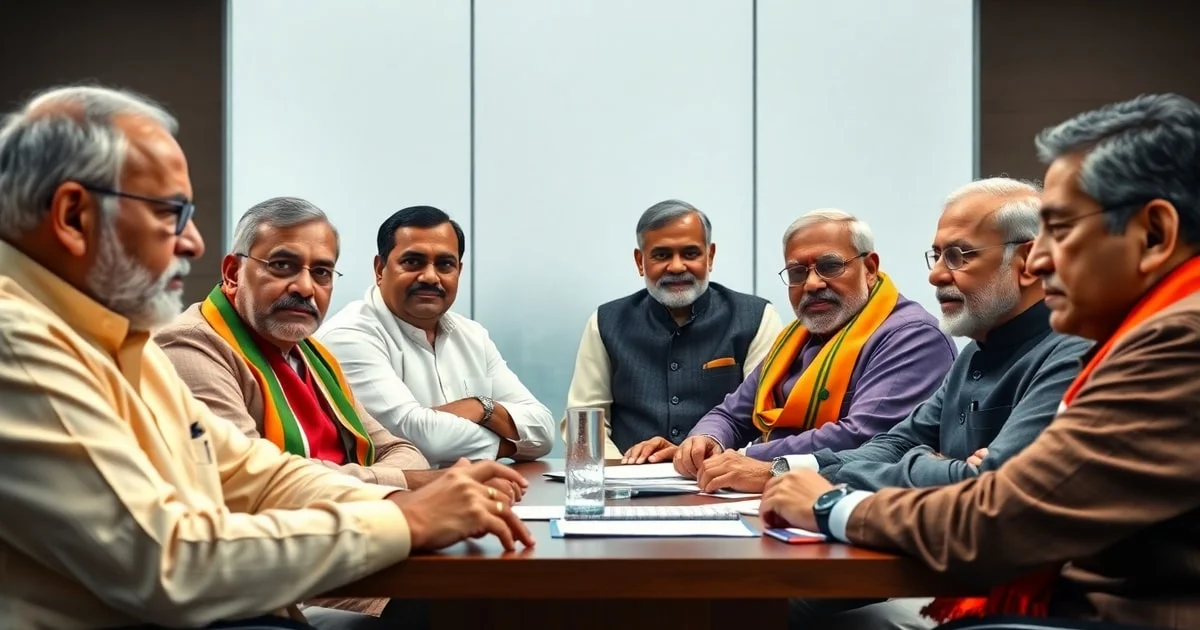
Since achieving independence, India has maintained a resilient democratic tradition. Over the decades, the political landscape has transitioned from a single-party dominant system to a highly competitive, coalition-driven model, and back toward strong majority governance in recent cycles. The principal contest in the modern era centers on the ruling Bharatiya Janata Party (BJP) and its alliance, contrasted with the Indian National Congress (INC) and its broader coalition partners.
These coalitions must navigate a tapestry of regional interests. State-level parties often hold the key to forming stable governments at the federal level, making regional negotiations a core component of national campaign strategies. Consequently, national manifestos must balance grand macroeconomic goals with local developmental promises to appeal to a highly fragmented but politically conscious electorate.
Key Details
The mechanical execution of the India polls relies heavily on robust institutions and modern engineering. The Election Commission of India holds absolute authority over the scheduling, monitoring, and policing of the voting phases to guarantee neutrality and safety.
Voting Trends and Demographics
Several demographic factors shape the outcomes of these polls. Analysts look closely at the following trends:
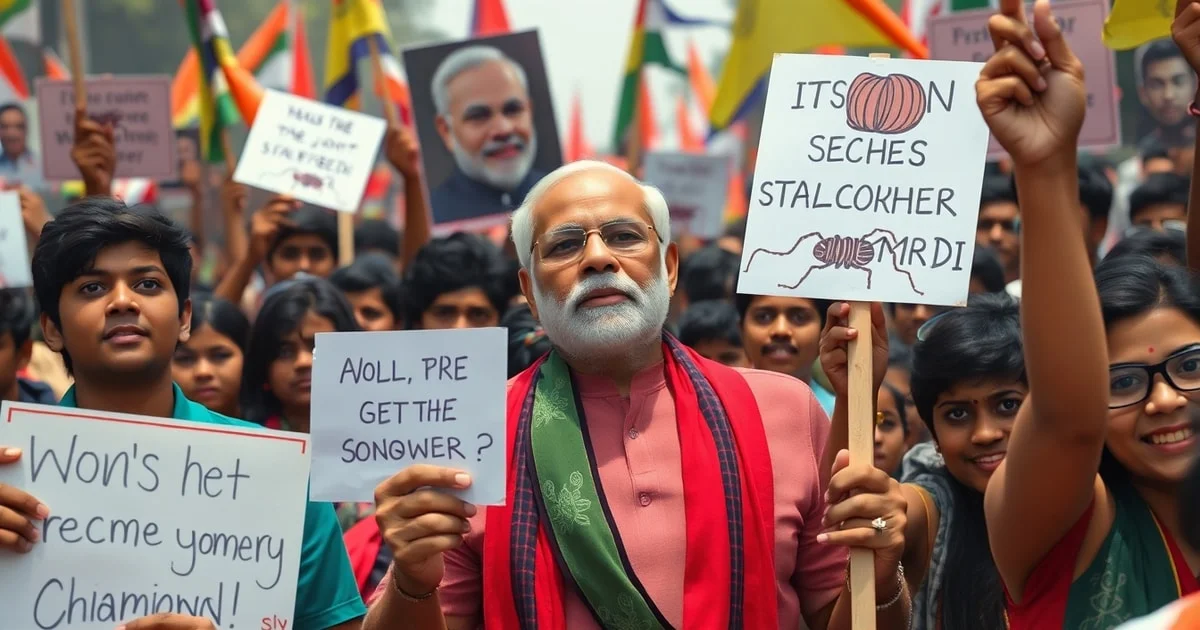
- The Youth Vote: With a median population age under thirty, first-time and young voters constitute a highly influential demographic that prioritizes employment opportunities and digital infrastructure.
- Women's Turnout: Female voter participation has risen consistently over recent cycles, frequently surpassing male turnout in several key states, making women-centric welfare policies central to campaign platforms.
- Rural vs. Urban Dynamics: While urban centers drive discussions on technological development and corporate growth, rural constituencies focus heavily on agrarian subsidies, irrigation projects, and rural employment guarantees.
Technological Innovations in Democratic Systems
The adoption of Electronic Voting Machines (EVMs) has revolutionized the tallying process. Every machine is paired with a Voter Verifiable Paper Audit Trail (VVPAT) unit, allowing voters to visually confirm that their vote was recorded accurately.
This technological framework drastically reduces the time required to count hundreds of millions of ballots. It also eliminates traditional paper-ballot malpractices, such as booth capturing or ballot stuffing. Security measures include specialized carrying cases, double-randomization procedures, and continuous surveillance of storage facilities to preserve public confidence in the final tallies.
Expert Opinion
Academic scholars and political commentators observe these developments with keen analytical interest. The consensus points to a highly dynamic electorate that cannot be easily pigeonholed by single-issue models.
Analytical Frameworks of Voting Behavior
Dr. Harish Vardhan, a leading political analyst, notes that voter behavior in India has grown increasingly sophisticated:
Expert Insight:
"Modern voters are highly transactional and analytical. While traditional loyalties based on community or regional identity still exist, there is a clear shift toward demanding tangible deliverables. Voters assess performance based on infrastructure delivery, direct benefit transfers, and local governance efficiency rather than ideological rhetoric alone."
This pragmatism forces political parties to present comprehensive policy blueprints. The focus has moved toward measurable metrics, such as kilometres of highways constructed, rural households connected to tap water, and digital banking access.
Impact
The socio-economic ramifications of the India polls extend far beyond the immediate post-election celebrations. The policy directions set by the incoming administration will influence economic growth, trade relationships, and global strategic balances.
Economic Impact and Policy Forecasts
For global markets, the continuity or shift in leadership dictates foreign direct investment flows. Key areas of economic focus include:
- Manufacturing and Infrastructure: Policy frameworks like the 'Make in India' initiative rely on sustained administrative support to attract global supply chains.
- Fiscal Consolidation: Global rating agencies monitor post-election budgets closely to evaluate fiscal deficits and national debt trajectories.
- Agricultural Reforms: Balancing agricultural productivity with fair prices for farmers remains a highly sensitive economic and political challenge.
Geopolitical and Foreign Policy Implications
On the global stage, India's positioning as a key geopolitical player in the Indo-Pacific region remains highly critical. Major powers in the West and across Asia observe the transition of power to evaluate trade partnerships, defense treaties, and regional stability.
A stable government ensures consistent engagement in multilateral forums such as the G20, Quad, and BRICS. Foreign policy analysts expect that regardless of which coalition wins, India will continue to pursue strategic autonomy, focusing heavily on domestic defense production, securing vital energy corridors, and strengthening regional alliances.
Conclusion
Ultimately, the India Polls stand as a testament to the power of democratic values on an extraordinary scale. The final outcome of these elections will determine the legislative agenda and administrative priorities of the nation for the next five years, making it a pivotal moment for domestic progress and international partnerships.
As the multi-phased voting draws to a close, the focus shifts to the massive logistical feat of counting the votes. The high turnouts and passionate campaigns seen during the India Polls show a deeply engaged citizenry that recognizes the power of their vote. The incoming leadership will face the immediate tasks of managing economic development, fostering social cohesion, and navigating a complex global geopolitical landscape.
Frequently Asked Questions
Q: What is the significance of the India polls?
A: They determine the leadership of the world's largest democracy, shaping national policies and economic trajectories for five years.
Q: How does the Election Commission ensure fair voting in India?
A: The ECI uses electronic voting machines (EVMs) equipped with Voter Verifiable Paper Audit Trails (VVPAT) to verify votes.
Q: What are the main issues in these elections?
A: Major issues driving the voters include economic development, national security, youth employment, and various social welfare programs.