Europe on High Alert: Hybrid Attacks Threaten Infrastructure
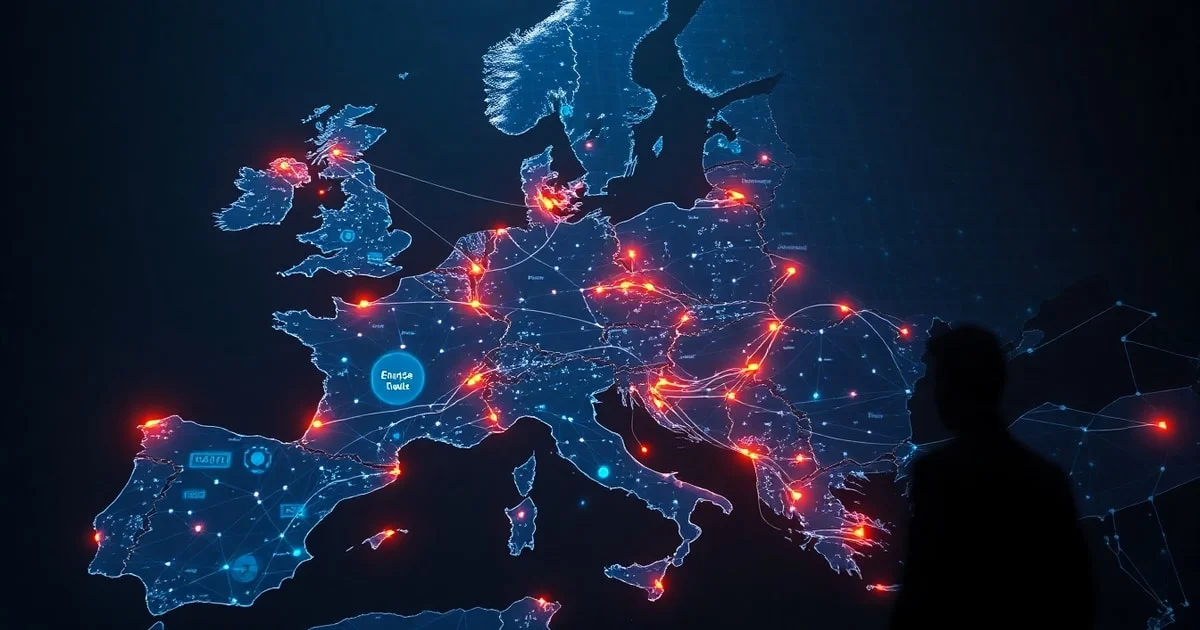
Europe is currently facing an escalating and complex threat landscape, as nations across the continent find themselves on high alert. A new generation of hybrid attacks is increasingly threatening critical infrastructure, demanding a robust and unified response from governments and security organizations. These multifaceted assaults blend traditional military tactics with subversive elements, including sophisticated cyber operations, pervasive disinformation campaigns, and acts of sabotage, aiming to destabilize societies and undermine confidence in essential services. The concerted nature of these threats requires a comprehensive understanding and strategic preparedness to safeguard the continent's stability and security.
Europe on High Alert: Understanding the Evolving Hybrid Threat Landscape
Hybrid warfare is not a new concept, but its application against European critical infrastructure has evolved dramatically, becoming more sophisticated and pervasive. Unlike conventional warfare, hybrid attacks often operate in a grey zone, just below the threshold of armed conflict, making attribution and response challenging. State and non-state actors alike are leveraging these tactics to achieve strategic objectives without direct military confrontation. The current focus on infrastructure targets indicates a deliberate attempt to cause disruption, economic damage, and public alarm across the continent.
Defining Hybrid Attacks
Hybrid attacks are characterized by their multi-domain nature, combining various tools and methods to achieve a strategic goal. These often include:
- Cyber Warfare: Highly coordinated digital assaults targeting essential computer networks and systems.
- Disinformation Campaigns: Spreading false or misleading information through media and social platforms to manipulate public opinion and sow discord.
- Economic Coercion: Using financial pressure or trade restrictions to influence policy.
- Diplomatic Pressure: Employing diplomatic leverage to isolate or compel nations.
- Proxy Warfare: Supporting or instigating conflicts through third parties.
- Sabotage: Physical disruption of vital infrastructure assets.
The synergy of these elements makes hybrid threats particularly potent, as they can simultaneously exploit vulnerabilities across technological, social, and political spheres.
Key Targets of Hybrid Attacks
Critical infrastructure forms the backbone of modern society, and its disruption can have cascading effects. In Europe, recent incidents and intelligence warnings highlight several key sectors as prime targets for hybrid attacks:
- Energy Networks: Power grids, gas pipelines, and renewable energy facilities. Disruptions here can lead to widespread blackouts and heating shortages, especially during extreme weather.
- Transportation Systems: Railways, airports, ports, and logistics networks. Attacks can paralyze trade and travel, causing significant economic and social upheaval.
- Telecommunications: Internet cables, mobile networks, and satellite communications. Interference can cripple communication, financial transactions, and emergency services.
- Financial Institutions: Banks and stock exchanges. Cyberattacks here can destabilize economies and erode public trust.
- Healthcare Systems: Hospitals and medical supply chains. Attacks can endanger public health and safety.
The interconnectedness of these systems means that a successful attack on one sector can quickly propagate, amplifying the overall impact.
Recent Incidents and Attributions
While direct attribution for hybrid attacks can be difficult, security agencies across Europe have pointed to specific actors and incidents that underscore the gravity of the situation. The ongoing geopolitical tensions, particularly with Russia, are a significant backdrop to many of these activities.
Cyber Espionage and Disruptions
Europe has experienced numerous high-profile cyber incidents attributed to state-sponsored groups. For instance, several European governments and organizations have been targets of advanced persistent threats (APTs) focused on data exfiltration and potential sabotage. These operations aim to gather intelligence, prepare for future disruptions, or directly interfere with critical services. The scale and sophistication of these attacks suggest considerable resources and state backing.
Sabotage and Physical Interference
Beyond the digital realm, there have been increasing reports of physical interference and suspected sabotage against European infrastructure. Investigations into incidents like unexplained damage to underwater pipelines or communication cables have often pointed to external state actors. These acts of sabotage, even if minor, serve to test vulnerabilities, spread fear, and demonstrate capabilities, keeping the continent on edge.
The Role of Disinformation
Disinformation campaigns are a cornerstone of modern hybrid warfare, and Europe has been a primary battleground. These campaigns often exploit societal divisions, spread narratives designed to undermine public trust in institutions, and influence political processes. Ahead of crucial elections or during times of social unrest, state-backed media and coordinated social media accounts frequently amplify false information, posing a direct threat to democratic stability. Such campaigns seek to create a fertile ground for other forms of hybrid attacks by weakening public resilience.
European Responses and Countermeasures
In response to the escalating threats, European Union member states, NATO, and individual nations have significantly ramped up their efforts to counter hybrid attacks. These measures encompass a broad spectrum from enhanced intelligence sharing to investments in cyber defense and strategic communication.
NATO's Collective Defense Strategy
NATO views hybrid threats as a serious challenge to collective security and has adapted its defense posture accordingly. The alliance emphasizes:
- Enhanced Intelligence Sharing: Member states are encouraged to share information on hybrid threats in real-time to facilitate early warning and coordinated responses.
- Rapid Response Capabilities: Developing specialized units and exercises to respond quickly and effectively to hybrid attacks, whether cyber or physical.
- Resilience Building: Investing in the resilience of critical infrastructure, both military and civilian, to withstand and recover from attacks.
- Attribution and Deterrence: Working on capabilities to attribute attacks to their perpetrators and developing deterrent strategies to prevent future incidents.
NATO's approach recognizes that an attack on one member's critical infrastructure could have ripple effects across the alliance, necessitating a collective defense mechanism.
EU's Comprehensive Security Framework
The European Union has also initiated several strategies and directives to bolster its defenses against hybrid threats. The EU's efforts focus on:
- Cybersecurity Act: Strengthening the cybersecurity certification framework for digital products, services, and processes, aiming to improve trust in the digital single market.
- NIS2 Directive: Expanding the scope of critical entities required to implement robust cybersecurity measures and report incidents, covering more sectors vital to the economy and society.
- Hybrid Toolbox: A set of measures and recommendations to help member states prepare for, prevent, and respond to hybrid threats, including guidelines for coordinating responses and sharing best practices.
- Strategic Communication: Countering disinformation through initiatives that promote media literacy and support independent journalism, aiming to strengthen societal resilience against information manipulation.
- Critical Entities Resilience Directive (CER Directive): Focused on improving the resilience of critical entities against a range of non-cyber threats, including physical attacks, natural disasters, and pandemics, complementing the cybersecurity directives.
These initiatives aim to create a more unified and resilient European security architecture.
National Level Preparedness
Individual European nations are also strengthening their national security frameworks. This includes:
- Increased Investment in Cyber Defense: Allocating more resources to national cybersecurity agencies, hiring skilled professionals, and developing advanced threat detection systems.
- Public-Private Partnerships: Fostering collaboration between government bodies and private sector operators of critical infrastructure to share threat intelligence and develop joint defense strategies.
- Regular Drills and Exercises: Conducting simulations and exercises to test preparedness and response mechanisms against various hybrid threat scenarios.
- Legislative Reforms: Updating laws to better address cybercrime, foreign interference, and sabotage, providing legal frameworks for swift action and deterrence.
- Citizen Awareness Campaigns: Educating the public on the dangers of disinformation and how to identify malicious content, thereby building societal resilience.
These national efforts are crucial for implementing the broader European and NATO strategies effectively.
The Economic and Societal Impact
The potential economic and societal consequences of successful hybrid attacks on European infrastructure are profound. Beyond immediate disruption, these attacks can erode public trust, destabilize markets, and even threaten lives.
Economic Disruption
A significant cyberattack or act of sabotage against critical infrastructure can halt production, disrupt supply chains, and lead to massive financial losses. For example, a prolonged power outage could cost billions in lost economic activity, while a cyberattack on financial systems could freeze transactions and cause market panic. The costs associated with recovery, remediation, and bolstering defenses further strain national budgets.
Erosion of Trust and Social Cohesion
One of the insidious goals of hybrid attacks, particularly disinformation campaigns, is to sow discord and undermine public confidence in government and institutions. By spreading false narratives, perpetrators aim to polarize societies, fuel extremism, and weaken the social fabric. This erosion of trust can have long-lasting effects on democratic processes and societal cohesion.
Public Safety and Security
Attacks on healthcare systems, transportation networks, or emergency services can directly jeopardize public safety. Delays in medical care, disruptions to essential utilities like water and heating, or failures in communication during a crisis can have severe, even life-threatening, consequences for citizens.
Expert Opinions and Future Outlook
Security analysts and policymakers consistently emphasize the ongoing and evolving nature of the hybrid threat. Many experts agree that these attacks will only become more sophisticated and frequent, requiring continuous adaptation and vigilance.
Future Challenges:
- Emergence of AI in Hybrid Warfare: The increasing capabilities of artificial intelligence could be leveraged to create more convincing disinformation, automate cyberattacks, and identify vulnerabilities at an unprecedented scale.
- Quantum Computing Threats: The development of quantum computing poses a long-term threat to current encryption methods, necessitating a proactive approach to quantum-safe cryptography.
- Space-Based Infrastructure: The growing reliance on satellite infrastructure for communication, navigation, and surveillance makes it another potential target for hybrid attacks.
- Climate Change and Infrastructure: The impact of climate change on physical infrastructure can create new vulnerabilities that hybrid actors might exploit, such as strains on energy grids during extreme weather.
Experts advocate for a multi-layered defense strategy, combining technological advancements with strong international partnerships and robust public awareness campaigns. The emphasis is on building comprehensive resilience that extends from hardened technical systems to an informed and discerning citizenry. Continued investment in threat intelligence, security research, and cross-border cooperation remains paramount.
Conclusion
The reality of Europe on High Alert: Hybrid Attacks Threaten Infrastructure is a defining security challenge of our era. The blend of cyber warfare, disinformation, and physical sabotage represents a complex and persistent threat that demands unwavering vigilance and coordinated action. By strengthening collective defense mechanisms, enhancing critical infrastructure resilience, and fostering public awareness, Europe can better protect its citizens, economy, and democratic values against these evolving dangers. The proactive and unified response of European nations and international partners will be crucial in mitigating the impact of these insidious attacks and ensuring the long-term stability of the continent.
Frequently Asked Questions
Q: What is a hybrid attack?
A: Hybrid attacks combine traditional military tactics with subversive elements like cyber warfare, disinformation campaigns, and sabotage. They operate below the threshold of conventional armed conflict to destabilize societies and infrastructure.
Q: Which sectors are most targeted by hybrid attacks in Europe?
A: Critical sectors like energy networks, transportation systems, telecommunications, financial institutions, and healthcare systems are frequently targeted. Their disruption can cause widespread economic and societal upheaval.
Q: How is Europe responding to these hybrid threats?
A: European nations, the EU, and NATO are implementing comprehensive strategies including enhanced intelligence sharing, cyber defense investments, resilience building, and strategic communication. They aim for a unified and robust defense.