Global Effort to Combat Ebola Outbreak: A Coordinated Response
The world watches with bated breath as a new Ebola outbreak threatens public health, prompting a swift and formidable Global Effort to Combat Ebola Outbreak. This coordinated response from international organizations, national governments, and local communities is crucial in containing the deadly virus and safeguarding vulnerable populations. The sheer scale of this challenge necessitates an unprecedented level of global collaboration and resource mobilization to mount an effective and efficient intervention.
- Understanding the Threat: What is Ebola Virus Disease?
- The Latest Crisis: The 2026 Bundibugyo Outbreak in Central Africa
- Pillars of the Global Effort to Combat Ebola Outbreak
- Advancements in Medical Countermeasures: Vaccines and Therapeutics
- Overcoming Obstacles: Persistent Challenges in the Response
- Broader Impact and Long-Term Recovery
- Lessons Learned and Future Preparedness
- Conclusion: A Sustained Global Effort to Combat Ebola Outbreak
- Frequently Asked Questions
- Further Reading & Resources
Understanding the Threat: What is Ebola Virus Disease?
Ebola Virus Disease (EVD), formerly known as Ebola hemorrhagic fever, is a severe and often fatal illness in humans. The virus, part of the Filoviridae family, causes widespread inflammation and tissue damage, leading to internal bleeding as blood leaks from small vessels. There are multiple species of the Ebola virus, with four known to cause disease in humans: Ebola virus (Zaire ebolavirus), Sudan virus, Taï Forest virus, and Bundibugyo virus. Fatality rates for EVD have varied dramatically in past outbreaks, ranging from 25% to as high as 90%, with an average of around 50%.
Transmission occurs through direct contact with the blood, body fluids, or secretions—such as saliva, sweat, tears, mucus, vomit, feces, breast milk, urine, and semen—of an infected person who is symptomatic. Contact with objects contaminated with these fluids, like needles, can also transmit the virus. Notably, Ebola is not spread through the air, water, or food. The incubation period, from exposure to symptom onset, can range from 2 to 21 days, though symptoms typically appear within 8 to 10 days. Early symptoms often resemble the flu, including fever, severe headache, muscle pain, and weakness. As the disease progresses, it can lead to more severe "wet" symptoms like diarrhea, vomiting, abdominal pain, and unexplained bleeding or bruising.
The virus was first identified in 1976 following simultaneous outbreaks in Nzara, Sudan, and Yambuku, Democratic Republic of Congo (DRC), with the latter occurring near the Ebola River, which gave the disease its name. Since its discovery, outbreaks have appeared sporadically, primarily across Africa. The largest and most complex Ebola outbreak in history occurred in West Africa between 2014 and 2016, affecting Guinea, Liberia, and Sierra Leone profoundly, with over 28,600 cases and more than 11,000 deaths. This historical event served as a stark reminder of the global interconnectedness of public health and the urgent need for robust international response mechanisms.
The Latest Crisis: The 2026 Bundibugyo Outbreak in Central Africa
As of June 2026, the global community faces a significant and rapidly evolving Ebola outbreak in Central Africa, specifically centered in the Democratic Republic of Congo (DRC) and spreading into neighboring Uganda. This particular outbreak is caused by the Bundibugyo virus, a less common but highly dangerous strain of Ebola, which has only been detected in a few previous outbreaks. The World Health Organization (WHO) has declared this a public health emergency of international concern, underscoring its severity and potential for wider regional spread.
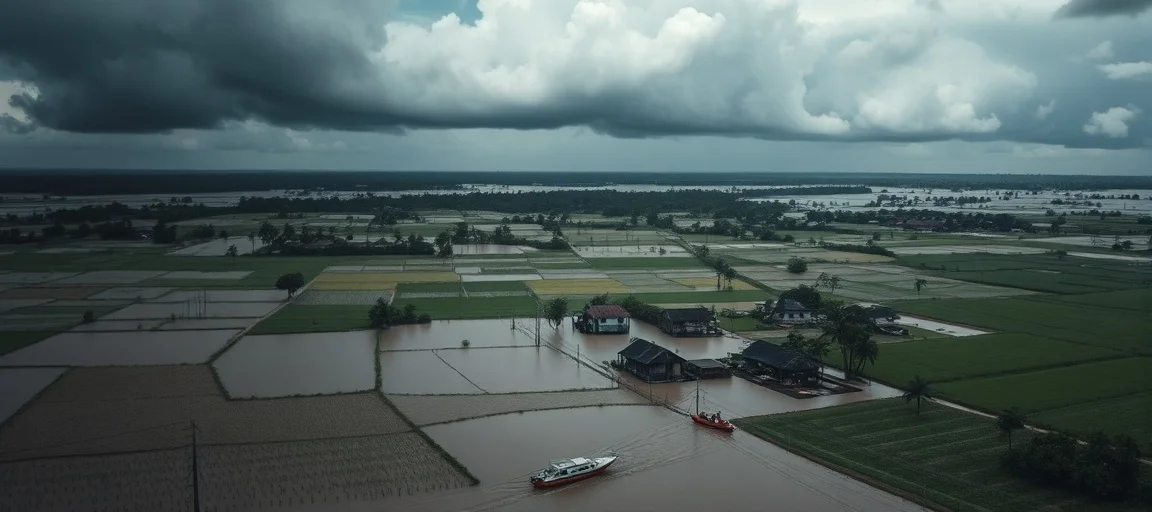
The epicenter of the current crisis is Ituri province in the DRC, where hundreds of confirmed cases and dozens of deaths have been reported. Uganda has also confirmed cases, primarily with epidemiological links to the affected regions in the DRC, highlighting the cross-border nature of the threat. This outbreak is presenting unique and formidable challenges due to several critical factors. The affected regions are often remote and characterized by ongoing insecurity, with numerous armed groups operating, which severely complicates humanitarian access and the delivery of aid. Furthermore, the Bundibugyo virus strain currently has no approved vaccines or specific treatments, intensifying the response efforts. This situation means that traditional containment methods, combined with the rapid development and testing of experimental countermeasures, are paramount. Public health officials are in a race against time to contain the spread, provide care, and disseminate vital health information across these challenging landscapes.
Pillars of the Global Effort to Combat Ebola Outbreak
The response to Ebola outbreaks requires a multifaceted, coordinated approach involving numerous international and local stakeholders. The current Global Effort to Combat Ebola Outbreak in the DRC and Uganda is built upon several critical pillars, drawing lessons from past epidemics.
International Coordination and Rapid Deployment
Effective containment of Ebola relies heavily on swift and well-coordinated international action. Organizations such as the World Health Organization (WHO), Doctors Without Borders (MSF), UNICEF, and national Centers for Disease Control (CDC) play pivotal roles. These bodies facilitate the deployment of medical personnel, epidemiologists, logistical experts, and essential supplies, including personal protective equipment (PPE), to affected zones. Following the 2014-2016 West Africa epidemic, WHO established a rapid response funding mechanism, the Contingency Fund for Emergencies (CFE), to ensure immediate resources are available to jump-start outbreak responses, addressing the critical lesson that outbreaks often move faster than traditional funding mechanisms. Bilateral and multilateral aid also contributes significantly, with countries like the United States providing funding support for multi-lateral responses.
Surveillance, Contact Tracing, and Isolation
Cornerstones of any Ebola response include robust surveillance, meticulous contact tracing, and immediate isolation of suspected and confirmed cases. Rapid laboratory testing is crucial for swift diagnosis, which in turn allows for quicker access to care, improves survival chances, and helps prevent further transmission within communities. Teams work to identify anyone who has been in contact with an infected person, monitoring them for the 21-day incubation period to catch new cases early. Isolation units and Ebola Treatment Centers (ETCs) are established to provide specialized care while preventing the virus from spreading. These centers also serve as vital hubs for research and the ethical testing of experimental treatments.
Infection Prevention and Control (IPC)
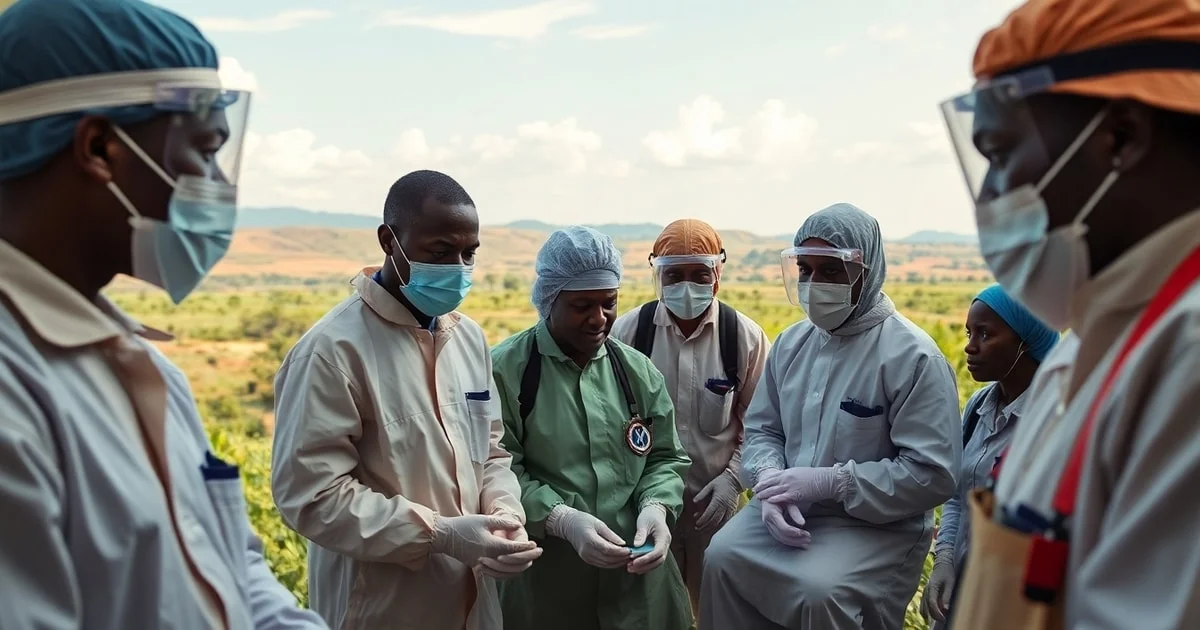
Strict Infection Prevention and Control (IPC) measures are paramount in halting the spread of Ebola, particularly within healthcare settings. Healthcare workers are at the highest risk of contracting the disease, necessitating rigorous training, proper use of personal protective equipment (PPE), and adherence to stringent hygiene protocols. These measures include safe triage procedures, adequate sanitation, and careful management of medical waste. Furthermore, culturally sensitive safe and dignified burial practices are critical. Traditional burial rituals, which often involve close physical contact with the deceased, can inadvertently facilitate transmission, as viral load is highest in late stages of the disease and after death. Adapting these practices to ensure safety while respecting local customs has been a vital lesson from previous outbreaks, significantly improving community engagement and reducing transmission.
Community Engagement and Trust-Building
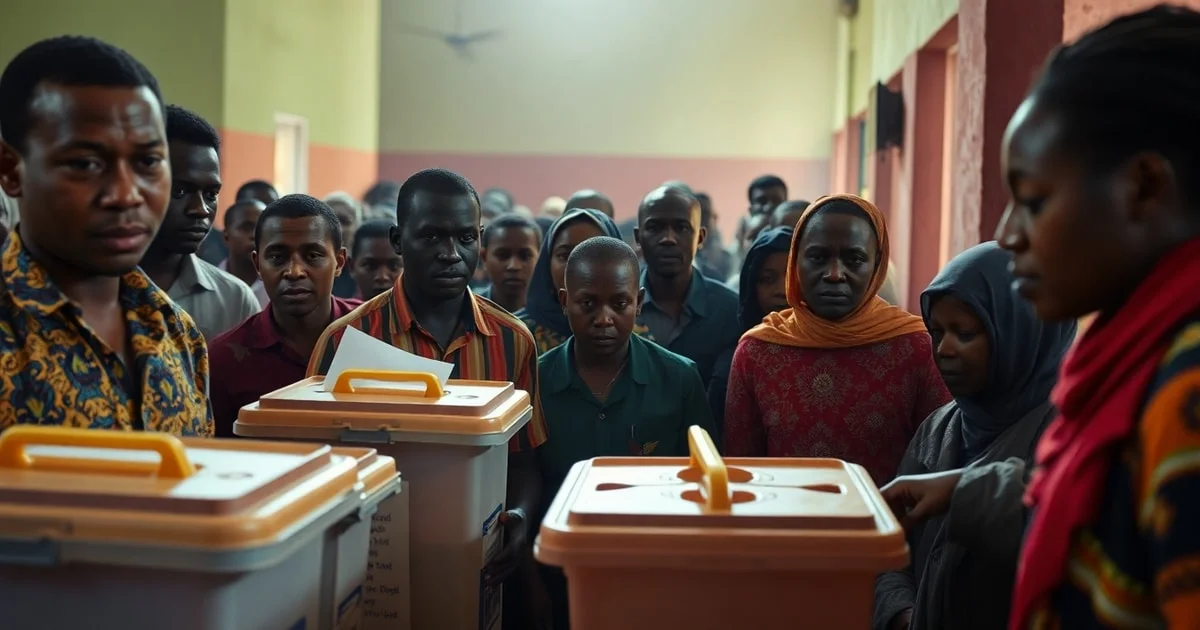
One of the most profound lessons learned from past Ebola epidemics is the indispensable role of community engagement in a successful response. Misinformation, rumors, and a lack of trust between affected communities and health authorities can severely hamper containment efforts, leading to resistance to interventions like isolation, contact tracing, and vaccination. Successful community engagement requires early, continuous, and culturally appropriate communication strategies. This involves working with local communities, religious leaders, traditional healers, and community health workers to understand their values, opinions, and beliefs. When communities are involved in co-creating public health measures, rather than having interventions imposed upon them, acceptance and adherence significantly improve. Addressing stigma associated with Ebola is also a critical component, as it can deter individuals from seeking timely medical help.
Advancements in Medical Countermeasures: Vaccines and Therapeutics
The drive to develop effective medical countermeasures against Ebola has seen significant acceleration, particularly in the wake of major outbreaks. While progress has been made, the current Bundibugyo outbreak highlights ongoing challenges.
The Vaccine Landscape
Currently, there is one licensed and WHO prequalified vaccine available for EVD caused by the Zaire ebolavirus, known as Ervebo®. This single-dose vaccine is recommended for use in EVD outbreak settings and is accessible through a global stockpile managed by the International Coordinating Group (ICG) on Vaccine Provision. Ervebo® has been used extensively under "expanded access" protocols in previous outbreaks, demonstrating its efficacy and effectiveness.
- However, the current outbreak in the DRC and Uganda is caused by the Bundibugyo virus, for which there is currently no approved vaccine. This presents a critical gap in the response toolkit. Nevertheless, the global scientific community is rapidly mobilizing to address this. Several experimental vaccines specifically targeting the Bundibugyo strain are being fast-tracked into development. Organizations like the International AIDS Vaccine Initiative (IAVI), the University of Oxford, and Moderna are each developing distinct vaccine candidates, with hopes of deploying them in clinical trials in Africa within months. These efforts represent a concentrated push to ensure that future outbreaks of diverse Ebola strains can be met with specific and effective preventative measures. Beyond outbreak response, preventive vaccination is also crucial for high-risk groups, such as healthcare workers, who are on the front lines of every epidemic.
Therapeutic Interventions
Similar to vaccines, significant progress has been made in developing treatments for EVD, although these are also strain-specific. For infections caused by the Zaire ebolavirus, the U.S. Food and Drug Administration (FDA) has approved two antibody-based treatments: Inmazeb (a mixture of three monoclonal antibodies) and Ebanga (a human monoclonal antibody). These laboratory-made antibodies assist the immune system in targeting the virus and have been shown to improve survival rates for patients with Zaire ebolavirus infection.
- For the current Bundibugyo outbreak, there are no FDA-approved treatments. However, clinical trials are being launched to test potential therapeutics. The WHO, in collaboration with partners, is initiating trials for two antivirals, MBP134 (a monoclonal antibody cocktail) and remdesivir, to assess their efficacy in reducing mortality for patients with Bundibugyo virus disease. Remdesivir, notably used in hospitalized COVID-19 patients, was originally developed for hepatitis C.
Alongside these experimental treatments, supportive medical care remains the cornerstone of Ebola treatment. This includes providing intravenous fluids and balancing electrolytes to combat dehydration, managing blood pressure, offering oxygen support, treating secondary infections, and controlling pain and fever. Such supportive care significantly improves patients' chances of survival, even in the absence of specific antiviral drugs.
Overcoming Obstacles: Persistent Challenges in the Response
Despite the concerted Global Effort to Combat Ebola Outbreak, several persistent challenges continue to complicate response efforts, particularly in the complex environments where outbreaks often occur.
One major hurdle is insecurity and conflict in affected regions. Areas like eastern DRC, where the current Bundibugyo outbreak is concentrated, are often plagued by armed groups, making it extremely dangerous for health workers and humanitarian aid organizations to operate safely and access communities in need. This insecurity can lead to direct attacks on health facilities and personnel, further disrupting critical services.
Logistical difficulties are also significant. The remoteness of many outbreak epicenters, coupled with inadequate infrastructure such as poor roads, complicates the rapid transport of supplies, personnel, and patient samples. This can delay crucial interventions like rapid testing and isolation.
Community resistance, misinformation, and lack of trust continue to be formidable barriers. Misconceptions about the disease, false rumors, and distrust fueled by cultural insensitivity or historical grievances can lead communities to hide cases, resist contact tracing, or refuse safe burial practices. This resistance can dramatically impede efforts to break chains of transmission. The lack of prior consultation with communities and insufficient understanding of local cultural contexts have been identified as key factors contributing to this mistrust in past outbreaks.
Finally, strain on fragile local health systems is a perennial problem. Many countries prone to Ebola outbreaks already have weak health infrastructures, marked by shortages of trained staff, medical supplies, and basic facilities. An Ebola outbreak can quickly overwhelm these systems, diverting resources from other essential health services and leading to increased mortality from non-Ebola related diseases. Funding gaps and challenges in resource allocation also persist, often moving slower than the urgent needs on the ground.
Broader Impact and Long-Term Recovery
The impact of Ebola outbreaks extends far beyond the immediate health crisis, deeply affecting the social and economic fabric of communities and nations. The socio-economic consequences can be devastating, reversing gains in human development. For instance, the 2014-2016 West Africa outbreak alone resulted in an estimated economic impact ranging from 50 billion due to decreased trade, border closures, flight cancellations, and reduced foreign direct investment and tourism. Governments face reduced revenues and increased exposure to debt, impacting capital expenditures and economic growth.
Beyond the financial toll, there are significant social impacts. The diversion of resources to combat Ebola can lead to an increase in non-Ebola related mortality, as essential health services such as vaccinations, maternal care, and treatments for HIV/AIDS, tuberculosis, and malaria become inaccessible or strained. School closures during outbreaks disrupt education for millions of children, increasing risks of drop-out, child labor, and teen pregnancy. Stigma associated with Ebola affects survivors and their families, leading to social isolation and psychological distress. Providing mental health and psychosocial support is a crucial, though often overlooked, aspect of recovery efforts.
Long-term recovery efforts must therefore address these multifaceted challenges, focusing on rebuilding and strengthening health systems, restoring economic stability, and providing comprehensive support for affected individuals and communities.
Lessons Learned and Future Preparedness
Decades of battling Ebola outbreaks have yielded critical lessons that are shaping current and future global health preparedness strategies. The 2014-2016 West Africa epidemic, in particular, served as a stark wake-up call, highlighting vulnerabilities in global health systems.
Key among these lessons is the importance of integrating research and development (R&D) into emergency responses. The creation of initiatives like the WHO Research and Development Blueprint has enabled the rapid activation of R&D activities during epidemics, accelerating the development and deployment of effective tests, vaccines, and treatments. This proactive approach ensures that new medical countermeasures are not just developed in laboratories but can be swiftly evaluated and deployed in real-world outbreak settings.
The critical role of continuous and culturally sensitive community engagement cannot be overstated. Building trust, dispelling misinformation, and respecting local customs are essential for successful public health interventions. This means empowering local leaders, listening to community feedback, and adapting response strategies to specific cultural contexts rather than imposing a "one-size-fits-all" approach.
Strengthening local health infrastructure and surveillance networks is another vital lesson. Robust health systems, with trained healthcare workers, adequate supplies, and efficient laboratory testing capabilities, are the first line of defense against any outbreak. Investing in these areas, particularly in high-risk regions, between outbreaks is crucial for early detection and rapid response.
Finally, efficient coordination and funding mechanisms are indispensable for a unified and effective global response. Lessons learned emphasize the need for streamlined international cooperation, prompt resource allocation, and sustained investment to ensure that the world is better prepared for future health emergencies.
Conclusion: A Sustained Global Effort to Combat Ebola Outbreak
The ongoing Ebola outbreak in the Democratic Republic of Congo and Uganda serves as a powerful reminder of the persistent threat posed by emerging infectious diseases and the absolute necessity of global solidarity. The Global Effort to Combat Ebola Outbreak is a complex, dynamic undertaking that demands continuous vigilance, adaptability, and unwavering commitment from every corner of the international community. While significant strides have been made in understanding the virus, developing vaccines for some strains, and improving response strategies, formidable challenges remain, especially concerning newer strains like Bundibugyo and the complexities of operating in fragile, insecure environments.
Looking ahead, sustaining this global effort will require continued investment in research and development, particularly for emerging viral threats and less common strains. It will also necessitate strengthening public health infrastructures in vulnerable nations, fostering deeper trust and collaboration with local communities, and ensuring flexible, rapid funding mechanisms are always at the ready. By applying the hard-won lessons from past epidemics and embracing a truly collaborative spirit, the world can collectively enhance its preparedness and resilience against future outbreaks, ultimately protecting global health and human lives.
Frequently Asked Questions
-
Q: What is Ebola Virus Disease (EVD)? A: Ebola Virus Disease (EVD) is a severe, often fatal illness in humans caused by the Ebola virus. It leads to widespread inflammation and internal bleeding, with fatality rates ranging from 25% to 90%.
-
Q: How is Ebola transmitted? A: Ebola is transmitted through direct contact with the blood, body fluids (like saliva, vomit, feces), or secretions of an infected person who is symptomatic. It can also spread via contaminated objects, but notably not through the air, water, or food.
-
Q: Is there a vaccine or treatment for all Ebola strains? A: A licensed vaccine (Ervebo®) and approved treatments (Inmazeb, Ebanga) exist for the Zaire ebolavirus strain. However, for other strains like Bundibugyo, experimental vaccines and treatments are currently undergoing clinical trials.