Europe's Tech Sovereignty Bid Against US Giants Intensifies
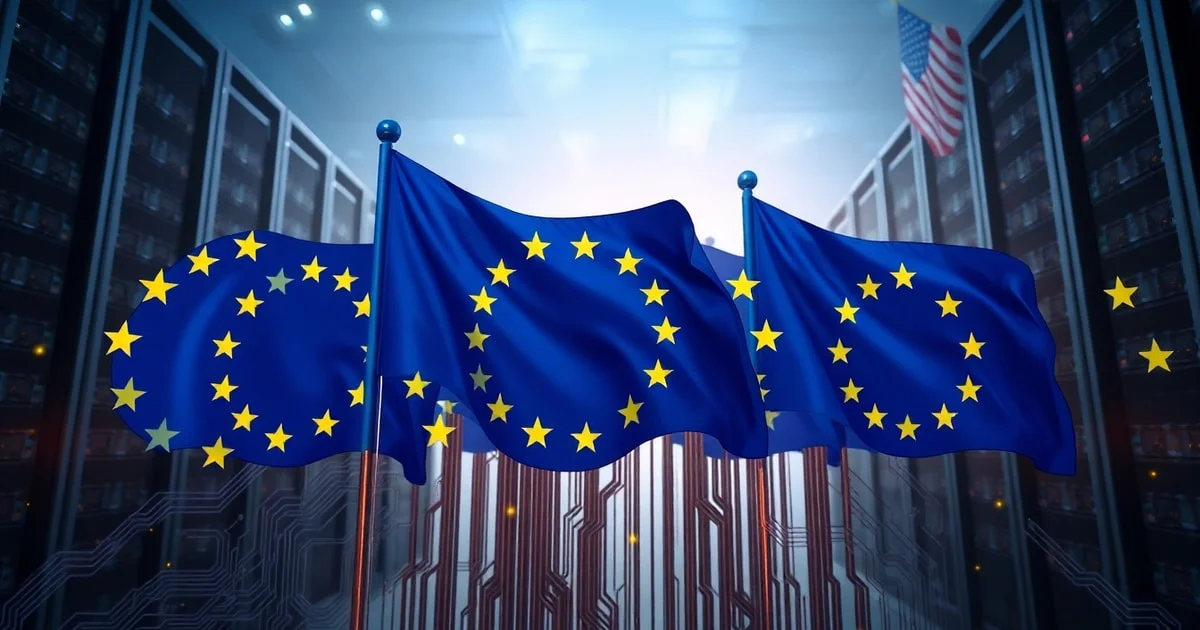
The European Union is intensifying its assertive ambition to reshape the global digital landscape, pushing forward with a comprehensive strategy designed to reduce its reliance on dominant American technology companies. This ambitious undertaking, known as Europe's Tech Sovereignty Bid Against US Giants, reflects a growing determination to establish greater control over data, digital infrastructure, and market competition within the bloc. This proactive stance aims to safeguard European values, foster local innovation, and ensure fair play in an increasingly digitalized world, driven by concerns over data privacy, market dominance, and geopolitical influence.
Background: The Digital Divide and US Dominance
For decades, the global digital economy has been largely shaped and dominated by a handful of American technology behemoths. Companies like Google, Amazon, Meta (Facebook), Apple, and Microsoft have achieved unparalleled market penetration across Europe, offering essential services from cloud computing and social media to e-commerce and operating systems. This widespread adoption has brought undeniable benefits, driving innovation and convenience, but it has also raised significant concerns within European policy circles.
The dominance of these US-based firms has led to a situation where critical digital infrastructure, data storage, and processing capabilities often reside outside European jurisdiction, primarily in the United States. This creates a perceived vulnerability, particularly regarding data privacy and security. The extraterritorial reach of US laws, such as the CLOUD Act, allows American authorities to request data stored by US companies, even if that data pertains to European citizens and is held on servers located in Europe. This legal reality has fueled anxieties about the protection of fundamental rights and the autonomy of European businesses and governments, leading to calls for greater digital independence.
Furthermore, the sheer market power wielded by these giants has sparked fears of unfair competition, stifling local European startups and innovators. European policymakers argue that the immense resources and network effects of these companies can create insurmountable barriers to entry for smaller players, hindering the development of a diverse and competitive European digital ecosystem. This recognition of a growing digital divide and the strategic implications of foreign technological dependence has galvanized Europe's resolve to carve out its own path.
Europe's Tech Sovereignty Bid Against US Giants: A Multi-Front Battle
Europe's strategy to assert its digital independence is multifaceted, encompassing a robust framework of regulatory measures, significant investments in indigenous data infrastructure, and ambitious plans to bolster its semiconductor industry. This coordinated effort aims to tackle the issue from various angles, creating a more balanced and competitive digital environment.
Regulatory Measures
At the heart of Europe's sovereignty push are groundbreaking legislative initiatives designed to curb the power of large tech companies and protect user rights. These regulations represent a significant departure from previous approaches, setting global precedents for digital governance.
-
General Data Protection Regulation (GDPR): Enacted in 2018, the GDPR revolutionized data privacy globally by granting individuals greater control over their personal data. It imposed strict rules on how companies collect, store, and process personal information, with hefty fines for non-compliance. While not exclusively targeting US giants, its broad scope and extraterritorial application significantly impacted their operations in Europe, forcing them to adapt their data handling practices to European standards. The GDPR established a benchmark for data protection that many other countries have since sought to emulate, making it a critical piece of digital legislation worldwide. Learn more about global data privacy trends.
-
Digital Markets Act (DMA): Coming into full effect in 2024, the DMA specifically targets "gatekeepers" – large online platforms that control access to significant markets. These gatekeepers are subject to a set of "dos and don'ts" designed to ensure fair and contestable digital markets. For instance, the DMA prohibits gatekeepers from self-preferencing their own services over those of rivals and mandates interoperability for certain services like messaging apps. The aim is to prevent anti-competitive practices and foster a more level playing field for European businesses and consumers, allowing smaller innovators to compete fairly. Non-compliance can result in fines up to 10% of a company's global annual turnover, escalating to 20% for repeat infringements, demonstrating the EU's commitment to enforcement. Explore other global antitrust initiatives in tech.
-
Digital Services Act (DSA): Complementing the DMA, the DSA, also fully applicable in 2024, focuses on content moderation and transparency for online platforms. It imposes obligations on platforms to combat illegal content, protect fundamental rights, and provide greater accountability regarding their algorithms and content moderation practices. This includes requirements for clearer terms of service, robust complaint mechanisms, and independent auditing for very large online platforms. The DSA aims to create a safer and more transparent online environment, addressing critical issues like disinformation, hate speech, the sale of counterfeit goods, and the impact of recommendation algorithms on public discourse.
Data Infrastructure and Cloud Initiatives
Recognizing that regulatory frameworks alone are insufficient, Europe is also investing heavily in building its own robust and secure digital infrastructure. The goal is to provide European alternatives to predominantly US-based cloud services and data platforms.
-
Gaia-X: This ambitious project envisions a federated, open, and secure data infrastructure for Europe. Rather than building a single European cloud, Gaia-X aims to establish a framework of common standards and rules that allow various European cloud providers to interconnect and offer services in a trusted environment. The initiative prioritizes data sovereignty, interoperability, transparency, and portability, ensuring that European companies and public administrations can store and process data within the EU while retaining full control. The development of Gaia-X is seen as crucial for sectors like manufacturing, healthcare, and mobility, where sensitive data requires secure and compliant handling, bolstering trust in European digital services.
-
European Cloud Federation: Beyond Gaia-X, there are broader efforts to foster a competitive ecosystem of European cloud providers. This includes supporting local companies in scaling their cloud offerings and ensuring that public sector data, where appropriate, is hosted within European-controlled infrastructure. The emphasis is on reducing dependency on a few dominant global players and promoting competition within the cloud market, thereby creating more resilient and secure options for data storage and processing across the continent.
Semiconductor Strategy
A critical component of digital sovereignty is control over the underlying hardware – specifically, semiconductors. Europe has identified its vulnerability in chip manufacturing, a sector currently dominated by Asian and American companies, a strategic weakness exposed by recent global supply chain disruptions.
- European Chips Act: Launched in 2022, the European Chips Act is a comprehensive strategy to boost Europe's semiconductor industry. The goal is to double Europe's share in global semiconductor production to 20% by 2030, reducing reliance on external suppliers and enhancing the EU's resilience to supply chain disruptions. This involves significant public and private investment in new chip manufacturing facilities, research and development, and talent training. The Act aims to strengthen Europe's capacity across the entire semiconductor value chain, from design to advanced manufacturing, ensuring critical components are produced closer to home. Discover the geopolitical race for semiconductor dominance.
Challenges and Roadblocks
Despite the strong political will and comprehensive strategies, Europe's tech sovereignty bid faces substantial challenges. The entrenched market positions of US giants, the sheer scale of investment required, and the complexities of harmonizing policies across 27 member states are significant hurdles that could slow down or derail progress.
One major challenge is the sheer economic power and technological lead of the incumbent US tech companies. Their vast resources for research and development, established user bases, and extensive ecosystems make it difficult for new European competitors to gain traction. This includes their ability to attract top talent globally, often leading to a "brain drain" from European startups. Furthermore, the "network effects" inherent in many digital services mean that users gravitate towards platforms where their friends or colleagues are already present, further solidifying the dominance of existing players and creating high barriers to entry.
Another significant obstacle is the fragmentation of the European market. While the EU is a single market, differences in national regulations, legal interpretations, and the varying pace of digital infrastructure development across member states can still create barriers. Harmonizing standards and ensuring consistent enforcement of new regulations across all member states is an ongoing and complex task, often complicated by national interests and different approaches by data protection authorities. The ambitious investment required for initiatives like Gaia-X and the European Chips Act also presents a significant funding challenge, necessitating sustained public and private commitment and cross-border cooperation.
Finally, the balance between fostering competition and potentially isolating Europe from global digital flows is a delicate one. Overly restrictive policies could inadvertently hinder European businesses' ability to compete globally or limit consumer choice. Critics sometimes raise concerns about a "Fortress Europe" mentality, arguing that excessive protectionism could stifle innovation rather than foster it. The goal is to create a secure and competitive environment without erecting digital borders that could stifle innovation or economic growth and limit European global competitiveness.
The Stakes: Economic Independence and Digital Rights
The success of Europe's tech sovereignty bid carries profound implications for its economic future and the fundamental rights of its citizens. At its core, the initiative is about reclaiming control and ensuring that Europe can shape its own digital destiny.
Economically, greater tech sovereignty could lead to the emergence of new European tech champions, fostering job creation, innovation, and economic growth within the bloc. By creating a more level playing field, Europe hopes to attract more investment in its digital sector and reduce its economic dependence on foreign technology providers. This is particularly crucial in strategic areas like cloud computing, artificial intelligence, and cybersecurity, which are increasingly vital for national competitiveness.
From a societal perspective, controlling data and digital infrastructure is seen as vital for protecting citizens' privacy, freedom of expression, and democratic processes. By setting its own standards for data governance and content moderation, Europe aims to ensure that technology serves its values rather than undermining them. This includes safeguarding against surveillance, algorithmic bias, and the spread of harmful content, all while upholding the principles of the rule of law. The bid also addresses concerns about national security and critical infrastructure resilience, ensuring that essential digital services are not vulnerable to external disruptions or control and are aligned with European ethical frameworks.
Conclusion: Shaping Europe's Digital Future
Europe's determined push for greater digital autonomy represents a pivotal moment in the global tech landscape. Through a blend of pioneering regulations like the DMA and DSA, strategic investments in data infrastructure such as Gaia-X, and ambitious plans for semiconductor independence, the continent is actively working to reshape its relationship with the digital world. This comprehensive approach underscores a deep-seated commitment to economic independence, the protection of digital rights, and the fostering of a vibrant, competitive European tech ecosystem. While significant challenges remain, the resolve behind Europe's Tech Sovereignty Bid Against US Giants signals a clear direction: a future where Europe plays a more decisive role in governing its own digital domain and influencing global technological standards. The outcome of these efforts will not only define Europe's place in the 21st century but also offer a compelling model for other regions seeking to assert their own digital sovereignty in an increasingly digitalized world.
Frequently Asked Questions
Q: Why is Europe pursuing tech sovereignty against US giants?
A: Europe aims to reduce its reliance on dominant US tech companies to gain greater control over data, digital infrastructure, and market competition. This protects European values, fosters local innovation, and ensures data privacy and security for its citizens and businesses.
Q: What are the key legislative tools Europe is using?
A: Europe is primarily using the General Data Protection Regulation (GDPR), the Digital Markets Act (DMA), and the Digital Services Act (DSA). These regulations aim to curb the power of large platforms, protect user rights, and ensure fair competition and content moderation.
Q: What challenges does Europe face in achieving tech sovereignty?
A: Key challenges include the immense economic power and technological lead of US tech giants, the need for massive investments in European infrastructure like Gaia-X, and the complexities of harmonizing policies across 27 member states to create a unified digital market.