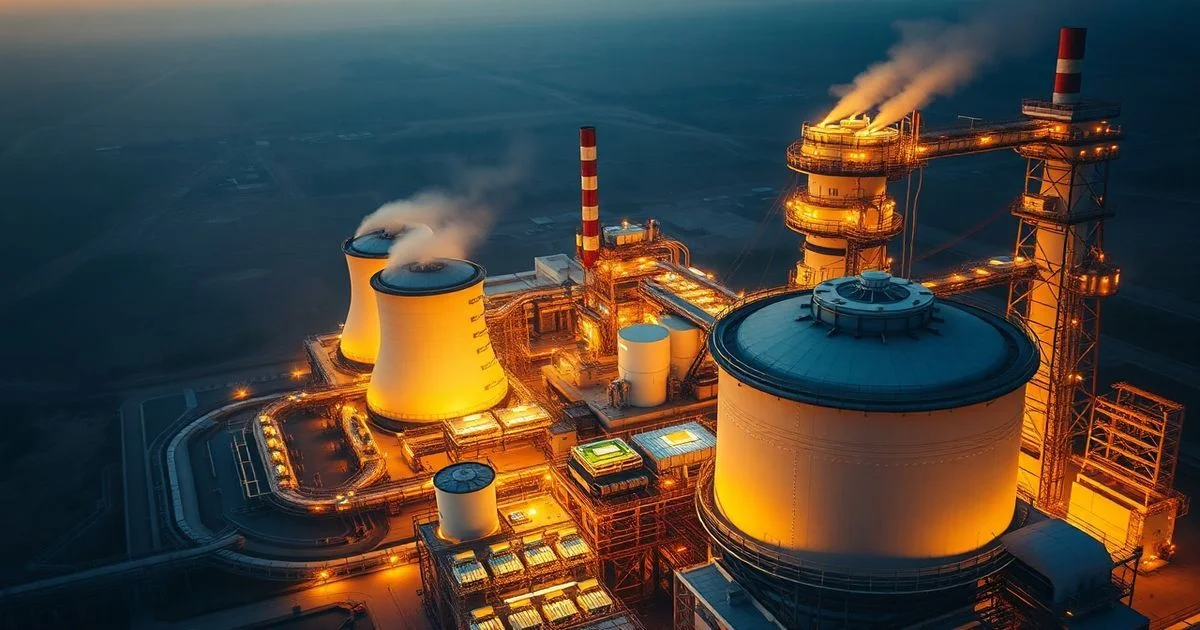
India's Green Energy Milestone: Clean Power Leads the Way
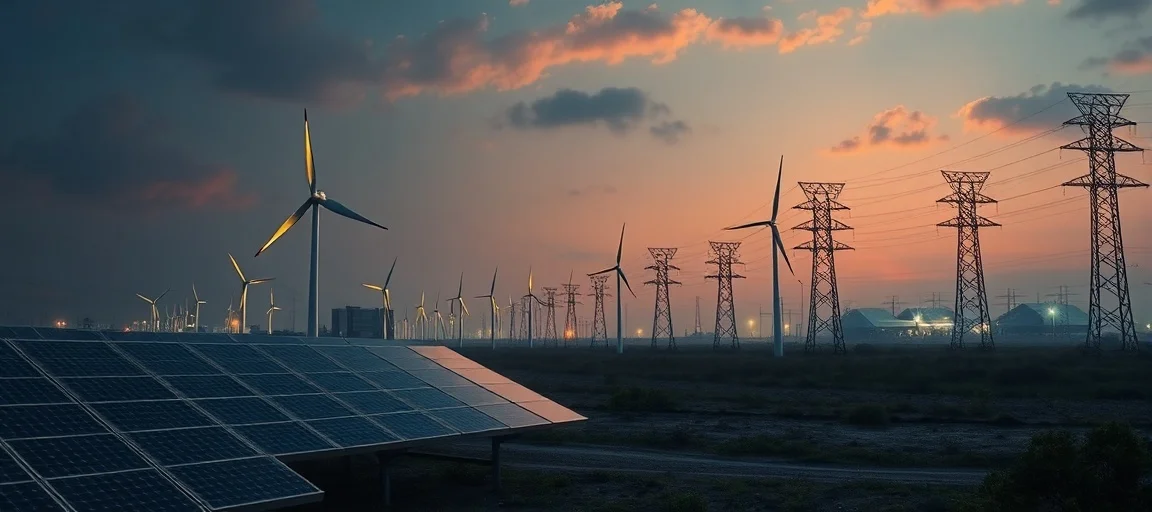
India has reached a remarkable achievement in its energy transition journey, marking a pivotal moment where clean power sources are now leading its national grid. This significant shift underscores India's Green Energy Milestone: Clean Power Leads the way towards a sustainable future, driving both economic growth and environmental stewardship. The nation's sustained commitment to expanding its renewable energy portfolio has culminated in this landmark development, showcasing its dedication to climate goals and energy independence.
- India's Green Energy Milestone: Clean Power Leads the Nation's Growth
- The Rise of Renewable Capacity: A Decade of Unprecedented Growth
- Economic and Environmental Impact: A Dual Dividend
- Government Initiatives and Policy Frameworks: Paving the Way
- Technological Advancements Driving the Transition
- Overcoming Challenges and Looking Ahead
- Conclusion
- Frequently Asked Questions
- Further Reading & Resources
India's Green Energy Milestone: Clean Power Leads the Nation's Growth
For decades, India's energy landscape was predominantly characterized by a heavy reliance on conventional fossil fuels, particularly coal, to meet its escalating power demands. This dependence, while fueling industrial growth, also brought with it significant environmental challenges, including rising carbon emissions and air pollution. Recognizing the urgent need for a cleaner, more sustainable energy pathway, India embarked on an ambitious journey to transform its energy mix. This strategic pivot involved extensive policy reforms, substantial investments in renewable technologies, and a concerted national effort to harness its abundant solar and wind resources. The culmination of these efforts has led to clean power sources now frequently surpassing conventional generation in terms of daily dispatch, a clear indicator of the nation's successful transition towards a greener grid.
This remarkable achievement is not merely a statistical benchmark but represents a fundamental reorientation of India's developmental philosophy. By prioritizing green energy, India is not only addressing its domestic energy security concerns but also emerging as a global leader in the fight against climate change. The proactive stance taken by the government, coupled with the innovation and adoption driven by the private sector, has accelerated the pace of this energy transition, establishing a new paradigm for how a developing nation can balance growth with sustainability.
The Rise of Renewable Capacity: A Decade of Unprecedented Growth
India's journey to becoming a clean energy powerhouse has been characterized by an unprecedented surge in its renewable energy capacity over the past decade. The nation has aggressively pursued targets for solar, wind, and other non-fossil fuel sources, consistently ranking among the top countries globally for renewable energy additions. This rapid expansion has been critical in allowing clean power to achieve a leading role in the national energy mix.
Solar Power: The Shining Star of India's Energy Transition
Solar energy has undoubtedly been the cornerstone of India's renewable energy revolution. Leveraging its geographical advantage with ample sunlight, the country has witnessed a phenomenal increase in installed solar capacity. Utility-scale solar parks, rooftop solar installations, and off-grid solutions have all contributed significantly to this growth. As of late 2025, India's total renewable energy capacity, excluding large hydro, reached 143.6 GW, with solar power accounting for the largest share at 81.6 GW. Including large hydro, the total non-fossil fuel capacity stood at 193.3 GW. Large-scale projects like the Bhadla Solar Park in Rajasthan, which is one of the world's largest fully commissioned solar parks, exemplify India's commitment to harnessing solar potential. This park alone has a total capacity of over 2.2 GW, demonstrating the scale of ambition in the sector. The focus on domestically manufactured solar components under initiatives like the Production Linked Incentive (PLI) scheme has further bolstered the sector, reducing import dependence and fostering local industry.
Wind Power: Harnessing the Breezy Coasts and Plains
Alongside solar, wind power has played a crucial role in India's clean energy expansion. India possesses significant wind energy potential, particularly along its extensive coastline and in several inland states. The installed wind power capacity has steadily grown, with states like Tamil Nadu, Gujarat, and Rajasthan being major contributors. The total wind power capacity stood at 46.5 GW as of late 2025. While onshore wind projects continue to expand, there is increasing interest and investment in offshore wind energy, which holds immense untapped potential. The government is actively exploring policies and frameworks to facilitate the development of offshore wind farms, which could further diversify the clean energy portfolio and provide substantial power generation, especially in coastal regions.
Hydropower and Bioenergy: Complementary Green Sources
While solar and wind dominate the discussion, other renewable sources like hydropower and bioenergy also contribute significantly to India's clean energy mix. Large hydropower projects, though often debated for their environmental impact, are classified as renewable and provide crucial grid stability due to their dispatchable nature. India's large hydro capacity was 46.5 GW as of late 2025. Bioenergy, derived from agricultural waste, municipal solid waste, and other biomass sources, offers a sustainable solution for both waste management and energy generation, particularly in rural areas. These complementary sources enhance the overall resilience and diversity of India's clean power infrastructure, ensuring a more balanced and reliable grid operation.
Economic and Environmental Impact: A Dual Dividend
The rapid expansion of India's green energy sector has delivered a dual dividend, bringing forth substantial economic benefits alongside critical environmental improvements. This shift is not just about producing power but also about fostering sustainable development across various facets of the nation.
Job Creation and Economic Growth
The burgeoning renewable energy sector has emerged as a significant source of employment, creating thousands of green jobs across the value chain, from manufacturing and installation to operation and maintenance. Investments in solar and wind farms, battery storage facilities, and smart grid infrastructure stimulate local economies and attract foreign direct investment. This economic activity contributes to national GDP growth and helps in skills development, particularly in rural and semi-urban areas where many renewable projects are situated. The focus on domestic manufacturing of renewable energy components further amplifies this economic impact, fostering self-reliance and technological prowess.
Reduced Carbon Emissions and Air Pollution
Perhaps the most direct and impactful environmental benefit is the significant reduction in carbon emissions. By replacing fossil fuel-based generation with clean power, India is making substantial strides towards its climate change commitments under the Paris Agreement. This transition directly contributes to cleaner air, mitigating the severe public health crises often associated with air pollution from thermal power plants. Reduced emissions of particulate matter, sulfur dioxide, and nitrogen oxides lead to improved respiratory health for millions of citizens, particularly in densely populated urban centers. India's commitment to installing 500 GW of non-fossil fuel electricity capacity by 2030 is a major step towards reducing its carbon intensity by 45 percent by 2030, compared to 2005 levels.
Energy Security and Reduced Import Dependence
The reliance on imported fossil fuels, particularly crude oil and natural gas, has historically posed significant challenges to India's energy security and balance of payments. The shift towards indigenous renewable energy sources significantly reduces this import dependence, safeguarding the nation from volatile international fuel prices and geopolitical disruptions. Generating power domestically from abundant natural resources like sun and wind enhances energy independence and ensures a more stable and predictable energy supply for the country's growing economy.
Government Initiatives and Policy Frameworks: Paving the Way
The impressive growth in India's green energy sector would not have been possible without robust policy support and strategic initiatives from the government. These frameworks have provided the necessary impetus, incentives, and regulatory certainty for both domestic and international investors.
National Missions and Incentive Schemes
Key government programs such as the National Solar Mission have played a pivotal role in setting ambitious targets and providing financial incentives for solar power development. More recently, the Production Linked Incentive (PLI) schemes for high-efficiency solar PV modules have encouraged domestic manufacturing, aiming to build a complete local ecosystem for renewable energy components. These schemes are designed to reduce reliance on imports, create jobs, and foster technological innovation within India. Furthermore, various state-level policies complement national efforts, offering specific subsidies, land allocation support, and streamlined approval processes for renewable energy projects.
International Collaborations and Global Leadership
India has also championed international cooperation in the renewable energy domain. The International Solar Alliance (ISA), an initiative launched by India and France, exemplifies this global leadership. The ISA aims to promote solar energy deployment in member countries, particularly those located between the Tropics of Cancer and Capricorn, by facilitating technology transfer, financial mechanisms, and capacity building. This initiative positions India as a key player in global renewable energy diplomacy and a proponent of a just energy transition for developing nations. India is on track to achieve its Nationally Determined Contributions (NDCs) pledges much ahead of the 2030 target.
Addressing Grid Integration and Storage Challenges
While the growth in renewable capacity is significant, integrating intermittent sources like solar and wind into the national grid poses technical challenges. The government and grid operators are actively working on modernizing grid infrastructure, developing smart grid solutions, and investing in advanced energy storage technologies. Battery Energy Storage Systems (BESS) are gaining prominence as a critical solution to manage the variability of renewables, ensuring grid stability and reliable power supply. Policies are being formulated to incentivize the deployment of BESS at both grid-scale and distributed levels. India’s ambitious target to achieve net-zero emissions by 2070 underscores the long-term vision and commitment to clean energy.
Technological Advancements Driving the Transition
The acceleration of India's green energy transition is inextricably linked to ongoing technological advancements. Innovations in various domains are not only making renewable energy more efficient and affordable but also enhancing grid reliability and energy management.
Battery Storage and Grid Modernization
The rapid evolution of battery storage technologies, particularly Lithium-ion batteries, has been a game-changer for renewable energy integration. As battery costs continue to decline, their deployment across the grid, from utility-scale projects to commercial and residential applications, is becoming increasingly viable. These systems allow for the storage of excess renewable energy generated during peak production times and its discharge during periods of high demand or low renewable output, effectively smoothing out intermittency. Alongside storage, grid modernization efforts involving advanced sensors, digital controls, and smart metering are optimizing energy flow, minimizing losses, and enabling better management of distributed renewable generation.
Smart Grid Technologies and AI Integration
The implementation of smart grid technologies is crucial for a future where clean power leads the energy mix. These intelligent grids utilize advanced communication infrastructure and data analytics to monitor, control, and optimize electricity delivery. The integration of Artificial Intelligence (AI) and Machine Learning (ML) algorithms is further enhancing grid efficiency by predicting renewable energy generation more accurately, optimizing demand response, and proactively identifying potential grid anomalies. These technologies are essential for maintaining grid stability and reliability in a system increasingly reliant on variable renewable sources.
Innovation in Renewable Energy Components
Continuous innovation in solar panel efficiency, wind turbine design, and power conversion technologies is constantly pushing the boundaries of what is possible in renewable energy generation. Developments such as bifacial solar panels, larger and more efficient wind turbine blades, and advanced inverter technologies are contributing to higher energy yields and lower overall costs. Research and development efforts within India are also focusing on indigenous solutions tailored to local conditions, further strengthening the country's position as an innovation hub in the clean energy space.
Overcoming Challenges and Looking Ahead
While India has achieved significant milestones in its green energy transition, the path ahead is not without its challenges. Addressing these hurdles will be crucial for sustaining the momentum and achieving the nation's ambitious long-term climate and energy goals.
Land Acquisition and Infrastructure Development
The establishment of large-scale solar and wind farms requires vast tracts of land, which can sometimes lead to challenges related to land acquisition, environmental clearances, and social impacts. Efficient and equitable land policies, along with expedited approval processes, are essential to facilitate continued expansion. Furthermore, upgrading and expanding transmission and distribution infrastructure are vital to evacuate power from renewable-rich regions to consumption centers and minimize transmission losses. Investment in high-voltage direct current (HVDC) lines and green corridors is critical for this purpose.
Financing and Investment Mechanisms
While private investment in renewable energy has been robust, securing long-term, low-cost financing remains a key challenge, especially for emerging technologies and complex grid integration projects. Innovative financing mechanisms, green bonds, and international climate finance play a crucial role in mobilizing the necessary capital. Government support through viability gap funding and risk mitigation instruments can further de-risk projects and attract greater investment. India's efforts to raise finance, including Green Bonds, are critical for achieving its ambitious targets.
Ensuring Equitable Access to Clean Energy
The transition to clean energy must also be equitable and inclusive, ensuring that all segments of society benefit from reliable and affordable power. This includes providing access to electricity for remote and underserved communities through decentralized renewable energy solutions and promoting rooftop solar for residential consumers. Policies that support energy efficiency and demand-side management are also crucial for optimizing energy consumption and reducing overall demand.
The Path Towards India's Ambitious Climate Goals
Looking ahead, India's commitment to achieving 500 GW of non-fossil fuel electricity capacity by 2030 and its net-zero emissions target by 2070 represent monumental undertakings. The continued strategic focus on policy stability, technological innovation, infrastructure development, and international collaboration will be paramount. The proactive engagement of all stakeholders—government, industry, academia, and citizens—will be essential to navigate these challenges successfully and solidify India's position as a global leader in sustainable energy development. The nation’s pledge to fulfill the aspirations of the Paris Agreement with an updated NDC is a testament to its serious commitment to climate action.
Conclusion
India's journey from an energy deficit nation heavily reliant on fossil fuels to a global leader in renewable energy is a testament to its visionary policies and determined execution. The achievement of clean power leading the national grid marks a significant India's Green Energy Milestone: Clean Power Leads its journey towards a sustainable and energy-independent future. This transformation not only bolsters India's energy security and economic resilience but also sets a powerful precedent for other developing nations striving to balance growth with environmental responsibility. The ongoing commitment to innovation, strategic investment, and international cooperation will undoubtedly propel India further towards its ambitious climate goals, establishing it as a beacon of green energy transition for the 21st century.
Frequently Asked Questions
Q: What is India's significant green energy milestone?
A: India has reached a point where clean power sources frequently lead its national grid in terms of daily electricity dispatch. This signifies a major shift from fossil fuels towards renewables, showcasing the nation's impressive progress in sustainable development and energy transition.
Q: What are the main drivers of India's clean energy growth?
A: India's clean energy growth is primarily driven by massive government investments in solar and wind power projects, supportive policy frameworks like national missions and Production Linked Incentive (PLI) schemes, and a strategic focus on enhancing energy security while mitigating climate change impacts.
Q: What are the key benefits of India's green energy transition?
A: The transition offers numerous benefits, including significant reductions in carbon emissions and air pollution, creation of thousands of green jobs, enhanced national energy security, and decreased reliance on volatile imported fossil fuels, contributing to a healthier environment and a more stable economy.