Middle East Conflict's Economic Ripple Effect Felt Globally: A Deep Dive
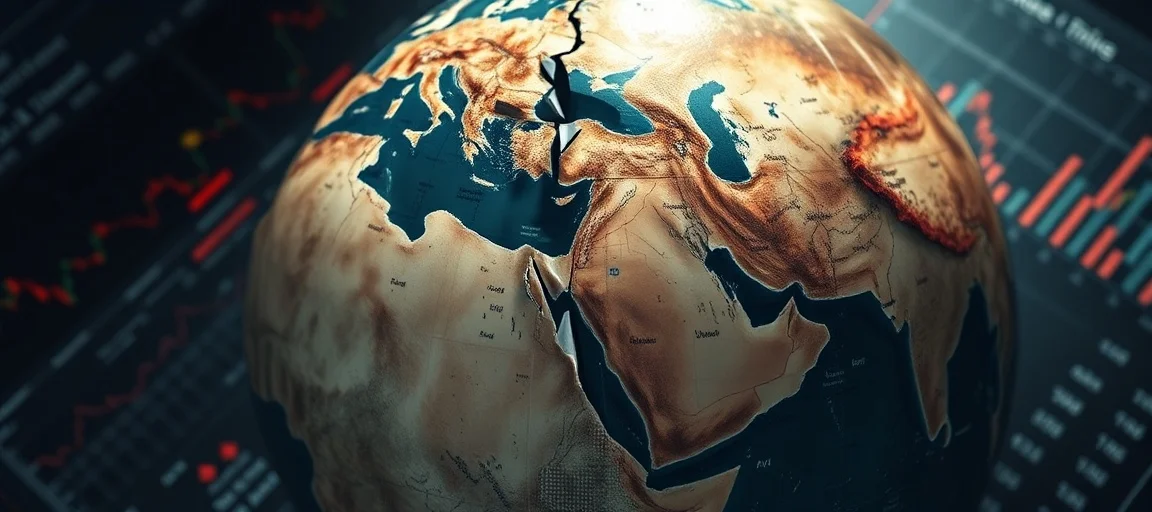
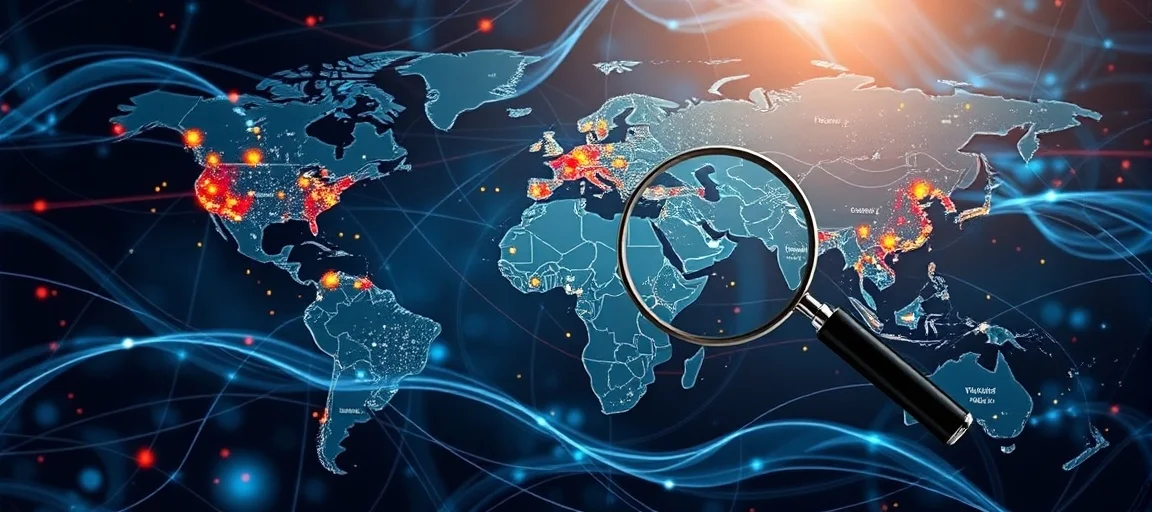
The ongoing complexities and volatile situations within the Middle East continue to cast a long shadow, extending far beyond regional borders. Indeed, the Middle East Conflict's Economic Ripple Effect Felt Globally is a stark reality, impacting everything from energy prices and global supply chains to inflation and investment confidence worldwide. As a critical geopolitical fulcrum, events in this region inevitably send tremors through the interconnected global economy, necessitating a close examination of the multifaceted consequences. This deep dive explores how localized tensions translate into widespread economic challenges, affecting households, businesses, and governments across continents.
- Understanding the Conflict's Economic Roots
- Global Supply Chains Under Strain
- Energy Market Volatility and Oil Prices
- Inflationary Pressures Worldwide
- Geopolitical Risk Premiums and Investment
- The Human Cost and Humanitarian Aid
- Mitigating the Middle East Conflict's Economic Ripple Effect Globally
- Conclusion
- Frequently Asked Questions
- Further Reading & Resources
Understanding the Conflict's Economic Roots
The Middle East, a region rich in natural resources and strategic geographical locations, has long been a nexus of global economic and political interests. Decades of intermittent conflict and instability have underscored the fragility of this critical global artery. From the vast oil and natural gas reserves that fuel much of the world to vital shipping lanes like the Suez Canal and the Strait of Hormuz, the economic stakes are profoundly high. Conflicts, whether direct military engagements or proxy skirmishes, often jeopardize the smooth flow of these resources and goods, creating immediate and cascading economic disruptions. The historical context reveals a recurring pattern where regional instability directly correlates with volatility in global commodity markets and a heightened sense of risk for international trade and investment.
Geopolitical Chessboard and Resource Control
Many of the conflicts in the Middle East are intertwined with the struggle for control over crucial resources and strategic territories. The region accounts for a significant portion of the world's proven oil and gas reserves, making energy security a paramount concern for major global economies. Disruptions in production or transit routes can lead to immediate price spikes, creating inflationary pressures globally. Beyond fossil fuels, access to water and arable land also plays a role in regional tensions, further complicating the humanitarian and economic landscape. The interplay of these factors creates a complex web where political disputes quickly transform into economic challenges with global implications.
Global Supply Chains Under Strain
One of the most immediate and visible consequences of the Middle East conflict is the pressure it exerts on global supply chains. Key maritime routes that traverse the region are essential for the movement of goods between Asia, Europe, and beyond. Any threat to these routes, whether from direct attacks, heightened security risks, or rerouting efforts, can lead to significant delays and increased costs for international shipping. This widespread disruption often contributes to global supply chain disruptions experienced by businesses and consumers alike.
Critical Chokepoints and Maritime Security
The Suez Canal, connecting the Mediterranean Sea to the Red Sea, and the Strait of Hormuz, linking the Persian Gulf to the open ocean, are two of the world's most vital maritime chokepoints. A substantial percentage of global trade, including a significant volume of oil and liquefied natural gas (LNG), passes through these narrow waterways. Incidents of piracy, missile attacks, or heightened military presence in these areas force shipping companies to re-evaluate their routes, often opting for longer and more expensive alternatives, such as circumnavigating Africa via the Cape of Good Hope. This rerouting adds weeks to transit times and dramatically increases fuel consumption and insurance premiums, costs that are ultimately passed on to consumers worldwide. For instance, perishable goods face spoilage risks, while time-sensitive manufacturing components can halt production lines, creating cascading delays across various sectors.
Impact on Specific Industries
The strain on supply chains is not uniform but affects various industries differently. For instance, manufacturers relying on just-in-time inventory systems face severe disruptions when components are delayed. The automotive, electronics, and apparel industries, which often source materials or components from diverse global locations, are particularly vulnerable. Extended lead times can lead to production delays, shortages of consumer goods, and ultimately, higher prices. The reliability of delivery schedules, once a cornerstone of global commerce, becomes unpredictable, forcing companies to reconsider their supply chain resilience and potentially re-shore or near-shore production, a costly and time-consuming endeavor. Consumers might experience a lack of choice for certain products or face significantly inflated prices for imported items like consumer electronics or seasonal clothing, directly linking regional conflict to their daily shopping experience.
Energy Market Volatility and Oil Prices
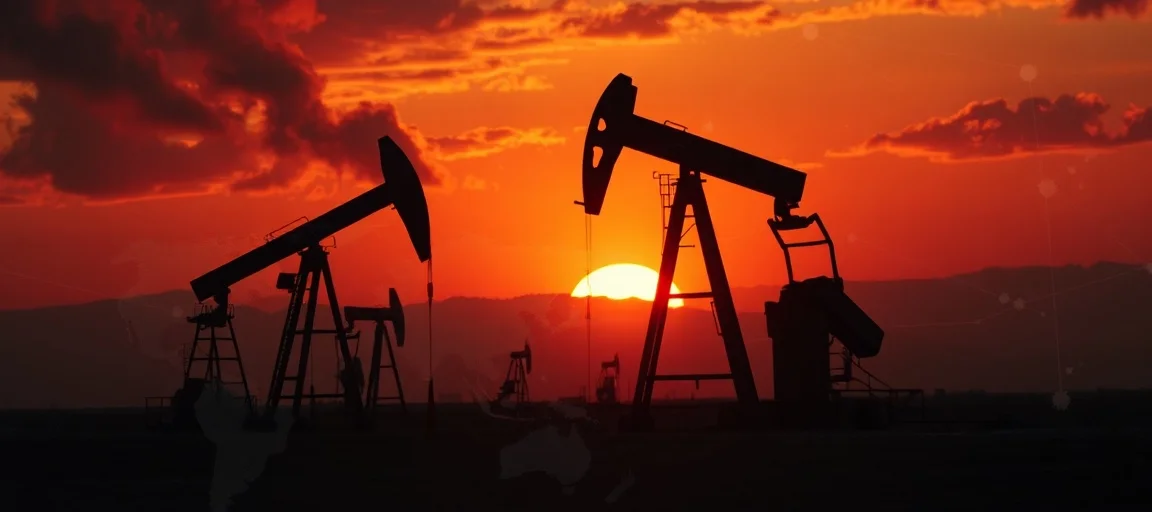
The Middle East's role as a major energy producer means that any instability in the region has an almost immediate and profound impact on global energy markets. Oil and natural gas prices are particularly sensitive to geopolitical tensions, leading to significant volatility that affects economies worldwide. Understanding geopolitical tensions in energy markets is key to grasping these fluctuations.
Spikes in Crude Oil and Natural Gas
Threats to oil production facilities, pipelines, or shipping routes in the Middle East can trigger sharp increases in crude oil prices. Even the perception of potential disruption is often enough to send prices soaring as traders react to heightened risk and uncertainty, reflected in futures markets. For example, specific events in recent years have seen Brent Crude prices jump by several dollars a barrel in a single day, reflecting the market's extreme sensitivity to supply shocks. This volatility is amplified for natural gas, especially in regions heavily reliant on Middle Eastern LNG exports. Higher energy costs directly impact consumers through increased fuel prices for transportation and higher utility bills for heating and electricity. Businesses also face elevated operational costs, which can erode profit margins and contribute to inflationary pressures, particularly in energy-intensive sectors like manufacturing and logistics.
Economic Impact on Energy Importers and Exporters
For energy-importing nations, particularly those in Europe and Asia, sustained high oil and gas prices represent a significant drain on their economies. They must spend more foreign currency to secure essential energy supplies, potentially widening trade deficits and weakening national currencies. This can hinder economic growth and make other imports more expensive. Conversely, energy-exporting nations within and outside the Middle East may see a temporary boost in revenue during periods of high prices. However, this benefit is often tempered by the broader global economic slowdown that typically accompanies sustained energy price hikes, eventually impacting demand. The global shift towards renewable energy sources is also influenced, as high fossil fuel prices can accelerate investment in alternatives, or paradoxically, encourage greater domestic fossil fuel production in some regions as countries prioritize energy independence.
Inflationary Pressures Worldwide
The combined effects of disrupted supply chains and elevated energy costs directly translate into increased inflationary pressures across the globe. This represents a significant challenge for central banks and governments attempting to maintain economic stability. The impact of inflation on global economies is far-reaching, affecting everything from purchasing power to investment decisions.
The Cost-Push Inflation Cycle
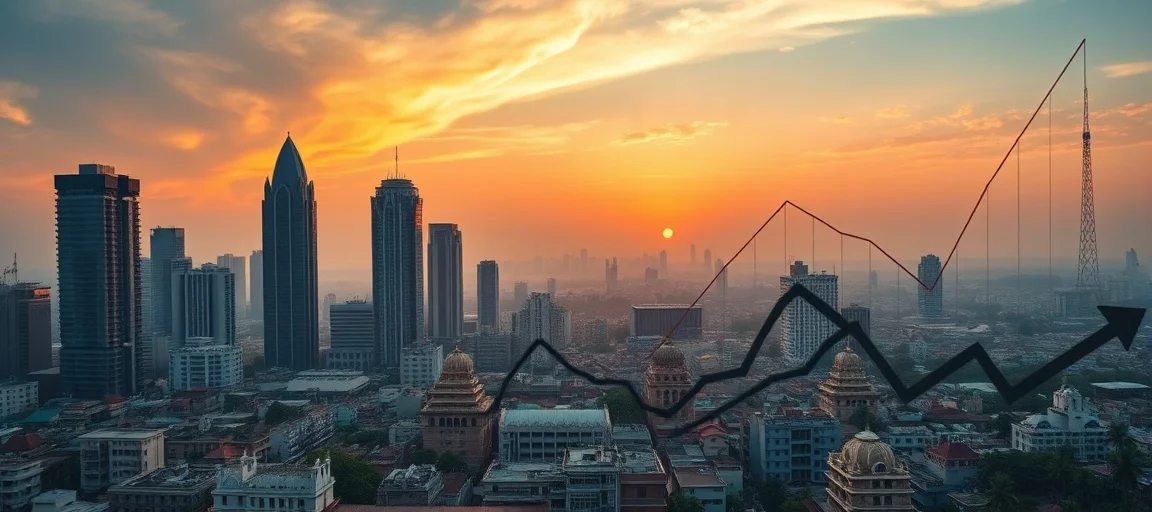
When the cost of transporting goods increases and the price of raw materials like oil rises, businesses face higher input costs. To maintain profitability, they often pass these increased costs onto consumers in the form of higher prices for goods and services. This phenomenon, known as cost-push inflation, can erode purchasing power and reduce living standards. The inflation seen in many countries globally over the past few years has been partly attributed to such supply-side shocks, with Middle East conflicts acting as a significant contributor. Consumers find their money buys less, leading to demands for higher wages, which can further fuel an inflationary spiral where rising prices lead to higher wage demands, creating a self-perpetuating cycle.
Central Bank Responses and Economic Growth
In response to persistent inflation, central banks typically raise interest rates to cool down economic activity and curb price increases. While necessary to bring inflation under control, higher interest rates can stifle economic growth by making borrowing more expensive for businesses and consumers. This can lead to reduced investment, slower job creation, and potentially, economic recession. The delicate balancing act for policymakers is to tame inflation without triggering a severe economic downturn, a challenge made more complex by unpredictable external factors such as ongoing conflicts in the Middle East. Such policies, while necessary, can sometimes compound economic challenges by slowing global demand and increasing the cost of capital.
Geopolitical Risk Premiums and Investment
Beyond the immediate tangible impacts, the enduring instability in the Middle East introduces a significant geopolitical risk premium into global financial markets. This risk premium manifests in various ways, affecting investment decisions, capital flows, and the overall cost of doing business.
Investor Sentiment and Capital Flight
Uncertainty stemming from conflict zones makes investors more cautious. There is an increased reluctance to invest in regions perceived as unstable, leading to capital flight from directly affected areas. Moreover, global investors may also become more risk-averse overall, preferring safer assets and demanding higher returns for riskier ventures. This can divert investment away from emerging markets and developing economies that might otherwise be attractive. Companies operating internationally often reassess their exposure to risk, leading to revised investment strategies that prioritize stability over potentially higher returns in volatile areas. This shift can impact long-term growth prospects for affected regions and even broader global capital allocation.
Impact on Global Financial Markets
The perception of heightened geopolitical risk can lead to increased volatility in stock markets, currency fluctuations, and a rise in demand for safe-haven assets like gold or certain government bonds. Insurance premiums for businesses engaged in trade or operations within or near conflict zones also typically increase significantly, adding another layer of cost. The long-term implications include hindered foreign direct investment (FDI) into the affected regions, slowing down their economic development and further entrenching the cycle of instability and economic hardship. The global financial system, interconnected as it is, absorbs these risk premiums, making capital generally more expensive and hindering global economic expansion by diverting resources and increasing transaction costs.
The Human Cost and Humanitarian Aid
While often framed in economic terms, it is crucial not to overlook the profound human cost of the Middle East conflict. Displacement, loss of life, and the destruction of infrastructure have devastating long-term economic consequences for the affected populations and create significant burdens for the international community.
Displacement and Refugee Crises
Ongoing conflicts have led to massive internal displacement and large-scale refugee movements across borders. Millions of people have been forced from their homes, losing their livelihoods, assets, and access to education and healthcare. The economic impact on host countries, particularly neighboring states, is substantial, as they grapple with providing shelter, food, and services to large refugee populations. This strains public resources, affects labor markets, and can create social tensions. Furthermore, the loss of human capital through forced migration and brain drain significantly depletes the skilled workforce necessary for future economic recovery in affected nations. The long-term economic reintegration of displaced populations, whether repatriated or resettled, represents a monumental challenge requiring sustained international support, impacting generations.
Reconstruction and Development Challenges
Even after conflicts subside, the path to recovery is arduous. Widespread destruction of infrastructure—roads, bridges, hospitals, schools, and utilities—requires massive investment in reconstruction. Economic activity is severely curtailed, industries are decimated, and agricultural lands are often rendered unusable. The lack of basic services and a stable environment hinders entrepreneurship and investment, making it difficult for economies to rebuild and achieve sustainable development. Beyond physical reconstruction, there's the immense task of rebuilding social capital, trust, and institutional capacity, all of which are essential for economic vitality. The international community often bears a significant portion of the humanitarian aid and reconstruction costs, diverting resources that could otherwise be used for development initiatives elsewhere, highlighting the global financial burden of these human tragedies.
Mitigating the Middle East Conflict's Economic Ripple Effect Globally
Addressing the pervasive Middle East Conflict's Economic Ripple Effect Felt Globally requires a multifaceted approach involving international cooperation, strategic foresight, and adaptive economic policies. Nations and businesses are increasingly seeking ways to build resilience against such external shocks.
Diversification and Resilience Strategies
For businesses, this involves diversifying supply chains to reduce reliance on single regions or routes, investing in more robust inventory management, and exploring near-shoring or reshoring options where feasible. Governments are encouraged to foster domestic production capabilities and strategic reserves of critical goods, including energy and food. The development of alternative trade routes, though often costly, is also being considered to reduce dependency on volatile chokepoints. Building such resilience is not merely about surviving disruptions but about creating a more stable and predictable environment for long-term economic planning and growth.
International Cooperation and Diplomacy
At the diplomatic level, sustained efforts to de-escalate conflicts and promote peaceful resolutions in the Middle East are paramount. International cooperation is essential not only for humanitarian aid but also for coordinating economic responses, such as stabilizing energy markets and ensuring the unimpeded flow of global trade. Multilateral institutions play a crucial role in providing financial assistance, facilitating dialogue, and implementing development programs that address the root causes of instability. The long-term goal is to foster an environment where economic growth can thrive, reducing the incentives for conflict and enhancing regional and global stability through collective security and shared prosperity.
Conclusion
The intricate web of global economics means that no region exists in isolation. The Middle East, with its strategic importance in energy and trade, serves as a powerful reminder of this interconnectedness. The Middle East Conflict's Economic Ripple Effect Felt Globally is undeniable, manifesting through volatile energy prices, disrupted supply chains, and pervasive inflationary pressures that touch every corner of the world. While the human tragedy remains the most poignant outcome, the economic reverberations demand urgent and concerted global attention. Building resilience, fostering international cooperation, and prioritizing diplomatic solutions are crucial steps toward mitigating these far-reaching impacts and ensuring a more stable and prosperous global future.
Frequently Asked Questions
Q: How does the Middle East conflict specifically impact global energy prices?
A: Instability in the Middle East, a major oil and gas producer, often leads to disruptions in production or shipping routes. This creates immediate price spikes in crude oil and natural gas markets due to supply concerns and heightened geopolitical risk premiums.
Q: What are the main ways the conflict affects international supply chains?
A: The conflict strains supply chains primarily by threatening vital maritime chokepoints like the Suez Canal and Strait of Hormuz. This forces rerouting of ships, leading to longer transit times, increased fuel costs, higher insurance premiums, and ultimately, elevated consumer prices.
Q: Beyond direct economic costs, what are the long-term human costs?
A: The human costs are profound, including massive displacement, loss of life, and destruction of infrastructure. Long-term economic consequences involve a significant loss of human capital, brain drain, and the immense financial burden of reconstruction and humanitarian aid, hindering future development.