Africa's Ebola Outbreak Triggers Expanded Travel Bans Globally
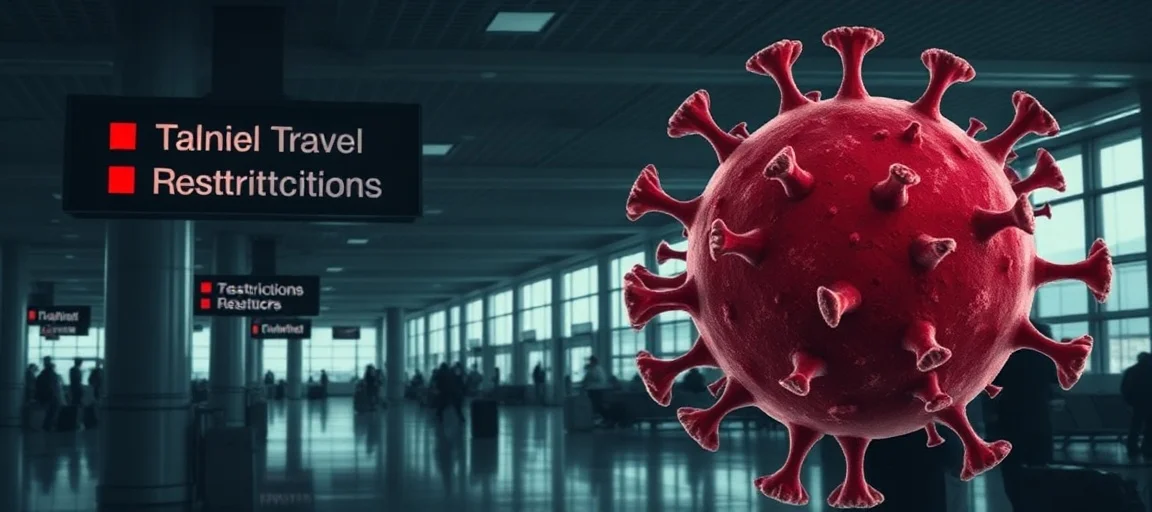
A new and aggressive strain of Ebola virus disease has emerged in several West African nations, escalating into Africa's Ebola outbreak which has now triggered expanded travel bans globally. This prompting immediate and significant international concern. The escalating crisis has led to a cascade of protective measures, as Africa's Ebola Outbreak Triggers Expanded Travel Bans across continents. Governments worldwide are scrambling to implement stringent health protocols and travel restrictions to contain the deadly virus, fearing a wider global spread. This rapidly evolving situation highlights the ongoing fragility of global public health systems and the complex balance between disease containment and international movement.
- Understanding the Current Ebola Outbreak
- A Brief History of Ebola Virus Disease
- Global Response: Heightened Alert and Screening Measures
- Africa's Ebola Outbreak Triggers Expanded Travel Bans: The Rationale
- The Far-Reaching Impact of Travel Restrictions
- International Cooperation and Vaccine Efforts
- Challenges and Criticisms of Travel Restrictions
- Conclusion: A Global Health Challenge
- Frequently Asked Questions
- Further Reading & Resources
Understanding the Current Ebola Outbreak
The current Ebola outbreak, centered initially in regions of the Democratic Republic of Congo and subsequently spreading to neighboring countries, marks a critical juncture in global health security. Identified as a highly virulent strain, the virus has quickly overwhelmed local healthcare infrastructure, making containment exceptionally challenging. The World Health Organization (WHO) has issued multiple warnings, emphasizing the rapid increase in reported cases and the high fatality rate associated with this particular strain. Unlike previous outbreaks that were often localized, this iteration has shown a disconcerting ability to cross borders, primarily through densely populated urban centers and porous regional boundaries.
The early detection systems, though improved since past epidemics, were quickly stretched thin. Reports indicate that communities, already grappling with various socio-economic challenges, are facing immense pressure as medical teams struggle to reach affected areas and implement safe burial practices. Humanitarian organizations are mobilizing resources, but the sheer scale of the outbreak demands a more coordinated and robust international response. The virus's rapid progression from infection to severe symptoms, coupled with its highly contagious nature, underscores the urgency of effective public health interventions.
A Brief History of Ebola Virus Disease
Ebola Virus Disease (EVD) is a severe, often fatal illness in humans. The virus is transmitted to people from wild animals and spreads in the human population through direct contact with the blood, secretions, organs or other bodily fluids of infected people, and with surfaces and materials contaminated with these fluids. The first recognized Ebola outbreaks occurred in 1976 simultaneously in Nzara, Sudan, and in Yambuku, Democratic Republic of Congo (then Zaire). The latter was in a village situated near the Ebola River, which gave the disease its name.
Since its discovery, there have been numerous outbreaks, primarily in sub-Saharan Africa. The largest and most devastating epidemic occurred in West Africa from 2014-2016, causing over 11,000 deaths and highlighting significant weaknesses in global pandemic preparedness. This prior crisis spurred advancements in vaccine development and rapid diagnostic tests, but also exposed the profound socio-economic and political challenges in controlling such outbreaks in resource-limited settings. Learning from these past experiences, global health bodies and national governments have invested in strengthening surveillance and response mechanisms, though the current outbreak demonstrates that vulnerabilities persist. Each new outbreak presents unique challenges, often exacerbated by conflict, population displacement, and distrust in health authorities.
Global Response: Heightened Alert and Screening Measures
As the outbreak intensified, nations across the globe rapidly escalated their alert levels. Major international airports and ports of entry have implemented enhanced health screenings for travelers arriving from or transiting through affected African countries. These measures typically include temperature checks, health questionnaires, and mandatory isolation for individuals exhibiting symptoms. Public health agencies in North America, Europe, and Asia have issued advisories, urging citizens to defer non-essential travel to high-risk areas and to be vigilant for symptoms upon return.
Beyond immediate screenings, many countries are also bolstering their emergency response capacities. Hospitals are reviewing their infectious disease protocols, ensuring adequate personal protective equipment (PPE) for healthcare workers, and conducting drills for potential EVD cases. National public health laboratories are preparing to expedite testing for suspected samples, a crucial step in rapid diagnosis and isolation. The swiftness of these responses reflects a heightened global awareness of the interconnectedness of health security in the wake of previous pandemics. The collective memory of past outbreaks, including the 2014-2016 Ebola crisis and the recent COVID-19 pandemic, has instilled a sense of urgency and a greater willingness to act decisively, albeit with varying degrees of coordination.
Africa's Ebola Outbreak Triggers Expanded Travel Bans: The Rationale
The decision to impose travel bans and restrictions is often a contentious one, balancing public health imperatives with economic and human rights considerations. However, the alarming spread and high mortality rate of the current Ebola strain have compelled many governments to implement decisive, expanded measures. The primary rationale behind these bans is to prevent the importation of infected individuals who could potentially initiate new chains of transmission in countries with less prepared healthcare systems.
These travel restrictions manifest in several forms:
- Direct Flight Suspensions: Many airlines, either by government directive or voluntarily, have suspended direct flights to and from the most affected regions in Africa. This drastically reduces the potential for rapid transcontinental spread.
- Visa Restrictions and Entry Denials: Several nations have imposed stricter visa requirements or outright denied entry to non-citizens who have recently traveled through affected countries.
- Mandatory Quarantines: Travelers permitted entry from high-risk zones may face mandatory quarantine periods, even if asymptomatic, to monitor for symptom development.
- Enhanced Exit Screenings: Some African nations are implementing their own exit screenings at airports and border crossings to prevent infected individuals from leaving their territories, though resource limitations can challenge the effectiveness of these measures.
Proponents argue that such immediate, drastic measures, while disruptive, are necessary to buy time. This time allows countries to bolster their own internal preparedness, educate their populations, and ready their healthcare systems to handle potential imported cases. Without these bans, the risk of overwhelming healthcare facilities in other parts of the world becomes substantially higher, particularly for a disease as lethal as Ebola.
The Far-Reaching Impact of Travel Restrictions
While intended to protect public health, the expanded travel bans are having significant and complex repercussions, particularly for the African continent and global interconnectedness.
Economic Consequences
The economic impact is substantial and immediate. Industries reliant on international travel, such as aviation, tourism, and hospitality, are experiencing severe downturns. African economies, many of which depend on foreign investment and trade, face disruption to supply chains and reduced business activity. Airlines are suffering financial losses from canceled flights and reduced passenger numbers. Furthermore, the stigmatization often associated with such outbreaks can deter investment and tourism long after the immediate crisis subsides, hindering economic recovery.
Social and Humanitarian Challenges
Travel bans disproportionately affect individuals, families, and communities. They can separate families, prevent essential travel for work or education, and exacerbate feelings of isolation and fear. Critically, these restrictions can impede the movement of humanitarian aid workers, medical professionals, and vital supplies to the very regions that need them most. Logistics for delivering PPE, medicines, and food aid become significantly more complicated and expensive, potentially hindering the on-ground response efforts.
Ethical Debates and Stigmatization
The implementation of travel bans often sparks heated ethical debates. Critics argue that such measures can lead to discrimination and stigmatization of entire populations, rather than targeting the disease itself. Historically, broad travel restrictions during outbreaks have been criticized for being ineffective in the long term, creating a false sense of security, and diverting resources from more effective public health interventions, such as robust surveillance, contact tracing, and community engagement within affected areas. There's a concern that such bans can lead to affected countries underreporting cases to avoid further isolation, thereby worsening the outbreak.
International Cooperation and Vaccine Efforts
Amidst the challenges, international cooperation remains paramount. Organizations like the World Health Organization (WHO), Médecins Sans Frontières (MSF), and the U.S. Centers for Disease Control and Prevention (CDC) are working tirelessly on the ground, providing technical assistance, medical personnel, and supplies. The WHO continues to coordinate global responses, offering guidance on screening protocols and treatment strategies.
Significant progress has been made in vaccine development since the 2014-2016 West African outbreak. Several Ebola vaccines are now available, with the rVSV-ZEBOV vaccine, for example, showing high efficacy against the Zaire strain of the virus. Efforts are underway to deploy these vaccines rapidly to affected populations, including frontline healthcare workers, using ring vaccination strategies to create protective barriers around known cases. However, logistical hurdles in administering vaccines in remote areas and ensuring public acceptance remain considerable. Furthermore, the efficacy of existing vaccines against the specific new strain causing the current outbreak is under urgent evaluation, and research for adapted or new vaccines is ongoing.
Challenges and Criticisms of Travel Restrictions
While seemingly a straightforward solution, travel bans face significant challenges and criticisms from public health experts and international bodies.
- Ineffectiveness in Long-Term Containment: Many epidemiologists argue that travel bans are largely ineffective in the long run. Viruses, especially highly transmissible ones, eventually find ways to circumvent such barriers. Instead of preventing spread, they may only delay it, often at a high economic and social cost.
- Discouraging Transparency: A major concern is that travel restrictions might discourage affected countries from openly reporting cases, fearing further isolation and economic penalties. This lack of transparency can severely hamper global efforts to track and contain the disease, as accurate data is crucial for an effective response.
- Diversion of Resources: The resources spent on implementing and enforcing travel bans, such as enhanced screenings and border patrols, could potentially be redirected towards strengthening local healthcare systems, improving surveillance, and supporting on-the-ground containment efforts in the affected regions.
- Human Rights Concerns: Critics also highlight the human rights implications, particularly the disproportionate impact on individuals from the affected regions and the potential for xenophobia. The ability to travel is a fundamental freedom, and its restriction, even for public health, must be carefully weighed and justified.
These criticisms underscore the complex ethical and practical dilemmas faced by policymakers during global health emergencies. A truly effective response, many experts argue, requires a multi-faceted approach that combines local containment with international support, rather than relying solely on border closures.
Conclusion: A Global Health Challenge
The ongoing crisis, where Africa's Ebola Outbreak Triggers Expanded Travel Bans, serves as a stark reminder of the persistent threat posed by emerging infectious diseases. While travel restrictions are a knee-jerk reaction for many governments to protect their citizens, their effectiveness is continually debated against the backdrop of their significant economic and social costs. The path forward demands sustained international collaboration, rapid deployment of medical innovations like vaccines, and robust support for the healthcare systems in affected nations. Ultimately, global health security hinges not just on preventing the movement of people, but on strengthening the capacity of every country to detect, respond to, and ultimately defeat outbreaks at their source. The world watches closely as scientists, policymakers, and humanitarian workers race against time to bring this latest Ebola threat under control.
Frequently Asked Questions
Q: What is the current status of the Ebola outbreak in Africa?
A: A new, aggressive Ebola strain has emerged in several West African nations, rapidly escalating and prompting significant international concern. It is overwhelming local healthcare and triggering global protective measures.
Q: Why are expanded travel bans being implemented?
A: Travel bans aim to prevent the importation of infected individuals who could start new transmission chains in less prepared countries. They are seen as a way to buy time for global preparedness and reduce rapid transcontinental spread.
Q: What are the main criticisms of these travel restrictions?
A: Critics argue travel bans are often ineffective long-term, discourage transparency from affected nations, divert resources from on-ground containment, and raise human rights concerns due to potential stigmatization.