Milei Reverses Press Ban in Argentina: A New Era for Free Speech
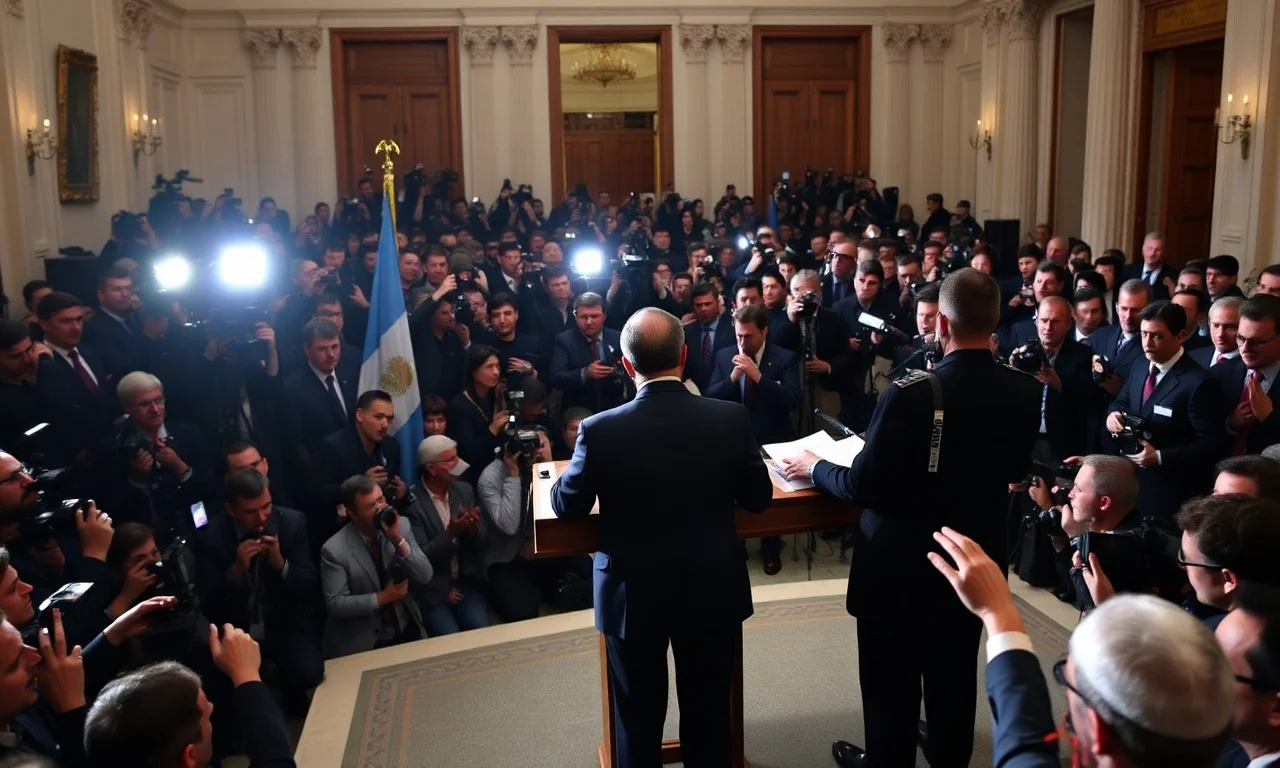
Argentine President Milei reverses press ban, upholding democratic values and signaling a transformative shift in the nation’s relationship with the fourth estate. This decision, which has been widely welcomed by journalists, human rights activists, and the general public, marks a crucial shift towards upholding democratic values and freedom of expression. The announcement, delivered during a high-profile address, comes after months of intense local and international pressure, highlighting the critical role of a free press in maintaining a healthy, functioning democracy. This move not only reverses a ban that had restricted press freedom but also signals a broader commitment to protecting and promoting the rights of journalists and media outlets in a country with a complex history of state-media relations.
Historical Background of Press Restrictions
The press ban in Argentina was implemented under the previous administration, sparking widespread criticism from both within the country and internationally. The ban had effectively silenced critical voices, restricted the flow of information, and undermined the fundamental principles of democracy. Historically, Argentina has navigated a tumultuous path regarding media independence. From the heavy state control seen in the mid-20th century to the polarization of the early 21st century, the media has often been a battleground for political influence.
Previous Administration's Policies
The previous administration's policies had been characterized by an increasingly authoritarian approach to governance, with a notable decline in press freedom and an increase in government control over the media. This had led to a stifling of critical voices and a lack of transparency in government actions. Specifically, the restrictions involved:
-
Accreditation Denials: Independent journalists were frequently denied access to the Casa Rosada, the executive mansion and office of the President.
-
Selective Briefings: Information was disseminated only to state-aligned media outlets, creating an information vacuum for the general public.
-
Financial Pressure: The use of state advertising budgets to reward friendly media and punish critical ones became a common tactic.
These measures created an environment of self-censorship, where journalists feared legal repercussions or financial ruin for reporting on government corruption or economic mismanagement. The "invisible wall" between the government and the press served to insulate officials from accountability, a practice that President Milei has now vowed to dismantle.
Why Milei Reverses Press Ban in Argentina
The decision to reverse these restrictive measures is rooted in Milei's libertarian philosophy, which prioritizes individual liberty and limited government intervention. By ensuring that Milei Reverses Press Ban in Argentina, the administration is attempting to distance itself from the "caste" politics it campaigned against. Milei has frequently stated that a transparent government is a necessary prerequisite for a free-market economy, as information symmetry is vital for both citizens and investors.
Restoring Constitutional Mandates
The reversal is also a return to the constitutional roots of the country. The Argentine Constitution, specifically Articles 14 and 32, provides strong protections for the right to publish ideas without prior censorship. Legal experts argue that the previous ban was a de facto violation of these principles. By lifting the ban, the current administration is aligning itself with international human rights standards established by the Inter-American Commission on Human Rights (IACHR).
Economic and Diplomatic Incentives
Beyond ideology, there are practical reasons for this shift. Argentina is currently seeking to renegotiate international debt and attract foreign direct investment. A country that suppresses its press is often viewed as a high-risk environment for capital. By restoring press freedom, Milei is sending a signal to the global community that Argentina is returning to the rule of law and democratic transparency. This move is expected to improve Argentina's ranking in global press freedom indices, which had plummeted in recent years.
The Impact on the Media Landscape
The impact of this decision on the media landscape in Argentina is expected to be significant and immediate. With the ban lifted, media outlets can now operate freely, and journalists can report on issues without fear of state-mandated exclusion.
Reopening the Casa Rosada
One of the most visible changes will be the return of a diverse press corps to the presidential palace. Daily briefings are expected to become more rigorous, with a wider range of questions being addressed. This change promotes:
-
Direct Accountability: Officials must now face questioning from reporters who do not share the government's ideological leanings.
-
Diverse Perspectives: The public will have access to multiple interpretations of government policy, rather than a single, state-sanctioned narrative.
-
Investigative Depth: Journalists will have the physical access necessary to conduct deep-dive investigations into the inner workings of the executive branch.
The Role of Télam and State Media
A major point of contention remains the future of Télam, the state news agency. While Milei has reversed the ban on private and independent press, his administration has simultaneously moved to downsize or privatize state-run media entities. The argument is that state media often serves as a propaganda arm for whichever party is in power. The reversal of the press ban ensures that even if state media is reduced, the private sector is robust enough to fill the void and provide the necessary oversight.
Global Reactions and Expert Opinions
The decision to reverse the press ban has been met with widespread acclaim from experts, journalists, and international human rights organizations. Many have praised President Milei for his commitment to democratic values, even as they remain cautious about other aspects of his "shock therapy" approach to governance.
Statements from Human Rights Groups
The Committee to Protect Journalists (CPJ):
"This is a momentous day for Argentina and for democracy. The reversal of the press ban is a clear signal that the government is committed to upholding the rights of journalists and the public to access information. We urge the administration to continue this path by ensuring the safety of journalists in the field."
Reporters Without Borders (RSF):
"Argentina has taken a necessary step to repair its damaged democratic institutions. Access to the seat of power is a right, not a privilege granted by the government. This reversal should be the first of many steps toward a truly independent media environment."
Political Analysis
Political analysts suggest that this move helps Milei consolidate his image as a disruptor of the old guard. By allowing the press back in—even a press that is often hostile to his policies—he demonstrates a level of political confidence that his predecessors lacked. It suggests a belief that his ideas can withstand the scrutiny of a free and open debate.
Challenges and Future Outlook
While the reversal of the press ban is a positive step, significant challenges remain on the horizon. The media landscape in Argentina is still deeply polarized, and the economic crisis continues to threaten the viability of independent outlets.
Economic Viability of Journalism
The removal of the ban does not solve the underlying financial crisis facing many Argentine newspapers and broadcasters. Inflation and the devaluation of the peso have made the cost of operations nearly unsustainable.
-
Advertising Revenue: With the government cutting back on state advertising (pauta oficial), many outlets that relied on these funds are facing bankruptcy.
-
Digital Transition: The shift to digital subscriptions is slow in a country where discretionary income is shrinking, making it hard for quality journalism to fund itself.
Physical Safety and Online Harassment
While the legal ban is gone, journalists in Argentina still face challenges regarding physical safety during protests and significant online harassment. Social media platforms have become toxic environments where "troll farms" often target reporters who criticize the administration. Experts argue that for the reversal of the ban to be truly effective, the government must also foster a culture of respect for the profession and discourage digital attacks on members of the press.
Conclusion
The fact that Milei Reverses Press Ban in Argentina represents a watershed moment for the nation’s democratic health. It marks a transition from a period of restricted access and state-led exclusion to an era where transparency and freedom of expression are once again prioritized. While the path ahead is fraught with economic and social challenges, the restoration of a free press provides the necessary foundation for a more accountable and open society. As Argentina moves forward under this new policy, the world will be watching to see if this commitment to liberty extends to all facets of the nation’s governance, ensuring that the voice of the people—and those who report on their behalf—remains loud and clear.
Frequently Asked Questions
Q: What exactly was the press ban in Argentina?
A: The press ban referred to a series of restrictive measures and informal policies that prevented independent journalists from accessing government buildings, denied them accreditation for official events, and funneled information exclusively to state-friendly media outlets.
Q: Why is President Milei's reversal of the ban significant?
A: It is significant because it restores the constitutional right to information and press freedom. It signals a shift away from the authoritarian media controls of the past and demonstrates a commitment to transparency and democratic accountability.
Q: Will this change affect how international news is reported in Argentina?
A: Yes, by allowing international correspondents and a wider range of local journalists back into the halls of government, the reporting on Argentina's political and economic situation will likely become more balanced, nuanced, and grounded in direct access to officials.