Europe Faces 3% Inflation Amid Iran War Oil Shock
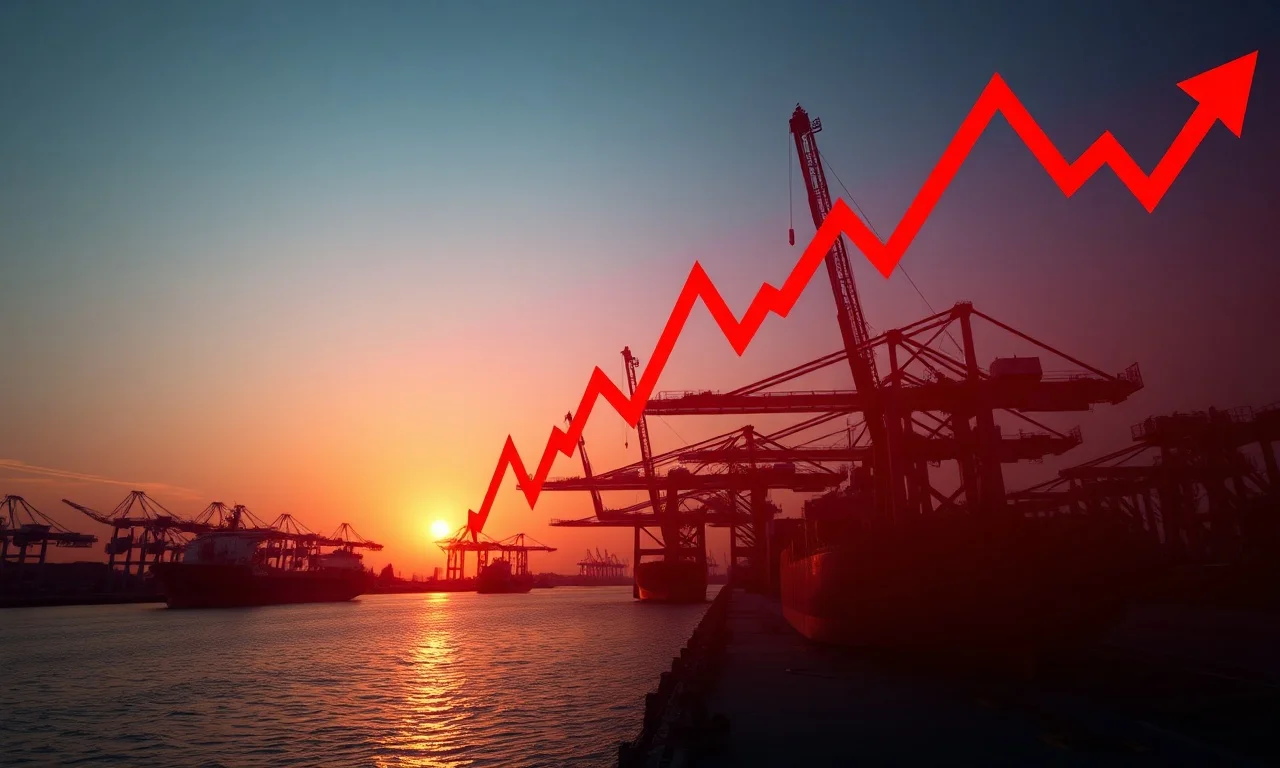
The global energy landscape is undergoing a radical shift as Europe Faces 3% Inflation Amid Iran War Oil Shock scenarios that have destabilized the Eurozone's post-pandemic recovery. This sudden surge in consumer prices has caught economists off guard, as the interconnected nature of Middle Eastern stability and European energy security once again takes center stage. The intensifying conflict has not only disrupted trade routes but has also introduced a level of volatility into the commodities market that has not been seen in decades.
- The Catalyst: Regional Conflict and Energy Markets
- Europe Faces 3% Inflation Amid Iran War Oil Shock: The Economic Drivers
- The European Central Bank’s Dilemma
- Geopolitical Realignments and Long-Term Strategy
- Consumer Impact and the Social Contract
- Conclusion
- Frequently Asked Questions
- Further Reading & Resources
The Catalyst: Regional Conflict and Energy Markets
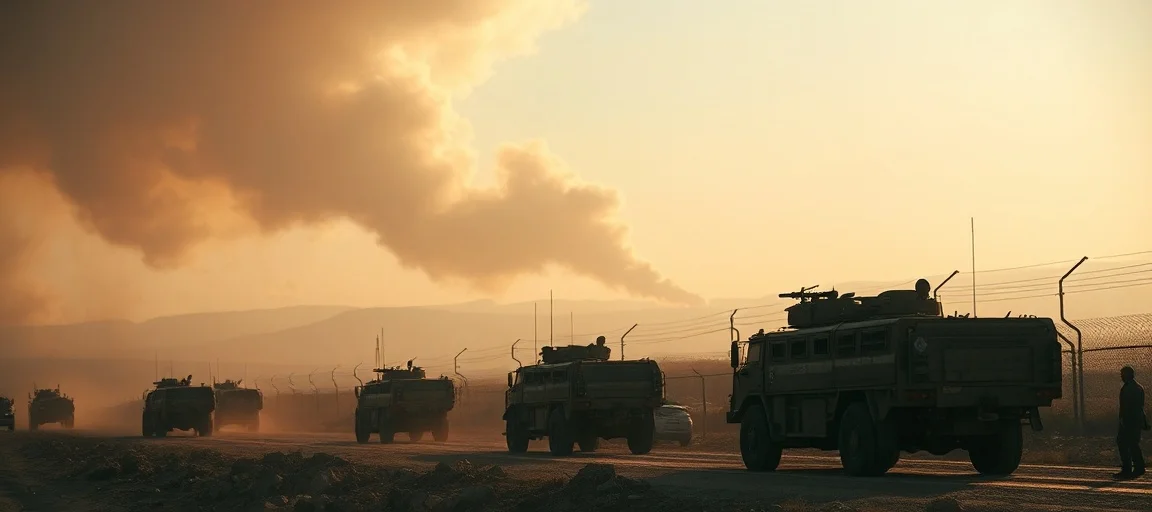
The immediate cause of the current economic turmoil is the direct escalation of hostilities between major regional powers in the Middle East. While tensions have simmered for years, the recent transition into an active war footing involving Iran has fundamentally altered the risk profile of Brent crude. For Europe, which remains heavily reliant on imported energy despite its aggressive transition toward renewables, any disruption in the Persian Gulf translates directly into higher costs at the pump and in the manufacturing plant.
The geopolitical landscape was already precarious following the shifts in energy procurement after the 2022 Russian invasion of Ukraine. Europe had pivoted significantly toward alternative sources, but the Iranian war has targeted the very heart of global oil production and transit. The threat to the Strait of Hormuz, through which approximately one-fifth of the world's total oil consumption passes, has added a "war premium" to every barrel of oil traded on the international market.
Disruptions in the Strait of Hormuz
The Strait of Hormuz remains the single most important chokepoint for the global oil industry. Here is why the current conflict is so damaging:
- Transit Volume: Roughly 20 million barrels of oil per day pass through this narrow waterway. Any blockade or threat of naval skirmishes leads to immediate insurance premium hikes for tankers.
- Infrastructure Targets: Recent strikes on processing facilities have reduced the spare capacity that typically acts as a buffer during supply shocks.
- Logistical Re-routing: Tankers forced to take longer routes around the Cape of Good Hope face higher fuel costs and longer delivery times, further inflating the landed price of energy in Europe.
Europe Faces 3% Inflation Amid Iran War Oil Shock: The Economic Drivers
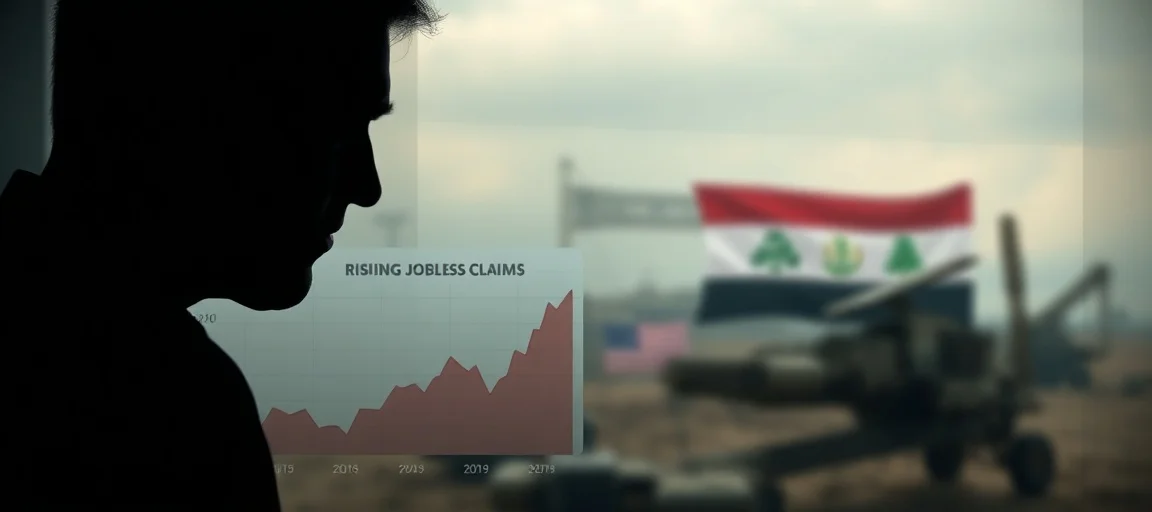
As the headline suggests, Europe Faces 3% Inflation Amid Iran War Oil Shock, a figure that represents a significant departure from the European Central Bank's (ECB) 2% stability target. This 3% mark is not just a dry statistic; it represents a tangible decrease in the purchasing power of the average European household. The mechanics of this inflation are multifaceted, involving both direct energy costs and "second-round" effects where the price of energy leeches into the cost of every other consumer good.
When oil prices rise, the cost of transporting goods increases. Whether it is oranges from Spain or microchips from Germany, the logistics chain is fueled by petroleum-based products. When these costs rise, retailers rarely absorb the difference; they pass it on to the consumer. This is why we are seeing a spike not just in utility bills, but in grocery stores and service sectors across the continent.
Sectoral Breakdown of Inflationary Pressure:
- Transport and Logistics: The most immediate hit is felt by logistics firms. With diesel and jet fuel prices soaring, the cost of shipping containers and air freight has increased by nearly 15% in just two months.
- Manufacturing: German and Italian industrial hubs, which rely on heavy energy consumption for steel, chemical, and automotive production, are seeing their margins evaporate.
- Agriculture: Modern farming is energy-intensive. From the petroleum-based fertilizers to the fuel needed for tractors and harvesting equipment, the "oil shock" is directly contributing to food price inflation.
The European Central Bank’s Dilemma
The European Central Bank now finds itself in a classic "stagflationary" trap. Typically, when inflation rises, a central bank raises interest rates to cool the economy. However, the current inflation is not caused by an overheating economy or "excessive" consumer spending; it is a supply-side shock caused by war.
Raising interest rates in this environment risks crushing economic growth while doing little to lower the price of oil, which is dictated by geopolitical events in the Middle East rather than European interest rates. President Christine Lagarde has hinted that the bank may need to remain "flexible," but the pressure to protect the Euro's value remains paramount.
Monetary Policy Tools in a Crisis
The ECB has several levers it can pull, though each comes with significant risks:
- Interest Rate Adjustments: While effective against demand-pull inflation, raising rates now could trigger a recession in debt-heavy nations like Italy and Greece.
- Emergency Liquidity Programs: The bank could restart asset purchases to stabilize bond markets, but this runs the risk of further devaluing the Euro against the US Dollar, making oil—which is priced in dollars—even more expensive.
- Targeted Refinancing Operations: By providing cheap loans to banks specifically for green energy projects, the ECB hopes to accelerate the transition away from the very oil that is causing the current crisis.
Geopolitical Realignments and Long-Term Strategy
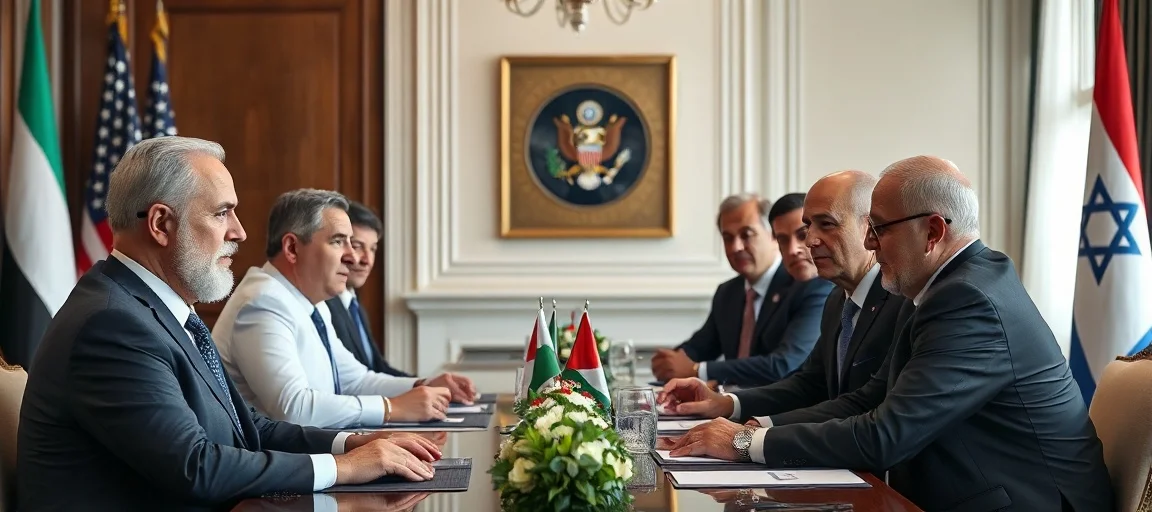
The Iran war oil shock is forcing a permanent realignment of European foreign policy. For decades, the European Union has attempted to maintain a delicate balance between its security alliance with the United States and its need for stable energy imports from the Middle East. That era of neutrality is effectively over.
Europe is now looking toward the Eastern Mediterranean and North Africa for more stable, long-term energy partnerships. There is also a renewed urgency behind the "European Green Deal." If the continent can decouple its heating and transport sectors from the global oil market, it can insulate its citizens from the whims of regional despots and the volatility of war-torn regions.
The Role of Renewables as Security
In the current context, solar and wind power are no longer just environmental goals; they are national security imperatives. Every gigawatt of renewable energy generated within Europe is a gigawatt that does not have to be purchased at inflated prices from a volatile global market.
Current Energy Pivot Strategies:
- Hydrogen Scaling: Investing in green hydrogen infrastructure to replace industrial gas consumption.
- Nuclear Re-evaluation: Countries like France are doubling down on nuclear energy, while even Germany is debating the return of its decommissioned plants to provide a stable baseload.
- LNG Infrastructure: The rapid construction of floating storage and regasification units (FSRUs) to bring in liquefied natural gas from the United States and Qatar.
Consumer Impact and the Social Contract
Beyond the macroeconomics, the social impact of 3% inflation is profound. In many European cities, the cost of living has become the primary political issue. Governments are being forced to choose between fiscal responsibility and providing massive subsidies to shield their populations from the oil shock.
In France and the UK, we have already seen how energy prices can lead to civil unrest. The "Yellow Vest" movement of the past serves as a stark reminder of what happens when the working class feels the brunt of energy policy. Today, with 3% inflation, the risk of social fragmentation is high, as the gap between those who can afford the shock and those living on the edge continues to widen.
Conclusion
The reality that Europe Faces 3% Inflation Amid Iran War Oil Shock serves as a wake-up call for the global community. It highlights the extreme vulnerability of our current globalized energy model and the speed at which geopolitical conflict can erode years of economic progress. While the ECB and national governments are working feverishly to contain the damage, the ultimate solution lies in a combination of diplomatic resolution in the Middle East and an accelerated transition to energy independence within Europe. Until then, the shadow of the Iran war will continue to loom over the European economy, reminding us that in the modern world, a conflict in one corner of the globe can change the price of bread in another.
Frequently Asked Questions
Q: Why is Europe seeing a sudden spike in inflation?
A: Inflation is surging primarily due to supply chain disruptions and the rapid increase in crude oil prices following the start of active military hostilities in the Middle East involving Iran.
Q: What does the 3% inflation rate mean for the average consumer?
A: A 3% inflation rate means that the cost of living is rising faster than the ECB's target, leading to higher prices for household essentials, transportation, and heating across the Eurozone.
Q: Can the European Central Bank stop the oil-driven price surge?
A: While the ECB can use interest rates to manage domestic demand, it has limited power over global oil prices. The solution likely requires a mix of geopolitical stability and long-term energy diversification.