US-Venezuela Flights Resume, Sign of Thaw in Relations
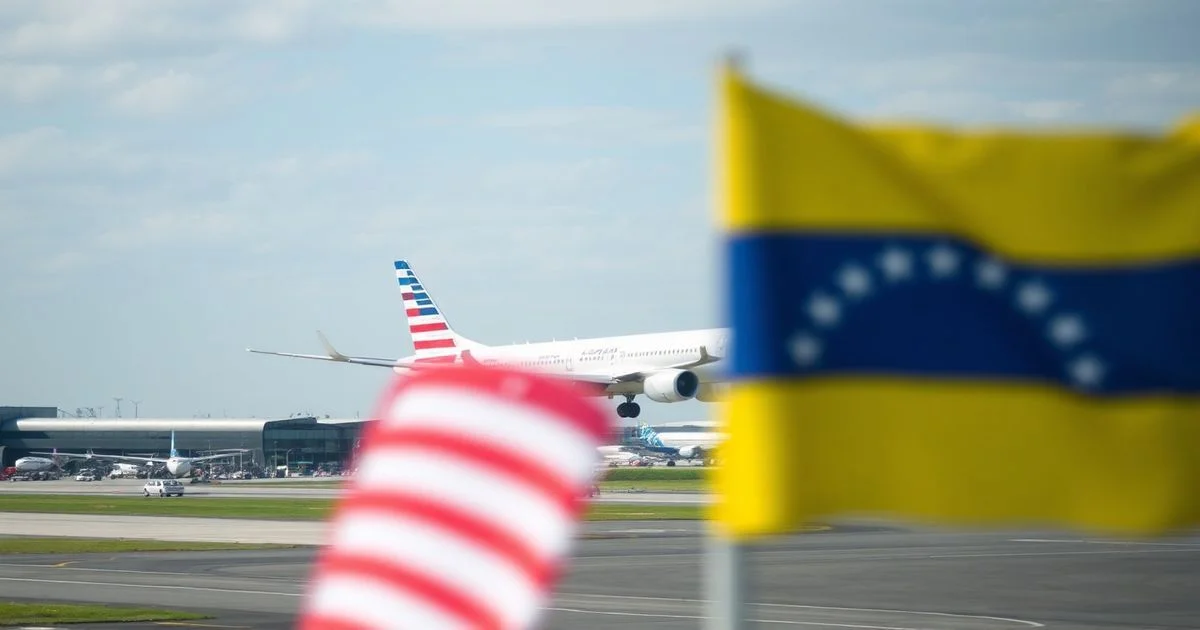
The United States and Venezuela have announced the resumption of direct flights between the two countries, marking a significant thaw in relations. This welcome development for both nations could pave the way for further cooperation and improved diplomatic ties. The move comes after years of strained relations, which were exacerbated by the US imposing economic sanctions on Venezuela in 2017.
- Background Context of US-Venezuela Relations
- Reasons Behind the Thaw in US-Venezuela Flights Resume
- Key Details of Flight Resumption
- Expert Opinion on the Developments
- Broader Impact of Resumed Flights
- Future Outlook: Navigating the Thaw
- Conclusion
- Frequently Asked Questions
- Further Reading & Resources
Background Context of US-Venezuela Relations
The relationship between the US and Venezuela has been tumultuous for decades, escalating particularly after Hugo Chávez came to power in 1999 and subsequently under his successor, Nicolás Maduro. The United States began imposing targeted sanctions on Venezuelan officials in 2015, citing human rights abuses and anti-democratic actions. These measures significantly broadened in 2017, when the US implemented extensive economic sanctions on Venezuela’s state-owned oil company, PDVSA, and eventually a full embargo on oil exports, aiming to pressure the Maduro government towards democratic reforms.
These sanctions, coupled with years of mismanagement and corruption, plunged Venezuela into an unprecedented economic crisis. The country experienced hyperinflation reaching millions of percent, severe shortages of food, medicine, and basic goods, and a dramatic decline in oil production, once the backbone of its economy. This led to a massive humanitarian crisis, prompting over seven million Venezuelans to flee the country, making it one of the largest displacement crises in the world. The US also recognized opposition leader Juan Guaidó as the legitimate interim president, further deepening the diplomatic rift and cutting off direct bilateral communication channels for several years. The economic hardships profoundly impacted the daily lives of Venezuelans, making international travel and access to essential services abroad incredibly difficult.
Reasons Behind the Thaw in US-Venezuela Flights Resume
The decision to resume direct flights is not an isolated event but rather the culmination of various diplomatic, humanitarian, and geopolitical pressures.
Diplomatic Efforts and Secret Engagements
Behind the public rhetoric, both nations have engaged in discreet, often indirect, diplomatic efforts over the past few years. These discussions have frequently been facilitated by third-party mediators, such as Norway, and have sometimes taken place in neutral venues like Mexico City. Initial overtures were reportedly made in response to specific humanitarian concerns or, at times, to secure the release of US citizens detained in Venezuela. These back-channel communications gradually laid the groundwork for more substantial discussions regarding the easing of tensions and exploration of potential areas of cooperation, even amidst ongoing political disagreements. The resumption of flights represents a tangible, albeit cautious, outcome of these prolonged and sensitive negotiations.
Humanitarian Considerations
A significant driver for renewed engagement has been the dire humanitarian situation in Venezuela. The vast Venezuelan diaspora in the United States has consistently advocated for policies that would allow for family reunification, easier access to medical care, and the ability to send remittances more efficiently. The previous lack of direct flights severely complicated travel for medical emergencies, educational pursuits, and even simple family visits, adding another layer of suffering to an already burdened populace. By re-establishing direct air links, the US government can alleviate some of these pressures, addressing a pressing concern for a significant portion of the Venezuelan-American community and those with family ties.
Evolving Geopolitical and Economic Shifts
Beyond humanitarian factors, global geopolitical shifts have played a crucial role. The conflict in Ukraine, for instance, dramatically altered the global energy landscape, leading to increased oil prices and a renewed focus on energy security for the United States and its allies. Venezuela, possessing the world's largest proven oil reserves, naturally re-emerged as a potential, albeit controversial, source. This shift prompted the US to cautiously re-engage with the Maduro government regarding potential oil supply discussions, signaling a pragmatic adjustment in foreign policy driven by economic realities. Venezuela, on its part, desperately needs revenue, foreign investment, and access to international markets to rebuild its shattered economy, making concessions on issues like direct flights a strategic move to secure broader economic relief.
Key Details of Flight Resumption
The logistical and operational aspects of the resumed flights are designed to balance the renewed diplomatic gesture with ongoing security and regulatory concerns.
Approved Flight Routes and Airlines
Initially, direct flights are slated to operate between Miami International Airport (MIA) and Simón Bolívar International Airport (CCS) in Caracas. Major carriers, including American Airlines and Copa Airlines, are among the first to announce multiple weekly services. The selection of Miami as the primary US hub is logical, given its large Venezuelan diaspora and established connectivity to Latin America. While initially limited, there is potential for expansion to other routes and airlines should the political climate continue to improve and demand warrant it. These flights are expected to significantly reduce travel times and costs compared to previous indirect routes through third countries.
Stringent Travel Restrictions and Protocols
Despite the resumption of flights, both nations maintain stringent entry requirements. For Venezuelans traveling to the US, existing visa requirements remain in place, necessitating thorough application processes and background checks. This means that not all Venezuelans will be eligible for travel, and obtaining a US visa will continue to be a significant hurdle for many. Similarly, the flights are subject to enhanced security protocols at both departure and arrival airports, including additional passenger screening and baggage checks, reflecting the sensitive nature of the diplomatic thaw and ongoing security concerns. Travelers are advised to consult official government websites for the most up-to-date visa and entry regulations. For more insight into these geopolitical dynamics, consider reading about Geopolitical Shifts in Latin America.
Expert Opinion on the Developments
"This is a significant development in US-Venezuela relations," said Dr. Michael Shirk, a former US diplomat who served in Venezuela. "The resumption of flights is a sign that both countries are willing to engage in diplomacy and work towards improving relations. However, there are still significant challenges ahead, and it's unclear whether this thaw will lead to more substantial changes in US policy towards Venezuela. The political will on both sides will be severely tested as they navigate the complexities of trust-building after years of deep mistrust."
Broader Impact of Resumed Flights
The re-establishment of direct air travel carries multifaceted implications for both Venezuela and the United States, extending beyond mere transportation logistics.
Economic Repercussions
The resumption of flights could provide a much-needed stimulus to Venezuela's beleaguered economy. Increased air traffic can boost tourism, a sector that has been virtually nonexistent for years, and facilitate business travel, potentially leading to renewed commercial ties. More importantly, it can streamline the flow of remittances from Venezuelans abroad, a critical lifeline for many families within the country. While the immediate economic impact might be modest given the existing sanctions framework, it represents a symbolic opening that could attract future investment and trade if further sanctions relief is implemented. Understanding the broader impact of sanctions can be explored in articles like The Impact of US Sanctions on National Economies.
Diplomatic and Political Implications
On the diplomatic front, the flights signify a crucial step toward de-escalation and the re-establishment of direct communication channels. This move could build much-needed trust, fostering an environment more conducive to future negotiations on more contentious issues, such as electoral conditions, human rights, and the release of political prisoners. It also offers the US a more direct avenue for engagement with the Maduro government, potentially allowing for greater leverage and influence in advocating for democratic reforms. For Venezuela, it offers a degree of international legitimization and helps alleviate its diplomatic isolation, potentially paving the way for engagement with other international bodies and nations.
Future Outlook: Navigating the Thaw
The resumption of direct flights is undoubtedly a positive indicator, yet it marks only the beginning of a potentially long and arduous process of normalization. The road ahead is fraught with challenges, including deeply entrenched political divisions within Venezuela, the persistent issue of US sanctions, and the need for continued, consistent diplomatic engagement. Future steps might involve further prisoner exchanges, limited sanctions relief tied to specific democratic benchmarks, or even a full re-establishment of embassies. The sustainability of this thaw will depend heavily on the political will of both governments to prioritize pragmatism over entrenched ideological positions and to demonstrate measurable progress on key issues of concern. The trajectory of this evolving relationship will be a critical case study in Evolving US Foreign Policy in the 21st Century.
Conclusion
The resumption of US-Venezuela flights is a significant development in relations between the two countries, marking a thaw in ties that have been strained for years. This welcome development could pave the way for further cooperation and improved diplomatic ties. While there are still significant challenges ahead, the fact that US-Venezuela Flights Resume, Sign of Thaw in Relations is a reality is a positive step towards improving relations and addressing the complex issues that have long defined the bilateral relationship between the United States and Venezuela.
Frequently Asked Questions
Q: Why did flights resume between the US and Venezuela?
A: Flights resumed due to a combination of factors, including sustained diplomatic efforts by both nations, pressing humanitarian needs for family reunification and medical access, and shifting geopolitical realities such as global energy security concerns. Both countries recognized the mutual benefit of easing tensions.
Q: What does this mean for US-Venezuela relations moving forward?
A: The resumption signifies a crucial step toward improving diplomatic ties and opens channels for potential future cooperation. It suggests a pragmatic shift in policy for both sides, signaling a willingness to engage directly after years of estrangement and minimal official contact.
Q: Are there still travel restrictions for Venezuelans traveling to the US?
A: Yes, despite the resumed flights, strict travel restrictions remain in place. Venezuelans are still required to meet stringent US visa requirements and undergo thorough background checks, indicating that security protocols are ongoing and comprehensive.
Further Reading & Resources
- U.S. Department of the Treasury: Venezuela-Related Sanctions
- U.S. Department of State: Venezuela Country Page
- Council on Foreign Relations: U.S. Relations With Venezuela
- Wikipedia: United States–Venezuela relations
- Migration Policy Institute: Venezuelan Migrants and Refugees in Latin America and the Caribbean