US-Iran Conflict Intensifies: Hormuz Blockade Threat Looms, Oil Soars
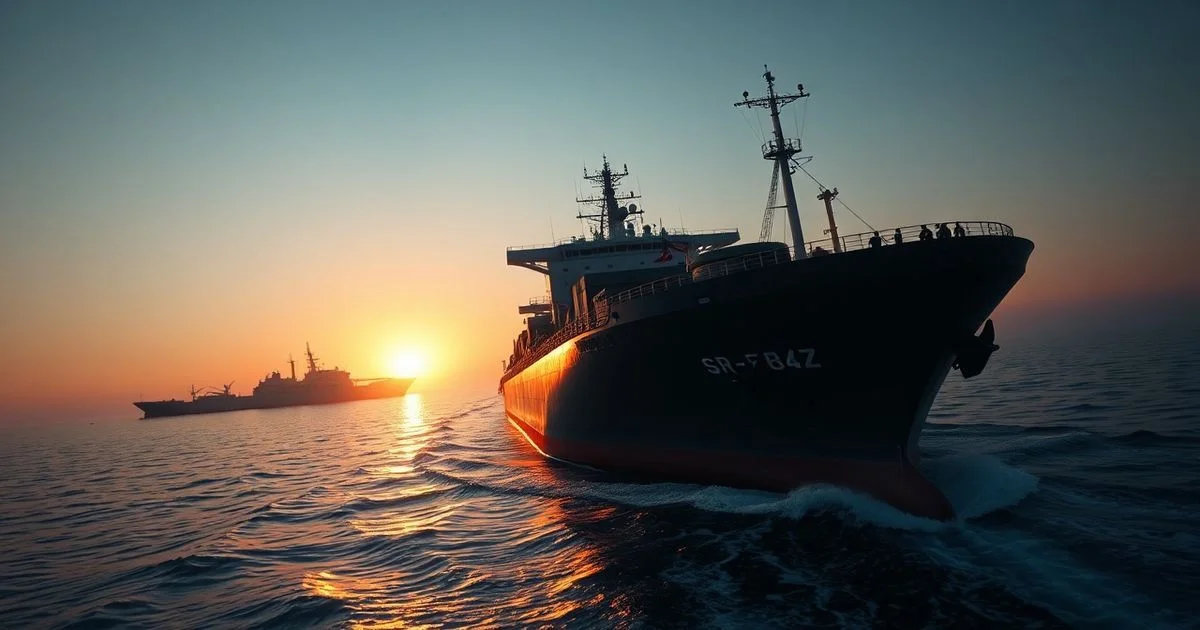
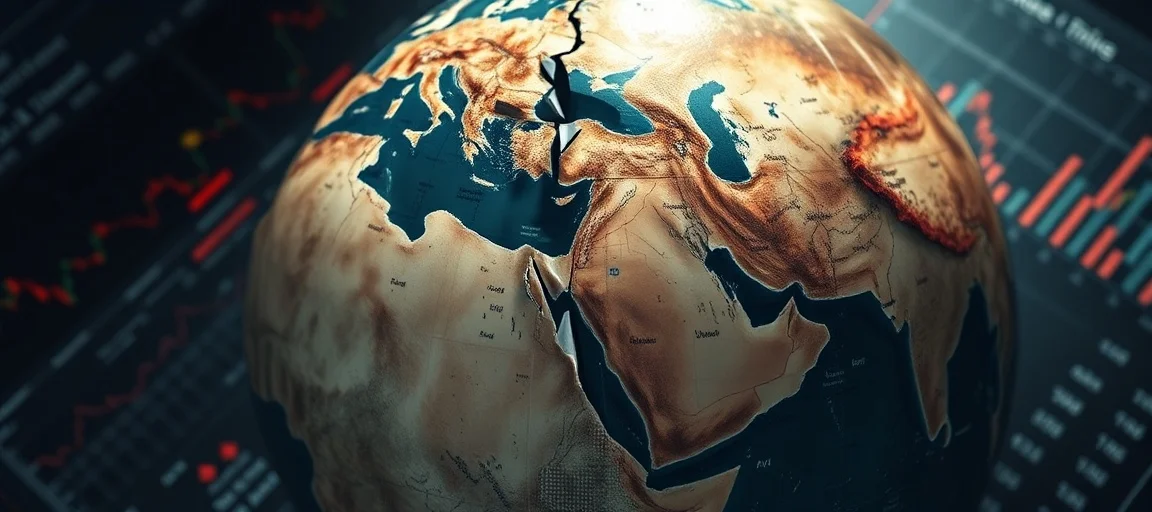
The global geopolitical landscape is once again gripped by escalating tensions as the US-Iran conflict intensifies, bringing with it renewed threats to the vital Strait of Hormuz. This critical maritime choke point, through which a significant portion of the world's oil supply transits, now faces a potential blockade, pushing global crude prices to unprecedented levels. The potential for a Hormuz blockade looms large, leading to significant concerns about energy security and broader economic stability, prompting analysts to closely monitor every development in this volatile region.
- Recent Escalations and the Strategic Importance of Hormuz
- Understanding the US-Iran Conflict Intensifies: Hormuz Blockade and Global Oil Market Impact
- International Response and Diplomatic Efforts
- The Looming Threat: What a Full Hormuz Blockade Would Mean
- Conclusion: Navigating a Volatile Future
- Frequently Asked Questions
- Further Reading & Resources
Recent Escalations and the Strategic Importance of Hormuz
Recent weeks have seen a dramatic uptick in rhetoric and military posturing between the United States and Iran, intensifying a long-standing rivalry rooted in historical grievances, Iran's nuclear program, and regional proxy conflicts. The continuous cycle of sanctions, retaliatory actions, and military exercises has kept the region on edge for decades, often leading to discussions about Middle East foreign policy. The Strait of Hormuz, a narrow waterway situated between the Persian Gulf and the Gulf of Oman, remains central to this conflict due to its unparalleled strategic importance for global oil trade. It is the sole sea passage from the Persian Gulf to the open ocean, making it an indispensable route for major oil-producing nations in the Middle East, including Saudi Arabia, Iraq, UAE, Kuwait, and Iran itself, to export their crude.
Iran's Stance and Previous Threats
Iran has repeatedly threatened to close the Strait of Hormuz in response to perceived threats or sanctions against its oil exports. These threats are not new; they have surfaced during previous periods of heightened tension, serving as a powerful, albeit risky, leverage point for Tehran. The Islamic Revolutionary Guard Corps (IRGC) has often been at the forefront of these declarations, showcasing its naval capabilities, which include a fleet of fast attack craft, minelaying capabilities, and coastal defense systems, all designed to make any passage through the strait a perilous endeavor. Any attempt to disrupt this passage would inevitably provoke a robust international response, given its implications for global energy markets and the world economy.
US Military Presence and Deterrence
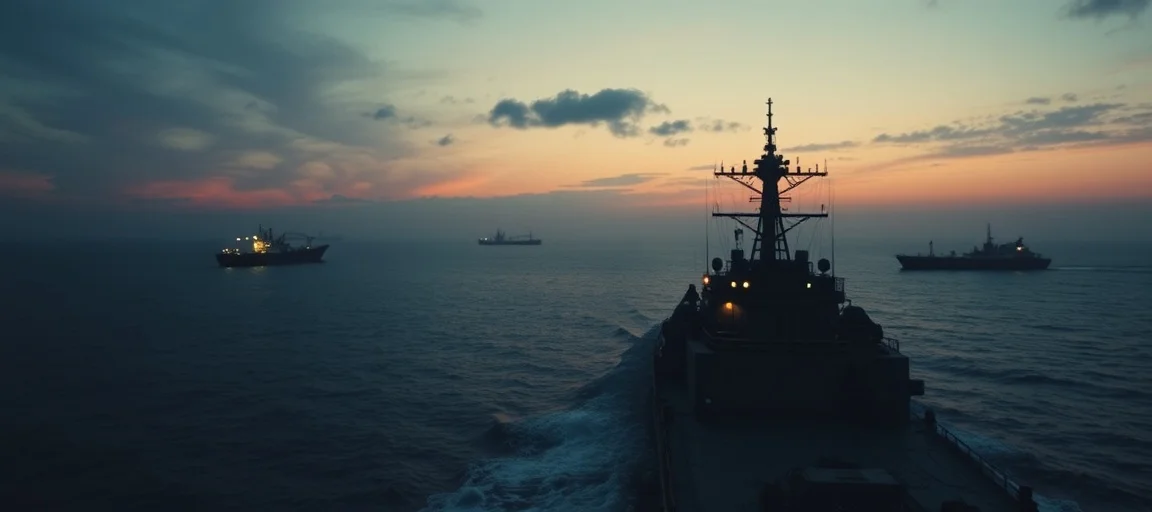
In response to these threats and the overall increase in regional instability, the United States has maintained a significant military presence in the Persian Gulf. The US Navy's Fifth Fleet, headquartered in Bahrain, regularly conducts operations and exercises in the region, aiming to ensure freedom of navigation and deter any attempts to obstruct maritime trade. This robust military posture serves as a critical component of US foreign policy in the Middle East, designed to project power and protect vital international interests. The presence of advanced naval assets, including aircraft carriers and guided-missile destroyers, underscores the gravity with which the US views the security of the Strait.
Understanding the US-Iran Conflict Intensifies: Hormuz Blockade and Global Oil Market Impact
The current spike in oil prices directly reflects the market's anxiety over potential disruptions to the supply chain emanating from the Strait of Hormuz. Even the threat of a blockade can send futures prices soaring, as traders price in the risk of supply shortages. This volatility impacts not only energy consumers but also has far-reaching consequences for global inflation, transportation costs, and industrial production.
The Strait's Role in Global Oil Supply
The Strait of Hormuz is recognized as the world's most critical oil transit chokepoint. In the first half of 2025, approximately 20.9 million barrels per day (b/d) of total oil flows, including crude oil, condensate, and refined petroleum products, transited the Strait. This volume represented about 20% of total global petroleum liquids consumption and an even higher share of globally traded liquefied natural gas (LNG). Around 25-27% of all seaborne oil trade worldwide passed through this strait, making it indispensable for major producers like Saudi Arabia, Iraq, Kuwait, the UAE, Qatar, and Iran. The vast majority, about 84% in 2024, of crude oil and condensate shipped through Hormuz was destined for Asian markets, with China, India, Japan, and South Korea being the largest importers.
Since late February 2026, the Strait of Hormuz has been largely blocked by Iran in retaliation for US and Israeli airstrikes targeting Iran and assassinating its supreme leader. This has led to a dramatic reduction in shipping traffic, with tanker traffic reportedly dropping by about 70% initially and then to near zero for some periods. The International Energy Agency (IEA) has described the blockage as the "largest disruption in history" to oil supply. Global oil supply plummeted by 10.1 million b/d to 97.1 million b/d in March 2026 due to attacks on energy infrastructure and restrictions on tanker movements through the Strait of Hormuz. This crisis has also impacted global LNG trade, with Qatar's Ras Laffan facility, one of the world's largest liquefaction facilities, being offline since early March 2026, leading to a significant reduction in LNG supplies from Qatar and the UAE.
Soaring Oil Prices and Economic Repercussions
The immediate consequence of the Hormuz disruption has been a sharp increase in global oil prices. Brent crude oil prices surpassed US126 per barrel. March 2026 saw the largest-ever monthly increase in oil prices, with Brent crude futures surging by more than 60%. This has had a cascading effect, driving even sharper increases in refined products like diesel and jet fuel, whose benchmark prices more than doubled in Asia in March. This volatility impacts not only energy consumers but also has far-reaching consequences for global inflation, transportation costs, and industrial production, similar to past global oil crises.
The IEA has warned of "demand destruction" as rising costs make fuel unaffordable for many nations, potentially leading to the sharpest decline in oil consumption since the COVID-19 pandemic. Global oil demand is now expected to contract by 80,000 b/d in 2026. The economic impact extends beyond direct energy costs, affecting transportation, manufacturing, and food security, as fertilizer supply (over 30% of global urea trade and 20% of ammonia/phosphate) is also heavily reliant on the Strait.
International Response and Diplomatic Efforts
The international community has reacted with alarm to the escalating crisis. Calls for de-escalation and the restoration of freedom of navigation in the Strait of Hormuz have been widespread. Major powers like China and Russia, heavily reliant on Middle Eastern oil, have also urged restraint and actively participate in diplomatic overtures, recognizing the severe global economic repercussions.
Ceasefire and Ongoing Negotiations
A conditional ceasefire between the United States and Iran was agreed upon around April 7-8, 2026, which also included Israel. However, negotiations aimed at a lasting peace and the full reopening of the Strait of Hormuz have been complex and have faced significant hurdles. Pakistan has mediated talks between the US and Iran, discussing issues such as freedom of navigation, Iran's nuclear and ballistic missile programs, reconstruction, and sanctions. Despite the ceasefire, almost no shipping has used the Strait, and it remains effectively closed.
US Counter-Blockade and Global Impact
Since April 13, 2026, the US has implemented a counter-blockade of the Strait, targeting all ships seeking to reach Iranian ports. US Central Command reported redirecting 41 vessels as part of this blockade, preventing an estimated $6 billion-plus worth of oil from reaching the Iranian regime. While Iran had initially suggested it would allow ships from "non-hostile" states, and some vessels from China, Iraq, and Pakistan have reportedly continued to use the route under diplomatic arrangements, the overall impact on shipping remains severe due to threats, mines, small ships, and high insurance costs. This "dual blockade" has further complicated efforts to normalize shipping through the crucial waterway.
The Looming Threat: What a Full Hormuz Blockade Would Mean
While a full, unequivocal military blockade by Iran, actively preventing all international shipping, would be an act of war with catastrophic global consequences, the current "de facto" closure and US counter-blockade already illustrate the devastating impact such a scenario would entail.
Energy Security and Alternative Routes
The existing alternative pipelines, such as Saudi Arabia's East-West Crude Oil Pipeline to Yanbu and the UAE's Abu Dhabi Crude Oil Pipeline to Fujairah, offer limited capacity. While these can divert some oil, their combined capacity (around 9 million b/d) is significantly less than the approximately 20 million b/d that typically transits the Strait of Hormuz. This leaves a substantial portion of Persian Gulf oil effectively "landlocked" if Hormuz is fully shut down. The IEA has highlighted that "spare production capacity can be activated to buffer the market," but this capacity is often on the wrong side of the chokepoint and cannot reach the global market. Such scenarios often prompt countries to explore strategies for energy independence.
Global Economic Fallout
Beyond immediate energy price shocks, a sustained full blockade would trigger a severe global economic recession. Industries reliant on cheap oil and gas would face soaring operational costs, leading to widespread inflation, supply chain disruptions, and potential manufacturing slowdowns. Food prices could also rise due to impacts on fertilizer supplies. The International Energy Agency's Executive Director has stated that the combined impacts amount to "the greatest threat to global energy security in history." Such a disruption would not only reshape current energy policies but also accelerate global efforts towards energy diversification and the development of alternative transit routes, fundamentally altering the geopolitical energy map for decades to come.
Humanitarian Concerns
The broader conflict, including US-Israeli strikes and Iranian retaliatory attacks, has already resulted in enormous damage, thousands of deaths, and millions displaced in the region. A UN-backed report indicated that over 1.2 million people in Lebanon are expected to face acute hunger due to the war between Israel and Hezbollah, which resumed in the context of the broader Iran conflict. Prolonged regional instability and conflict escalation directly threaten the lives and livelihoods of millions.
Conclusion: Navigating a Volatile Future
The current situation where the US-Iran conflict intensifies: Hormuz blockade, oil soars, underscores the fragility of global energy markets and the critical importance of diplomatic solutions. While a conditional ceasefire is in place, the ongoing "brinkmanship" over access to the Strait of Hormuz continues to fuel uncertainty. The International Energy Agency's warning of "demand destruction" and the record surge in oil prices illustrate the immediate economic fallout from this vital waterway's disruption.
The path forward requires sustained and earnest diplomatic engagement from all parties to de-escalate tensions, ensure freedom of navigation, and prevent a further worsening of the humanitarian and economic crises. The world watches anxiously as leaders navigate this complex geopolitical challenge, hoping for a resolution that stabilizes the region and secures global energy supplies. The implications of a prolonged or escalated confrontation in the Strait of Hormuz are too severe for the global community to ignore.
Frequently Asked Questions
Q: Why is the Strait of Hormuz so crucial?
A: It's the world's most critical oil transit chokepoint, through which about 20% of global oil and a high share of LNG passes daily. Its closure severely disrupts international energy markets and trade.
Q: How has the Hormuz blockade impacted global oil prices?
A: Even the threat of disruption has sent oil prices soaring. Brent crude surpassed 126/barrel, and monthly increases hit record highs, leading to significant economic repercussions worldwide.
Q: What is the international response to the US-Iran conflict and the blockade?
A: The international community urges de-escalation and freedom of navigation. A ceasefire exists, with ongoing diplomatic talks, but a US counter-blockade complicates shipping and global efforts.