India Cricket: The Rise of a Cricketing Powerhouse
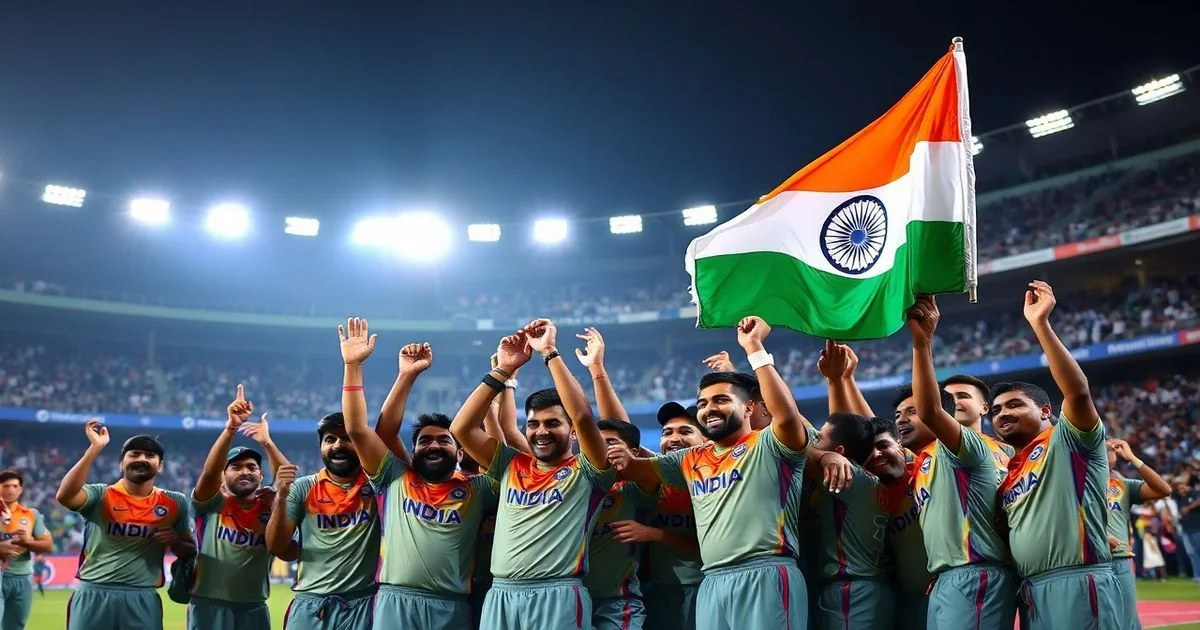
The story of India Cricket represents an incredible rise of a national passion into a global cricketing powerhouse that dictates the tempo of the international game. What began as a colonial import has transformed into a cultural phenomenon that binds over a billion people, transcending language, religion, and geography. Today, the Indian national team is not just a competitor; it is often the gravitational center of the cricketing universe, wielding immense influence both on the field and in the boardroom.
The Early Days of India Cricket
Cricket was first introduced to the Indian sub-continent by British sailors and traders in the 18th century. The first recorded match took place in 1721, but it took another century for the local population to fully embrace the sport. The Parsis in Mumbai were the first Indian community to take up the game, forming the Oriental Cricket Club in 1848. This marked the beginning of a long and storied relationship between the Indian people and the willow and leather.
India's journey into the elite circle of Test-playing nations began in 1932. Led by C.K. Nayudu, the Indian team played its first Test match at Lord’s against England. While the early years were characterized by a steep learning curve, the resilience shown by the pioneers of Indian cricket laid the foundation for future generations. It took nearly 20 years for India to record its first Test victory, which finally came against England in Madras (now Chennai) in 1952. This period was essential for establishing the domestic structure that would eventually produce world-class talent.
The domestic circuit, headlined by the Ranji Trophy, became the breeding ground for legendary cricketers. Named after Kumar Shri Ranjitsinhji, the first Indian to play international cricket (albeit for England), the tournament allowed players from diverse regions to showcase their skills. This grassroots development was the first step in turning a colonial pastime into a homegrown obsession.
The Golden Era: 1971 to 1983
The 1970s and 1980s are widely regarded as the most transformative period for India Cricket. In 1971, India achieved historic Test series wins in both the West Indies and England under the leadership of Ajit Wadekar. These victories shattered the myth of Western invincibility and instilled a new sense of confidence in the Indian dressing room. This era saw the rise of the "Spin Quartet"—Bedi, Prasanna, Chandrasekhar, and Venkataraghavan—who mesmerized batsmen worldwide with their craft.
However, the defining moment of this era was the 1983 World Cup. Entering the tournament as underdogs, the Indian team, led by the charismatic Kapil Dev, performed a miracle at Lord’s. By defeating the mighty West Indies in the final, India not only won its first world title but also changed the course of cricket history.
The impact of 1983 included:
-
Mass Participation: Millions of youngsters across the country started playing cricket, dreaming of replicating Kapil Dev's heroics.
-
Economic Shift: Sponsors began to realize the massive market potential of cricket in India.
-
Broadcasting Revolution: The demand for live televised cricket skyrocketed, leading to better coverage and higher viewership.
The Modern Era of India Cricket
The modern era of India Cricket is defined by professionalization, technological integration, and a winning mentality that extends to all formats of the game. Following the 1983 triumph, India gradually moved from being a team that fought hard to a team that expected to win. This transition was facilitated by legendary captains who brought distinct philosophies to the table.
The Leadership of Ganguly and Dhoni
Sourav Ganguly is often credited with giving the Indian team its "steel." In the early 2000s, he built a team that was unafraid of confrontation and capable of winning overseas. Under his leadership, India reached the 2003 World Cup final and discovered icons like Yuvraj Singh, Harbhajan Singh, and Virender Sehwag.
Following Ganguly, Mahendra Singh Dhoni took Indian cricket to unparalleled heights. Dhoni’s "Captain Cool" persona was the perfect foil for the high-pressure environment of international cricket. Under his guidance, India achieved a rare treble:
-
Winning the inaugural T20 World Cup in 2007.
-
Reaching the Number 1 ranking in Test cricket in 2009.
-
Winning the 50-over World Cup in 2011 on home soil.
The 2011 victory, sealed with Dhoni’s iconic six at the Wankhede Stadium, solidified India’s status as the epicenter of the sport. It was a fitting tribute to Sachin Tendulkar, the "God of Cricket," who had carried the expectations of the nation for over two decades.
The Impact of IPL on India Cricket
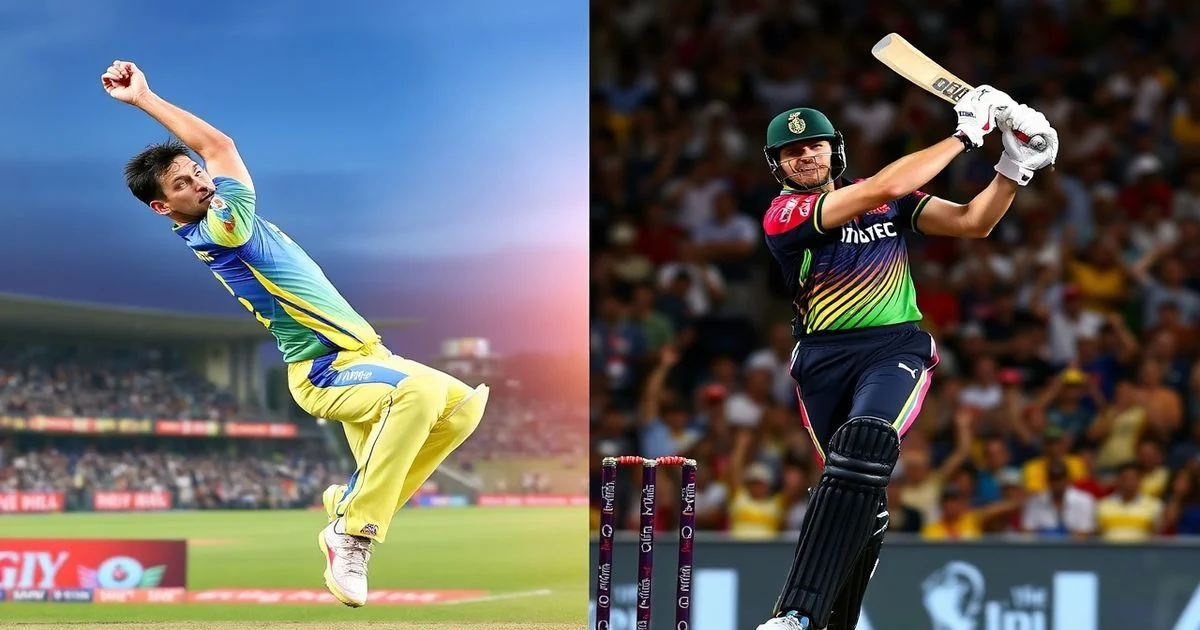
One cannot discuss the growth of the sport without mentioning the Indian Premier League (IPL). Launched in 2008, the IPL revolutionized the game by blending sports with entertainment, creating a high-octane T20 league that became the wealthiest in the world.
Key contributions of the IPL:
-
Financial Security: The league provided domestic players with life-changing contracts, ensuring that cricket became a viable full-time career for hundreds of athletes.
-
Talent Pipeline: Youngsters like Hardik Pandya, Jasprit Bumrah, and Rishabh Pant were fast-tracked to the national team after performing under the high-pressure lights of the IPL.
-
International Synergy: By playing alongside international stars, Indian cricketers improved their tactical understanding and lost the "fear factor" associated with facing foreign greats.
-
Infrastructure Growth: The massive revenue generated by the IPL allowed the BCCI to invest in world-class stadiums and state-of-the-art training facilities across the country.
Key Players and Technical Dominance
India Cricket has been blessed with an assembly line of batting geniuses and, more recently, a world-class pace battery. While the past was dominated by names like Sunil Gavaskar and Sachin Tendulkar, the present belongs to modern-day greats like Virat Kohli and Rohit Sharma.
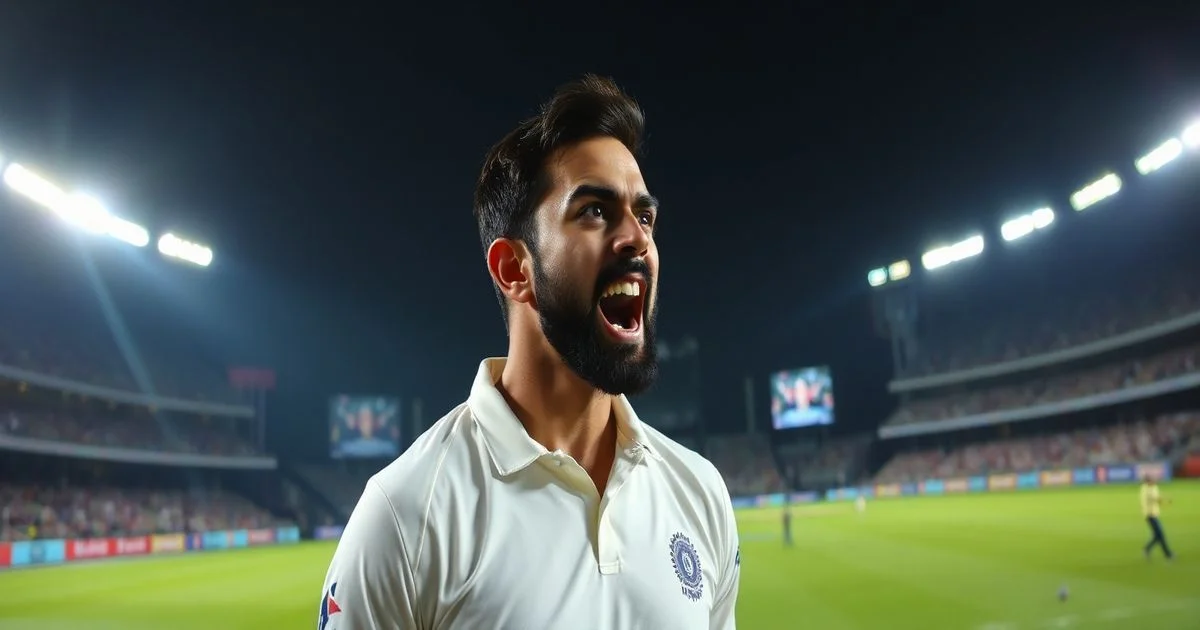
Virat Kohli’s emphasis on fitness and aggression changed the culture of the Indian team, particularly in Test cricket. His tenure saw India become a dominant force away from home, winning back-to-back Test series in Australia. Rohit Sharma, known for his elegant strokeplay and tactical brilliance, has continued this legacy, leading India with a balanced approach of aggression and calculated risk.
Furthermore, the emergence of Jasprit Bumrah has corrected a historical imbalance. For decades, India was known as a land of spinners. Bumrah, along with Mohammed Shami and Mohammed Siraj, has turned India into one of the most feared fast-bowling units in the world, capable of taking 20 wickets on any surface.
Challenges Facing India Cricket
Despite its dominance, India Cricket is not without its hurdles. The heavy schedule, driven by the demands of three formats and the IPL, has led to concerns regarding player burnout and injuries. Managing the workload of star players while maintaining the quality of domestic cricket remains a complex puzzle for the selectors and the board.
Ongoing challenges include:
-
Infrastructure Disparity: While major cities boast world-class facilities, rural areas still lack basic academies and proper playing surfaces.
-
Consistency in ICC Knockouts: Despite being a top-ranked team, India has faced a "title drought" in ICC events between 2013 and 2024, often faltering in the semi-finals or finals.
-
Maintaining the Integrity of the Game: The BCCI continues to work with anti-corruption units to ensure that the sport remains clean and free from the shadows of match-fixing that plagued the game in the late 90s.
The Future of Indian Cricket
The future of India Cricket looks incredibly promising, especially with the rapid growth of the Women's Premier League (WPL). The success of the women’s national team in recent years has spurred a new wave of interest, proving that the sport's appeal is truly universal in India. Stars like Smriti Mandhana and Harmanpreet Kaur have become household names, inspiring a new generation of girls to take up the bat.
In the men's game, the next generation is already making waves. Players like Shubman Gill, Yashasvi Jaiswal, and Shreyas Iyer represent the future of Indian batting, while a crop of young fast bowlers and wrist-spinners ensures that the bowling stocks remain replenished.
Conclusion
From its humble beginnings on the dusty maidans of Bombay to the glitz and glamour of the IPL, India Cricket has evolved into a powerhouse that defines the spirit of the modern game. The journey has been marked by historic triumphs, heartbreaking losses, and an unwavering passion from the fans. As the team continues to push boundaries and set new standards of excellence, the sport remains the heartbeat of the nation.
Whether it is the strategic depth of Test cricket or the explosive energy of T20s, the influence of India Cricket is undeniable. With a robust domestic structure, a flourishing women's game, and a relentless supply of young talent, India is well-positioned to remain at the pinnacle of the sport for decades to come.
Frequently Asked Questions
Q: When did India win its first ICC World Cup?
A: India won its first ICC World Cup in 1983 by defeating the West Indies at Lord's. The team was captained by Kapil Dev, and this victory is considered the turning point for the sport in India.
Q: Who is considered the greatest Indian batsman of all time?
A: While opinions vary, Sachin Tendulkar is widely regarded as the greatest due to his record-breaking career spanning 24 years, during which he scored 100 international centuries.
Q: What is the significance of the IPL in Indian cricket?
A: The IPL provides a massive financial boost, unearths young talent through high-pressure competition, and allows domestic players to learn from international legends, significantly raising the overall standard of the game.