India Election: Decoding the World's Largest Democratic Exercise
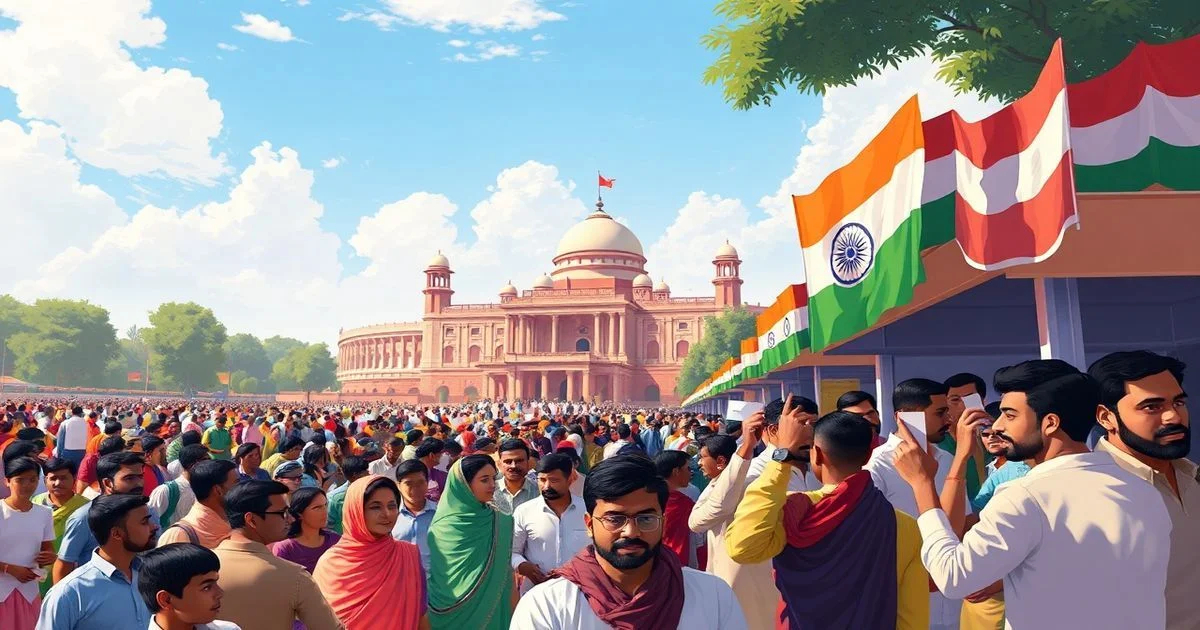
The recent India Election captivated global attention, showcasing the immense scale and vibrant spirit of the world's largest democratic exercise. With hundreds of millions of eligible voters participating across diverse landscapes, the electoral process is a monumental undertaking, involving extensive logistical planning and the deployment of vast resources to ensure a free and fair mandate. This decoding of India's electoral landscape delves into the intricacies of its system, the key players, and the significant implications of the outcomes for both national governance and international relations. It is an extraordinary testament to democratic principles in action on a scale unparalleled anywhere else on Earth.
- Understanding the Indian Electoral System
- The Mammoth Process of India Election
- Major Political Parties and Alliances
- Key Issues and Voter Concerns
- Campaign Strategies and Media Influence
- Impact of the India Election on Global Politics
- Future Outlook and Challenges for Indian Democracy
- Conclusion
- Frequently Asked Questions
- Further Reading & Resources
Understanding the Indian Electoral System
India operates under a parliamentary system of government, with a bicameral legislature consisting of the Lok Sabha (House of the People) and the Rajya Sabha (Council of States). The Lok Sabha is the lower house, and its members are directly elected by the people. A general election is held every five years, or earlier if the government loses its majority, to elect members to the Lok Sabha. The party or coalition that secures a majority of seats in the Lok Sabha forms the central government, with its leader typically becoming the Prime Minister. The Election Commission of India (ECI) is an autonomous constitutional authority responsible for administering election processes in India. Its mandate includes superintendence, direction, and control of all elections to Parliament, state legislatures, and the offices of the President and Vice President.
Role of the Election Commission of India
The Election Commission of India (ECI) plays a crucial and independent role in ensuring the integrity and fairness of the electoral process. Its responsibilities are vast, encompassing the preparation and revision of electoral rolls, the delimitation of constituencies, the recognition of political parties, and the allocation of election symbols. The ECI also enforces a Model Code of Conduct, which sets guidelines for the ethical behavior of political parties and candidates during the election period, preventing undue influence and promoting a level playing field. This strict adherence to guidelines is vital in a country with such diverse demographics and political dynamics.
First-Past-The-Post System
India employs the "first-past-the-post" (FPTP) electoral system, also known as the plurality system. In this system, each constituency elects a single representative, and the candidate who receives the highest number of votes, regardless of whether it's an absolute majority, is declared the winner. This system is relatively straightforward and tends to produce stable governments by giving a clear mandate to the winning party or coalition. However, it can also lead to situations where a party wins a significant number of seats with less than 50% of the national vote, raising questions about proportional representation.
The Mammoth Process of India Election
Conducting a general election in India is a colossal logistical undertaking, often spanning several weeks due to the sheer size of the electorate and geographical diversity. The most recent general election, held in 2024, was conducted in seven phases over several weeks, demonstrating the phased approach required to manage such an immense exercise. This multi-phase approach allows for the efficient deployment of security forces, election personnel, and electronic voting machines (EVMs) across the country.
Phases of Polling
The polling process is meticulously planned and executed in several phases. Each phase covers a specific set of constituencies, strategically chosen to optimize security and resource allocation. For example, the 2024 General Election was conducted in seven phases from April 19 to June 1, 2024. This phased approach enables the ECI to move security forces and election officials from one region to another as polling concludes, ensuring adequate security and oversight at every polling station. This also helps in managing the movement of sensitive election materials and personnel efficiently.
Electronic Voting Machines (EVMs) and Voter Verifiable Paper Audit Trail (VVPAT)
Electronic Voting Machines (EVMs) have been a cornerstone of Indian elections since their widespread introduction, aiming to enhance efficiency and transparency. They significantly reduce the time taken for polling and counting, and minimize the chances of invalid votes compared to traditional paper ballots. To further bolster voter confidence and transparency, Voter Verifiable Paper Audit Trail (VVPAT) systems are used alongside EVMs. The VVPAT allows voters to verify that their vote has been recorded correctly by printing a paper slip that shows the symbol and name of the candidate they voted for. This slip is then dropped into a sealed box, which can be used for auditing purposes in case of disputes.
Major Political Parties and Alliances
The Indian political landscape is dominated by several national parties and numerous regional parties, often forming alliances to contest elections. The two largest national parties are the Bharatiya Janata Party (BJP) and the Indian National Congress (INC).
Bharatiya Janata Party (BJP)
The Bharatiya Janata Party (BJP) emerged as a dominant force in recent Indian politics, advocating for a Hindu nationalist ideology and focusing on economic development and national security. Led by Prime Minister Narendra Modi, the party secured a clear majority in the 2014 and 2019 general elections. In the 2024 general election, the BJP won 240 seats, falling short of a singular majority but, as part of the National Democratic Alliance (NDA), secured 293 seats, which was above the 272-seat threshold needed to form a government. Its electoral success is often attributed to a strong organizational structure, effective communication strategies, and a charismatic leadership.
Indian National Congress (INC)
The Indian National Congress (INC), a historic party that played a pivotal role in India's independence movement, has traditionally been the other major political pole. While it has faced electoral setbacks in recent years, it remains a significant opposition force, advocating for secularism, social justice, and inclusive economic policies. In the 2024 general election, the Congress party won 99 seats, an increase of 47 seats from 2019, securing the official opposition status. The Congress party often forms alliances with regional parties to challenge the BJP's dominance.
Regional Parties and Alliances
Regional parties play a critical role in Indian politics, often acting as kingmakers in coalition governments. Parties like the All India Trinamool Congress (TMC) in West Bengal, the Dravida Munnetra Kazhagam (DMK) in Tamil Nadu, and the Samajwadi Party (SP) in Uttar Pradesh hold considerable influence in their respective states. These parties frequently form pre-poll or post-poll alliances, such as the National Democratic Alliance (NDA) led by the BJP and the INDIA (Indian National Developmental Inclusive Alliance) bloc, a grand alliance of opposition parties including the INC, formed to consolidate anti-BJP votes. The INDIA alliance won 234 seats in the 2024 general election, outperforming many predictions. These alliances are crucial for forming governments and shaping national policy.
Key Issues and Voter Concerns
The India Election is often fought on a myriad of issues that resonate differently across various segments of the electorate. While national narratives often dominate, regional and local concerns also play a significant role in influencing voter behavior.
Economic Development and Employment
Economic development and the promise of jobs are perennial concerns for Indian voters. High unemployment rates, especially among the youth, and issues like inflation, poverty reduction, and agricultural distress often become central to election campaigns. Political parties frequently make pledges related to economic growth, infrastructure development, and welfare schemes to address these concerns. Voters are keen to see tangible improvements in their livelihoods and economic opportunities.
Social Justice and Identity Politics
Social justice, caste-based reservations, and identity politics continue to be powerful forces in Indian elections. Parties often appeal to specific caste groups, religious minorities, and tribal communities, promising to safeguard their interests and promote their upliftment. Issues related to minority rights, secularism, and cultural identity are frequently debated and can significantly sway electoral outcomes. The interplay of various social groups forms a complex electoral matrix.
Governance and Corruption
Good governance, transparency, and the fight against corruption are also significant issues. Voters often seek assurances of efficient public services, accountability from elected representatives, and measures to curb corruption at all levels of government. Allegations of corruption against political leaders or parties can significantly impact public perception and electoral fortunes. The promise of clean and effective administration is a powerful campaign tool.
National Security and Foreign Policy
National security concerns, particularly regarding border disputes and terrorism, often feature prominently in election discourse. Parties emphasize their commitment to protecting national interests and maintaining strong defense capabilities. While foreign policy is generally the domain of the central government, parties often present their vision for India's role on the global stage, especially concerning relations with neighboring countries and major world powers.
Campaign Strategies and Media Influence
Election campaigns in India are dynamic and multifaceted, employing a mix of traditional and modern communication methods to reach the vast electorate. Political parties invest heavily in campaigning, utilizing a range of strategies to mobilize supporters and persuade undecided voters.
Public Rallies and Roadshows
Traditional public rallies and roadshows remain a cornerstone of Indian election campaigns. Top leaders travel extensively, addressing large gatherings and connecting directly with voters. These events are crucial for generating enthusiasm, conveying party messages, and showcasing the strength of political leadership. The visual spectacle of these rallies often dominates media coverage and captures public imagination.
Digital Campaigns and Social Media
In recent years, digital campaigns and social media have emerged as powerful tools for political parties. Platforms like X (formerly Twitter), Facebook, Instagram, and WhatsApp are extensively used for disseminating information, engaging with voters, and countering opposition narratives. Parties employ dedicated social media teams to manage their online presence, create viral content, and run targeted advertising campaigns. The rapid spread of information and misinformation through these channels poses both opportunities and challenges for the electoral process.
Role of Traditional Media
Television, radio, and print media continue to play a significant role in shaping public opinion. News channels provide extensive coverage of election events, debates, and analyses, while newspapers offer in-depth reporting and editorial commentary. Political advertising across these traditional media platforms is also a major component of campaign spending, aiming to reach a broad audience and reinforce party messages.
Impact of the India Election on Global Politics
The outcome of the India Election has far-reaching implications that extend beyond its borders, influencing regional stability, global economic trends, and international diplomatic relations. As a rising global power and the world's most populous nation, India's political trajectory is keenly watched by countries worldwide.
Regional Stability and South Asia
India's leadership plays a crucial role in shaping regional stability in South Asia. Its relationships with neighboring countries like Pakistan, Bangladesh, Nepal, and Sri Lanka are directly influenced by the government in power. The election outcome can impact regional cooperation initiatives, trade agreements, and efforts to address cross-border challenges like terrorism and climate change. A stable and prosperous India generally contributes to a more secure South Asian region.
Global Economic Trends
India is a major global economy, and the policies adopted by its government have significant implications for international trade, investment, and supply chains. The election results can signal continuity or shifts in economic policies, impacting foreign direct investment, market sentiment, and India's engagement with global economic blocs. A strong and growing Indian economy is vital for global economic health.
International Diplomacy and Alliances
India's foreign policy orientation and its relationships with major global powers are closely linked to its electoral outcomes. The government in power determines India's stance on multilateral issues, its participation in international forums like the G20 and BRICS, and its strategic alliances. For instance, the recent strengthening of ties with the United States and other Quad members reflects a particular foreign policy outlook. The election results can either reinforce existing diplomatic trajectories or usher in new foreign policy priorities, affecting global power dynamics.
Future Outlook and Challenges for Indian Democracy
The recent India Election, while a testament to democratic resilience, also highlights ongoing challenges and points towards future considerations for Indian democracy. The sheer scale of the electoral exercise means that continuous efforts are needed to ensure its fairness, inclusivity, and adaptability to evolving societal and technological landscapes.
Sustaining Voter Participation
Maintaining and enhancing voter participation, particularly among marginalized communities and youth, remains a key challenge. The ECI and civil society organizations constantly work to raise awareness and facilitate voter registration and participation. Future efforts will likely focus on leveraging technology to make the voting process even more accessible and engaging, while addressing any digital divides. Voter turnout in the 2024 general election was 66.1%.
Addressing Electoral Reforms
Discussions around electoral reforms are ongoing, covering aspects like campaign finance transparency, delimitation of constituencies, and the role of money and muscle power in elections. Ensuring a level playing field for all political parties and candidates, and reducing the influence of illicit funding, are critical for strengthening the democratic process. The debates surrounding simultaneous elections for state assemblies and the Lok Sabha also continue to be relevant.
Combating Misinformation and Disinformation
The rise of digital media, while offering new avenues for political communication, has also amplified the challenge of misinformation and disinformation. Political parties, media organizations, and the ECI face the continuous task of combating fake news and ensuring that voters have access to accurate information. Future elections will require robust strategies to promote media literacy and fact-checking mechanisms to safeguard the integrity of public discourse.
Evolving Political Landscape
The Indian political landscape is dynamic, with the emergence of new regional forces and shifts in established party alignments. The ability of political parties to adapt to changing voter aspirations, address contemporary issues, and foster inclusive governance will be crucial for the continued vibrancy of Indian democracy. The upcoming years will likely see further evolution in political strategies and alliances as parties vie for influence.
Conclusion
The recent India Election stands as a monumental exercise in democracy, demonstrating the nation's unwavering commitment to its constitutional values despite its vast complexities. This intricate dance of political ideologies, diverse cultures, and monumental logistics culminates in the world's largest electoral verdict. The outcomes not only shape India's domestic policies and developmental trajectory but also significantly influence its standing on the international stage, impacting global geopolitics and economic trends. Understanding the multifaceted nature of the India Election is crucial for anyone seeking to grasp the dynamics of modern democracy and the future of a rising global power.
Frequently Asked Questions
Q: What is the primary purpose of the India Election?
A: The India Election, specifically the general election, aims to elect members to the Lok Sabha (House of the People), the lower house of India's Parliament. The party or coalition with a majority then forms the central government, and its leader becomes the Prime Minister.
Q: How does India's "first-past-the-post" electoral system function?
A: India utilizes the "first-past-the-post" (FPTP) system where a candidate needs only to win the highest number of votes in a constituency to be declared the winner, not necessarily an absolute majority. This simplifies the process and generally leads to stable governments.
Q: What role did EVMs and VVPATs play in the India Election?
A: Electronic Voting Machines (EVMs) enhance polling efficiency and transparency, while Voter Verifiable Paper Audit Trail (VVPAT) systems provide a physical record for voters to confirm their vote was correctly cast. This dual system boosts confidence and allows for audit.