The SEA Games: Unifying Southeast Asia Through Sport

The Southeast Asian Games, affectionately known as the SEA Games, stand as a testament to regional camaraderie and athletic excellence. This premier multi-sport event brings together athletes from 11 nations across Southeast Asia, fostering a spirit of competition and friendship. From its humble beginnings, the Games have evolved into a grand spectacle, captivating audiences and inspiring a new generation of sports enthusiasts. This article delves into the rich history, enduring significance, and profound impact of this unifying event, highlighting its role in promoting regional cohesion and athletic development across the diverse landscapes of Southeast Asia.
A Storied History: Tracing the Origins of the SEA Games
The roots of the SEA Games can be traced back to 1959, when it was initially conceived as the Southeast Asian Peninsular Games (SEAP Games). The brainchild of Laotian delegate Luang Sukhum Naya-praphat, the SEAP Games aimed to promote cooperation, understanding, and good relations among the countries in the Southeast Asian peninsula through sporting competition. The inaugural event was held in Bangkok, Thailand, featuring over 500 athletes from six founding nations: Thailand, Burma (now Myanmar), Malaya (now Malaysia), Laos, South Vietnam, and Singapore. The event proved to be an immediate success, laying the groundwork for what would become a cornerstone of regional identity.
In 1975, the SEAP Games Federation decided to broaden its scope and admit all countries in Southeast Asia, leading to its renaming as the Southeast Asian Games in 1977. This pivotal change saw the inclusion of nations like Indonesia, the Philippines, and Brunei, further solidifying its status as a truly regional spectacle. Over the decades, the Games have continued to expand, welcoming new members and diversifying the sporting disciplines, reflecting the dynamic growth and evolving aspirations of the region. This expansion has significantly contributed to the Games' prestige and the wider recognition of Southeast Asian sporting talent, showcasing the ever-growing potential within the region's athletic community.
Recent Editions and Key Highlights
The SEA Games continues to be a biennial event, with each edition offering a unique blend of thrilling competition, cultural showcases, and memorable moments. These events not only celebrate athletic prowess but also provide a platform for host nations to display their heritage and hospitality on an international stage.
The 32nd SEA Games in Cambodia (2023)
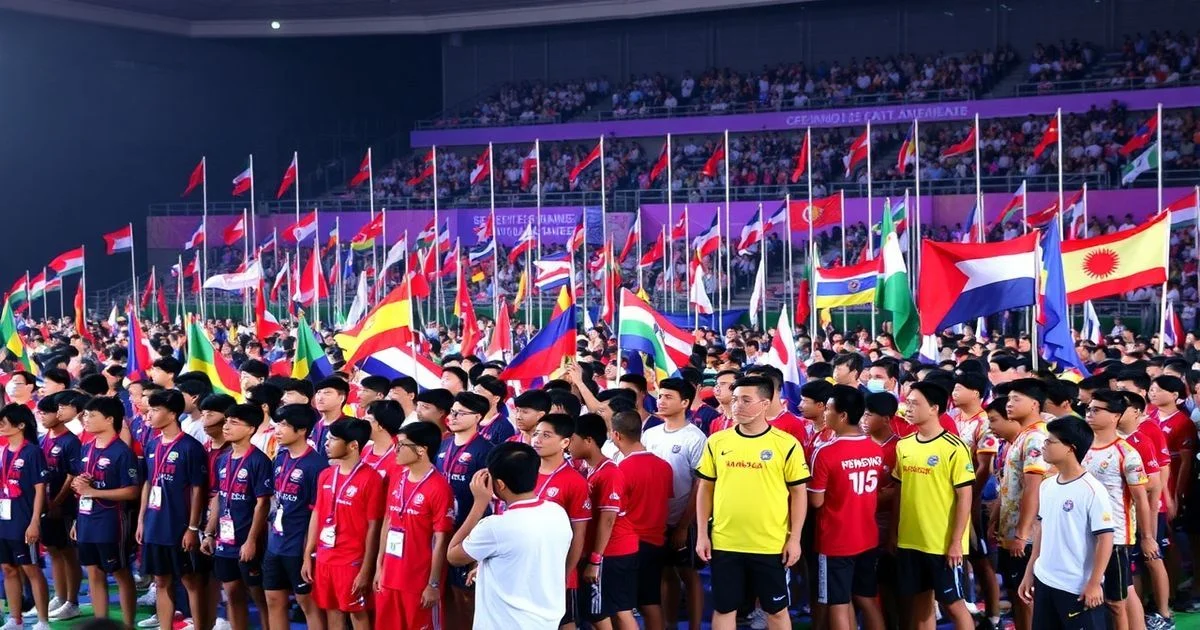
The 32nd edition of the SEA Games, held in Cambodia from May 5 to May 17, 2023, marked a historic occasion as Cambodia hosted the event for the very first time. Under the theme "Sport: Live in Peace," the Games featured 36 sports and 581 events, attracting thousands of athletes and officials from the 11 participating nations. The opening and closing ceremonies, held at the newly constructed Morodok Techo National Stadium in Phnom Penh, were spectacular affairs, showcasing Cambodia's rich cultural heritage and a commitment to modern infrastructure.
Key highlights from the 2023 Games included record-breaking performances in swimming and athletics, and the introduction of several traditional Cambodian sports as demonstration events. Vietnam emerged as the overall champion, securing 136 gold medals, followed closely by Thailand and Indonesia. The success of the 32nd SEA Games underscored Cambodia's capability to host a major international sporting event and left a lasting legacy of improved sports facilities and national pride. The Games also played a crucial role in boosting local tourism and providing a significant economic stimulus for the host nation, reinforcing Cambodia's position on the regional and international map.
Anticipating the 33rd SEA Games in Thailand (2025)
Looking ahead, Thailand is set to host the 33rd SEA Games in December 2025. This will be Thailand's seventh time hosting the multi-sport event, a testament to its strong sporting infrastructure and organizational capabilities. The primary host city will be Bangkok, with additional events potentially being held in Chonburi and Songkhla. While specific details regarding the sports program and exact dates are still being finalized, anticipation is already building for what promises to be another exciting chapter in the history of the Games. This repeated role underscores Thailand's long-standing commitment to sports development and regional cooperation, ensuring a high standard of competition and cultural celebration. Athletes are already intensifying their training, aiming to secure national pride and personal bests on this esteemed platform.
Thailand's consistent role as a host nation reflects its dedication to regional sports development and its ability to deliver world-class events. The 2025 Games are expected to further enhance regional cooperation and provide a vibrant platform for athletes to compete at their highest level. The upcoming Games will also likely feature a blend of traditional Olympic sports and regional disciplines, offering a diverse and engaging experience for both participants and spectators. The meticulous planning involved ensures a seamless experience for participants and visitors alike.
The Enduring Impact of the SEA Games
Beyond the medals and records, the SEA Games wields significant influence, serving as a powerful catalyst for regional unity, athletic development, and economic growth across Southeast Asia. Its biennial rhythm provides a consistent platform for nations to interact, compete, and celebrate shared values.
Fostering Regional Unity and Diplomacy
One of the most profound impacts of the SEA Games is its role in fostering regional unity and strengthening diplomatic ties. By bringing together athletes, officials, and spectators from diverse cultural backgrounds, the Games create a unique environment for cross-cultural exchange and understanding. The spirit of healthy competition, coupled with mutual respect and sportsmanship, transcends political boundaries, promoting a sense of shared identity among Southeast Asian nations. This collective experience reinforces the ASEAN motto, "One Vision, One Identity, One Community," illustrating how sports can be a powerful tool for peace and cooperation and providing a neutral ground for nations to connect.
The opening and closing ceremonies, often rich in cultural performances from all participating countries, further highlight the region's diversity while celebrating its unity. These moments serve as powerful reminders of the common aspirations that bind the nations of Southeast Asia, fostering a sense of camaraderie that extends beyond the sporting arenas. The friendships forged and networks built during the Games often have long-lasting positive effects on inter-state relations, contributing to broader regional stability and collaboration on various fronts.
Developing Sporting Talent and Infrastructure
The SEA Games serves as a crucial stepping stone for aspiring athletes in the region. It provides a high-level competitive environment, allowing them to test their skills against regional peers and gain valuable international experience. For many, it's a vital part of their journey towards global competitions like the Asian Games and the Olympic Games. National sports federations often use the SEA Games as a benchmark for athlete development and as an opportunity to identify promising talent for future investment. The intensity of competition at the SEA Games simulates the pressure of world-stage events, preparing athletes psychologically and physically for higher challenges.
Furthermore, the hosting of the Games often necessitates significant investment in sports infrastructure, including new stadiums, training facilities, and athlete villages. These developments leave a lasting legacy for the host nation, providing improved resources for its own athletes and communities long after the Games conclude. This infrastructural boost contributes to the overall advancement of sports in the region, encouraging greater participation and professionalization at all levels, from grassroots to elite training programs.
Economic and Tourism Boost for Host Nations
Hosting the SEA Games is a monumental undertaking that brings with it substantial economic benefits and a significant boost to tourism. The influx of thousands of athletes, officials, media personnel, and spectators generates considerable revenue for the host country through hospitality, transportation, retail, and food services. Local businesses, from small vendors to large hotels, experience a surge in demand, leading to job creation and economic stimulation. This economic activity can be particularly impactful for developing economies, providing a much-needed injection of capital and fostering growth in various sectors.
Beyond the immediate financial gains, hosting the Games offers an invaluable opportunity for the host nation to showcase itself on the international stage. The global media coverage generated by the event highlights the country's attractions, culture, and readiness to welcome international visitors. This enhanced visibility can lead to a long-term increase in tourism, attracting foreign investment, and improving the nation's overall image and brand. The lasting infrastructure improvements also often include enhancements to public transportation and urban development, benefiting citizens beyond the sporting event itself and creating sustainable growth.
Challenges and Future Outlook
While the SEA Games represents a powerful force for good in Southeast Asia, it is not without its challenges. Hosting such a large-scale event demands immense financial resources, meticulous planning, and robust infrastructure. Concerns sometimes arise regarding the sustainability of costs, particularly for smaller economies, and balancing the desire for grand spectacles with fiscal responsibility. Ensuring fair play, unbiased officiating, and managing the increasing number of sporting disciplines while maintaining quality and relevance also remain ongoing considerations for the organizers. Adapting to modern athlete welfare standards and environmental sustainability practices are also growing priorities.
Despite these hurdles, the future of the SEA Games appears bright. There is a continuous effort to evolve the Games, adapting to modern sporting trends while preserving its core mission of regional unity. Discussions often revolve around standardizing the sports program to align more closely with Olympic and Asian Games disciplines, while still allowing for the inclusion of culturally significant regional sports. The emphasis on leveraging technology for event management, broadcasting, and athlete support is also growing, promising a more efficient and engaging experience in upcoming editions. The enduring spirit of camaraderie and competition ensures that the SEA Games will continue to be a cherished and pivotal event in the Southeast Asian sporting calendar for many years to come, consistently adapting to the needs and aspirations of the region.
Conclusion
The SEA Games stands as a vibrant symbol of unity, athletic aspiration, and cultural exchange within Southeast Asia. From its modest beginnings as the SEAP Games to its current status as a major regional spectacle, it has consistently brought together diverse nations in a spirit of friendly competition. The Games not only celebrate the remarkable talents of athletes but also serve as a powerful platform for fostering diplomatic ties, developing essential sporting infrastructure, and stimulating economic growth across the region. As the Games continue to evolve, they will undoubtedly remain a crucial biennial event, reinforcing shared identities and inspiring future generations across the dynamic landscapes of Southeast Asia, a true testament to the power of sport.
Frequently Asked Questions
Q: What are the SEA Games?
A: The Southeast Asian Games (SEA Games) is a biennial multi-sport event involving participants from the 11 nations of Southeast Asia. It fosters regional camaraderie, athletic excellence, and cultural exchange among member countries.
Q: When and where was the first SEA Games held?
A: The inaugural SEA Games, then known as the Southeast Asian Peninsular Games (SEAP Games), was held in Bangkok, Thailand, in 1959. It featured over 500 athletes from six founding nations in a bid to promote regional cooperation.
Q: How do the SEA Games contribute to regional development?
A: Beyond sports, the Games significantly contribute to regional unity by strengthening diplomatic ties and promoting cross-cultural understanding. They also provide crucial platforms for developing sporting talent and infrastructure, boosting the host nation's economy and tourism.