EU's New Energy Plan for Independence: Securing Europe's Future
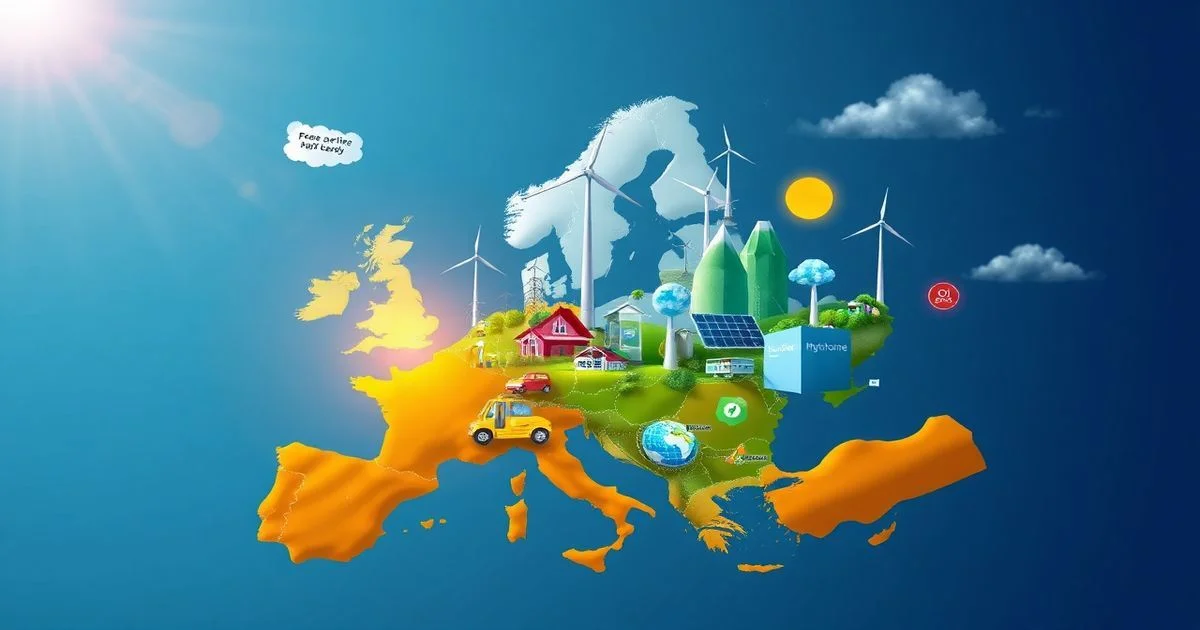
The European Union has unveiled a groundbreaking EU's New Energy Plan for Independence, a strategic blueprint designed to fundamentally reshape the continent's energy landscape and secure Europe's future. This ambitious initiative aims to drastically reduce reliance on imported fossil fuels, especially from volatile regions, and accelerate the transition towards a sustainable, domestically sourced energy mix. With global energy markets in flux and geopolitical tensions underscoring the urgency of energy autonomy, this comprehensive plan represents a critical step for the EU in bolstering its economic stability, environmental commitments, and strategic resilience. It addresses the multifaceted challenges of energy security while paving the way for a greener, more self-sufficient Europe.
- The Imperative for Energy Independence: A Shifting Global Landscape
- Pillars of the EU's New Energy Plan for Independence
- Implementation Challenges and Opportunities
- Expert Opinions and Market Reactions
- The Path Ahead: Collaboration and Innovation
- Conclusion
- Frequently Asked Questions
- Further Reading & Resources
The Imperative for Energy Independence: A Shifting Global Landscape
For decades, many European nations have relied heavily on imported fossil fuels, a dependence that has often exposed the continent to price volatility and geopolitical leverage. The recent geopolitical shifts and supply chain disruptions have starkly highlighted the vulnerabilities inherent in this reliance, particularly concerning natural gas and oil from specific external suppliers. This context has made the pursuit of energy independence not merely an economic goal but a strategic imperative. The need to diversify energy sources, enhance energy efficiency, and rapidly expand renewable energy infrastructure has become paramount for safeguarding European security and prosperity.
Historical Context of EU Energy Policy
The European Union has long pursued a path towards a more integrated and sustainable energy market. Early efforts focused on liberalizing energy markets and promoting cross-border energy trade. However, the emphasis on external energy supply, particularly from Russia, remained significant due to cost-effectiveness and existing infrastructure. While there have been continuous pushes for climate action and renewable energy targets, the immediate geopolitical pressures intensified the drive towards a complete re-evaluation of the bloc's energy strategy. Past policies, though well-intentioned, did not fully anticipate the scale of disruption seen in recent years, prompting a more aggressive and accelerated approach to energy independence.
The Immediate Catalyst for Change
The most significant catalyst for the EU's New Energy Plan for Independence was the unprecedented geopolitical events that unfolded, particularly the conflict in Ukraine. This crisis severely disrupted natural gas supplies, leading to soaring energy prices and a tangible threat to energy security across member states. The urgency to decouple from Russian fossil fuels, both as a punitive measure and a strategic necessity, became the top priority for EU policymakers. This immediate need propelled the European Commission to devise a robust and rapid response, culminating in the comprehensive energy plan. The plan seeks not only to mitigate current risks but to establish a resilient energy system for the long term.
Pillars of the EU's New Energy Plan for Independence
The comprehensive energy strategy is built upon several interconnected pillars, each designed to contribute to the overarching goal of reducing reliance on external energy sources and fostering a sustainable energy future. These pillars encompass a wide range of policy measures, investments, and regulatory frameworks.
Diversification of Energy Sources and Suppliers
A cornerstone of the plan is the aggressive diversification of energy sources and suppliers. This involves reducing reliance on any single country or region for fossil fuel imports. The EU is actively seeking new partnerships for natural gas, primarily focusing on liquefied natural gas (LNG) imports from countries like the United States, Qatar, and other reliable global producers. Furthermore, long-term contracts are being explored to ensure stable supplies, albeit with a clear understanding that these are transitional measures while renewable energy capacity rapidly expands. The strategy also includes enhancing interconnectivity within the EU to allow for more flexible energy distribution and mutual support among member states. New import terminals and pipeline infrastructure are being developed or expanded to facilitate these diversified supplies.
Accelerating Renewable Energy Deployment
The plan places an unprecedented emphasis on accelerating the deployment of renewable energy technologies. The EU has set ambitious targets to significantly increase the share of renewables in its energy mix, moving beyond previous commitments. This includes:
-
Solar Energy: Rapid expansion of rooftop solar panels on residential, commercial, and public buildings, alongside large-scale solar farms. Simplified permitting procedures and financial incentives are key tools.
-
Wind Energy: Substantial investments in both onshore and offshore wind farms. The plan recognizes the vast potential of offshore wind, which offers high capacity factors and fewer land-use constraints.
-
Bioenergy: Sustainable sourcing of biomass for energy generation, with strict criteria to ensure it does not compromise food security or biodiversity.
- Geothermal and Hydroelectric: Continued development and optimization of these established renewable sources where geographically feasible.
The accelerated deployment requires streamlining administrative processes, reducing bureaucratic hurdles, and providing substantial financial support through EU funds and national initiatives. The aim is to make renewable energy the default option for new power generation.
Enhancing Energy Efficiency and Conservation
Energy efficiency is identified as the "first fuel" in the transition towards independence. The plan outlines robust measures to reduce overall energy consumption across all sectors:
-
Building Renovation: Ambitious targets for renovating public and private buildings to improve insulation, heating, and cooling systems. This includes promoting energy-efficient appliances and smart home technologies.
-
Industrial Efficiency: Incentivizing industries to adopt more energy-efficient processes and technologies, including waste heat recovery and optimized production methods.
- Transport Sector: Promoting sustainable mobility solutions, such as electric vehicles, public transport, cycling, and walking, coupled with investments in charging infrastructure and smart urban planning.
- Public Awareness Campaigns: Launching widespread campaigns to encourage citizens and businesses to conserve energy in their daily lives, emphasizing simple yet effective actions.
These measures are projected to significantly lower energy demand, thereby reducing the need for imported fuels and easing pressure on the energy grid.
Investing in Hydrogen as a Future Energy Carrier
Green hydrogen, produced using renewable electricity, is positioned as a critical energy carrier for the future. The plan includes a comprehensive hydrogen strategy, focusing on:
- Production: Scaling up domestic production of renewable hydrogen through electrolyzers powered by wind and solar.
- Infrastructure: Developing the necessary infrastructure for hydrogen transport, storage, and distribution, including repurposing existing gas pipelines where feasible.
- Applications: Promoting the use of hydrogen in hard-to-abate sectors such as heavy industry (steel, chemicals), heavy-duty transport, and aviation, where direct electrification is challenging.
The EU aims to create a thriving European hydrogen economy, fostering innovation and creating new industrial opportunities. Partnerships with international suppliers for clean hydrogen are also being explored to supplement domestic production.
Implementation Challenges and Opportunities
The ambitious goals of the EU's New Energy Plan for Independence come with a distinct set of challenges, but also present unparalleled opportunities for economic growth, technological advancement, and environmental leadership.
Overcoming Infrastructure Hurdles
One of the most significant challenges is the sheer scale of infrastructure development required. Building new renewable energy plants, transmission grids, hydrogen pipelines, and LNG terminals demands massive investment and coordinated planning across multiple member states. Permitting processes, often lengthy and complex, need to be streamlined without compromising environmental safeguards. Ensuring grid stability with a high penetration of intermittent renewable sources also requires significant upgrades to grid infrastructure and the deployment of smart grid technologies and energy storage solutions.
Securing Public and Political Consensus
Implementing such a transformative plan requires sustained political will and broad public acceptance. While the overall goal of energy independence resonates widely, specific projects, such as new wind farms or transmission lines, can face local opposition. Effective communication, transparent decision-making, and equitable distribution of benefits are crucial to building and maintaining public support. Member states also need to align their national policies with the overarching EU strategy, which can sometimes lead to debates over national interests versus collective goals.
Economic and Financial Implications
The plan necessitates colossal financial investment, estimated to be hundreds of billions of Euros. While a significant portion will come from private investment, public funding through EU recovery funds, national budgets, and the European Investment Bank will be vital. The economic implications extend to job creation in green industries, the potential for new technological exports, and enhanced long-term economic stability due to reduced exposure to volatile fossil fuel markets. However, the initial transition costs, including energy price impacts during the build-out phase, must be carefully managed to avoid disproportionate burdens on citizens and businesses.
Geopolitical and Environmental Opportunities
Successful implementation of the plan offers immense geopolitical advantages. It will significantly enhance the EU's strategic autonomy, allowing it to pursue its foreign policy objectives with less constraint from energy dependencies. Environmentally, the accelerated shift to renewables will drastically reduce greenhouse gas emissions, positioning the EU as a global leader in climate action. This commitment strengthens the EU's credibility in international climate negotiations and fosters a cleaner, healthier environment for its citizens. Moreover, the model of collective energy security pursued by the EU could inspire similar regional initiatives worldwide, transforming global energy governance and cooperation. The economic benefits of reduced fossil fuel imports will also free up substantial capital that can be reinvested into other strategic areas, further solidifying Europe's economic resilience.
Expert Opinions and Market Reactions
The unveiling of the EU's New Energy Plan for Independence has drawn significant attention from energy experts, economists, and market analysts globally. Many commend the ambition and urgency of the strategy, while others point to the formidable challenges ahead.
"This plan marks a definitive turning point for European energy policy," stated Dr. Lena Schmidt, a leading energy security analyst at the European Policy Centre. "It acknowledges the hard realities of geopolitical energy risks and provides a comprehensive, albeit highly challenging, roadmap to true independence. The focus on rapid renewable deployment and energy efficiency is not just climate action; it's national security."
Financial markets have reacted with a mix of optimism and caution. Renewable energy stocks and green technology companies have seen increased interest, anticipating a surge in demand for their products and services. This renewed focus on green investments is spurring growth in sectors like energy storage, smart grid solutions, and advanced materials for batteries and solar panels. Conversely, traditional utilities and fossil fuel companies face increased pressure to divest from carbon-intensive assets and rapidly pivot towards sustainable alternatives, often through significant green bond issuances and partnerships with clean energy developers. Concerns remain regarding the speed of implementation, the availability of critical raw materials for renewables, and the potential for regulatory bottlenecks. Investment firms are closely monitoring the specifics of national implementation plans and the allocation of EU funds. The long-term impact on traditional fossil fuel companies operating in Europe is expected to be substantial, prompting many to accelerate their own transition strategies towards cleaner energy portfolios.
Furthermore, international partners and competing economies are observing the EU's strategy closely. The plan is seen by some as a blueprint for other regions seeking to enhance their own energy security and accelerate their decarbonization efforts. The increased demand for certain renewable technologies and raw materials could also reshape global supply chains, potentially leading to new alliances and trade agreements. For instance, discussions are already underway with countries rich in lithium and rare earth minerals, vital for battery and wind turbine production, to ensure secure and ethical supply chains. This strategic shift could also bolster the EU's technological competitiveness against other global players, fostering a new era of industrial policy centered around green technologies.
The Path Ahead: Collaboration and Innovation
Realizing the vision of the EU's New Energy Plan for Independence will require unprecedented levels of collaboration, both within the Union and with international partners. Innovation will be a critical driver, spanning technological advancements, market design, and policy frameworks.
Intra-EU Cooperation
Effective implementation hinges on strong cooperation among member states. This includes sharing best practices, coordinating infrastructure projects, and harmonizing regulatory environments. The EU's role in facilitating cross-border projects, such as electricity grids and hydrogen pipelines, will be crucial. Joint procurement mechanisms for renewable energy components or critical raw materials could also enhance efficiency and resilience. The principle of solidarity will be tested as states with varying energy mixes and economic capacities work together towards a common goal.
International Partnerships
While the plan emphasizes independence, it also acknowledges the necessity of strategic international partnerships. This extends beyond diversifying fossil fuel suppliers to collaborating on clean energy technologies, research and development in areas like hydrogen, and securing sustainable supply chains for critical minerals. Dialogues with countries rich in renewable energy resources or advanced clean technologies will be vital for fostering mutual growth and accelerating the global energy transition. The EU also aims to continue leading international efforts on climate change, leveraging its energy plan as a testament to its commitment.
Technological Advancements and Research
Continuous investment in research and development is paramount. Breakthroughs in energy storage, advanced nuclear technologies (such as small modular reactors), carbon capture and utilization, and next-generation renewable technologies will be essential for reaching net-zero emissions and ensuring a fully independent energy system. The EU aims to foster a vibrant ecosystem of innovation, supporting startups, academic research, and industrial partnerships to keep Europe at the forefront of clean energy technologies. Digitalization of the energy system, including smart grids and AI-powered energy management, will also play a crucial role in optimizing efficiency and integrating diverse energy sources.
Regulatory Framework and Market Design
The existing regulatory framework and energy market design will need to evolve to support the rapid transition. This includes policies that provide long-term certainty for investors in renewables and hydrogen, ensure fair competition, and protect vulnerable consumers. Revising electricity market rules to better reflect the value of renewable energy and flexibility, and creating robust markets for green hydrogen, are key components. The EU must ensure that its regulatory environment fosters innovation and investment, rather than hindering it.
Conclusion
The EU's New Energy Plan for Independence represents a monumental and necessary undertaking. It is a strategic response to both immediate geopolitical pressures and the long-term imperative of climate action, aiming to forge a future where Europe's energy security is domestically anchored and environmentally sustainable. While the path ahead is fraught with challenges, including significant infrastructure overhauls, substantial financial commitments, and the need for sustained political and public consensus, the potential rewards are immense. By diversifying supplies, dramatically accelerating renewable energy deployment, championing energy efficiency, and investing heavily in future technologies like hydrogen, the EU is not merely reacting to a crisis. It is proactively building a more resilient, prosperous, and sustainable future for its citizens and asserting its leadership in the global energy transition. The success of this plan will redefine Europe's role on the world stage, demonstrating the power of collective action in addressing the most complex challenges of our time.
Frequently Asked Questions
Q: What is the primary goal of the EU's New Energy Plan for Independence?
A: The plan aims to drastically reduce the EU's reliance on imported fossil fuels, especially from volatile regions, and accelerate the transition towards a sustainable, domestically sourced energy mix for greater energy autonomy and security.
Q: What are the main pillars of the EU's energy strategy?
A: The strategy is built on diversifying energy sources and suppliers, rapidly deploying renewable energy, enhancing energy efficiency and conservation, and investing in green hydrogen as a future energy carrier.
Q: How does the plan address the challenge of infrastructure development?
A: The plan necessitates massive investment in new renewable plants, grids, and hydrogen infrastructure. It aims to streamline permitting processes, upgrade grid stability with smart technologies, and coordinate planning across member states.