Mali Minister Assassinated in Coordinated Attacks Amid Escalating Crisis
Escalating Crisis in Mali: Defence Minister Assassinated
Mali's Defence Minister, Sadio Camara, has been tragically killed in a wave of coordinated attacks that swept across the West African nation on Saturday, April 25, 2026, marking a severe escalation in the country’s protracted security crisis. The Mali Minister assassinated in coordinated attacks was targeted at his residence in Kati, a heavily fortified town near the capital Bamako, in an assault attributed to an alliance of Al-Qaeda-linked militants and Tuareg separatist fighters. This devastating incident, alongside simultaneous strikes on vital military installations and cities, underscores the profound instability challenging the nation's military leadership and its broader political future. The scale and coordination of these attacks highlight a deteriorating security landscape, prompting urgent international condemnation and renewed concerns about regional stability.
- Escalating Crisis in Mali: Defence Minister Assassinated
- The Shocking Attacks and a Minister's Demise: Mali Minister Assassinated in Coordinated Attacks
- Coordinated Attacks Rock Mali's Key Cities
- Who is Behind the Escalation? JNIM and FLA Unite
- Mali's Troubled Political Landscape and Military Rule
- International Condemnation and Calls for Stability
- The Human Cost and Security Implications
- The Sahel Region: A Hotbed of Instability
- Challenges Ahead for Mali's Future
- Conclusion: A Nation Grapples with Escalating Violence
- Frequently Asked Questions
- Further Reading & Resources
The Shocking Attacks and a Minister's Demise: Mali Minister Assassinated in Coordinated Attacks
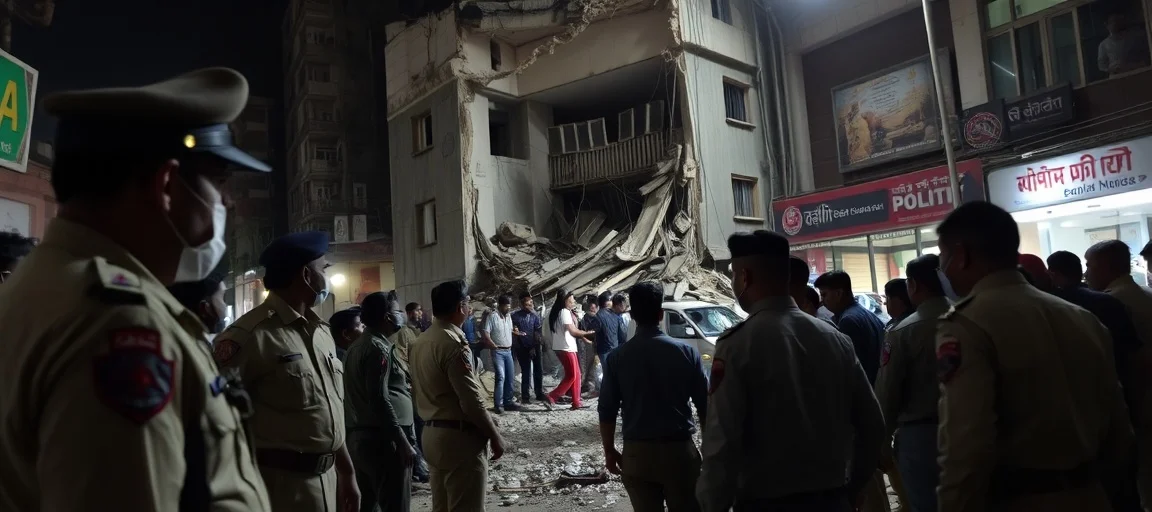
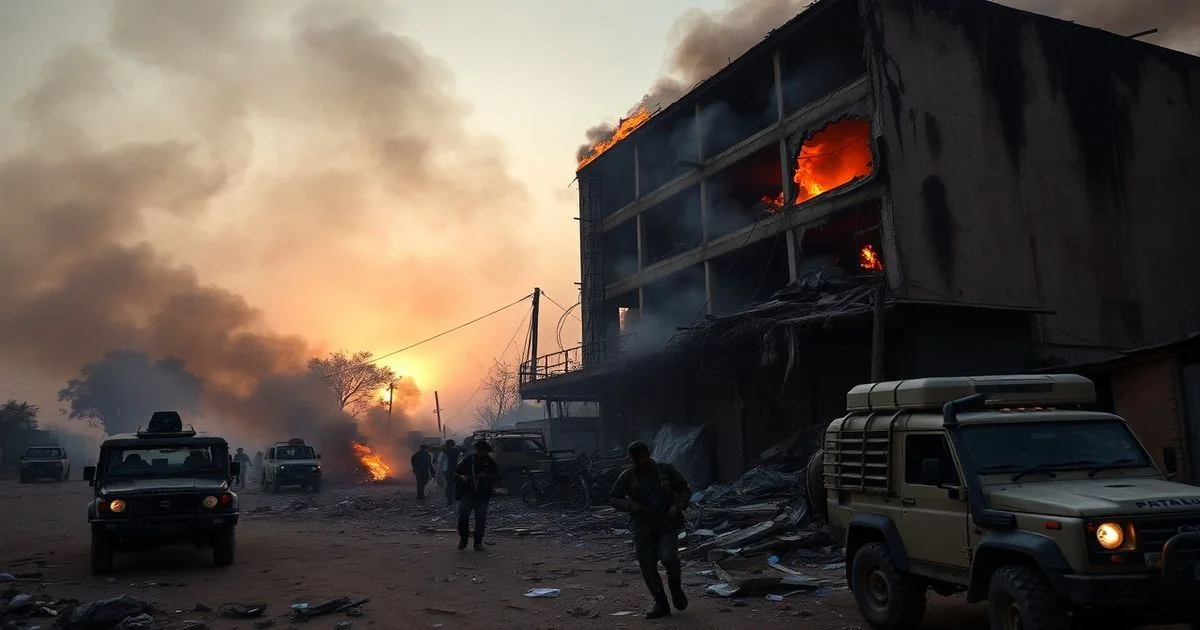
The fatal assault on Defence Minister Sadio Camara occurred on Saturday, April 25, 2026, at his home in Kati, a strategic military stronghold situated approximately 15 kilometers northwest of Bamako, the nation's capital. Reports indicate that a car bomb was used in the attack, which tragically claimed the lives of Camara, his second wife, and two of his grandchildren. This devastating act sent shockwaves through the Malian government and its security apparatus, particularly as Kati is considered one of the country's most secure locations, housing key military figures including Interim President Assimi Goita. The destruction of the minister's residence underscores the audacity and destructive capability of the perpetrators.
The targeted killing of such a high-profile figure, a central and influential personality within the ruling military leadership, signifies a significant blow to the junta that seized power in 2020 and 2021. Camara had been viewed by many as a potential future leader of Mali, making his assassination a profound loss for the country's armed forces and its political trajectory. While initial reports from some sources indicated uncertainty regarding his status immediately after the attack, his death was later confirmed by his family and various media outlets.
Coordinated Attacks Rock Mali's Key Cities
The assassination of Defence Minister Sadio Camara was not an isolated incident but part of a larger, meticulously orchestrated offensive that targeted multiple cities and military sites across Mali. On Saturday, April 25, 2026, sustained gunfire and explosions were reported in several key locations, including:
- Bamako: The capital experienced heavy gunfire and explosions near its Modibo Keita International Airport, leading to the cancellation of flights. Government buildings and major military installations in the capital were also impacted, demonstrating the widespread nature of the assault.
- Kati: Beyond the attack on the Defence Minister’s residence, Kati, which hosts a major military base, was a focal point of intense fighting.
- Northern Cities: Kidal and Gao, long-standing strongholds for various armed groups, were heavily hit, with reports of FLA fighters entering the governor of Kidal's residence and claiming control over parts of the city.
- Central Cities: Sevare and Mopti also witnessed significant violence and clashes between armed groups and Malian forces.
The Malian General Staff of the Armed Forces confirmed that unidentified armed terrorist groups had targeted various locations and barracks, with fighting continuing into Sunday. The military reported that at least 16 people, including civilians and soldiers, were injured in these widespread attacks. Roads were blocked, curfews were imposed in Bamako from 9 pm to 6 am, and residents were urged to remain indoors as security forces moved to repel the attackers. The attacks were described by analysts as one of the largest and most significant jihadist operations in years.
Who is Behind the Escalation? JNIM and FLA Unite
Responsibility for the coordinated assaults has been jointly claimed by two formidable armed groups: Jama'at Nusrat al-Islam wal-Muslimin (JNIM), an Al-Qaeda-linked militant organization, and the Azawad Liberation Front (FLA), a Tuareg-led separatist group. This alliance represents a critical and concerning development in Mali's security landscape. Previously, these groups have operated with distinct agendas, but their reported coordination signals a strategic convergence against the Malian state and its military government.
A spokesperson for the FLA, Mohamed Elmaouloud Ramadane, reportedly confirmed the joint operation, stating that "We had been working on this operation for a long time, in a well-planned manner, and in fact, in alliance with [JNIM]". JNIM also issued a statement confirming their involvement in the joint operation. This collaboration indicates a more unified and potent threat, capable of executing complex, multi-front attacks designed to disrupt the country's defense system and spread fear and chaos. The FLA also issued a warning to Russia, signaling their desire for Russia to stay out of the conflict "for stable future relations".
The alliance between these groups highlights the complex and multifaceted nature of the conflict in Mali, involving both ethno-nationalist grievances and Islamist extremist ideologies. This poses an even greater challenge to the Malian authorities, who are already grappling with multiple insurgencies.
Mali's Troubled Political Landscape and Military Rule
Mali has been plunged into a deep political and security crisis for over a decade, marked by insurgencies, coups, and widespread instability. The current military government, led by Interim President Assimi Goita, came to power through successive coups in August 2020 and May 2021. Goita and the junta pledged to prioritize and improve the country's security situation, which has been deteriorating amid the growing influence of various armed groups. However, the recent coordinated attacks, particularly the assassination of a high-ranking minister, underscore the significant challenges the military government faces in fulfilling this promise. For a deeper look into the political shifts and security challenges in West Africa.
The political turmoil has also seen Mali break ties with its former colonial power, France, and expel the United Nations peacekeeping mission (MINUSMA), which completed its withdrawal in 2023. These shifts have left Mali increasingly reliant on its own forces, now often supported by Russian-backed Africa Corps mercenaries, who have reportedly been involved in the ongoing fighting. This evolving geopolitical alignment further complicates the internal dynamics and external perceptions of Mali's struggle against extremism and separatism. The military's efforts to regain control of contested territories, such as Kidal, have been central to their strategy, but the recent assaults demonstrate the persistent and adaptive nature of the armed opposition.
International Condemnation and Calls for Stability
The international community has reacted with strong condemnation to the coordinated attacks and the assassination of Defence Minister Sadio Camara. United Nations Secretary-General Antonio Guterres expressed deep concern and strongly condemned the acts of violence, emphasizing solidarity with the Malian people and the critical need to protect civilians and civilian infrastructure. A UN spokesperson reiterated the Secretary-General's distress over reports of attacks across several locations in Mali.
Beyond the UN, other international bodies and nations have voiced their alarm:
- African Union: The Commission Chairman, Mahmoud Ali Youssouf, strongly condemned the attacks, warning of significant harm to civilian populations and reaffirming commitment to peace and security in Mali.
- Organization of Islamic Cooperation (OIC): Secretary-General Hissein Brahim Taha expressed grave concern, condemning the attacks for endangering civilian lives and threatening peace and stability.
- United States: The U.S. Embassy in Mali issued a security alert, advising American citizens to shelter in place and avoid travel to affected areas. The State Department's Bureau of African Affairs also condemned the attacks.
- Senegal: President Bassirou Diomaye Faye condemned the attacks, pledging his government's cooperation with sub-regional countries to restore peace and security.
- Turkey: The Turkish Ministry of Foreign Affairs released a statement condemning the offensives as "terrorist attacks".
These widespread condemnations highlight the global concern over Mali's escalating crisis and the potential for wider regional destabilization. The calls for an international response to violence and terrorism in the Sahel region reflect a recognition that Mali's security challenges have broader implications beyond its borders.
The Human Cost and Security Implications
The coordinated attacks have exacted a heavy human cost, extending beyond the tragic loss of Defence Minister Sadio Camara and members of his family. With at least 16 people reported injured, including both civilians and military personnel, the immediate impact of the violence is palpable. The imposition of a three-day overnight curfew in Bamako and urgent advisories for residents to remain indoors underscore the severe disruption to daily life and the pervasive atmosphere of fear.
From a security standpoint, the attacks expose significant vulnerabilities in Mali's defense infrastructure, even in supposedly secure areas like Kati. The ability of combined militant and separatist forces to launch simultaneous, multi-front assaults on key military installations and the capital demonstrates a troubling increase in their operational capacity and coordination. In response, the Malian Armed Forces have intensified search operations, raised alert levels nationwide, and reinforced checkpoints to enhance surveillance. The military claimed to have killed "several hundred" attackers, though this remains unverified. The ongoing fighting, particularly in areas like Kidal, further complicates the security landscape, with the fate of contested cities often unclear. The presence of Russian-backed Africa Corps mercenaries alongside Malian forces indicates the government's reliance on external support in its counter-insurgency efforts, a factor that itself carries geopolitical implications.
The Sahel Region: A Hotbed of Instability
Mali's internal struggles are inextricably linked to the broader instability plaguing the Sahel region. This vast, arid stretch of land south of the Sahara Desert has become a dangerous theater for a complex interplay of jihadist groups, separatist movements, and various armed militias. Groups linked to Al-Qaeda (like JNIM) and the Islamic State have significantly expanded their reach and operational capabilities across Mali, Burkina Faso, and Niger. Learn more about the drivers of instability in the Sahel.
The interconnectedness of these conflicts means that instability in one nation often spills over into its neighbors, creating a humanitarian crisis and hindering development efforts. The Sahel region is characterized by weak governance, porous borders, and intense competition for resources, which armed groups exploit to recruit, operate, and expand their influence. The withdrawal of international forces, such as the UN peacekeeping mission MINUSMA from Mali, has created security vacuums that militant groups are quick to fill, further exacerbating the challenges faced by local security forces. The recent alliance between an Al-Qaeda affiliate and Tuareg rebels in Mali exemplifies the adaptive strategies of these groups, often transcending ideological differences to achieve common tactical goals. This regional dimension necessitates a coordinated and comprehensive response that extends beyond individual national boundaries.
Challenges Ahead for Mali's Future
The assassination of Defence Minister Sadio Camara and the accompanying coordinated attacks represent a stark reminder of the immense challenges facing Mali. The path to stability and peace remains fraught with difficulties for the military government. Key among these challenges are:
- Restoring Security: The immediate priority is to re-establish security and protect civilian populations. This requires not only effective military operations but also addressing the underlying grievances that fuel recruitment into armed groups.
- Political Legitimacy: The military junta faces ongoing questions about its legitimacy and its ability to transition to civilian rule, a promise made after the 2020 and 2021 coups. Sustained insecurity could further erode public trust and international confidence.
- Humanitarian Crisis: The protracted conflict has led to a significant humanitarian crisis, with widespread displacement, food insecurity, and limited access to essential services. Protecting civilians and ensuring humanitarian access are paramount.
- Economic Development: Insecurity directly impedes economic development, exacerbating poverty and creating a vicious cycle where lack of opportunity can drive individuals towards armed groups.
- Regional Cooperation: Effective counter-terrorism and counter-insurgency efforts require robust cooperation with neighboring countries and regional bodies, a task complicated by shifting political alliances.
The future of Mali hinges on the government's capacity to navigate these complex challenges while fostering national unity and stability. The support of the international community, through diplomatic engagement, humanitarian aid, and targeted security assistance, will be crucial in assisting Mali to chart a course towards lasting peace. Explore previous analyses of Mali's path to lasting peace.
Conclusion: A Nation Grapples with Escalating Violence
The assassination of Mali's Defence Minister, Sadio Camara, in a series of highly synchronized attacks has plunged the nation into a deeper state of crisis. This latest surge in violence, orchestrated by a coalition of Al-Qaeda-linked militants and Tuareg separatists, signals a worrying escalation in Mali's prolonged struggle against instability and extremism. The Mali Minister assassinated in coordinated attacks underscores the severe threats faced by the government and its citizens, challenging the promise of improved security made by the ruling military junta. As the international community condemns these acts and calls for an urgent response, Mali faces a critical juncture. The path forward demands robust security measures, effective governance, and sustained international cooperation to address the multifaceted challenges of terrorism, separatism, and political fragility that continue to plague the nation and the broader Sahel region.
Frequently Asked Questions
Q: Who was Defence Minister Sadio Camara and what was the significance of his assassination?
A: Sadio Camara was Mali's Defence Minister and a key figure in the military junta that seized power. His assassination in Kati, a supposedly secure military stronghold, signifies a major blow to the government and highlights the audacity and capability of the attacking groups.
Q: Which groups were responsible for the coordinated attacks across Mali?
A: The coordinated attacks were jointly claimed by Jama'at Nusrat al-Islam wal-Muslimin (JNIM), an Al-Qaeda-linked militant organization, and the Azawad Liberation Front (FLA), a Tuareg separatist group. Their alliance represents a significant and concerning escalation in Mali's security landscape.
Q: What are the broader implications of these attacks for Mali and the Sahel region?
A: These attacks underscore Mali's severe security vulnerabilities and the immense challenges faced by its military government in stabilizing the country. Regionally, they highlight the persistent instability in the Sahel, fueled by an interplay of jihadist and separatist groups, raising concerns about wider destabilization across borders.