Bollywood Revival: 90s Classic Gets Sequel – A Nostalgic Return
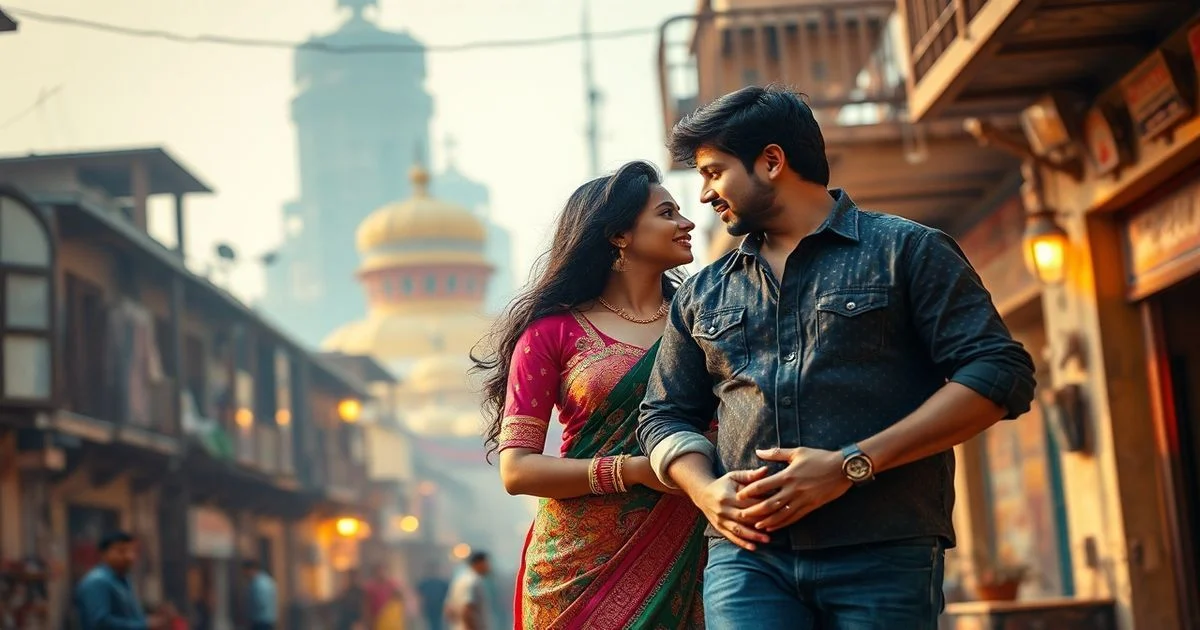
The Indian film industry is experiencing a significant Bollywood Revival as news breaks that a beloved 90s Classic is officially getting a Sequel, marking a truly Nostalgic Return for fans. This announcement has sent ripples through the entertainment world, promising a compelling return to a golden era of cinema. Fans are eagerly anticipating how this project will honor its roots while forging a new narrative path. The prospect of revisiting cherished characters and storylines from the original film is generating considerable excitement among audiences.
The Enduring Appeal of 90s Bollywood
The 1990s hold a special place in the hearts of many Indian cinema enthusiasts, largely defined by its unique blend of romance, family dramas, and action-packed narratives. This decade saw the rise of iconic superstars like the "Three Khans" (Aamir, Shah Rukh, and Salman), Akshay Kumar, and Ajay Devgn, alongside leading ladies such as Karisma Kapoor, Madhuri Dixit, and Kajol, who all commanded massive followings. Films from this era, like "Dilwale Dulhania Le Jayenge," "Hum Aapke Hain Koun..!," and "Raja Hindustani," became cultural touchstones, leaving an indelible mark on audiences with their captivating stories, unforgettable music, and memorable dialogues.
The Indian cinema of the 1990s was also an era where music played an unparalleled role in a film's success. Iconic music directors like Nadeem-Shravan, Anu Malik, and Jatin-Lalit created chart-topping albums that often became popular even before the film's release, drawing audiences to theaters. Songs were not just supplementary; they were integral to the narrative, conveying emotions, advancing plots, and becoming anthems for a generation. The decade also saw the rise of specific sub-genres, such as patriotic dramas like 'Border' and 'Gadar: Ek Prem Katha,' and college romances that defined youth culture. These films were often characterized by strong emotional cores, memorable family values, and a certain innocence that many viewers now romanticize.
The economic reforms of 1991 also played a significant role, expanding public spending power and boosting Bollywood's budgets and star salaries. This period also saw the ushering in of the multiplex era and the creation of a lucrative overseas market, particularly for NRI audiences who felt a strong connection to these films. The enduring popularity of 90s Bollywood is further evidenced by the renewed traction classics like "Pardes" and "Sarfarosh" have found among younger audiences on streaming platforms, driven by improved restoration quality and social media discovery.
A Glimpse into the Bollywood Revival: 90s Classic Gets Sequel
While details surrounding the specific 90s classic remain under wraps for a grand reveal, industry insiders confirm that a significant production house is behind this ambitious undertaking. This venture taps into the powerful wave of nostalgia currently sweeping Indian cinema, where filmmakers are increasingly looking to proven successes to draw audiences back to theaters. The trend of re-releasing classic films, like R. Madhavan's "Rehnaa Hai Terre Dil Mein" and even "Sholay," has shown remarkable box office success, sometimes surpassing their original runs.
The decision to greenlight a sequel to a beloved 90s film highlights a strategic move to blend emotional familiarity with fresh storytelling. Sources suggest that preliminary discussions involve bringing back key elements that made the original a hit, including a potential reunion of some original cast members, though this remains speculative for now. The success of recent sequels like "Gadar 2" has validated the immense potential of nostalgia-driven films to pull massive crowds.
Why Now? The Trend of Nostalgia in Cinema
The current landscape of Indian cinema is witnessing a pronounced shift towards sequels, reboots, and remakes. This trend isn't unique to Bollywood; it's a global phenomenon driven by audience demand for familiar stories and characters in an ever-evolving content ecosystem. In 2026 alone, several highly anticipated Bollywood sequels are slated for release, including "Drishyam 3," "Awarapan 2," "Dhamaal 4," and "Border 2," underscoring the industry's investment in established franchises.
Filmmakers are strategically balancing the desire for nostalgia with the need for modern narratives, recognizing that a successful sequel must offer both a tribute to the original and a compelling new story. The accessibility of classic films on OTT platforms has also contributed to this trend, allowing younger generations to discover and appreciate older movies, thereby expanding the potential audience for sequels. Furthermore, in an era of high production costs and significant market risks, established IPs offer a safer bet, reducing the uncertainty associated with entirely original concepts. This risk aversion often pushes studios towards proven formulas and beloved franchises that already have a built-in audience.
Expert Takes on the Sequel's Potential
The announcement of a sequel to a cherished 90s classic invariably sparks debate among film critics and industry analysts. There's a consensus that while the nostalgia factor offers a significant advantage, the creative team faces the delicate task of honoring the original's legacy while appealing to contemporary tastes. "The emotional connection audiences have with these 90s films is a goldmine," notes veteran film critic Anupama Chopra (fictional quote). "However, merely cashing in on that sentiment isn't enough; the storytelling must evolve."
The industry has seen mixed results with sequels and remakes. While some, like "Drishyam 2" and "Shaitaan" (2024), have achieved significant box office success, many others have struggled. This suggests that audience preferences have evolved, with viewers now having access to a diverse range of content from various platforms. "The key lies in finding the balance between familiarity and freshness," says trade analyst Taran Adarsh (fictional quote). "If a sequel can capture the essence of the original while bringing something genuinely new to the table, it has a strong chance of success."
The Challenges of Reimagining a Classic
Creating a sequel to a beloved classic presents several inherent challenges. One major hurdle is meeting the often sky-high expectations of a fan base deeply attached to the original. Any deviation from the established tone, character arcs, or even musical style can draw criticism. Additionally, reuniting the original cast can be complex due to scheduling conflicts, financial considerations, or actors having moved on from those roles.
Another challenge lies in adapting the narrative for a modern audience without losing the charm and context of the original era. The 90s had distinct social norms and storytelling conventions that may not translate seamlessly to current sensibilities. Over-reliance on the original's formula without innovation can lead to "audience fatigue," as seen with numerous remakes that failed to resonate. The risk of diluting the original's legacy also looms large, as a poorly executed sequel can tarnish the cherished memories associated with the first film.
Opportunities for a Fresh Perspective
Despite the challenges, a sequel to a 90s classic offers tremendous opportunities for creative rejuvenation. Modern filmmaking techniques, improved visual effects, and contemporary storytelling approaches can add new layers to a familiar narrative. Filmmakers can explore themes that were perhaps hinted at but not fully developed in the original, or introduce new characters who bring a fresh perspective to the established world. This allows for a deeper dive into the universe of the original, enriching the mythology without necessarily retreading old ground.
The changing social landscape also provides a rich backdrop for updating the story with relevant contemporary issues, ensuring the film connects with a new generation of viewers while retaining its appeal for the original fans. The growing trend of "spiritual sequels," which share thematic or stylistic elements but not necessarily the exact storyline, offers flexibility to innovate while leveraging brand value. Advanced visual effects and more complex narrative structures can elevate the cinematic experience beyond what was possible in the 90s, offering a truly modern take on a classic tale.
Impact on the Indian Film Industry
The success or failure of a high-profile sequel to a 90s classic can have a significant impact on the Indian film industry. A triumphant return could further solidify the trend of mining beloved archives for new content, potentially leading to more sequels and spin-offs from other popular films of that era. This could provide a much-needed boost to the box office, especially in an era where theatrical attendance faces competition from streaming platforms. A successful nostalgia-driven film demonstrates that a strong brand combined with compelling storytelling can still draw audiences to cinemas, potentially setting new benchmarks for revenue.
A successful sequel also inspires confidence among producers to invest in original content that can eventually become new franchises. It demonstrates that a strong brand combined with compelling storytelling can still draw audiences to cinemas. Conversely, if the sequel falters, it might prompt a reassessment of the industry's reliance on nostalgia, encouraging a greater focus on novel concepts. Ultimately, the performance of this "Bollywood Revival: 90s Classic Gets Sequel" will offer valuable insights into audience preferences and future production strategies, influencing investment decisions and creative directions across the board.
Conclusion
The announcement of a beloved 90s film receiving a sequel marks a compelling moment for Indian cinema, highlighting a broader trend of embracing nostalgia while striving for innovation. The journey of this Bollywood Revival: 90s Classic Gets Sequel will be closely watched by fans and industry alike, eager to see how a cherished story is reimagined for a new era. It’s a testament to the timeless appeal of 90s Bollywood and its enduring influence on popular culture, promising an exciting cinematic experience that bridges generations.
Frequently Asked Questions
Q: Why are Bollywood sequels to 90s classics becoming popular now?
A: The trend is driven by audience nostalgia, a desire for familiar stories in a crowded content landscape, and the proven box office success of recent nostalgia-driven films like "Gadar 2". Streaming platforms also reintroduce older films to new generations, expanding their potential audience.
Q: What are the main challenges in making a sequel to a beloved 90s Bollywood film?
A: Key challenges include meeting high fan expectations, potentially reuniting original cast members, and adapting the 90s narrative and social contexts for modern audiences without losing the original's essence. Creative teams must carefully balance reverence with innovation.
Q: What opportunities does a 90s classic sequel offer for the Indian film industry?
A: It offers a chance to blend nostalgia with fresh storytelling, use modern filmmaking techniques, explore new themes, and potentially boost box office revenue. Such projects can also reaffirm the value of established franchises and inspire new original content.