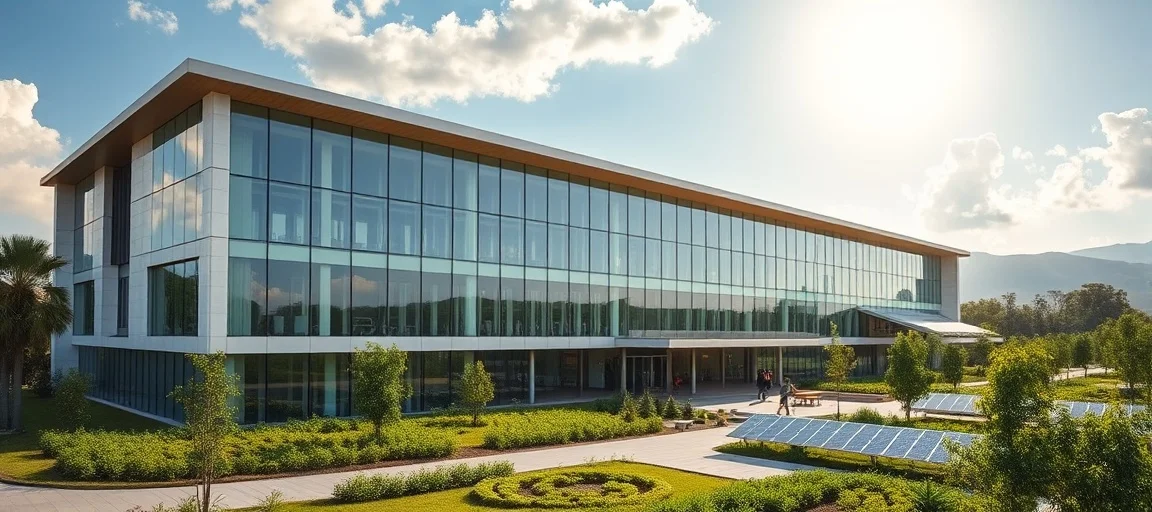
India Unveils Landmark Greenfield Refinery Complex in Rajasthan
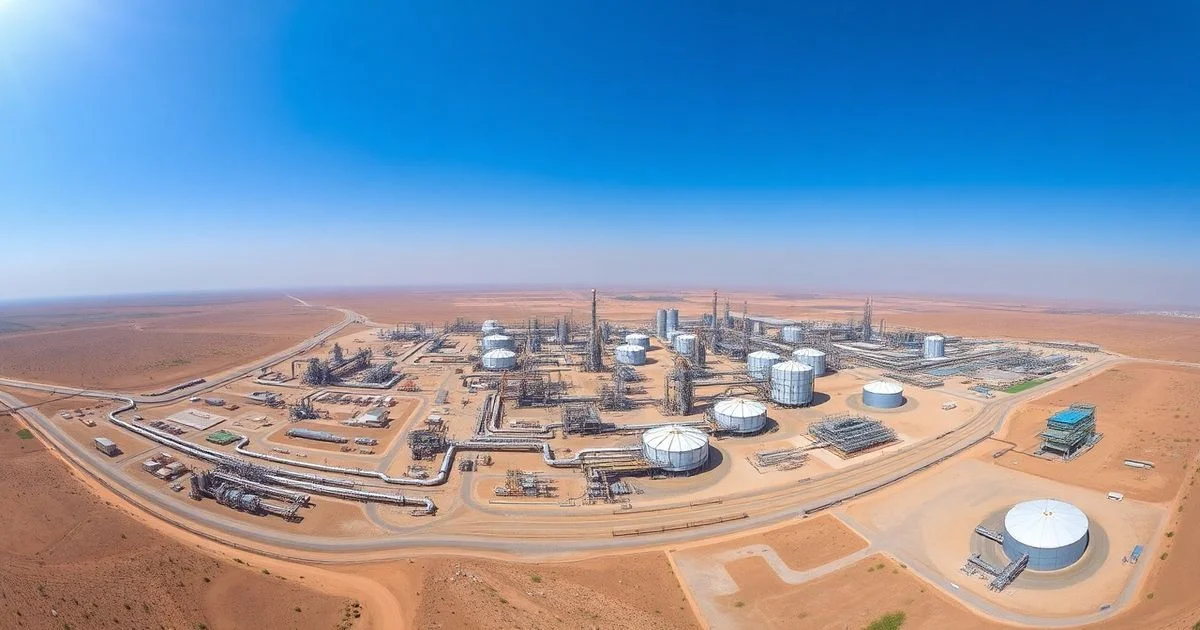
Today marks a historic turning point in India's energy landscape. The nation has officially completed and unveiled its landmark greenfield integrated refinery-cum-petrochemical complex in Pachpadra, Balotra district, Rajasthan. This monumental achievement, truly an instance where India Unveils Landmark Greenfield Refinery Complex on an unprecedented scale, was inaugurated by Prime Minister Narendra Modi. This first-of-its-kind endeavor, built entirely from the ground up, represents a significant stride towards bolstering India's energy security and achieving greater self-sufficiency in crucial petrochemical products. It is poised to reshape regional industrial development and create substantial economic opportunities for the local populace, underscoring the country's commitment to advancing its industrial capabilities and reducing dependence on foreign imports for a diverse range of petroleum derivatives.
- A New Era for India Unveils Landmark Greenfield Refinery Complex
- Operational Capacities and Advanced Technology
- Strengthening India's Energy Security
- Economic and Social Impact
- Environmental Considerations and Sustainability
- Future Outlook and Challenges
- Conclusion
- Frequently Asked Questions
- Further Reading & Resources
A New Era for India Unveils Landmark Greenfield Refinery Complex
The inauguration of the Pachpadra refinery marks a pivotal achievement in India's journey to strengthen its domestic energy infrastructure. Developed as a joint venture between Hindustan Petroleum Corporation Limited (HPCL) and the Government of Rajasthan, with HPCL holding a 74% stake and the state government owning 26%, the project involved a colossal investment exceeding ₹79,450 crore, equivalent to approximately $9.53 billion. This significant financial commitment highlights the strategic importance placed on this facility to meet India's escalating energy demands. This complex is not merely an addition to India's refining capacity but a testament to its engineering prowess and strategic foresight in a rapidly evolving global energy paradigm.
Project Genesis and Vision
The concept of a greenfield refinery, which refers to the establishment of entirely new facilities rather than expanding existing ones, allows for the incorporation of the latest technologies and design efficiencies from inception. The vision behind the Pachpadra complex was to create a state-of-the-art facility capable of processing diverse crude oil grades into high-value fuels and a broad spectrum of petrochemical products, thereby maximizing value addition domestically. The project was conceived to address both the growing demand for refined petroleum products and the increasing requirement for petrochemical feedstock within India, aligning with the nation's ambitious industrialization goals.
Strategic Location in Rajasthan
The selection of Pachpadra in Rajasthan was a strategic choice. Rajasthan, a large state in western India, benefits from a central location that facilitates distribution to major consumption centers across the country. Furthermore, the development aims to catalyze industrialization in a region that stands to gain significantly from large-scale infrastructure projects and the associated economic multiplier effects. The sprawling complex occupies approximately 4,400 acres, providing ample space for integrated operations, extensive processing units, and future expansion possibilities, thus creating a robust industrial hub.
Operational Capacities and Advanced Technology
The Pachpadra refinery is designed for high efficiency and flexibility, boasting a refining capacity of 9 Million Metric Tonnes Per Annum (MMTPA). Complementing this, its integrated petrochemical segment has a robust output capacity of 2.4 MMTPA. This dual capability allows for seamless conversion of crude oil into both essential fuels and a wide array of petrochemical derivatives within a single complex, optimizing resource utilization and minimizing waste.
Nelson Complexity Index
A key indicator of a refinery's capability is its Nelson Complexity Index, which quantifies the cost and complexity of its upgrade capabilities. The Pachpadra complex proudly features a high Nelson Complexity Index of 17.0, signifying its advanced capacity to process varied and often heavier crude grades into higher-value products with greater efficiency. This level of complexity positions the refinery among the most sophisticated globally, enabling it to adapt to fluctuations in crude oil markets and optimize its product mix for maximum profitability and market responsiveness.
Diverse Product Portfolio
The refinery is expected to produce a crucial range of petroleum products, including approximately 1 MMTPA of petrol and 4 MMTPA of diesel, catering to the country's burgeoning transportation needs. On the petrochemical front, it will manufacture 1 MMTPA of polypropylene, 0.5 MMTPA of linear low-density polyethylene (LLDPE), and 0.5 MMTPA of high-density polyethylene (HDPE). Additionally, it will produce around 0.4 MMTPA of benzene, toluene, and butadiene. These products are vital for various downstream industries, from plastics and packaging to pharmaceuticals, textiles, and paints, significantly reducing India's reliance on imports of these crucial raw materials.
Strengthening India's Energy Security
India is the world's third-largest oil consumer and heavily reliant on crude oil imports, with approximately 85-90% of its needs met through foreign sources. This dependence makes the nation vulnerable to geopolitical volatilities and global price fluctuations. The commissioning of greenfield projects like the Pachpadra refinery is a direct response to this challenge, aiming to enhance domestic refining capacity and secure a stable supply of refined products, bolstering the nation's strategic autonomy.
Reducing Import Dependency
By increasing domestic production of refined fuels and petrochemicals, the new complex will directly contribute to reducing India's import bill and strengthening its energy resilience. This move aligns with broader national strategies to diversify energy sources, secure supply chains, and build robust indigenous capabilities to meet growing demand. The ability to process heavier and more complex crude grades also provides greater flexibility in sourcing from a wider range of global suppliers, further enhancing energy security in an unpredictable global market.
Contribution to Self-Reliance
The integration of refining and petrochemical production within a single complex is key to achieving greater self-reliance. This approach allows for optimal utilization of by-products and feedstocks, creating a more efficient and less wasteful value chain that maximizes economic output from every barrel of crude. The substantial petrochemical output, in particular, will support the 'Make in India' initiative by providing essential raw materials for numerous manufacturing sectors within the country, fostering a robust domestic industrial ecosystem.
Economic and Social Impact
The commissioning of the Pachpadra refinery is expected to be a major catalyst for economic growth and social development in Rajasthan and the surrounding regions. Large-scale greenfield investments typically generate significant ripple effects across various sectors, creating a virtuous cycle of development and prosperity.
Job Creation and Skill Development
A project of this magnitude generates massive employment opportunities, both directly and indirectly. During its construction phase, such large projects involve tens of thousands of workers, and once operational, they require a highly skilled workforce for ongoing operations and maintenance. The Pachpadra complex is anticipated to benefit around 90,000 people through direct and indirect employment, contributing substantially to local livelihoods and skill development. This includes roles in engineering, operations, logistics, administration, and various ancillary services, leading to a significant uplift in regional human capital.
Industrial Cluster Development
The refinery is expected to serve as an anchor industry, fostering the development of a petrochemical and plastic park in the region. This will attract numerous downstream industries that utilize the refinery's outputs as raw materials, leading to the establishment of new manufacturing units for products like plastics, synthetic fibers, films, and various specialty chemicals. This industrial clustering effect creates a vibrant economic ecosystem, driving further investment, entrepreneurship, and job creation, thereby transforming the local economy.
Infrastructure Enhancement
The establishment of a large industrial complex often necessitates significant upgrades in regional infrastructure, including the development of new roads and highways, enhancement of power supply networks, efficient water resource management systems, and improved housing and social amenities. These developments benefit not only the project itself but also the local communities, improving overall living standards, connectivity, and access to essential services. Such infrastructure enhancements are crucial for sustained regional economic vitality and future growth.
Environmental Considerations and Sustainability
As India expands its industrial footprint, environmental sustainability remains a critical concern, especially for large-scale projects like refineries. Greenfield projects offer the distinct advantage of incorporating modern environmental technologies from the design stage, enabling a proactive approach to ecological stewardship.
Adherence to Regulations and Best Practices
Indian environmental regulations for industrial projects are robust and continuously evolving, requiring prior environmental clearance and ongoing compliance with stringent pollution control norms. Developers must obtain consent from the Ministry of Environment, Forest and Climate Change (MoEFCC), and various State Pollution Control Boards, which set strict limits on air and water emissions. The Pachpadra complex is expected to adhere to international best practices, employing state-of-the-art effluent treatment plants (ETPs) for wastewater, advanced flue gas desulfurization (FGD) units to control sulfur dioxide emissions, and sophisticated process controls to minimize its overall ecological footprint. Furthermore, initiatives for green belt development around the complex will help mitigate particulate matter and improve local air quality.
Mitigating Environmental Impact
Refineries are often associated with air and water pollution if not properly managed. Modern greenfield refineries like Pachpadra are designed with advanced process control systems, highly efficient sulfur recovery units (SRUs) to convert hydrogen sulfide into elemental sulfur, and tall stacks for better dispersion of flue gases to minimize air quality impact on surrounding areas. Efforts are also heavily focused on maximizing the reuse and recycling of treated effluent water, aiming for a near-zero liquid discharge status wherever technically feasible. However, continuous monitoring, transparent reporting, and robust public engagement are crucial to address community concerns and ensure the long-term environmental integrity of the region.
Balancing Growth and Green Initiatives
India is simultaneously pursuing aggressive renewable energy targets, aiming for 50% of its power capacity from non-fossil sources by 2030 and net-zero emissions by 2070. While fossil fuel infrastructure like the Pachpadra refinery is essential to meet immediate and growing energy demand during its development phase, it operates within a broader national strategy that emphasizes a gradual transition towards cleaner energy sources. The aim is to ensure energy security during this transition while strategically investing in green technologies and ensuring new facilities are as environmentally sound as possible.
Future Outlook and Challenges
The inauguration of the Pachpadra complex marks a significant milestone, but the path ahead involves both immense opportunities and potential challenges in a dynamic global energy landscape. India's energy demand is projected to be the fastest-growing globally, surpassing the US in the 2040s and China in the 2060s. Meeting this burgeoning demand will require continued strategic investments across the entire energy spectrum.
Market Dynamics and Global Shifts
The refinery's commercial operations, scheduled to commence from July 1, 2026, will depend on its ability to navigate volatile global crude oil prices, efficiently refine a variety of crudes, and competitively supply products to domestic and international markets. The integrated nature of petrochemicals provides a crucial hedge against pure fuel market fluctuations, enhancing overall profitability and resilience, especially as global fuel demand patterns evolve towards petrochemical feedstocks. This strategic integration positions the complex favorably for future market shifts.
Geopolitical Considerations and Supply Chain Resilience
India's role as a refining hub has grown significantly, but it also faces geopolitical headwinds, particularly concerning its crude oil sourcing strategies and potential trade tensions. The ability of the Pachpadra complex to diversify India's product basket, reduce import reliance, and process crudes from varied geographies will be crucial in mitigating such external pressures and enhancing the nation's supply chain resilience. This contributes directly to a more stable and secure energy future for the country.
Innovation, Modernization, and Carbon Neutrality
The energy sector is constantly evolving, with new technologies and cleaner processes emerging rapidly. Continuous investment in research and development, along with modernization efforts, will be vital for the Pachpadra refinery to maintain its competitive edge and uphold high environmental standards in the long term. Embracing innovation, such as integrating hydrogen production for refinery use, exploring Carbon Capture, Utilization, and Storage (CCUS) technologies, and adopting digitalization for operational efficiency, will be key to its future sustainability and its contribution to India's broader carbon neutrality goals.
Conclusion
The unveiling of the Pachpadra greenfield integrated refinery-cum-petrochemical complex represents a landmark achievement for India, signaling a new chapter in its pursuit of energy independence and industrial prowess. This ambitious project in Rajasthan is more than just a refinery; it is a powerful symbol of economic development, technological advancement, and a strategic commitment to national self-reliance. While addressing critical energy needs and fostering substantial economic growth, it also sets a benchmark for integrated, high-complexity refining within India's evolving energy landscape. The India Unveils Landmark Greenfield Refinery Complex is poised to be a cornerstone of the nation's progress for decades to come, driving forward its vision of a self-reliant and industrially robust future.
Frequently Asked Questions
Q: What is a greenfield refinery complex?
A: A greenfield refinery complex refers to an industrial facility built entirely from scratch on a previously undeveloped site. This allows for the incorporation of the latest technologies, optimal design, and modern environmental standards right from the initial planning stages, maximizing efficiency and minimizing legacy issues.
Q: What is the significance of the Pachpadra refinery for India?
A: The Pachpadra refinery is crucial for India's energy security and self-reliance. By increasing domestic refining capacity and producing a wide range of petrochemicals, it significantly reduces import dependence, boosts industrial growth in Rajasthan, and creates thousands of jobs, contributing to the "Make in India" initiative.
Q: What are the main products from this complex?
A: The complex will produce essential fuels like petrol and diesel, along with various petrochemicals. Key petrochemical products include polypropylene, linear low-density polyethylene (LLDPE), high-density polyethylene (HDPE), benzene, toluene, and butadiene, vital for plastics, chemicals, and other manufacturing sectors.