Stagecoach Festival Evacuated Amid High Winds: Safety First at Country's Biggest Stage
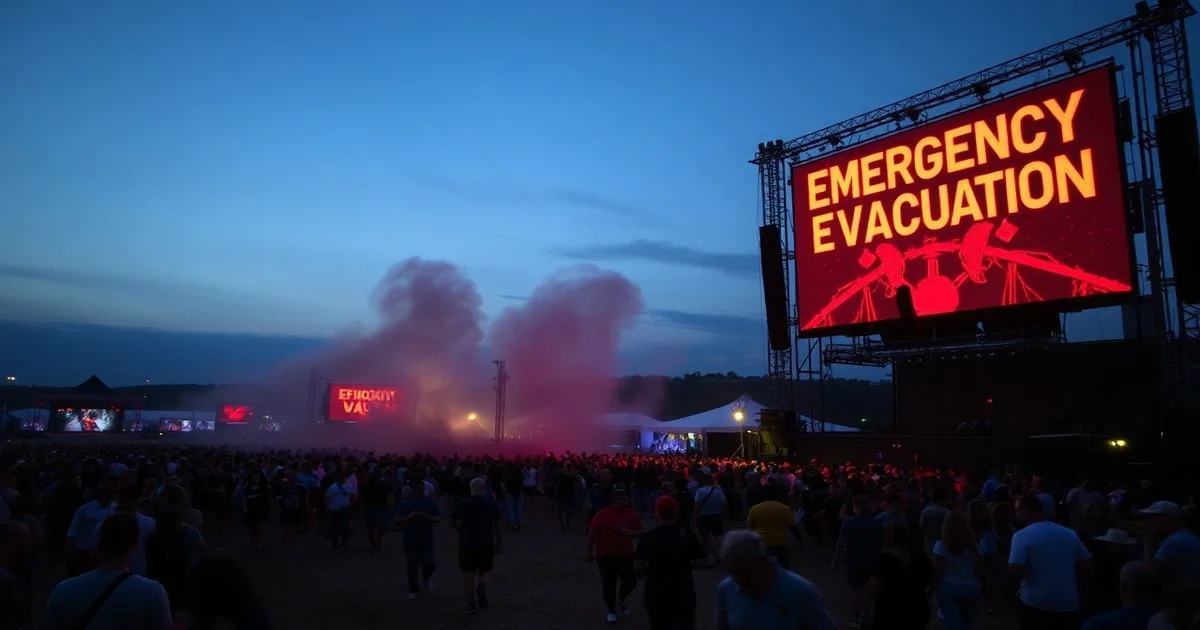
The 2026 Stagecoach Country Music Festival in Indio, California, experienced a dramatic turn of events on Saturday night when the entire site was temporarily evacuated. Organizers halted performances and instructed tens of thousands of attendees to exit the Empire Polo Club grounds as severe high winds swept through the Coachella Valley. This decisive action, taken to prioritize the safety of festival-goers, saw the Stagecoach Festival Evacuated Amid High Winds, creating a memorable and challenging moment for both organizers and fans during the highly anticipated country music celebration. The festival’s swift response underscored a commitment to safety first, even as it disrupted scheduled performances.
Background on the Stagecoach Festival
The Stagecoach Festival, often dubbed the country music counterpart to the Coachella Valley Music and Arts Festival, is an annual pilgrimage for country music enthusiasts. Held at the Empire Polo Club in Indio, California, it draws crowds of 75,000 to 80,000 people each year, showcasing a mix of established superstars and rising talents in the genre. This year's lineup for 2026 featured headliners such as Cody Johnson, Lainey Wilson, and Post Malone, alongside popular acts like Pitbull and Diplo, promising a weekend of diverse musical entertainment.
The festival typically runs for three days, offering multiple stages, a variety of food and beverage options, and a vibrant atmosphere that defines the country music experience. Its desert location, while picturesque, also makes it susceptible to extreme weather conditions, particularly strong winds, which have affected events at the Empire Polo Club in the past. The meticulous planning involved in such a large-scale event accounts for various contingencies, including potential weather-related disruptions, to ensure attendee well-being.
The Sudden Turn of Events: Stagecoach Festival Evacuated Amid High Winds
Saturday, April 25, 2026, started with typical desert charm, but as evening approached, the weather took a perilous turn. Just before 8:00 p.m., powerful wind gusts began to intensify, prompting organizers to declare an emergency evacuation. Large screens across the Empire Polo Club grounds flashed red alert messages, unequivocally stating: "Emergency Evacuation" and "The festival has been postponed until further notice. Please move quickly and calmly to the nearest exit". This immediate directive meant that the Stagecoach Festival was Evacuated Amid High Winds, temporarily halting all performances and forcing thousands of revelers to seek shelter.
Festival promoter Goldenvoice swiftly made the decision to prioritize attendee safety, especially with the National Weather Service having issued a Wind Advisory for Southern California's desert regions, predicting gusts up to 55 mph and even 65 mph through mountain passes. The evacuation was a stark reminder of nature's unpredictable power and the critical need for robust safety protocols at large outdoor gatherings. The immediate response from both staff and attendees, though disruptive, highlighted the effectiveness of the emergency plan in place.
The Escalating Weather Conditions
Throughout Saturday, signs of escalating wind conditions were evident, with gusts building steadily during the day and intensifying significantly into the evening. While a wind advisory had been in effect, the actual ferocity of the evening winds exceeded earlier expectations, creating hazardous conditions. Dust and sand were visibly picked up across the venue, reducing visibility and posing a risk of flying debris.
Reports from the ground indicated that the winds were notably stronger than earlier gusts experienced during the day. This rapid deterioration of weather prompted officials to act decisively, recognizing the potential danger to structures, equipment, and, most importantly, the thousands of people gathered at the festival. The decision to evacuate was not taken lightly but was a direct response to the immediate and severe weather threat.
The Decision to Evacuate
The evacuation order was triggered by powerful and sustained wind gusts that swept through the Coachella Valley, presenting an immediate safety concern. Festival organizers, Goldenvoice, made the call to evacuate, broadcasting the emergency message across all major screens and via the Stagecoach mobile app. This multi-channel approach ensured that the message reached the vast majority of attendees promptly.
Attendees were advised to leave the event site and move to their vehicles or other protected areas to avoid potential flying debris. While the evacuation process involved thousands of people moving towards exits, social media videos and eyewitness accounts largely described a calm and orderly departure, a testament to the effectiveness of the festival's emergency planning and the cooperation of the crowd. Security staff and emergency personnel were on hand to guide the flow of people and ensure a safe exit from the grounds.
Impact on Attendees and Performers
The sudden evacuation naturally led to significant disruption for everyone involved. For attendees, it meant an abrupt halt to their Saturday night festivities, with many having to navigate dusty conditions to find shelter. For performers, it meant delayed or, in some cases, canceled sets. The festival's ability to communicate clearly and manage the crowds during this challenging period was crucial in mitigating potential panic or further issues.
The brief shutdown lasted approximately an hour, with the festival issuing follow-up alerts via its app. By 8:42 p.m., the festival announced that "the show will resume momentarily" and that staff were preparing the site for a safe return. Gates officially reopened around 9:00 p.m., allowing fans to re-enter for the remaining scheduled performances.
Attendee Experiences
Festival-goers shared their experiences across social media, with many posting videos of the strong winds and the evacuation messages. While some expressed frustration over the interruption, the overarching sentiment was one of understanding regarding the priority of safety. Many described the scene as orderly, with crowds moving calmly towards the exits despite the challenging conditions.
However, some attendees reported confusion regarding the direction to shelter, with initial messages advising return to vehicles, which were not always easily accessible for those using shuttles or ride-shares. There were also reports of some emergency exits remaining closed by security staff during the initial phase of the evacuation, which caused some concern among those trying to leave the main stage area. These points highlight areas for potential review in future emergency protocols.
Rescheduled Performances and Logistics
The temporary shutdown necessitated swift changes to the Saturday night schedule. Several artists had their sets moved to later times, while others, unfortunately, had their performances canceled entirely. Lainey Wilson, a headliner, saw her set moved to 10:30 p.m., an hour later than originally planned. Pitbull's late-night set was also pushed back, playing from midnight to 1 a.m. instead of his original 11:00 p.m. slot.
Regrettably, artists such as Journey and Riley Green were taken off Saturday's lineup entirely due to the delays. The festival also extended its closing time from 11:55 p.m. to 1 a.m. to accommodate the revised schedule. This agile rescheduling demonstrated the logistical capabilities of the event organizers in responding to an unforeseen crisis, ensuring that much of the planned entertainment could still proceed once conditions were safe.
Safety Protocols and Future Implications
The Stagecoach Festival evacuation serves as a powerful case study in large-scale event safety management. The quick decision to evacuate, the clear communication via multiple channels (screens, app alerts, announcements), and the relatively calm execution by attendees underscored the importance of pre-planned emergency procedures. This event, much like the challenges faced by the Coachella Valley Music and Arts Festival at the same venue earlier in the month due to similar wind conditions, emphasizes the continuous need for vigilance and adaptation.
Future outdoor events, particularly those in weather-prone regions, will undoubtedly examine this incident for lessons learned. The feedback from attendees regarding exit accessibility and clarity of instructions for sheltering will be crucial in refining future safety plans. The swift reopening after the wind subsided also demonstrated effective post-evacuation assessment and site preparation.
Enhancing Weather Monitoring at Outdoor Events
The incident at Stagecoach highlights the critical need for advanced and hyper-local weather monitoring systems at large outdoor festivals. While national weather advisories provide a broad overview, microclimates and sudden shifts, especially in desert environments, can necessitate more immediate and precise data. Festivals could benefit from dedicated on-site meteorological teams or enhanced real-time sensor networks that can provide minute-to-minute updates on wind speeds, dust levels, and other relevant conditions.
Investing in predictive analytics that model wind patterns specific to the venue's geography could also allow for earlier warnings and more proactive decisions, potentially preventing full evacuations or at least allowing for staged responses. These technological advancements, coupled with robust communication infrastructure, are vital for safeguarding attendees.
Lessons Learned from the Evacuation
Several key lessons can be drawn from the Stagecoach evacuation experience. Firstly, the importance of clear, unambiguous communication cannot be overstated. While the primary message was clear, some confusion arose regarding specifics like shelter locations or which exits were open. Future events could use more granular messaging that adapts to different attendee locations within the venue.
Secondly, the event underscored the need for flexibility in scheduling and artist contracts, allowing for swift adjustments when unforeseen circumstances arise. The ability to reschedule and extend hours was instrumental in saving much of the night's performances. Finally, continuous training for all staff, from security to volunteer teams, on emergency protocols is paramount to ensure a coordinated and effective response when crowds of tens of thousands need to be moved quickly and safely.
Conclusion
The temporary evacuation of the 2026 Stagecoach Festival due to extreme high winds on Saturday night was a significant event, testing the resilience of both organizers and attendees. While disruptive, the swift and decisive action to prioritize safety, coupled with effective communication and a relatively orderly crowd response, ensured that the incident passed without major injury. The quick resumption of the festival, albeit with a revised schedule, demonstrated remarkable adaptability in the face of natural challenges. As the festival season continues, the experience of the Stagecoach Festival Evacuated Amid High Winds will undoubtedly serve as a crucial learning point for event planners worldwide, emphasizing the paramount importance of robust safety protocols and agile crisis management in delivering memorable, yet secure, live entertainment experiences.
Frequently Asked Questions
Q: Why was the Stagecoach Festival evacuated?
A: The festival was evacuated on Saturday night due to severe, intensifying high winds that posed an immediate safety risk to attendees and structures at the Empire Polo Club grounds. Organizers prioritized the well-being of all festival-goers.
Q: How long did the evacuation last, and were performances canceled?
A: The evacuation lasted approximately an hour. While some performances were delayed and rescheduled, artists like Journey and Riley Green had their sets canceled entirely due to the disruption and revised timeline.
Q: What measures did organizers take to ensure safety during the evacuation?
A: Organizers issued clear emergency evacuation messages on large screens and via the official festival app, guiding attendees to exits. Security staff and emergency personnel were on hand to manage a calm and orderly departure from the venue.