India-Africa Ties: New Digital Frontiers Explored for Growth
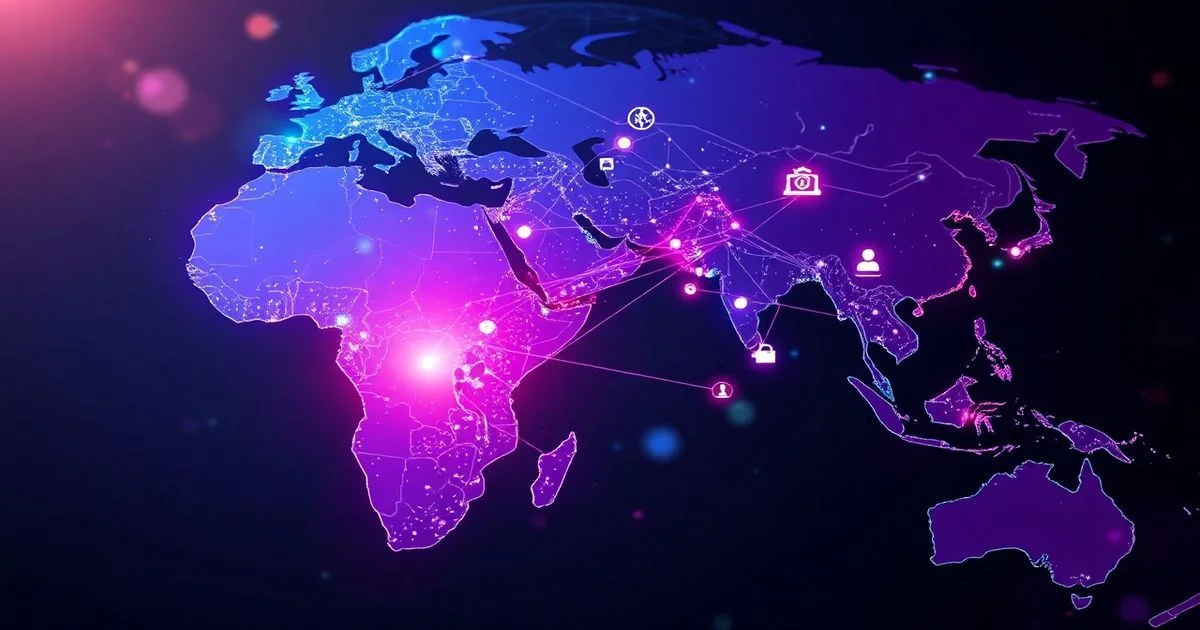
The enduring partnership between India and Africa is entering a dynamic new era, driven by a shared vision for digital transformation and inclusive growth. With the upcoming Fourth India-Africa Forum Summit (IAFS-IV) slated for May 31, 2026, in New Delhi, global attention is once again focused on how these two vibrant regions are deepening their engagement and exploring new digital frontiers. This significant diplomatic gathering aims to cement close ties, strengthen collaboration under the South-South framework, and lay out a roadmap for further cooperation across diverse sectors, including the critical realm of digital technology. The summit will emphasize co-creation, mutual investments, and joint innovation, reshaping economies across the African continent. Indeed, the evolving India-Africa Ties: New Digital Frontiers Explored highlight a strategic partnership for innovation, resilience, and inclusive transformation.
- A Historical Arc: From Solidarity to Digital Diplomacy
- The Digital Imperative: Why India and Africa are Partnering for Digital Transformation
- New Digital Frontiers Explored: Key Pillars of Cooperation
- Geopolitical and Economic Implications
- Navigating Challenges and Forging the Future
- The Road Ahead: Fourth India-Africa Forum Summit (IAFS-IV)
- Conclusion
- Frequently Asked Questions
- Further Reading & Resources
A Historical Arc: From Solidarity to Digital Diplomacy
The relationship between India and Africa is deeply rooted in a shared history of anti-colonial struggles, cultural exchanges, and political solidarity. For decades, this partnership has been characterized by mutual respect and a commitment to South-South cooperation, focusing on development assistance, capacity building, and economic collaboration. India has consistently supported Africa's rightful place in global governance, advocating for the African Union's permanent seat in the G20 during India's presidency in 2023, a significant milestone reflecting a belief that the voices of the Global South must shape global governance.
Historically, India's engagement encompassed concessional Lines of Credit (LoCs) for infrastructure development and extensive training programs under the Indian Technical and Economic Cooperation (ITEC) initiative. However, in recent years, this traditional framework has seen a remarkable evolution, with digital innovation emerging as a central pillar. As Africa stands at the threshold of unprecedented digital transformation, India is positioning itself as a natural partner, offering both experience and technological solutions that could accelerate the continent's journey toward a digitally empowered future. This shift marks a strategic move towards a more technology-driven and capacity-building partnership, strengthening strategic autonomy and advancing shared prosperity.
The Digital Imperative: Why India and Africa are Partnering for Digital Transformation
Africa's digital landscape is on the cusp of a revolution, marked by booming mobile phone penetration, increasing internet access, and a youthful, tech-savvy population. The continent's burgeoning digital economy, projected to see its internet and payment markets explode, presents immense opportunities for innovation and economic growth. Recognizing this potential, the African Union's Digital Transformation Strategy (2020-2030) places digital innovation at the core of socio-economic progress.
India's own digital transformation journey offers a compelling and replicable model for African nations. Over the past decade, India's "Digital India" initiative has significantly enhanced its digital infrastructure and public service delivery, connecting nearly 970 million internet users by 2024 and expanding its digital economy to approximately $200 billion annually. The core idea was to leverage technology for inclusivity, affordability, and access to public services, especially for marginalized communities. This experience makes India a valuable partner, capable of offering cost-effective and contextually relevant solutions to address Africa's digital divides and improve governance through technological advancements.
India's Digital Public Infrastructure (DPI) Blueprint
Central to India's digital success is its Digital Public Infrastructure (DPI), a set of foundational digital systems that enable secure interactions between people, businesses, and governments. This "India Stack" encompasses several groundbreaking platforms:
- Aadhaar: A biometric digital identity platform that covers over 1.3 billion people, drastically reducing welfare fraud and slashing transaction costs.
- Unified Payments Interface (UPI): A real-time digital payment system that processes tens of billions of transactions monthly, radically expanding access to finance and revolutionizing digital payments.
- DigiLocker: A secure digital document wallet serving 500 million users with billions of secure documents, which provides a digital locker for citizens to store and share official documents securely.
- CoWIN: The Covid Vaccine Intelligence Network platform that managed over 2 billion vaccine doses nationwide during the pandemic, demonstrating the power of DPI in public health.
- DIKSHA: A national digital learning platform offering interactive content for school education, supporting millions of students and teachers.
- ONDC (Open Network for Digital Commerce): An open e-commerce network designed to empower small merchants and foster digital trade.
Collectively, these platforms constitute an open-standards, modular DPI approach that India is actively sharing and exporting. India's DPI model combines minimalist technology interventions, public-private governance, and vibrant market innovation, making it particularly attractive for African governments seeking developmental impact with limited budgets.
New Digital Frontiers Explored: Key Pillars of Cooperation
The collaboration between India and Africa in the digital realm spans various sectors, leveraging India's expertise and Africa's burgeoning digital demand to unlock immense potential. The upcoming IAFS-IV will further emphasize these new digital frontiers.
Digital Public Infrastructure (DPI) Adoption in Africa
A significant aspect of the evolving partnership is the adoption of India's DPI by African nations. India offers open-source DPI components to its partners, allowing them to replicate or adopt these proven digital governance platforms through initiatives like India Stack Global.
-
Namibia became the first African country to license UPI in April 2024, with an official rollout slated for September 2025. This move promises to boost trade and enhance financial inclusion.
-
Kenya is pioneering the import of India's DPI to supercharge governance, with pilots blending UPI-style payments and DigiLocker document storage. An Implementation Framework for a homegrown DigiLocker pilot, customized by India's NeGD, is now rolling out, promising instant verification for students and entrepreneurs.
-
In February 2026, six African countries – Sierra Leone, Tanzania, Kenya, Ethiopia, The Gambia, and Lesotho – signed digital public infrastructure cooperation agreements with India, gaining access to 18 Indian digital platforms through India Stack Global.
- The Modular Open-Source Identity Platforms (MOSIP), inspired by Aadhaar, is being adopted by many African nations, with nine out of eleven countries worldwide implementing MOSIP being in Africa.
Expanding Telecommunications and Connectivity
Connectivity forms the bedrock of digital transformation, and India has been a steadfast partner in enhancing Africa's telecommunications infrastructure.
-
The Pan-African e-Network Project (PAeNP), conceived by former Indian President Dr. A.P.J. Abdul Kalam in 2004 and launched in 2009, is a monumental ICT project. It connects 54 African countries through satellite and fiber-optic networks to India and to each other, facilitating tele-education, telemedicine, e-governance, and e-commerce services. Often described as Africa's biggest ever in the ICT sector, it has been instrumental in extending ICT infrastructure to rural and underserved areas. The project continues to transform lives by linking African students and patients with top Indian academic and medical institutions.
-
Indian private firms are also expanding infrastructure on the continent. Reliance Industries, through its Jio Platform, is targeting the African telecoms market, with an initial foray into Ghana's 5G market via its company Radisys. Radisys will provide key network infrastructure, applications, and smartphones for a new public-private joint venture in Ghana called Next-Gen Infrastructure Company (NGIC), aiming to deliver affordable 5G mobile broadband services.
Revolutionizing Fintech and Digital Payments
Fintech and digital payments are crucial for financial inclusion and economic growth. India's UPI model is attracting significant interest across Africa.
- Beyond Namibia, countries like Uganda, Rwanda, and Mozambique have expressed interest in licensing UPI, recognizing its potential to boost trade and streamline transactions.
- Ghana is also linking its payment system with India's UPI to enable faster transactions, showcasing a collaborative approach to digital finance.
- This collaboration reduces transaction costs, boosts remittances, and opens new markets for Indian businesses while providing African citizens with access to mobile banking and e-health services.
E-Governance, Digital Literacy, and Capacity Building
India's commitment to digital capacity building and knowledge sharing is a cornerstone of its African engagement.
-
The Indian Technical and Economic Cooperation (ITEC) program has been instrumental in training African professionals in ICT, e-governance, and digital technologies. India has dedicated 50,000 ITEC slots for African professionals, demonstrating a significant investment in human capital development.
-
The e-VidyaBharati (Tele-education) and e-AarogyaBharati (Tele-medicine) project (e-VBAB), building on the Pan-African e-Network, provides tele-education and telemedicine services to over 20 African countries, along with more than 20,000 scholarships for online education.
- A significant milestone was achieved in 2023 with the establishment of India's first overseas campus of the Indian Institute of Technology (IIT) in Zanzibar, Tanzania, offering advanced Data Science and Artificial Intelligence programs and signifying a long-term academic and technological collaboration.
- The Ghana-India Kofi Annan Centre of Excellence in ICT in Accra exemplifies joint education efforts, promoting digital skills among youth.
- India's participation in events like GITEX Africa 2025 further reaffirms its role as a global leader in skilling and digital innovation, offering adaptable frameworks for developing nations.
Geopolitical and Economic Implications
The deepening digital collaboration between India and Africa carries significant geopolitical and economic weight. Politically, India projects itself as a trusted South-South partner, offering technology over debt and positioning its open-source digital stack as a reliable alternative to other models. This approach emphasizes mutual ownership and adaptability, where India offers replicable solutions, but local context shapes implementation.
Economically, the partnership is flourishing. Bilateral trade between India and Africa exceeded 75 billion, primarily in sectors like telecom, energy, and infrastructure. Aligning India's Digital India initiative with Africa's Digital Strategy and the African Continental Free Trade Area (AfCFTA) could help double bilateral trade to 1.5 trillion by 2030, presenting vast opportunities for both continents.
Navigating Challenges and Forging the Future
Despite the immense potential, the India-Africa digital partnership faces several challenges that require collaborative solutions. These include persistent infrastructure gaps, particularly in rural and underserved areas, and addressing the digital divide. Low digital literacy also remains a significant hurdle in many parts of Africa, necessitating robust digital literacy programs that educate citizens on internet security, privacy rights, and cyber threats.
Furthermore, establishing comprehensive and aligned legal and regulatory frameworks for data protection and cybersecurity is crucial. While both regions have adopted legislation to protect digital rights, differences in regulatory frameworks and enforcement mechanisms can create complexities. India and Africa are working to overcome data breach challenges, with India's Digital Personal Data Protection Act (DPDPA), 2023, and the African Union Malabo Convention providing frameworks for data governance. Building trust through open standards and inclusive innovation will be critical to sustaining this partnership amidst competition from other global players.
The Road Ahead: Fourth India-Africa Forum Summit (IAFS-IV)
The forthcoming Fourth India-Africa Forum Summit (IAFS-IV), scheduled for May 31, 2026, in New Delhi, represents a pivotal moment for this deepening partnership. The summit, to be held in collaboration with the African Union Commission, comes after an 11-year gap since the last edition in 2015. It will bring together leaders from across the African continent and representatives from regional organizations to strengthen the enduring ties.
The theme for IAFS-IV, "IA SPIRIT: India Africa Strategic Partnership for Innovation, Resilience, and Inclusive Transformation," vividly reflects the comprehensive nature and forward-looking agenda of this collaboration. Discussions are expected to cover a wide range of issues, from energy and environment to the digital stack, aiming to empower millions and de-risk the global economy by building stronger South-South corridors. This summit provides a critical platform to exchange best practices, share successful experiences, and discuss common challenges, laying out a roadmap for further expanding cooperation across diverse sectors.
Conclusion
The profound evolution of India-Africa Ties: New Digital Frontiers Explored signifies a powerful convergence of aspirations and capabilities. From India's proven Digital Public Infrastructure to collaborative initiatives in telecommunications, fintech, and e-governance, both continents are actively shaping a future of shared prosperity and technological independence. This partnership, rooted in mutual respect and a common vision for inclusive development, is not merely about transferring technology but about co-creating solutions that address local needs and foster long-term institutional collaboration. As India and Africa continue to align their digital strategies and bolster inclusive growth, their deepening engagement promises to amplify economic resilience and establish a compelling model of South-South digital cooperation for the Global South.
Frequently Asked Questions
Q: What is India's Digital Public Infrastructure (DPI)?
A: India's DPI is a set of foundational digital systems such as Aadhaar (digital identity) and UPI (unified payments interface) that enable secure interactions between citizens, businesses, and governments. It aims to provide inclusive, affordable, and accessible public services, fostering financial inclusion and efficient governance.
Q: Which African countries are adopting India's DPI?
A: Several African nations are exploring or adopting India's DPI. Namibia has licensed UPI, and Kenya is piloting UPI-style payments and DigiLocker. Additionally, Sierra Leone, Tanzania, Ethiopia, The Gambia, and Lesotho have signed agreements to access various Indian digital platforms, while many others are implementing MOSIP (an Aadhaar-inspired identity platform).
Q: What is the significance of the upcoming India-Africa Forum Summit (IAFS-IV)?
A: The IAFS-IV, scheduled for May 2026, is a pivotal diplomatic gathering designed to strengthen India-Africa collaboration across diverse sectors, with a particular focus on digital technology. It aims to deepen partnerships, exchange best practices, and establish a roadmap for future cooperation in innovation, resilience, and inclusive transformation.