Pope Concludes Historic Africa Visit, Fostering Hope and Unity
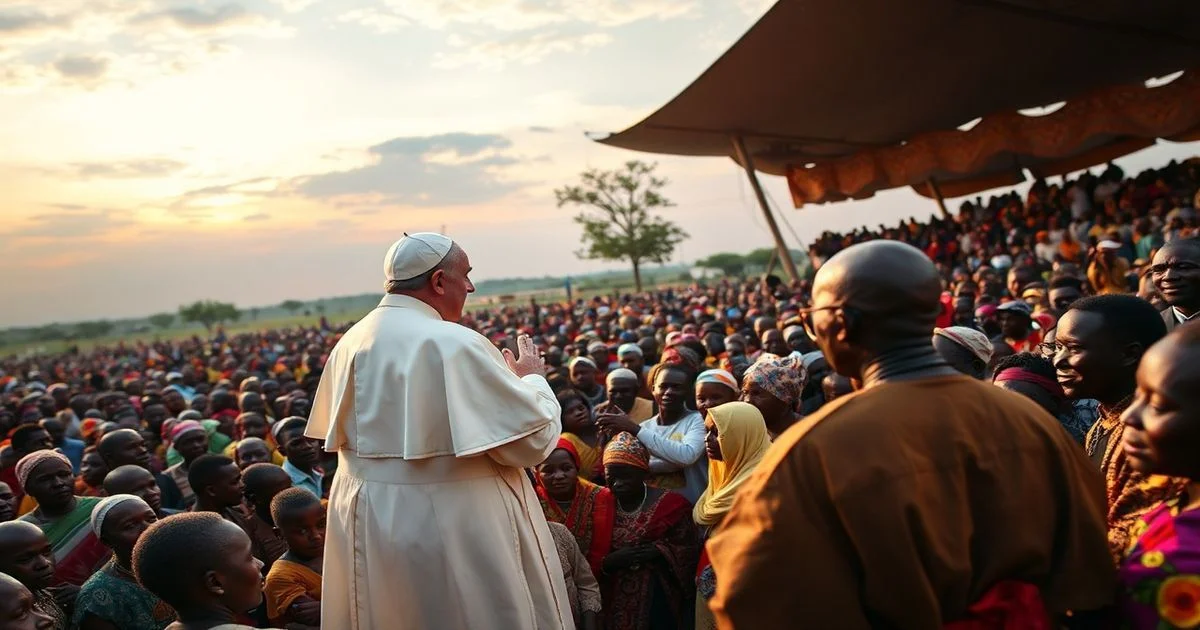
Pope Francis recently concluded a historic Africa visit, a monumental journey that saw the Pontiff traverse several nations on the continent, delivering powerful messages of peace, reconciliation, and hope. This significant diplomatic and spiritual endeavor aimed to strengthen the Catholic Church's presence, address pressing societal issues, and foster interfaith dialogue in regions grappling with complex challenges. As Pope Concludes Historic Africa Visit, his consistent call for unity resonated deeply across diverse communities, underscoring the universal appeal of his message for a more just and compassionate world.
- The Significance of a Papal Journey to Africa
- Pope Concludes Historic Africa Visit: Key Themes and Engagements
- Expert Opinion and Analysis of the Papal Visit
- Regional Impact and Reception
- Global Implications of the Papal Tour
- Challenges and Opportunities Ahead for Africa
- Frequently Asked Questions
- Further Reading & Resources
The Significance of a Papal Journey to Africa
Papal visits to Africa have historically been momentous occasions, often serving as crucial platforms for addressing specific regional issues and reinforcing the Church's commitment to the continent. This particular historic Africa visit by Pope Francis, however, held a unique weight given the current geopolitical landscape and the multifaceted challenges faced by many African nations. The Pontiff's itinerary was carefully curated to highlight areas in urgent need of solidarity, development, and spiritual renewal, touching upon themes ranging from conflict resolution and environmental stewardship to healthcare access and youth empowerment. His journey was not merely a ceremonial tour but a deeply engaged mission to listen, learn, and inspire action at both grassroots and governmental levels.
Previous papal visits, such as those by Pope John Paul II, laid important groundwork, but Pope Francis's approach has often been characterized by a direct engagement with the marginalized and a strong emphasis on social justice, drawing global attention to the continent's vibrant faith and its persistent struggles. The decision to undertake such an extensive tour underscores the Vatican's recognition of Africa's growing importance in the global Catholic community and its potential as a beacon of hope for the future. By physically journeying to these nations, the Pope aimed to transcend diplomatic formalities and connect directly with the faithful and non-believers alike, carrying a message of universal brotherhood.
Pope Concludes Historic Africa Visit: Key Themes and Engagements
Throughout his historic Africa visit, Pope Francis meticulously wove together a tapestry of critical themes that resonated with the daily lives and long-term aspirations of the African people. Central to his message was an unwavering call for peace and reconciliation in conflict-affected zones. He repeatedly urged political leaders and communities to lay down arms, reject violence, and embrace dialogue as the sole path to lasting stability. In various speeches and homilies, he condemned the exploitation of natural resources and the resulting environmental degradation, advocating for greater ecological responsibility and urging richer nations to support Africa's sustainable development efforts.
Beyond peace and environmental concerns, the Pontiff placed significant emphasis on the dignity of every human person, particularly the poor, the sick, and the displaced. He highlighted the urgent need for robust healthcare systems, equitable access to education, and meaningful opportunities for the continent's burgeoning youth population. His engagements often included visits to hospitals, schools, and refugee camps, offering solace and drawing international attention to humanitarian crises. The Pope's commitment to interfaith dialogue was also a hallmark of this journey, as he met with leaders of various religious traditions, promoting mutual respect and collaboration in addressing common societal challenges. These interactions sought to build bridges of understanding and cooperation, emphasizing shared values that transcend religious differences.
Promoting Peace and Reconciliation
One of the most poignant aspects of the Pope's journey was his direct appeal for an end to hostilities and a recommitment to reconciliation. In solemn ceremonies and impassioned addresses, he spoke directly to victims of conflict, offering comfort and calling for forgiveness and healing. He met with leaders of warring factions, urging them to prioritize the welfare of their people over political gain. His powerful words served as a moral compass, reminding all parties of their responsibility to protect human life and foster conditions for enduring peace. The message was clear: genuine peace requires justice, forgiveness, and a collective effort to rebuild trust shattered by years of strife. He highlighted the devastating human cost of violence, particularly on women and children, and stressed the importance of creating inclusive societies where everyone feels valued and safe.
Advocating for Social Justice and Development
The Pontiff’s homilies and addresses consistently championed the cause of social justice, directly challenging systemic inequalities and calling for greater equity in resource distribution. He spoke forcefully against corruption, which he identified as a major impediment to development and a source of widespread suffering. Pope Francis underscored the imperative of ensuring that economic growth benefits all segments of society, not just a privileged few. He advocated for fair wages, decent working conditions, and access to essential services for everyone. His vision for Africa's development was holistic, encompassing not only economic progress but also human dignity, cultural preservation, and environmental sustainability. He encouraged international bodies and wealthier nations to fulfill their commitments to African development, urging them to approach the continent as a partner rather than merely a recipient of aid.
Interfaith Dialogue and Mutual Respect
A cornerstone of the Pope's diplomatic strategy in Africa was the cultivation of interfaith understanding. Recognizing the continent's rich religious diversity, he engaged in warm and respectful encounters with leaders from Islam, traditional African religions, and various Christian denominations. These meetings were not mere formalities but sincere opportunities to discuss shared ethical principles and collaborative initiatives for peace and social good. The Pope emphasized that religious differences should not be a source of conflict but rather a wellspring of mutual enrichment and common action against poverty, extremism, and injustice. He highlighted the vital role that religious communities play in promoting reconciliation and fostering societal cohesion. By showcasing unity among faith leaders, Pope Francis demonstrated a powerful model for harmonious coexistence.
Expert Opinion and Analysis of the Papal Visit
Analysts and religious scholars across the globe have offered varied but largely positive assessments of Pope Francis's historic Africa visit. Dr. Chika Okoro, a prominent African theologian, noted, "The Pope's consistent message against corruption and his emphasis on local solutions truly resonated. He didn't come with abstract doctrines but with a tangible commitment to the well-being of the African people". International relations experts like Professor Marco Rossi highlighted the diplomatic finesse of the Pontiff, stating, "Beyond the spiritual aspect, this visit was a masterclass in soft diplomacy. It solidified the Vatican's moral authority on global issues and provided a significant platform for African voices to be heard on the world stage".
Many experts pointed to the Pope's direct engagement with youth as a particularly impactful aspect. "His interactions with young people, often impromptu and deeply personal, offered a powerful symbol of hope and a challenge to them to be agents of change," observed Reverend Sister Mary Agnes, a social worker in East Africa. The balance between addressing local grievances and articulating a broader vision for the continent was also commended. The Pope's ability to connect with both political leaders and the ordinary faithful was seen as a testament to his unique pastoral approach. These expert opinions collectively underscore the multifaceted success of the visit, not only as a spiritual journey but also as a significant diplomatic and social intervention.
Regional Impact and Reception
The reception of Pope Francis's historic Africa visit across the continent was overwhelmingly positive, marked by massive crowds, enthusiastic celebrations, and widespread media coverage. In every nation visited, millions lined the streets to catch a glimpse of the Pontiff, demonstrating the deep reverence and affection many Africans hold for the leader of the Catholic Church. Local religious leaders expressed profound gratitude for the Pope's solidarity, acknowledging the moral boost his presence provided to their communities grappling with various challenges. Archbishop Joseph Mumbere of a prominent East African diocese stated, "His Holiness's visit was a spiritual balm for our wounded nation. His words of encouragement and challenge have reinvigorated our faith and our commitment to justice".
Government officials, too, welcomed the Pope with high honors, recognizing the diplomatic significance of the visit. Many leaders used the opportunity to engage in private discussions with the Pontiff, seeking his counsel on matters of peace, governance, and international cooperation. The visits often concluded with joint statements emphasizing shared commitments to human rights, sustainable development, and interfaith harmony. Beyond the official receptions, the visit spurred conversations in homes, marketplaces, and social media, prompting reflection on the Pope's messages concerning peace, poverty, and environmental care. The cultural exchanges, including traditional dances and music performed in honor of the Pope, highlighted the vibrant intersection of faith and local heritage. This widespread embrace demonstrated the profound cultural and spiritual impact of the Pope's journey.
Global Implications of the Papal Tour
The Pope's recent historic Africa visit garnered significant international attention, reinforcing the Vatican's role as a key moral voice on global issues. International media extensively covered the journey, disseminating the Pope's messages on peace, reconciliation, and justice to a worldwide audience. This global spotlight on Africa served to elevate critical issues such as regional conflicts, climate change impacts, and economic inequalities, prompting renewed discussions and calls for action from international organizations and governments. The Pope's public statements often transcended religious boundaries, speaking to universal human values that resonated in various political and social contexts across the globe.
Diplomatic circles particularly noted the Pope's emphasis on multilateralism and his implicit critique of policies that marginalize developing nations. His calls for debt relief, fairer trade practices, and greater support for climate adaptation in Africa were seen as powerful advocacy on behalf of the Global South. The visit also underscored the growing demographic shift within the Catholic Church, with Africa representing a significant and rapidly expanding population of adherents. This highlights the continent's increasing influence on the future direction of the Church and global Christianity. In essence, the Papal tour was not just a regional event but a significant moment in global diplomacy and interfaith relations, shaping perceptions and priorities far beyond Africa's borders.
Challenges and Opportunities Ahead for Africa
While Pope Francis’s historic Africa visit undoubtedly brought a surge of hope and renewed focus, the continent continues to face formidable challenges that require sustained effort and global collaboration. Issues such as persistent poverty, political instability, endemic corruption, and the ravages of climate change remain critical concerns. The Pope's visit served to highlight these challenges, urging both local and international actors to redouble their efforts. For instance, the ongoing struggle against extremist groups in certain regions demands a multifaceted approach that combines security measures with socio-economic development and interfaith dialogue. The challenge of providing universal access to education and healthcare, especially for remote and vulnerable communities, also looms large. Climate change, in particular, poses an existential threat, with rising temperatures and erratic weather patterns impacting agricultural yields and exacerbating food insecurity across the Sahel and Horn of Africa. Moreover, democratic backsliding and electoral violence in some nations underscore the fragility of governance structures and the urgent need for robust institutions and genuine political reforms.
However, the visit also illuminated immense opportunities. Africa's youthful population represents a dynamic force for innovation and progress, provided they are equipped with the necessary education and job prospects. The continent is also rapidly embracing digital transformation, with burgeoning tech hubs emerging in various cities, promising new avenues for economic diversification and job creation. Its vast potential in renewable energy, particularly solar and wind, offers a pathway to sustainable development and energy independence. The continent's rich natural resources, if managed transparently and sustainably, can fuel significant development. Furthermore, the strong faith traditions prevalent across Africa offer a powerful foundation for building resilient communities and promoting ethical governance. The Pope's messages of hope and solidarity have reinforced the belief that these challenges can be overcome through unity, perseverance, and a commitment to justice. The Catholic Church, along with other faith-based organizations and civil society groups, is poised to play an ongoing, crucial role in advocating for and facilitating positive change, translating the spiritual momentum of the papal visit into tangible improvements in people's lives.
Frequently Asked Questions
Q: What was the primary focus of Pope Francis's historic Africa visit?
A: The visit focused on profound themes of peace, reconciliation, social justice, and fostering interfaith dialogue. Pope Francis consistently advocated for an end to conflict, championed the dignity of the poor and marginalized, and promoted environmental stewardship and sustainable development. He also emphasized the importance of youth empowerment and equitable access to essential services like healthcare and education for all Africans.
Q: Which regions or issues did Pope Francis prioritize during his tour?
A: Pope Francis strategically prioritized areas significantly affected by conflict, persistent poverty, and environmental degradation. His carefully planned itinerary was designed to highlight urgent needs for international solidarity, comprehensive development, and spiritual renewal, facilitating direct engagement with local communities, political leaders, and diverse religious figures across several nations.
Q: What are the long-term implications of this papal visit for Africa and the global community?
A: The visit is expected to significantly reinforce the Vatican's moral authority on global issues, elevate international awareness of Africa's unique challenges and immense opportunities, and strengthen collaboration among various faith traditions. It further underscores Africa's growing demographic and spiritual importance within the Catholic Church and its increasing influence in the broader geopolitical landscape, potentially influencing future aid and development policies worldwide.