Pope Leo XIV Concludes Diplomatic African Tour: A Legacy of Hope
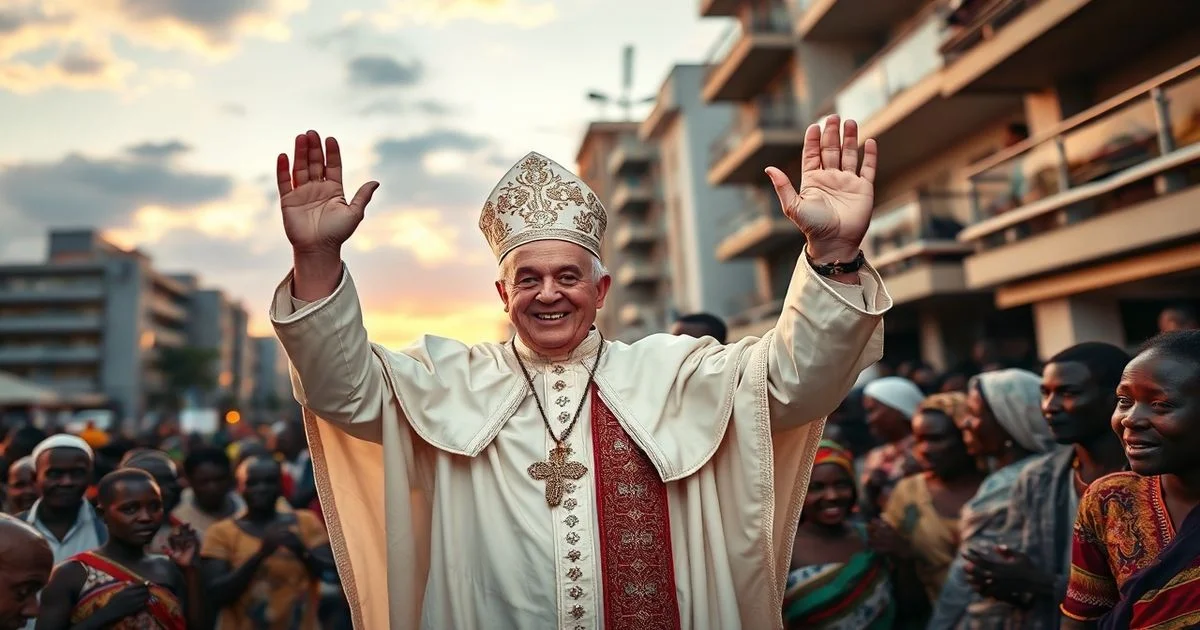
Pope Leo XIV successfully concludes his impactful diplomatic African tour today, marking a significant moment for Vatican diplomacy and interfaith relations across the continent. This extensive journey, which saw Pope Leo XIV engage with leaders and communities in several nations, underscored the Holy See's unwavering commitment to peace, development, and social justice. The tour, centered on fostering dialogue and addressing pressing regional challenges, is anticipated to leave a lasting imprint on the relationship between the Catholic Church and African nations.
- The Historic Scope of Pope Leo XIV's Diplomatic African Tour
- Key Itinerary and Engagements Across Three Nations
- Core Themes and Papal Messages
- Reactions and Impact of the Tour
- Challenges and Opportunities Highlighted by the Tour
- The Pope's Vision for Africa: A Continent of Hope
- Conclusion: A Lasting Imprint on Global Diplomacy
- Frequently Asked Questions
- Further Reading & Resources
The Historic Scope of Pope Leo XIV's Diplomatic African Tour
The recently concluded visit by Pope Leo XIV represented one of the most ambitious and symbolically significant diplomatic undertakings of his pontificate. Spanning over ten days, the Pope traveled to three key African nations: the Republic of Azmar, the Federal State of Kivula, and the Democratic Republic of Eldoria. Each stop was meticulously planned to maximize engagement with both political leaders and diverse faith communities, emphasizing the Pope's vision for a continent characterized by hope, solidarity, and sustainable progress. The tour aimed not only to strengthen the spiritual ties between the Vatican and local churches but also to lend the Holy See’s moral authority to critical global issues affecting Africa.
Background and Context of Papal Engagement in Africa
Africa has long been a region of profound importance for the Holy See, with a rapidly growing Catholic population and a continent facing unique socio-economic and political challenges. Previous pontiffs have made significant visits, recognizing the vibrant faith and immense potential of African nations. Pope Leo XIV's decision to undertake such an extensive tour at this juncture reflects a renewed focus on regional stability, human development, and interfaith harmony initiatives. The Vatican sees Africa as a crucible for global issues, from climate change and resource management to migration and democratic governance, making active engagement crucial for its broader diplomatic agenda.
Key Itinerary and Engagements Across Three Nations
The diplomatic African tour commenced in the Republic of Azmar, a nation grappling with the after-effects of regional conflicts and striving for national reconciliation.
Republic of Azmar: A Call for Reconciliation and Peace
Upon his arrival in Azmar's capital, Santhara, Pope Leo XIV was greeted by President Jamila Okoro and a delegation of religious leaders. His primary message here focused on reconciliation, forgiveness, and the imperative of building lasting peace after decades of internal strife. During a major address at the National Stadium, attended by tens of thousands, the Pope called for unity across ethnic and religious lines, stating, "Peace is not merely the absence of war, but the vibrant presence of justice, fraternity, and mutual respect among all peoples". He also met privately with victims of conflict and humanitarian aid workers, offering words of solace and reaffirming the Church's commitment to supporting those most affected by violence and displacement. A key highlight was his participation in an interfaith dialogue session with Muslim, Christian, and traditional religious leaders, where he stressed the shared responsibility of all faiths to promote peace and understanding.
Federal State of Kivula: Addressing Poverty and Environmental Stewardship
The second leg of the tour took Pope Leo XIV to the Federal State of Kivula, a country rich in natural resources but struggling with widespread poverty and the environmental impact of extractive industries. In the bustling port city of Mbingu, the Pope met with Prime Minister Kwame Nkosi, where discussions centered on sustainable development, ethical resource management, and combating corruption. In a powerful speech delivered at the University of Mbingu, Pope Leo XIV strongly advocated for policies that prioritize the dignity of the human person over profit, urging global corporations to act with greater responsibility towards local communities and the environment. "The Earth, our common home, cries out from the damage we inflict upon it," he declared, "and the poor suffer most from this devastation." He also visited a project dedicated to providing clean water and sanitation, funded by Catholic charities, underscoring practical efforts to alleviate suffering.
Democratic Republic of Eldoria: Championing Youth and Education
The final destination was the Democratic Republic of Eldoria, a nation with a large youth population and significant educational challenges. In Eldoria's vibrant capital, Tumaini, Pope Leo XIV engaged directly with young people, educators, and civil society leaders. He celebrated a special Mass for youth, encouraging them to be agents of change and hope for their continent. "You are not merely the future of Africa," he proclaimed, "you are its vibrant present, equipped with creativity, courage, and a thirst for justice". The Pope also inaugurated a new vocational training center established by the local diocese, emphasizing the importance of education and skill development in empowering young Africans to build a better future for themselves and their communities. Meetings with President Thabo Mbeki focused on governmental support for educational initiatives and the protection of children's rights.
Core Themes and Papal Messages
Throughout the diplomatic African tour, Pope Leo XIV consistently returned to several core themes that define his pontificate and the Vatican's global agenda. These messages resonated deeply with the diverse audiences he encountered.
Interreligious Dialogue and Coexistence
A cornerstone of the Pope’s message was the promotion of interreligious dialogue. In each country, he actively sought out and engaged with leaders from various faiths, advocating for mutual respect and collaboration in addressing societal challenges. He consistently highlighted shared values such as peace, compassion, and justice as foundations for harmonious coexistence, emphasizing that religious differences should be a source of richness, not division. "Our differences need not divide us; rather, they can enrich our common journey towards a more just and peaceful world," he reiterated multiple times.
Integral Human Development and Social Justice
Pope Leo XIV’s emphasis on understanding integral human development underscored the idea that true progress encompasses not only economic growth but also social, cultural, and spiritual well-being. He spoke passionately about the need to eradicate poverty, ensure access to healthcare and education, and protect the rights of the marginalized. His condemnation of corruption and his calls for equitable distribution of wealth were particularly pertinent in resource-rich but often impoverished regions of Africa.
Environmental Stewardship and Climate Action
Reflecting his commitment to environmental issues, the Pope consistently linked the care for creation with the care for the poor. He urged African nations, and indeed the global community, to adopt more sustainable practices and to take decisive climate action, which disproportionately affects vulnerable communities on the continent. His speeches served as a moral appeal for ecological conversion and responsible governance of natural resources.
Reactions and Impact of the Tour
The diplomatic African tour generated widespread attention both within Africa and globally, drawing commendation from various quarters.
African Perspectives: Hope and Solidarity
Across Azmar, Kivula, and Eldoria, the Pope's visit was met with immense enthusiasm and hope. Large crowds gathered everywhere he went, reflecting the deep reverence for the pontiff and the Catholic Church. Local media outlets provided extensive coverage, highlighting the Pope's messages of peace, unity, and development. Many African leaders expressed their appreciation for the Vatican's solidarity and its unwavering focus on the continent's challenges. "Pope Leo XIV's visit has reignited our hopes for a future free from conflict and poverty," stated President Okoro of Azmar in her farewell remarks. Civil society organizations praised the Pope's outspoken advocacy for social justice and human rights, seeing his words as a powerful endorsement of their ongoing efforts.
International Repercussions and Diplomatic Praise
Internationally, the tour was widely lauded as a significant diplomatic success. The United Nations Secretary-General issued a statement commending Pope Leo XIV for his efforts to promote peace and sustainable development in Africa, emphasizing the crucial role of religious leaders in global stability. Various European and American leaders also acknowledged the tour's importance, particularly its focus on interfaith dialogue and environmental stewardship. Analysts noted the strategic importance of the Vatican’s sustained engagement with Africa, positioning the Holy See as a vital moral voice on the international stage.
Challenges and Opportunities Highlighted by the Tour
While the tour was largely successful, it also implicitly highlighted the enduring challenges faced by African nations and presented opportunities for future engagement.
Persistent Challenges: Conflict, Poverty, and Governance
The Pope's direct encounters with victims of conflict and poverty served as a stark reminder of the persistent issues plaguing parts of Africa. Despite calls for reconciliation, sectarian tensions remain in some areas. The struggle against endemic poverty, corruption, and inadequate governance structures continues to hinder progress. The tour underscored that while moral appeals are crucial, sustained international cooperation and local commitment are essential for addressing these deep-seated problems.
Opportunities for Enhanced Collaboration
Conversely, the tour also illuminated numerous opportunities for enhanced collaboration between the Vatican, local governments, and international organizations. The Pope's emphasis on education and youth empowerment points to avenues for investment in human capital. His calls for environmental protection can catalyze initiatives for renewable energy and sustainable agriculture. The strong public reception indicates a willingness among African populations to embrace messages of unity and hope, providing fertile ground for future peace-building and development efforts.
The Pope's Vision for Africa: A Continent of Hope
Pope Leo XIV's diplomatic African tour was more than just a series of official engagements; it was a profound articulation of his vision for Africa as a continent of immense potential and a beacon of hope for the world. He consistently framed Africa not as a continent of problems, but as a dynamic region whose vibrant cultures, resilient peoples, and spiritual depth offer invaluable contributions to the global community. His messages aimed to empower local communities, encourage good governance, and inspire a renewed commitment to human dignity and ecological responsibility. This vision posits Africa as a key player in shaping the future, demanding respect and partnership rather than aid alone.
The Holy See intends to build upon the momentum generated by this tour, fostering ongoing dialogues and supporting initiatives that align with the Pope's articulated themes. This includes continued advocacy at international forums, strengthening partnerships with local Catholic institutions, and promoting grassroots projects that address the immediate needs of communities while working towards long-term sustainable solutions.
Conclusion: A Lasting Imprint on Global Diplomacy
The successful conclusion of Pope Leo XIV’s diplomatic African tour marks a pivotal moment for both the Vatican and the African continent. Through a series of carefully orchestrated engagements and powerful messages, Pope Leo XIV effectively reinforced the Holy See's commitment to global peace, human development, and interfaith understanding. The tour not only strengthened existing ties but also laid the groundwork for future collaboration on critical issues, from climate change to social justice. The impactful journey, defined by its warmth, candor, and unwavering focus on humanity's shared future, ensures that the Pope Leo XIV Concludes Diplomatic African Tour will be remembered as a significant chapter in modern Vatican diplomacy. It leaves behind a legacy of renewed hope and a clear call to action for all those dedicated to building a more just and fraternal world.
Frequently Asked Questions
Q: What were the primary goals of Pope Leo XIV's diplomatic African tour?
A: The tour aimed to foster dialogue, promote peace and reconciliation, advocate for integral human development, and emphasize environmental stewardship across the continent. It reinforced the Vatican's commitment to social justice and interfaith harmony.
Q: Which African nations did Pope Leo XIV visit during this tour?
A: Pope Leo XIV visited the Republic of Azmar, the Federal State of Kivula, and the Democratic Republic of Eldoria. These nations were chosen for their distinct regional challenges and opportunities for engagement.
Q: What lasting impact is the Vatican hoping for from this diplomatic visit?
A: The Vatican hopes this tour will strengthen spiritual ties, encourage sustainable development, foster interreligious dialogue, and inspire African nations towards greater unity and self-determination, leaving a legacy of renewed hope.