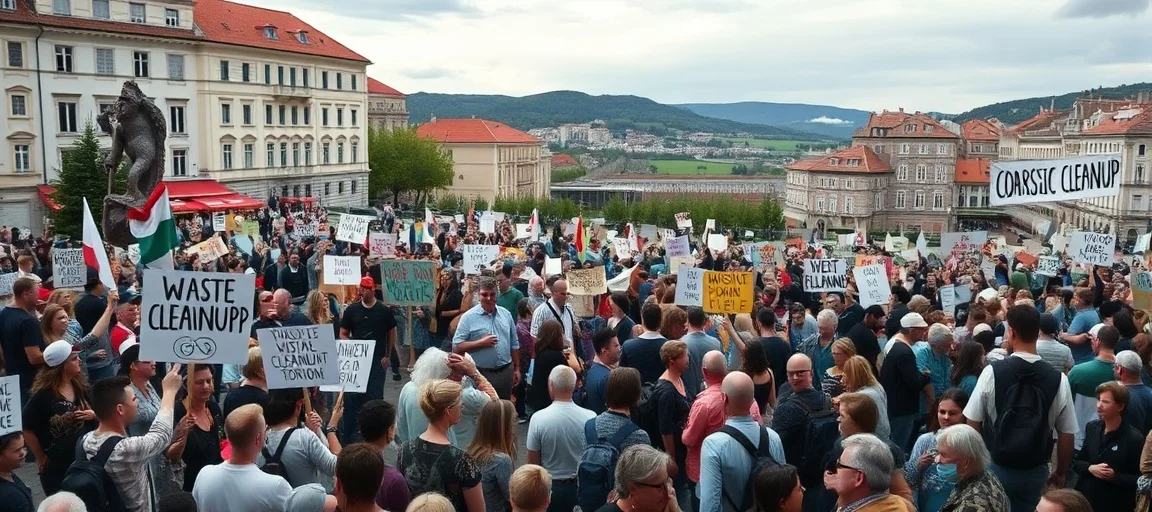
Climate Change Triggers Major European Food Price Shock: A Crisis Unfolds
Europe is currently grappling with an escalating challenge as Climate Change Triggers Major European Food Price Shock, a crisis that is beginning to profoundly unfold across the continent. This significant shift in climatic patterns is not merely an environmental concern but a direct economic threat, leading to unprecedented disruptions in agricultural output and subsequently, considerable increases in the cost of essential foodstuffs. From the sun-drenched olive groves of the south to the fertile plains of the north, the effects of a rapidly changing climate are being felt, forcing consumers and policymakers alike to confront a harsh new reality. The far-reaching implications of this shock extend beyond the immediate financial burden, threatening food security and stability across the region.
- Background Context: Europe's Vulnerability to Climate Shifts
- Rising Temperatures and Extreme Weather: The Direct Impact on Crops
- Climate Change Triggers Major European Food Price Shock
- Policy Responses and Mitigation Strategies
- Consumer Impact and Future Outlook
- Frequently Asked Questions
- Conclusion
- Further Reading & Resources
Background Context: Europe's Vulnerability to Climate Shifts
Europe, a continent renowned for its diverse agricultural landscapes and robust food production, has historically enjoyed a relatively stable food supply. However, recent decades have revealed a growing vulnerability to the pervasive and intensifying impacts of climate change. Scientists have observed a clear trend of rising average temperatures, altered precipitation patterns, and an increased frequency and intensity of extreme weather events across the continent. These shifts are particularly concerning for a sector as intrinsically linked to natural conditions as agriculture. The delicate balance of ecosystems that support food cultivation is being disrupted, leading to unpredictable growing seasons and reduced yields in critical regions.
The continent's varied geographical and climatic zones mean that while some areas might face severe droughts, others are inundated with excessive rainfall or unexpected frosts. This climatic variability presents a complex challenge for farmers who rely on predictable weather patterns for successful harvests. The cumulative effect of these long-term climate trends and short-term weather anomalies is steadily eroding the resilience of Europe's food systems, setting the stage for the current economic pressures.
Rising Temperatures and Extreme Weather: The Direct Impact on Crops
The direct manifestations of climate change on European agriculture are stark and increasingly visible. Over the past few years, Europe has experienced a series of unprecedented extreme weather events that have wreaked havoc on agricultural production. The number of extreme weather events in Europe (including the UK) increased by 48% to 16,956 in 2023/24, up from 11,442 in 2021/22. Prolonged and intense heatwaves, particularly in Southern and Western Europe, have led to significant water stress and crop desiccation. These high temperatures, often accompanied by severe droughts, reduce soil moisture, impede plant growth, and can cause premature ripening or complete crop failure for staples like wheat, maize, and sunflowers.
Conversely, other regions have battled torrential rains and destructive floods, which wash away topsoil, damage crops, and make fields unworkable for extended periods. From the olive groves of Spain to the vineyards of France and the grain fields of Eastern Europe, key agricultural products are feeling the strain. For instance, dry summers in the Mediterranean in 2022 and 2023 damaged olive oil crop yields, pushing prices to their highest on record. Prices for olive oil exceeded €7 per kg in 2023, up from €4 per kg in September 2022. Similarly, heavy rain in Northern Europe in autumn 2023 severely damaged potato fields in Belgium, France, and the UK, creating shortages and pushing up prices, with Maris Piper potato prices soaring 158% in the year to December 2023. Maize production in the EU also fell by 27% from 73 million tonnes in 2021 to 53 million tonnes in 2022, with 2023/24 projections 13% below the previous five-year average. These climatic extremes are becoming the new normal, eroding the reliability of annual harvests and creating significant volatility in agricultural markets.
Climate Change Triggers Major European Food Price Shock
The direct impacts of climate change on crop yields are now translating into a tangible and widespread Climate Change Triggers Major European Food Price Shock. As adverse weather conditions reduce the supply of crucial agricultural commodities, the fundamental principles of supply and demand dictate a subsequent rise in prices. This economic phenomenon is not hypothetical; it is actively observable in supermarket aisles across Europe. Consumers are facing significantly higher costs for a wide array of products, from fresh produce to processed foods that rely on climate-sensitive ingredients. A 2024 study found that high temperatures "persistently" increase food inflation in both high- and low-income countries, and that Europe's extreme heat in 2022 raised food prices by 0.4-0.9%. The study also warned that projected extra warming by 2035 could amplify food inflation in Europe by 30-50%.
The scarcity of certain goods, or the increased cost of their production due to crop losses and additional farming inputs (like irrigation), pushes retail prices upwards. For example, the decline in global olive production by approximately one-third between 2021 and 2024 led to olive oil prices soaring by almost 70% in Portugal and 50% across the EU by January 2024. Heavy rainfall linked to a sharp price jump in the UK potato market further illustrates this trend. The volatility introduced by unpredictable harvests makes it challenging for farmers, processors, and retailers to plan, often leading to higher insurance costs and greater financial risk, which are ultimately passed on to the consumer. This creates a cycle where climate-induced agricultural instability feeds into persistent inflationary pressures within the food sector.
Economic Ripple Effects: Beyond the Grocery Store
The economic consequences of rising food prices extend far beyond the immediate impact on household budgets. The Climate Change Triggers Major European Food Price Shock has broader macroeconomic implications for the continent. For consumers, particularly low-income households, the increased cost of food means a larger portion of their disposable income is spent on necessities, leaving less for other goods and services. This can lead to a reduction in overall consumer spending, potentially dampening economic growth. A study by Oxford Economics indicated that a "severe" shock to food prices from climate events could raise food prices in the euro area by 1.6 percentage points a year, translating into a 0.6 percentage point increase in headline inflation. Businesses in the food processing, hospitality, and retail sectors also face significant challenges, contending with higher raw material costs that squeeze profit margins or force them to pass on increased expenses to customers, risking reduced demand.
Farmers, the initial producers, are caught in a precarious position. While some might benefit from higher prices if they manage a successful harvest, many face significant financial losses due to crop failures, increased input costs (e.g., for energy, water, or specific crop protection), and the substantial investment required for climate adaptation measures. The EU agricultural sector already loses more than €28 billion a year, on average, due to adverse weather, representing about 6% of annual EU crop and livestock production. This instability threatens the livelihoods of farming communities, potentially leading to consolidation or rural depopulation. Moreover, national economies grapple with increased food import bills if domestic production cannot meet demand, impacting trade balances and potentially weakening national currencies. The collective effect is a drag on economic stability and a heightened risk of social unrest as the cost of living escalates.
Policy Responses and Mitigation Strategies
In response to the growing challenges posed by climate change on food security and prices, European governments and the European Union are beginning to implement a range of policy responses and mitigation strategies. The focus is multi-faceted, encompassing both adaptation to the unavoidable impacts of climate change and efforts to mitigate further warming. The Common Agricultural Policy (CAP) of the EU is being increasingly oriented towards supporting sustainable farming practices and climate resilience, offering financial incentives for farmers to adopt water-saving irrigation, drought-resistant crop varieties, and improved soil health.
Furthermore, there is a push for greater investment in agricultural research and development to breed new crop varieties that are more tolerant to extreme temperatures, droughts, and pests. The EU Commission's 'Vision for Agriculture and Food' aims to deliver a "more resilient, competitive, fair and future-proofed" agri-food system through 2040. Early warning systems for extreme weather events are being improved to help farmers prepare and minimize losses. Some countries are also exploring strategic food reserves and diversifying import sources to buffer against domestic supply shocks. The EU's "Farm to Fork" strategy, part of the European Green Deal, promotes a sustainable and resilient food system. These policies aim not only to stabilize food prices but also to ensure the long-term viability and sustainability of European agriculture.
The Role of Sustainable Agriculture
Central to Europe's long-term strategy in combating the impacts of climate change on food prices is the widespread adoption of sustainable agriculture. This paradigm shift involves farming practices that protect environmental health, improve soil fertility, conserve natural resources, and enhance biodiversity, all while meeting the food and fiber needs of the population. Key approaches include agroecology and precision agriculture.
Specific sustainable practices gaining traction across Europe include:
- Crop Rotation and Diversification: This practice helps improve soil health, reduce pest and disease pressure, and offers resilience against specific crop failures due to adverse weather.
-
Reduced Tillage and No-Till Farming: Minimizes soil disturbance, preserving soil structure, organic matter, and moisture. Reduced tillage can cut diesel use by approximately 50%, production costs by 40%, and labor needs by 25-30% below conventional levels.
-
Integrated Pest Management (IPM): This reduces reliance on chemical pesticides by combining biological, cultural, physical, and chemical tools to manage pests in an environmentally sound manner.
- Efficient Water Management: Implementing drip irrigation, rainwater harvesting, and using advanced sensors to ensure water is used judiciously.
- Agroforestry: Integrating trees and shrubs into agricultural landscapes to provide shade, improve soil health, and offer additional income streams while enhancing biodiversity.
By embracing these methods, European agriculture can become more resilient to climate shocks, reduce its environmental footprint, and contribute to stabilizing food supplies and prices in the long run.
Consumer Impact and Future Outlook
The immediate impact of the Climate Change Triggers Major European Food Price Shock is most acutely felt by consumers. Households are forced to make difficult choices, often having to compromise on the quality or quantity of food they purchase. For many, this means a reduced ability to afford a balanced and nutritious diet, potentially leading to public health concerns. Food banks and social support programs are seeing increased demand as more families struggle to make ends meet. Beyond the financial strain, there is growing anxiety and uncertainty among the populace regarding future food availability and affordability.
Looking ahead, the outlook remains challenging without substantial and concerted efforts. Climate models predict a continuation, and in some cases, an intensification, of extreme weather events across Europe. This suggests that the current food price shocks may not be transient but rather a harbinger of a more volatile future for agricultural markets. The long-term implications include potential shifts in regional agricultural dominance, changes in dietary patterns, and increasing pressure on global food systems as regions compete for scarce resources. Addressing this complex challenge requires a comprehensive approach that integrates climate action with robust agricultural policies, economic support for vulnerable populations, and a fundamental shift towards more resilient and sustainable food production and consumption patterns. The choices made today will profoundly shape Europe's food landscape for generations to come.
Frequently Asked Questions
Q: Why are European food prices rising?
A: European food prices are surging due to climate change, which causes extreme weather events like droughts, heatwaves, and floods. These conditions severely disrupt agricultural output, reducing crop yields and increasing production costs, leading to higher retail prices.
Q: How does climate change impact agriculture in Europe?
A: Climate change alters precipitation patterns, increases average temperatures, and brings more frequent extreme weather events. These shifts cause water stress, crop damage, soil erosion, and unpredictable growing seasons, significantly reducing agricultural productivity.
Q: What solutions are being implemented to address this crisis?
A: European governments and the EU are promoting sustainable farming practices, investing in climate-resilient crop research, and improving early warning systems. Strategies include efficient water management, crop diversification, and agroforestry to build more robust food systems.
Conclusion
The evidence is clear: Climate Change Triggers Major European Food Price Shock, a phenomenon that is reshaping the economic landscape and challenging the stability of food systems across the continent. From devastating droughts and floods to unprecedented heatwaves, the direct impacts of a warming planet are undeniably translating into higher costs for consumers and significant pressure on the agricultural sector. This crisis demands immediate attention and sustained action. Policymakers, farmers, businesses, and consumers all have a critical role to play in adapting to these new realities, fostering resilience, and committing to ambitious climate mitigation goals. The future of Europe's food security and economic well-being hinges on a collective and proactive response to the undeniable link between climate change and the price of food.