EU Approves €90B Ukraine Aid & New Russia Sanctions: A Geopolitical Shift
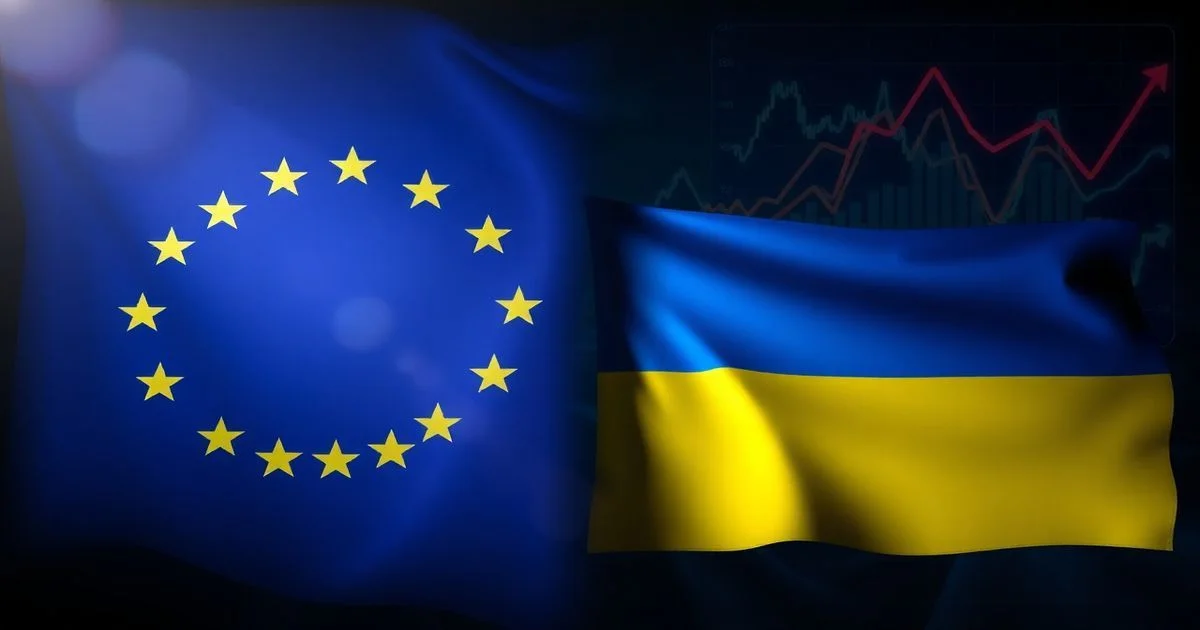
The European Union has today announced a landmark decision, approving a monumental €90B Ukraine Aid & New Russia Sanctions package. This critical move, coming after weeks of intense negotiations and diplomatic efforts, underscores the bloc's unwavering commitment to supporting Ukraine and its resolve to exert maximum pressure on Russia. This latest financial and punitive action signals a significant geopolitical shift, aiming to bolster Ukraine's resilience while further isolating the Kremlin on the global stage. The comprehensive measures are designed to address both the immediate and long-term needs of Ukraine, encompassing humanitarian, economic, and reconstruction assistance, coupled with expanded restrictions aimed at key sectors of the Russian economy.
- Understanding the Context: The War in Ukraine and EU Response
- Key Details: The EU Approves €90B Ukraine Aid & New Russia Sanctions
- The Eleventh Package of New Russia Sanctions
- EU Unity and Geopolitical Implications
- Expert Analysis and International Reactions
- Challenges and Future Outlook
- Frequently Asked Questions
- Further Reading & Resources
Understanding the Context: The War in Ukraine and EU Response
The ongoing conflict in Ukraine has reshaped the geopolitical landscape, prompting an unprecedented unified response from the European Union. Since the full-scale invasion, the EU has consistently demonstrated its solidarity through various aid packages, military assistance, and successive rounds of sanctions against Russia. These efforts have aimed to not only support Ukraine's defense and recovery but also to inflict severe economic consequences on Russia, thereby diminishing its capacity to wage war. The latest announcement represents an escalation of these commitments, reflecting the sustained and evolving nature of the conflict and the EU's long-term strategic vision for a stable and secure European continent. The humanitarian crisis, the destruction of infrastructure, and the immense economic strain on Ukraine have necessitated a robust and coordinated international response, with the EU at its forefront. This new package is a testament to the enduring resolve within the European bloc to stand by Ukraine through its darkest hours. For a broader perspective on similar global issues, read about Geopolitical Challenges of the 21st Century.
Key Details: The EU Approves €90B Ukraine Aid & New Russia Sanctions
The newly approved €90 billion aid package for Ukraine is a multifaceted financial instrument designed to provide comprehensive support across several critical areas. This substantial sum is intended to address the immediate budgetary needs of the Ukrainian government, facilitate essential public services, and lay the groundwork for future reconstruction efforts. The package is structured to ensure accountability and effective deployment of funds, with significant portions earmarked for specific purposes.
Breakdown of the Financial Assistance
The €90 billion is not a single lump sum but rather a combination of grants, highly concessional loans, and guarantees. A substantial portion is allocated to direct budgetary support, allowing Ukraine to maintain essential state functions, pay salaries, and provide social welfare to its citizens amidst the ongoing conflict. This direct financial injection is crucial for preventing state collapse and ensuring a semblance of normalcy for the population.
Furthermore, significant funds will be channeled towards humanitarian aid, addressing the urgent needs of displaced persons and conflict-affected communities. This includes provisions for shelter, food, medical supplies, and psychological support services. The scale of the humanitarian crisis necessitates continued and robust funding to alleviate suffering and support the millions affected by the war.
Another critical component of the aid package is dedicated to the early recovery and reconstruction of vital infrastructure. This encompasses repairing damaged energy grids, transportation networks, housing, and educational facilities. While full-scale reconstruction will require even greater resources, this initial allocation is vital for enabling communities to rebuild and for Ukraine to restore basic services.
Disbursement Mechanisms and Oversight
To ensure transparency and prevent misuse, the EU has established stringent disbursement mechanisms and oversight protocols. The funds will be released in tranches, contingent upon Ukraine meeting specific conditions related to governance, anti-corruption measures, and judicial reforms. This conditionality aims to foster good governance and ensure that the aid contributes to Ukraine's long-term democratic development.
The European Commission, in conjunction with international financial institutions, will play a central role in monitoring the implementation of reforms and the judicious use of the allocated funds. This robust oversight is intended to reassure EU taxpayers and member states that their contributions are effectively supporting Ukraine's resilience and recovery. The package also includes technical assistance to help Ukraine strengthen its institutional capacity and implement the necessary reforms.
The Eleventh Package of New Russia Sanctions
In parallel with the aid package, the European Union has rolled out its eleventh comprehensive package of sanctions against Russia, marking a continued and intensifying effort to cripple the Kremlin's war economy. These new measures are designed to close loopholes in existing sanctions, target previously untouched sectors, and increase the cost of Russia's aggression. The EU Approves €90B Ukraine Aid & New Russia Sanctions is a dual-pronged strategy aimed at both bolstering Ukraine and weakening Russia.
Expanded Scope and Enforcement
This latest round of sanctions significantly broadens the scope of punitive measures. It includes an expanded list of individuals and entities implicated in supporting the war, including military officials, propagandists, and oligarchs. Asset freezes and travel bans will be imposed on these individuals, further isolating them from the international financial system and global travel.
Crucially, the eleventh package targets sectors of the Russian economy that have previously shown resilience or found alternative supply chains. This includes additional restrictions on advanced technologies, components used in military production, and certain industrial goods. The aim is to cut off Russia's access to critical technologies and limit its ability to produce or repair military equipment.
There is also a strong emphasis on tightening enforcement and preventing circumvention of existing sanctions. The EU will increase its efforts to crack down on third countries and entities found to be facilitating the evasion of sanctions. This includes measures to prevent the re-export of sanctioned goods through intermediary countries, a known challenge in previous sanction regimes.
Impact on Russia's Economy and War Effort
The cumulative effect of these sanctions, particularly with the addition of the eleventh package, is expected to further strain Russia's economy. Restricting access to advanced technology will impede its industrial capacity and long-term economic growth. The ongoing financial restrictions will continue to limit Russia's ability to fund its war effort and maintain economic stability. For a deeper dive into how global events impact national economies, explore Economic Impact of Globalization.
Analysts suggest that while Russia has attempted to pivot its economy towards non-Western markets, the sheer scale and coordination of EU and G7 sanctions are having a demonstrable impact. The new measures aim to accelerate the decline in Russia's industrial output, increase inflation, and reduce the living standards of its population, thereby increasing domestic pressure on the Kremlin. The long-term implications for Russia's technological development and integration into the global economy are also severe.
EU Unity and Geopolitical Implications
The approval of this extensive aid and sanctions package underscores the remarkable unity and resolve within the European Union, even amidst diverse national interests and economic challenges. This consensus sends a powerful message to both Ukraine and Russia, reaffirming the EU's unwavering commitment to its core values and international law.
Strengthening European Solidarity
The ability of 27 diverse member states to agree on such a substantial and sensitive package highlights the enduring strength of European solidarity. Despite internal debates and varying economic impacts, the common goal of supporting Ukraine and countering Russian aggression has prevailed. This unity is a cornerstone of the EU's foreign policy and its standing as a significant global actor. It demonstrates that, when faced with existential threats, the European Union can transcend internal divisions and act decisively on the world stage.
This collective action also reinforces the EU's role as a key player in shaping the international response to geopolitical crises. By acting in concert, the EU enhances the effectiveness of its policies and magnifies its diplomatic and economic leverage. The message sent by this united front is clear: the EU is prepared to make significant sacrifices and take bold steps to uphold peace and security in Europe.
Reshaping Global Alliances and Security Architectures
The EU's actions have profound geopolitical implications, not only for the immediate conflict but also for the long-term global security architecture. The comprehensive nature of the aid and sanctions contributes to the broader effort by Western allies to support Ukraine and deter further Russian aggression. This coordinated approach strengthens existing alliances and fosters new forms of international cooperation in response to shared threats.
Furthermore, the emphasis on strengthening Ukraine's economy and institutions, coupled with the continued pressure on Russia, signals a long-term strategy to reshape the regional power balance. The EU's commitment to Ukraine's eventual integration into the European family is a powerful statement about the future direction of the continent. It challenges existing paradigms and calls for a re-evaluation of security frameworks that have governed Europe for decades. The decisions made today will undoubtedly influence diplomatic relations and military strategies for years to come.
Expert Analysis and International Reactions
The announcement of the €90 billion aid package and new sanctions has drawn significant attention from international observers, economists, and political analysts. Initial reactions vary, though there is a general consensus on the magnitude and strategic importance of these decisions.
Economic and Political Perspectives
Economists largely agree that the €90 billion aid package is essential for Ukraine's economic survival and future recovery. Dr. Anya Sharma, a senior fellow at the European Council on Foreign Relations, commented, "This level of financial commitment is unprecedented and reflects the EU's understanding that Ukraine's economic stability is integral to its military and political resilience. It's an investment in a secure future for Europe." However, some analysts caution about the logistical challenges of disbursing such a large sum effectively in a war-torn country and stress the importance of robust oversight.
Regarding the sanctions, political scientists note their increasing sophistication. Professor Marc Dubois from the Sorbonne stated, "The eleventh package demonstrates a learning curve for the EU. They are moving beyond broad sectoral bans to more targeted measures aimed at closing evasion routes and specifically choking off Russia's access to critical technologies. This makes them harder to circumvent and more impactful over time." However, there are ongoing debates about the ultimate effectiveness of sanctions in altering a regime's behavior versus their long-term economic and social costs.
Global Response and Diplomatic Implications
Internationally, the EU's move has been largely welcomed by allies, particularly the United States and the UK, who view it as a crucial demonstration of continued Western unity. Statements from Washington reiterated strong support for the EU's actions, emphasizing the collective effort to hold Russia accountable.
Conversely, Russia has predictably condemned the new measures, labeling them as hostile and counterproductive. Russian state media channels have begun portraying the aid as a futile attempt to prolong the conflict and the sanctions as an illegal interference in its sovereign affairs. These reactions underscore the deep diplomatic chasm that continues to widen between Russia and the Western bloc. The decisions are likely to further strain relations and solidify the current geopolitical divisions.
Challenges and Future Outlook
While the approval of the €90 billion aid package and the new sanctions marks a significant step, the path ahead is fraught with challenges and uncertainties. The effectiveness of these measures will depend on various factors, including their consistent application, Ukraine's capacity for reform, and Russia's adaptive strategies.
Implementation Hurdles for Aid and Sanctions
One primary challenge for the aid package lies in its effective and transparent implementation within Ukraine. The scale of financial assistance requires strong governance structures, robust anti-corruption mechanisms, and efficient administrative capacity, all of which are under immense pressure during wartime. Ensuring that funds reach their intended beneficiaries and contribute to sustainable recovery will be a continuous effort.
For the sanctions, the ongoing challenge of enforcement and preventing circumvention remains paramount. Russia has consistently sought new avenues to bypass restrictions, often through third countries or complex financial schemes. The EU's success will hinge on its ability to monitor these activities rigorously and adapt its sanction regime to evolving tactics. International cooperation with partners globally will be crucial in plugging any potential loopholes.
Long-Term Strategic Vision
Looking ahead, the EU's long-term strategic vision extends beyond immediate aid and sanctions. It encompasses support for Ukraine's path towards European integration, fostering democratic institutions, and building a resilient, modern economy. This requires sustained political will, consistent financial commitment, and ongoing diplomatic engagement. The EU Approves €90B Ukraine Aid & New Russia Sanctions is a critical component of this broader strategy, aiming to shape the future security and economic landscape of the continent.
The ultimate goal is to establish a lasting peace and stability in Europe, predicated on respect for international law and national sovereignty. The EU's actions are not merely reactive but form part of a proactive strategy to defend its values and secure its future. The coming months and years will test the endurance of this commitment and the effectiveness of the chosen instruments in achieving these ambitious objectives. This ongoing struggle highlights the complexities inherent in Cybersecurity Threats and Solutions.
Frequently Asked Questions
Q: What is the purpose of the €90 billion aid package for Ukraine?
A: The €90 billion aid package aims to provide comprehensive support to Ukraine, covering immediate budgetary needs, humanitarian assistance for affected populations, and initial funding for crucial infrastructure reconstruction. It's designed to ensure Ukraine's economic stability and support its long-term recovery.
Q: What do the new Russia sanctions target?
A: The eleventh package of sanctions targets individuals and entities supporting the war, advanced technologies used in military production, and aims to prevent circumvention of existing restrictions. Its goal is to further cripple Russia's war economy.
Q: How does this decision impact EU-Russia relations?
A: This decision significantly deepens the diplomatic chasm between the EU and Russia, solidifying geopolitical divisions. It underscores the EU's firm stance against Russian aggression and its commitment to international law, further isolating the Kremlin on the global stage.
Further Reading & Resources
In conclusion, the European Union's monumental decision to approve a €90B Ukraine Aid & New Russia Sanctions package marks a pivotal moment in the ongoing conflict and the broader geopolitical landscape. This comprehensive approach, combining significant financial support for Ukraine with an intensified punitive regime against Russia, underscores the EU's unwavering commitment to solidarity and its strategic resolve. While challenges in implementation and enforcement undoubtedly lie ahead, this coordinated action sends a powerful message about the EU's determination to foster stability, uphold international law, and shape a more secure future for Europe. The impact of these decisions will resonate for years to come, influencing both the trajectory of the conflict and the contours of global alliances.